Upturned Nose, What Is It, What Does It Look Like and Who Does It Suit?

Key points
- An upturned nose can help adjust the dimensions of the face, and the surgeon assesses the shape to suit each person’s facial proportions.
- There are several techniques for an upturned nose rhinoplasty, such as semi-open rhinoplasty, septal extension (open septorhinoplasty) and the use of rib cartilage.
- Restructuring the nose with rib cartilage and open rhinoplasty helps shape noses that are harder to adjust and strengthens the nasal structure.
- The surgeon focuses on analysing and assessing each person’s facial features before the procedure, for a shape that suits the proportions of the face.
A nose that lacks definition, a droopy nasal tip or a short nose are reasons many people consider rhinoplasty to create an upturned nose. It can help change how the face looks and balance the angle between the nasal tip and the upper lip (nasolabial angle) in line with anatomy.
In this article, S45 explains the different forms of this nose shape and compares it with other nose shapes. It also covers the limits for people with little tissue at the nasal tip, and how long it takes for the nose to tighten and the skin to recover, which happens gradually.
In This Article
What Is an Upturned Nose Shape?

An upturned nose, or sloped upturned nose, is a nose shape with a bridge that curves gently downwards before the tip gradually angles upwards. This shape focuses on balancing the angle between the upper lip and the base of the nose (nasolabial angle) to suit the proportions of the face in line with anatomy.
This nose shape takes its lead from noses that have a gently curved slope with a raised tip, and it aims to lower the chance of the tip looking droopy. In surgery, the surgeon often considers supporting the shape with a synthetic implant together with ear cartilage, to shape and support the nasal tip for more definition.
Features of a Sloped Upturned Nose
With a sloped upturned nose, the bridge curves gently in line with the forehead as it runs down, and the tip is angled upwards to suit the line of the upper lip. The curve of the bridge helps soften the face, while the raised tip adds definition.
The sloping curve of the bridge starts from the inner corners of the eyes and runs down to the middle of the nose. This shape helps a nose that looks droopy or has a dropped tip look more lifted. Raising the tip to a suitable degree lets the nostrils show in suitable proportion from the front and adds balance to each person’s face.
Differences Between an Upturned Nose and a Projected Tip
The key difference between an upturned nose and a nose shape focused on tip projection is the direction of the nasal tip and the angle of the slope of the bridge.
An upturned nose focuses on angling the tip upwards, which helps the face look softer and brighter, while a projected tip extends the tip forwards on a horizontal line with a sloping bridge, which helps sharpen the face. Choosing the right nose shape depends on your existing structure and the surgeon’s individual assessment.
| Difference | Upturned nose | Projected tip |
|---|---|---|
| Tip direction | Angled slightly upwards | Extends forwards on a horizontal line |
| Nostril view | Nostrils visible in proportion from the front | Nostrils look teardrop-shaped |
| Look of the face | Helps give the face more definition | Helps give the facial structure a sharper look |
Who Is an Upturned Nose Suitable For?

An upturned nose rhinoplasty suits people who want to adjust the dimensions of their face. Suitability is usually assessed from 2 main factors, your existing face shape and the amount of tissue in your nose.
Face Shapes That Suit an Upturned Nose
- oval face, where the slope fits the curves of the forehead and chin
- long face, where a slightly raised tip can make the face look shorter and more in proportion
- a prominent forehead or a dorsal hump, where the curve from the forehead to the nasal tip creates a balanced line for the eye to follow
Results and changes in shape depend on your existing structure, your health and the surgeon’s individual assessment.
Can People With Little Nasal Tissue Have This Shape?
- People with little nasal tissue or thin skin can have an upturned nose, but the surgeon first needs to assess how elastic the skin is before the procedure. Forcing the tip too high when the skin is thin can put tension on the skin, which can lead to tip extrusion.
- For people with limited tissue at the nasal tip, the surgeon often considers open rhinoplasty with your own ear cartilage or rib cartilage to support and thicken the nasal tip. This helps reduce pressure on the outer skin and lowers the chance of the skin at the tip thinning about 3 to 5 years after surgery.
How Many Types of Upturned Nose Are There?
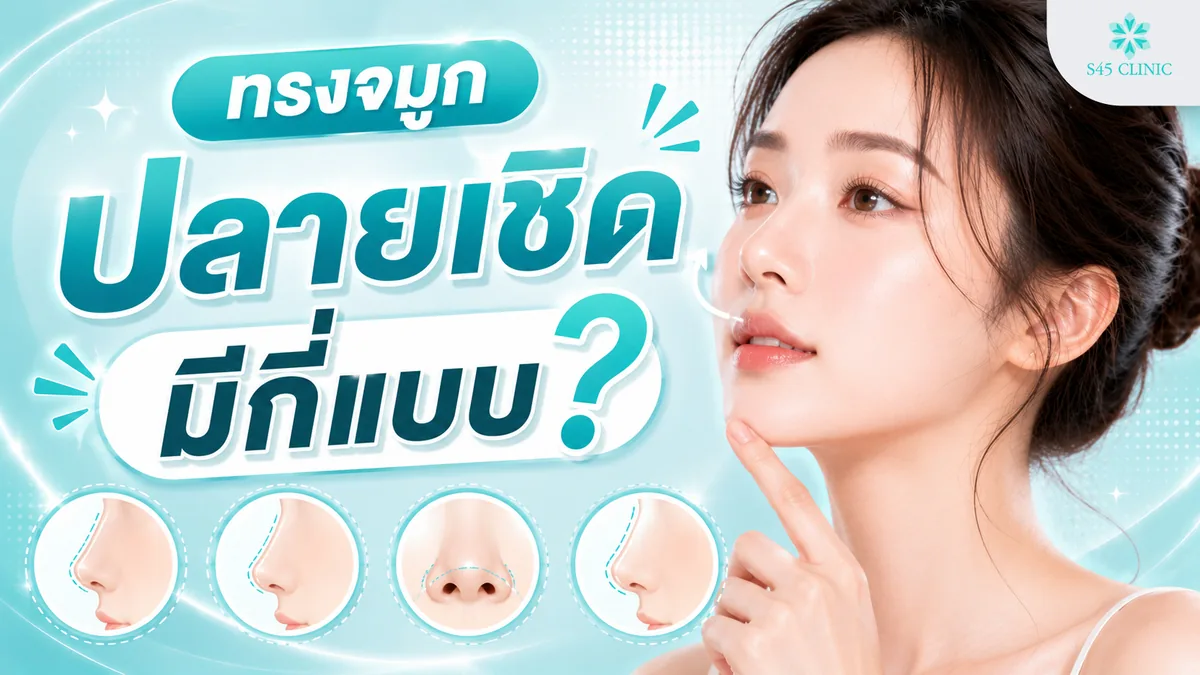
An upturned nose can be divided into 2 main types by how sloped the bridge is and how much the tip is raised, to suit the original facial structure of each person.
- A soft sloped upturned nose focuses on a gently curved bridge that follows the line of the forehead, with a slightly raised tip. The design focuses on balancing the nasal tip with the upper lip, and suits people with little nasal tissue or who want a softer look to their face.
- A more defined sloped upturned nose focuses on angling the tip for more prominence and projection on the horizontal line, to give the side profile of the face a sharper look.
Which Rhinoplasty Techniques Can Create a Sloped Upturned Nose?
A sloped upturned nose rhinoplasty that suits your facial proportions can be done with the main surgical techniques, semi-open rhinoplasty and open rhinoplasty.
The semi-open approach helps reduce tension on the nasal tip to some degree, while open rhinoplasty lets the surgeon reach and reshape the cartilage structure inside.
The surgeon may also consider septal extension with open septorhinoplasty and your own rib cartilage, to strengthen the structure of the nasal tip, support lengthening and reshaping of the tip, and lower the chance of the nose changing shape in the long term. The skin recovers gradually over time, depending on each person’s body.
What to Know Before Choosing an Upturned Nose
Understanding the different factors before reshaping your nose is important, to help you sort through information and prepare before your procedure. Key points to know include:
- An upturned nose can be achieved through rhinoplasty assessed by the surgeon for each person, to design a shape that suits the other features of your face.
- There are several nose reshaping techniques that can be used to suit your existing structure, such as semi-open rhinoplasty, septal extension and the use of your own rib cartilage.
- Correcting a short, upturned or contracted nose with rib cartilage is a way of restructuring the nose based on individual anatomy analysis, to help support a balanced nose shape that suits your body in the long term.
Key Features of an Upturned Nose
An upturned nose rhinoplasty helps soften the look of the face, and raising the nasal tip slightly helps balance the look of the middle of the face.
The side profile of the face has a continuous line, as the slope of the bridge runs in line with the forehead. This helps soften the face in people with a high dorsal hump, or makes a droopy-looking tip look more lifted. During recovery, swelling goes down gradually depending on each person’s healing.
Limitations and Who This Rhinoplasty Shape Is Not Recommended For
An upturned nose rhinoplasty may not suit people with a short, upturned nose, because it may make the nostrils more visible. Raising the tip when the skin is under high tension can also build up pressure on the skin during recovery.
People with a thin nasal tip or contracted scar tissue from previous surgery need an assessment first, because the skin may not be elastic enough to support lengthening and reshaping of the tip. If you are interested in reshaping your nose, consult the surgeon for an assessment of the elasticity and thickness of your skin, to choose a technique that suits your anatomy.
Why Choose S45 Clinic for Rhinoplasty
S45 Clinic focuses on designing an upturned nose to suit each person’s facial proportions. The surgeon examines your anatomy and recommends a technique that suits your existing bone structure. Planning the nose shape focuses on reducing pressure on the nasal tip, to lower the chance of the nasal skin thinning in future.
The nasal structure can be adjusted with several techniques, based on the surgeon’s assessment, such as open rhinoplasty with septal extension. For people with a short or blunt nasal tip, the surgeon may consider ear cartilage or your own rib cartilage to add definition and adjust how much the tip is raised, to proportions based on your individual analysis.
Frequently Asked Questions About Upturned Noses
How Many Months Does It Take for the Nose to Tighten and Settle After Surgery?
The tightening process and skin recovery improve gradually, and the shape starts to settle and look more balanced after about the first 3 to 6 months. Swelling, bruising and how quickly swelling goes down vary from person to person, depending on your skin, the surgical technique and your self-care.
Is There a Chance of Implant Extrusion With an Upturned Nose in the Long Term?
Using a synthetic implant to push the nasal tissue too far in an upturned nose rhinoplasty can put tension on the skin, so the skin thins and changes colour. The chance of this can be lowered with open rhinoplasty using ear cartilage or rib cartilage to support the nasal tip and reduce pressure. If you are interested, have the surgeon assess your skin’s elasticity before the procedure.
How Much Does a Sloped Upturned Nose Rhinoplasty Cost?
The cost of rhinoplasty for a sloped upturned nose varies with the surgical technique and materials used. There are several price levels depending on the technique and the complexity of each person’s structure. Generally, the fee covers the physical examination before surgery, medicines and supplies, and follow-up checks during recovery.
Summary
An upturned nose helps give the face balanced proportions that suit your existing features, focusing on balancing the angle between the upper lip and the base of the nose (nasolabial angle) to suit your existing facial structure in line with anatomy.
However, choosing this shape requires the surgeon to assess the amount and elasticity of the tissue at the nasal tip, to choose a technique and material that can support the tip. This helps reduce pressure on the skin and lowers the chance of tip extrusion in the future.
Because every nose structure…
is different
An otolaryngologist with subspecialty training in facial plastic and reconstructive surgery assesses every case before treatment and gives advice based on your actual concerns.
“Reveal the beauty within you”
Message us online
Surgery and medical procedures carry risks. Find out about them and consult a doctor before you decide. Results depend on each person.