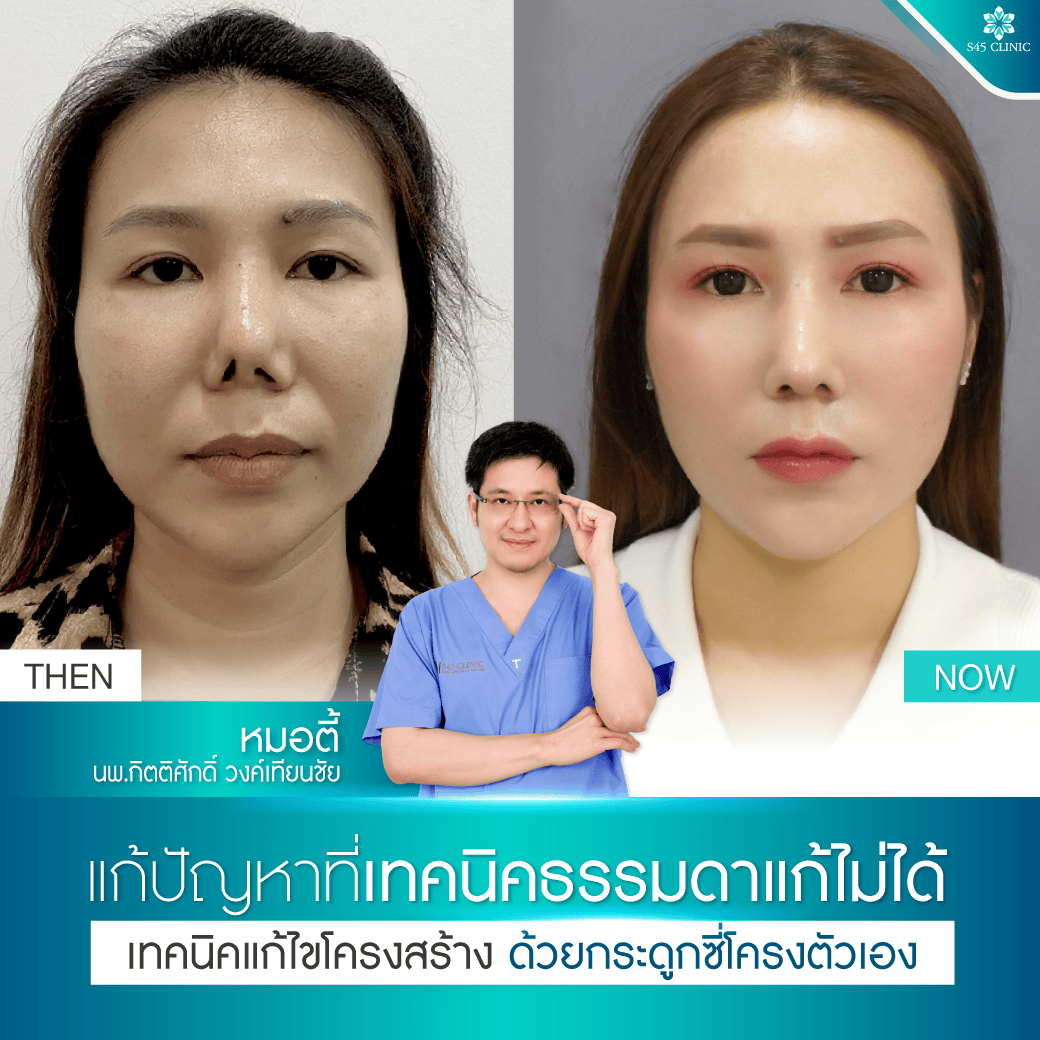
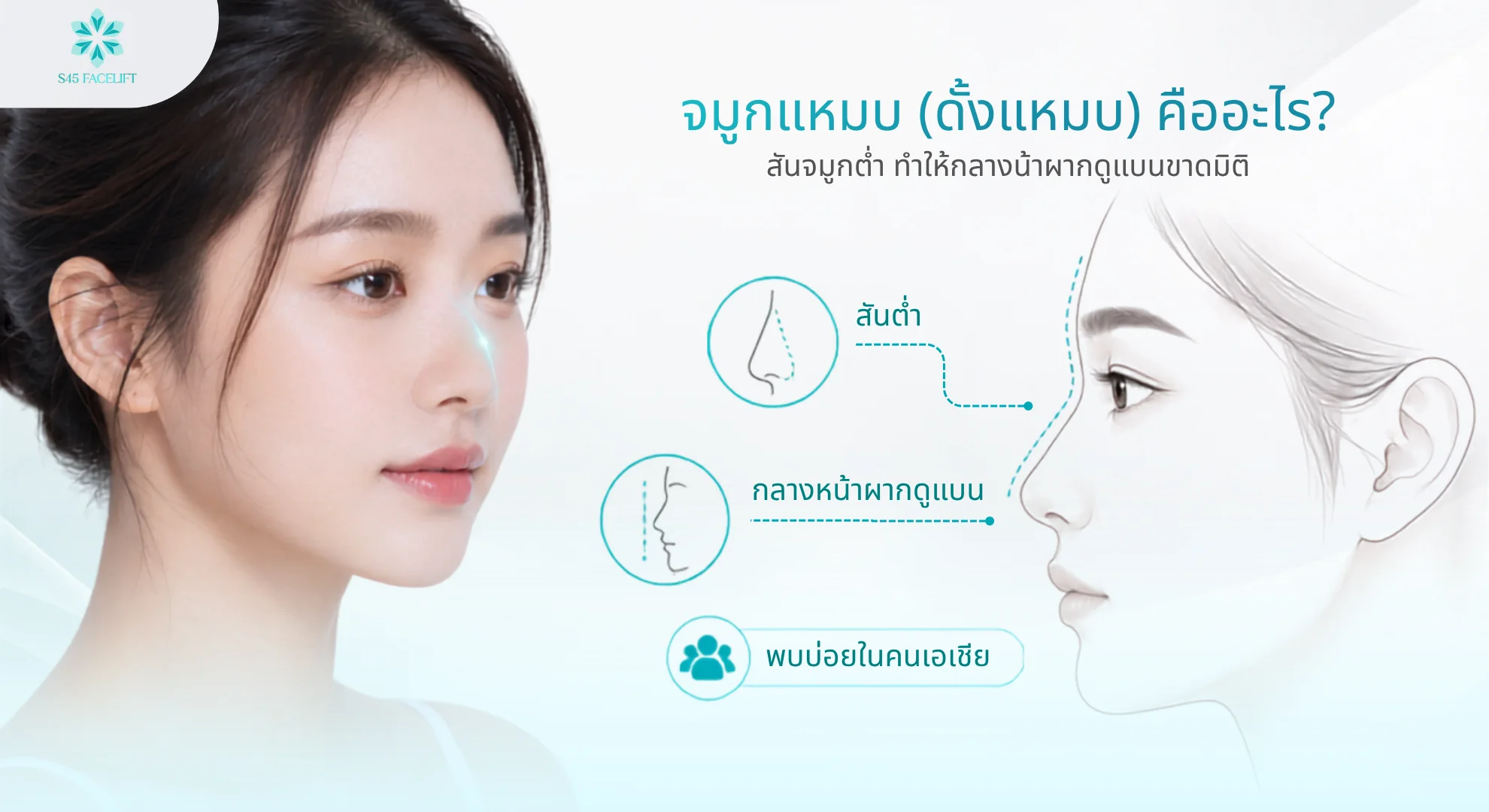
A nose with new definition, a soft, sweet look and no silicone in the tip. Open septorhinoplasty is a rhinoplasty technique that reshapes the nose and adds definition to the face. It uses septal extension to raise the bridge and project the tip, and can help with concerns such as a crooked bridge, a flat bridge, a large dorsal hump, a droopy nasal tip, a thin nasal tip, a short nasal tip, a wide nasal base and other concerns that affect your confidence.
Open rhinoplasty lets the surgeon see the whole structure of the nose. So if you have problems inside the nose, or you have sinus problems, allergies or narrow nostrils, the surgeon can correct and adjust these to help you breathe more easily.
Before surgery you will have a consultation, where you can talk to the surgeon and ask for advice. Since the nose is being opened anyway, the nasal structure can be adjusted at the same time, so you do not need to go through several operations.
Why We Say “You Do Not Need to Go Through Several Operations”
Open Rhinoplasty With Structural Correction and Septal Extension (Open Septorhinoplasty)
This structural technique lets the surgeon see the internal structure of the nose. The surgeon uses an I-shaped silicone implant, carved to suit each person, to raise the bridge, and uses part of the septum as a septal extension set as a base at the nasal tip, so the tip is strong and projects from the internal structure. The tip is then padded with ear cartilage and your own tissue so it feels soft.
If you have had rhinoplasty before, whether closed rhinoplasty, liquid injections or a silicone implant, this technique allows detailed correction aimed at the result you want. The surgeon analyses and assesses your nose before making a decision together with you, so you have all the details.
If you have a wide nasal bone base, you may need nasal osteotomy (reshaping the nasal bones) and rasping to make the nose slimmer. Once the original problems have been corrected, you are less likely to need your nose reshaped again. This nose is intended to last a long time, or until you want to change the shape, so you do not need to go through several operations.
Rhinoplasty Review, Open Septorhinoplasty
Does Open Rhinoplasty With Structural Correction and Septal Extension (Open Septorhinoplasty) Hurt?
Before open rhinoplasty, the anaesthetist gives you sedation or a general anaesthetic, so you are not aware of anything during the operation, and you wake up with your new nose.
When the anaesthetic wears off, you may have some mild, dull pain, which can be managed with painkillers. How this feels depends on each person. After a general anaesthetic or sedation, some people may have an irritated throat, a sore throat, dizziness or a dry mouth. These are normal and gradually improve.
Before rhinoplasty under general anaesthetic, the surgeon will ask you to have a health check, because some people with health problems, such as high blood pressure, bleeding easily, diabetes or lung disease, have a higher chance of complications that can be dangerous.
This Is Why a General Anaesthetic Before Plastic Surgery Is so Important, and at S45 Clinic We Take Care With It by Providing One-to-One Anaesthetist Care, so You Can Feel at Ease
S45 Clinic, Soi Sukhumvit 33, Bangkok. This article is published by S45 Clinic as general information and is not a medical diagnosis. Please see a doctor for an assessment before receiving any treatment.
Pus in an alar base reduction wound is a sign of a bacterial infection in the surgical wound. It usually appears in the first 3 to 7 days after alar base reduction and shows as a red, swollen, hot wound with increasing pain…
How long for your nose to settle after rhinoplasty? Usually 3 to 12 months, as tissue forms around the silicone implant and holds it firmly. Learn the 5 signs it has settled, aftercare that supports it, and uneven settling on one side.
A flat nose bridge is a nose with no bridge or a low bridge, mainly caused by genetics. Learn about non-surgical options (makeup, filler injections, thread lift, botulinum toxin) and surgery, compared with facial proportions.
What can you eat after rhinoplasty? Foods to eat (protein, vitamin C, zinc) and foods to avoid (seafood, pickled and fermented foods, spicy food, alcohol, durian), with a timeline for 7 days, 14 days and 1 month.
Is alar base reduction painful? How much it hurts during and after surgery, whether you need a general anaesthetic, how many days the pain lasts, how long the wound takes to heal, recovery time, downsides, whether it changes your face, cost and how to choose a clinic.