Rhinoplasty in Thailand to Add Definition to Your Face
Rhinoplasty Guided by Golden Ratio Facial Proportions
Rhinoplasty is often one of the first procedures people consider when they want to feel more confident about their appearance. Nose surgery is a popular way to address concerns about the face, and it can change the balance of your features and give your face more definition. Recovery time depends on the technique and on each person, and your surgeon will explain what to expect during your consultation.


Open rhinoplasty reshapes the underlying structure of the nose to create an attractive shape with balanced proportions and definition. It can lower the chance of extrusion at the tip, which is when an implant pushes through the skin. It can also address noses affected by injury, congenital differences, or severe trauma that has left the nose crooked or out of proportion with the golden ratio, a widely used reference for balanced facial proportions.

The golden ratio is a set of proportions often used as a reference for facial balance. It divides the face into sections of roughly equal height, measured across the forehead, the nose and the lower face down to the chin, in a ratio of 1:1:1.
Common Nose Concerns Among Asian Patients


Rhinoplasty Techniques and How They Differ
There are 2 widely used approaches to rhinoplasty, the closed technique and the structural technique. They differ as follows.
1. Closed Rhinoplasty
In closed rhinoplasty, the surgeon makes an incision of about 1cm to 2cm along the inside rim of the nostril to create a pocket beneath the tissue covering the nasal bone. A silicone implant that has been carved and shaped is then inserted through the same incision. One or both nostrils may be used, depending on the surgeon’s approach. A general anaesthetic is not needed, and the incision is small and cannot be seen from the outside.
This technique suits first-time patients without major nose concerns who mainly want more height. Surgery takes at least 30 to 60 minutes, depending on the complexity of the case. Materials used in closed rhinoplasty include:
- silicone implant
- tip graft material, a small piece of tissue placed at the tip for support, which helps lower the chance of extrusion and adds thickness to the nasal tissue
- acellular dermal matrix (MegaDerm), a processed tissue graft
- dermofat graft, skin and fat taken from the tailbone area of your own body
- ear cartilage
Closed Rhinoplasty
Closed rhinoplasty takes relatively little time. It combines a silicone implant with a tip graft to soften the contour, add definition, lift the tip and help lower the chance of extrusion. Closed techniques include:
- silicone implant only
- silicone implant with an ear cartilage tip graft
- silicone implant with an acellular dermal matrix tip graft
- silicone implant with a dermofat tip graft
- Semi-open
- open with base reshaping (without septal extension)

Silicone Implant Only
Silicone is a widely used synthetic implant. The surgeon carves it into an L shape to fit your nose and raises the tip according to your goals and what suits your face. Silicone-only rhinoplasty is a relatively simple technique that takes about 20 to 30 minutes. It suits patients without structural nose concerns and adds definition to the nose.
With silicone implants, there is a chance of extrusion, shifting or infection if the surgeon lacks experience in carving and placing the implant, or if the implant does not meet medical standards.
2. Open Rhinoplasty (Structural Rhinoplasty)
Structural rhinoplasty, also known as open rhinoplasty, involves an incision beneath the base of the nose so the surgeon can see the nasal structure clearly, correct it, and then refine the shape of the nose. Open techniques include:


- open septorhinoplasty (structural correction with septal extension)
- open rhinoplasty with rib cartilage
- hybrid rib rhinoplasty (silicone on the bridge, rib cartilage at the tip)
- total rib rhinoplasty (rib cartilage for both the bridge and the tip)
This technique suits patients with structural nose concerns or those who want to address issues such as a deviated nose, a bulbous nose, asymmetry, a dorsal hump (a bump on the bridge of the nose), a nose with a history of infection, or cleft lip and palate. It needs a general anaesthetic, as it is a relatively major operation, and is performed under the care of an anaesthetist. Surgery takes at least 3 to 5 hours, depending on the complexity of the case.

Rhinoplasty With Ear Cartilage
This technique uses a silicone implant together with a tip graft made from ear cartilage and soft tissue. The surgeon makes an incision inside one or both nostrils and an incision of about 2cm behind the ear. It helps lift the tip, adds definition and can lower the chance of tip extrusion. It suits patients without structural concerns or with thin tip tissue, and can lengthen a short nose for a softer, more balanced look. If you have thin skin, the edge of the graft may become visible over time.


Rhinoplasty With Acellular Dermal Matrix (MegaDerm)
This technique uses a silicone implant with a tip graft of acellular dermal matrix (MegaDerm), a medical soft tissue substitute made from collagen that mimics human tissue. It is soft and similar in feel to natural tissue, blends smoothly with the bridge, and is relatively easy to place and to remove.
It suits patients without structural concerns, or with a thin tip, who would like a teardrop-shaped tip. It is combined with a silicone implant along the bridge to create a shape that suits each person’s face.
*With acellular dermal matrix, there is a chance of infection if the body reacts to or rejects the material.
Rhinoplasty Case Reviews











Rhinoplasty With Dermofat Graft
This technique uses a silicone implant with a tip graft of dermofat, a commonly used tissue taken through a straight incision in the tailbone area. It softens the contour, adds length and projection, and can create a teardrop tip. Dermofat has a smooth texture and a colour quite similar to the skin of the nose. It suits patients with a history of extrusion or infection, or with a thin tip and little tissue, and helps lengthen the tip. Because it is your own tissue, the chance of rejection is low.

Dermofat Graft Rhinoplasty Case Reviews
3. Semi-Open Rhinoplasty
Semi-open rhinoplasty is a popular choice among people having plastic surgery for the first time. The surgeon makes incisions inside both nostrils and places an L-shaped silicone implant along the bone, as in the closed technique, then secures it with stitches to lower the chance of the nose tilting. This technique also gives the surgeon a clearer view of the structure, allowing more thorough rasping (filing) inside the nose.
It suits people who prefer a higher, more projected nose. It refines the tip and lifts the alar cartilages (the cartilages that shape the tip and nostrils) for a slimmer, more defined shape that helps balance the face. The surgeon combines a silicone implant with ear cartilage or acellular dermal matrix, together with interdomal suturing (stitching the tip cartilages together). This technique is not suitable for very short noses or for patients who have had liquid injections and need the nasal structure rebuilt.
Semi-Open vs Open Rhinoplasty With Base Reshaping
| Semi-open rhinoplasty | Open rhinoplasty with base reshaping |
|---|---|
| Incisions on both sides, secured with 2 stitches to hold the shape and reduce shifting or a floating implant | Addresses a large tip, excess fatty tissue, a large hump, a wide nasal base, or a flat bridge lacking definition |
| Gives a better view of structures such as the alar cartilages than the closed technique | An open incision at the base of the nasal tip |
| The implant can be secured along the bridge more firmly than with a standard closed technique | The incision exposes all internal structures, making it easier to reshape the nasal base |
| Helps even out asymmetric nostrils | Osteotomy can narrow a wide nasal base more effectively than the closed technique |
| Interdomal suturing refines the tip for a slimmer look | A hump can be rasped smooth, or a large hump can be trimmed |
| Allows more thorough rasping of the nasal bone than the closed technique | Soft tissue and fat can be removed to refine the tip |
| The incision is hidden inside the nostril, with no external scar | Helps place and secure the implant in the correct position, lowering the chance of the nose tilting |
4. Nasal Osteotomy and Who It Suits
Nasal osteotomy (reshaping the nasal bones) narrows a wide nasal sidewall and base so the nose looks slimmer and suits the face, correcting structural and shape concerns. It suits patients with:
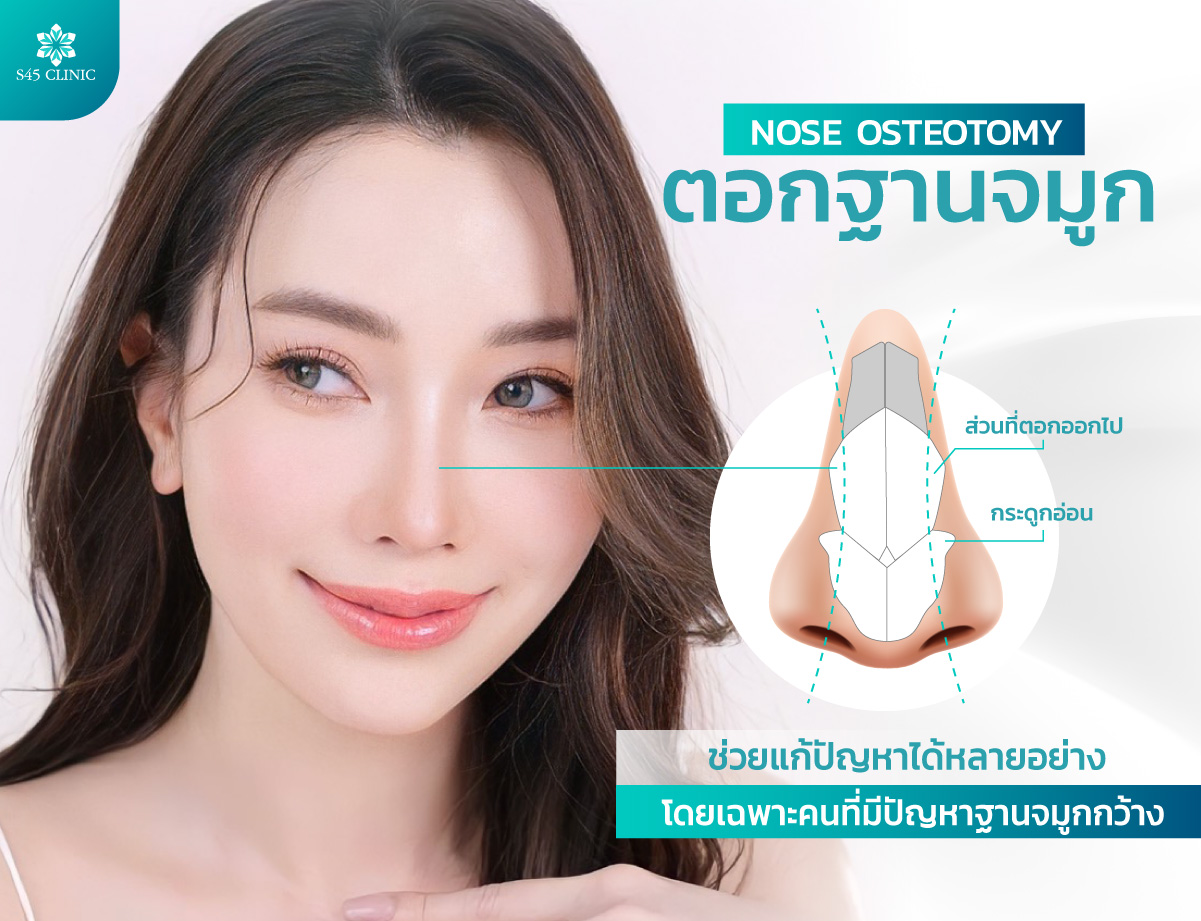
- a nasal base wider than the inner corners of both eyes
- a crooked, tilted or deviated nose
- a hump too high to be rasped down
- nasal sidewalls that need narrowing so both sides are even
- a crooked, tilted or deviated nasal axis, whether present from birth or acquired later
Although osteotomy can make the nose look slimmer, how much slimmer depends on each person.

5. Tip Cartilage Suturing With the Interdome Technique
Interdomal suturing brings together the 2 alar cartilages at the tip of the nose, which sit apart in the middle. The surgeon works until the full tip cartilage is clearly visible so that the stitches hold firmly and the cartilage is lengthened. This reshapes the internal structure of the tip cartilage and creates a supporting base for a more defined, sharper and more upturned tip. How much change is achieved depends on the soft tissue of each person’s nose. This technique can:
- bring a wide tip closer together for a slimmer, more defined shape
- give a more projected tip with a clearer nasal shape
- shape the nose to project in balance with the bridge
- provide a base for the silicone implant, for an upturned or teardrop tip
- provide a base for the silicone implant, for an upturned or teardrop tip
*The surgeon will assess each person and recommend the technique that suits them.
Semi-Open Rhinoplasty Case Reviews


Open Rhinoplasty With Base Reshaping (Without Septal Extension)
This technique opens the incision so that all internal structures can be seen clearly and the surgeon can reshape the base of the nose. The open incision is made at the base of the nasal tip. It allows the surgeon to remove soft tissue and fat, perform osteotomy, rasp a hump and refine the tip, while also placing and securing the implant in the correct position to lower the chance of the nose shifting. This technique:
- addresses a large tip, excess fatty tissue, a large hump and a wide nasal base, using an open incision at the base of the nasal tip
- gives a clear view of the internal structures
*The surgeon will assess each person and recommend the technique that suits them.
Open Rhinoplasty With Base Reshaping Case Reviews
Open Septorhinoplasty (Structural Correction With Septal Extension)
Open septorhinoplasty corrects the structure and uses septal extension (lengthening the septum, the wall between the nostrils) to reshape the inside of the nose. It suits both first-time and complex cases. The incision is a straight line beneath the base of the nose, and surgery takes 3 to 5 hours. A general anaesthetic given by an anaesthetist is recommended. It suits a droopy nasal tip, a short nose, a crooked or deviated nose, a nose with little tissue, patients who want a longer and slimmer nose, and patients who had previous rhinoplasty and now have a thin or reddened tip close to extrusion, because the tip is built entirely from your own tissue. This technique involves:

- a custom-carved I-shaped silicone implant to add height to the bridge
- using the septum to extend the tip for projection from the internal structure
- extending the tip with the septum and your own tissue, softening the contour and adding definition to the face
Open Rhinoplasty With Rib Cartilage

Open structural rhinoplasty with rib cartilage is a technically demanding technique, and the surgeon should be experienced in it. Like septal extension, it reshapes the internal structure of the nose. It suits first-time and complex cases, cases with infection, contracted or shortened noses, noses that have had several revisions, and patients who prefer not to have implants in the body. The incision is a straight line beneath the base of the nose, and surgery takes 4 to 6 hours depending on the case. It is performed under general anaesthetic by an anaesthetist. It suits a droopy nasal tip, a short nose, thick or bulky nasal tissue, a misshapen nose, a nose that reacts against implants, an infected or inflamed nose, and a nose that has had multiple operations.
Differences Between Open Structural Rhinoplasty Techniques Using Your Own Rib Cartilage
| Hybrid rib rhinoplasty (silicone combined with rib cartilage) | Total rib rhinoplasty (rib cartilage only) |
|---|---|
| A custom-carved I-shaped silicone implant adds height to the bridge | Custom-carved rib cartilage adds height to the bridge |
| Rib cartilage strengthens the nasal framework | Rib cartilage strengthens the nasal framework |
| Rib cartilage extends the tip for projection from the internal structure | Rib cartilage extends the tip for projection from the internal structure, with no implant material |
Structural Correction With Your Own Rib Cartilage
- a small incision of only 1.5cm to 3cm beneath the breast crease, using the 6th, 7th or 8th rib cartilage
- a return to your daily routine after recovery
- surgery of about 3 to 6 hours, depending on each case
Benefits of Structural Rhinoplasty With Rib Cartilage
- suits patients with a short tip, little or thin nasal tissue, or a bulbous nose
- suits patients whose bodies do not tolerate implants
- uses material from your own body
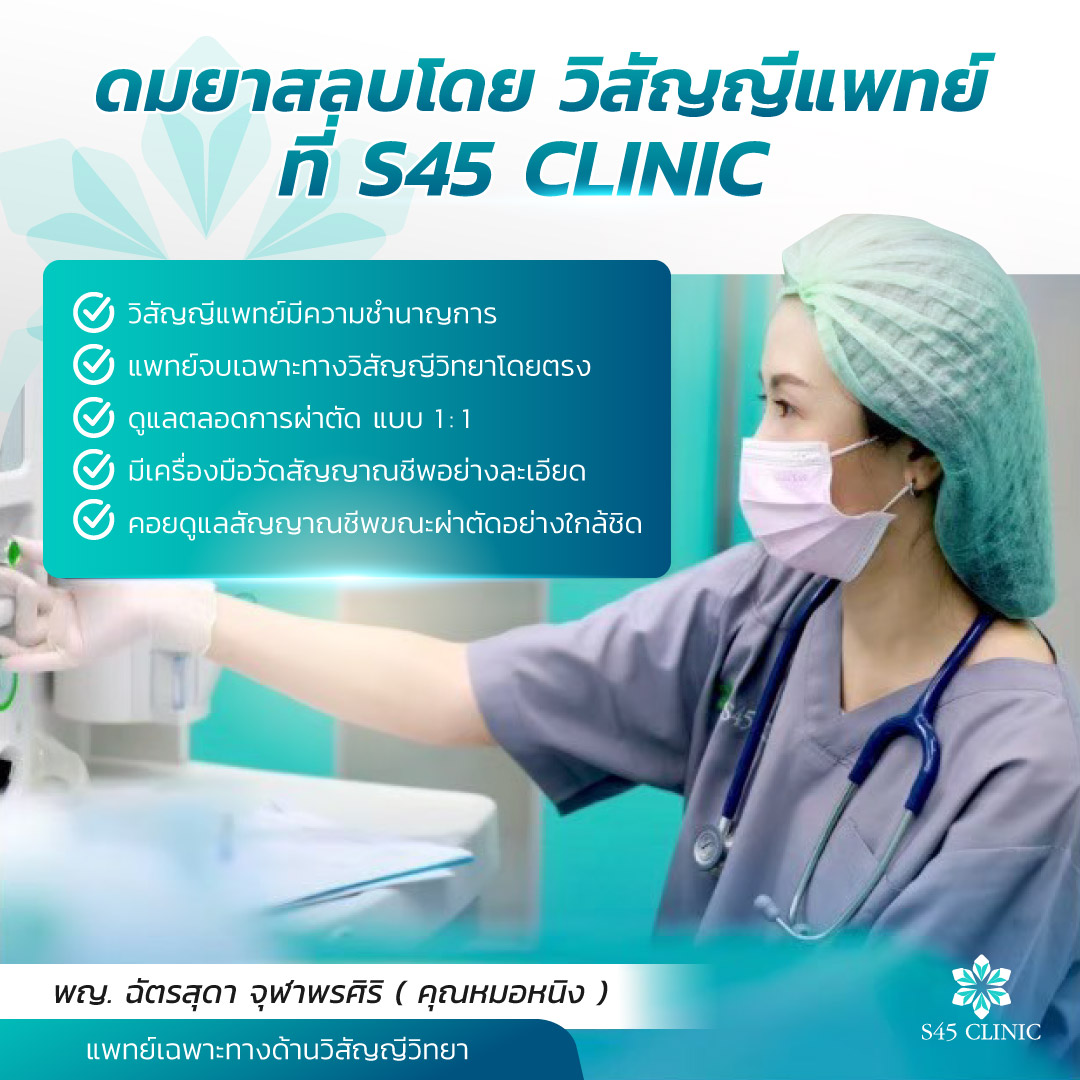
For rhinoplasty or structural nose surgery, the surgeon decides whether to use sedation or a general anaesthetic based on the technique and your health. Before surgery, please tell the anaesthetist about:
- any medical conditions you have
- medicines you take regularly
- smoking, alcohol use and any herbal remedies
- previous surgeries and any side effects you had after surgery
- the date of your last period, and whether you are or may be pregnant
- any loose teeth, so they can be protected during anaesthesia
How to Prepare for Rhinoplasty
After your consultation, once your treatment plan, cost estimate and surgery date are confirmed:
- tell your surgeon about any medical conditions or regular medicines so they can check you are fit for surgery
- do not eat or drink for at least 8 hours before surgery
- stop taking vitamins, supplements and alcohol
- do not wear make-up or nail polish
- do not wear contact lenses or any jewellery
- stop smoking, including e-cigarettes, for at least 2 weeks
- bring at least 1 companion and do not drive yourself
- take an RT-PCR COVID-19 test 3 days before surgery
7 Ways to Look After Yourself After Rhinoplasty
After rhinoplasty or structural nose surgery, swelling and bruising are common, as with any surgery, because the tissue has been injured. How much swelling and bruising you have depends on each person. To look after yourself:
- keep the wound dry until the stitches are removed, as a wet wound can become inflamed or infected
- avoid smoking and alcohol, as they can cause prolonged bleeding, damage cells, slow healing and increase the chance of infection
- use cold compresses during the first week to reduce pain and swelling, as cold narrows the blood vessels and helps stop bleeding
- after 7 days, switch to warm compresses to widen the blood vessels and improve circulation
- sleep with your head raised above heart level to reduce swelling and improve circulation
- take medicines and any supplements exactly as prescribed by your doctor
- after the stitches are removed, use scar gel as recommended by your doctor

Things to Prepare for After Rhinoplasty
- wound gel or scar gel
- cotton buds
- saline solution for cleaning the wound
- facial wipes or wet wipes
- cold gel pack
- neck pillow

Follow-Up Care Terms From the Date of Surgery
- Follow-up care covers complications arising from the surgery. It does not include the cost of additional materials, equipment or consumables used during the procedure, a change of surgeon at the patient’s request, or a change of surgical technique at the patient’s request.
- If the patient does not follow post-operative instructions, for example about diet, smoking or high-risk activities, and this leads to complications, the case is not covered under the follow-up care terms.
- If a patient who had rhinoplasty or nose reshaping at S45 Clinic chooses to have the nose revised at another clinic during the follow-up care period, the clinic’s follow-up care ends.
6 Ways to Support Recovery and Reduce Swelling After Rhinoplasty
- use cold compresses after surgery
- sleep with your head raised, using a neck pillow to keep your head from tilting to the side while you sleep
- eat and drink foods that may help reduce swelling, such as coconut water, pennywort juice and pumpkin
- avoid fermented and pickled foods, foods traditionally avoided after surgery in Thailand, seafood, strongly flavoured food, and raw or undercooked food
- do not remove the nasal splint before your scheduled appointment
- light therapy and vitamin treatment for swelling, as offered by the clinic
Why Choose S45 Clinic for Rhinoplasty
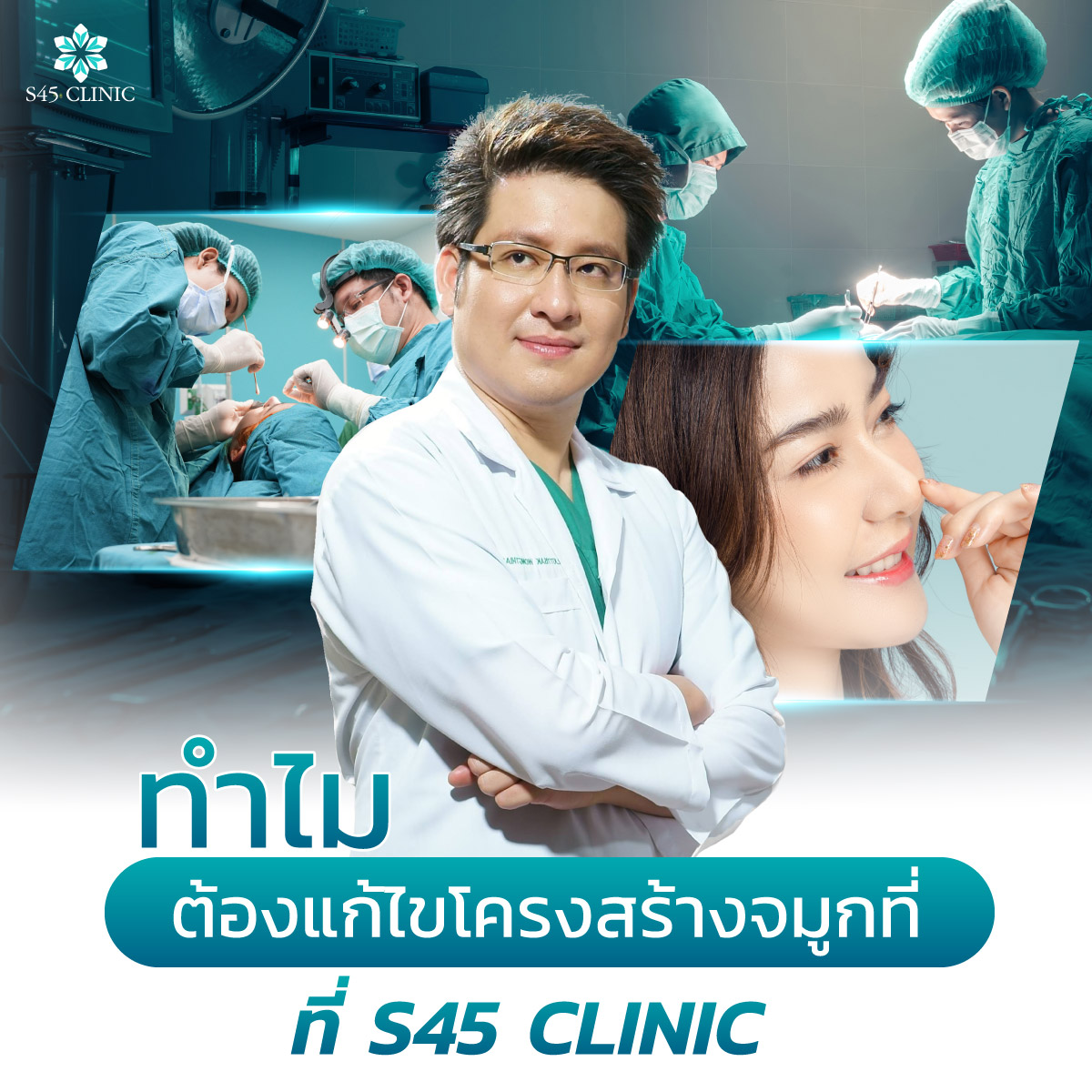
- At S45 Clinic, the operating surgeon assesses your nasal structure and plans the surgery to suit you.
- S45 Clinic places importance on its operating room, instruments and medical equipment, in line with medical facility standards.
- Silicone implants are shaped to fit each person’s nasal structure, based on the surgeon’s assessment and plan before the procedure.
- We provide 1 year of follow-up care after rhinoplasty for shifting, asymmetry or infection, under the clinic’s terms.