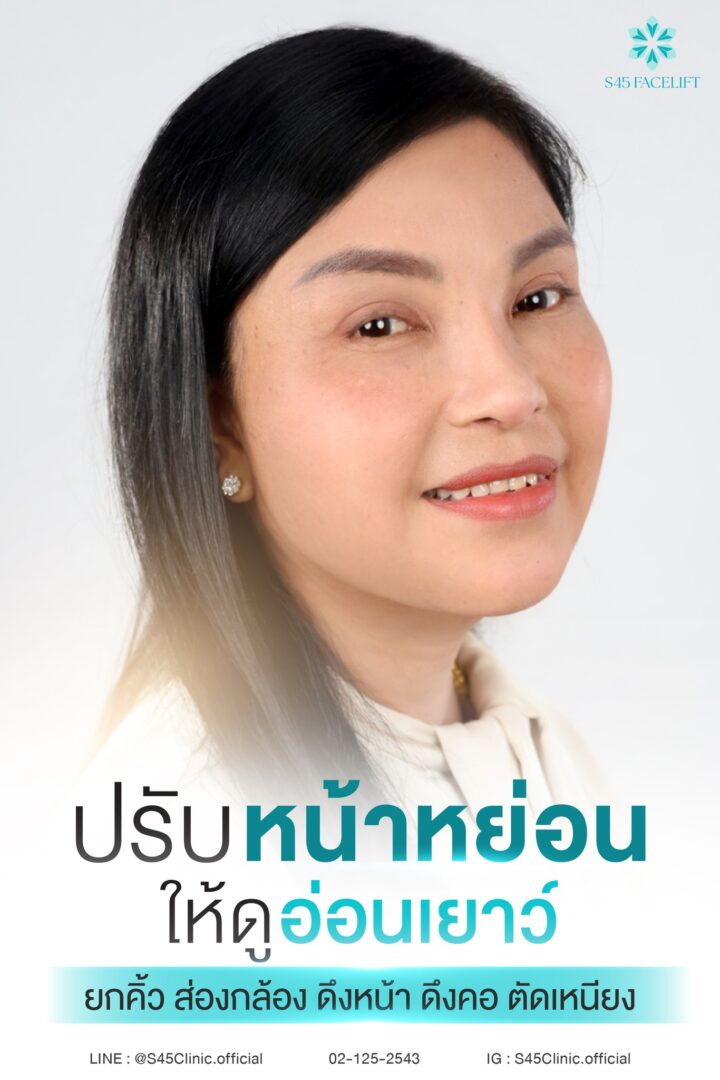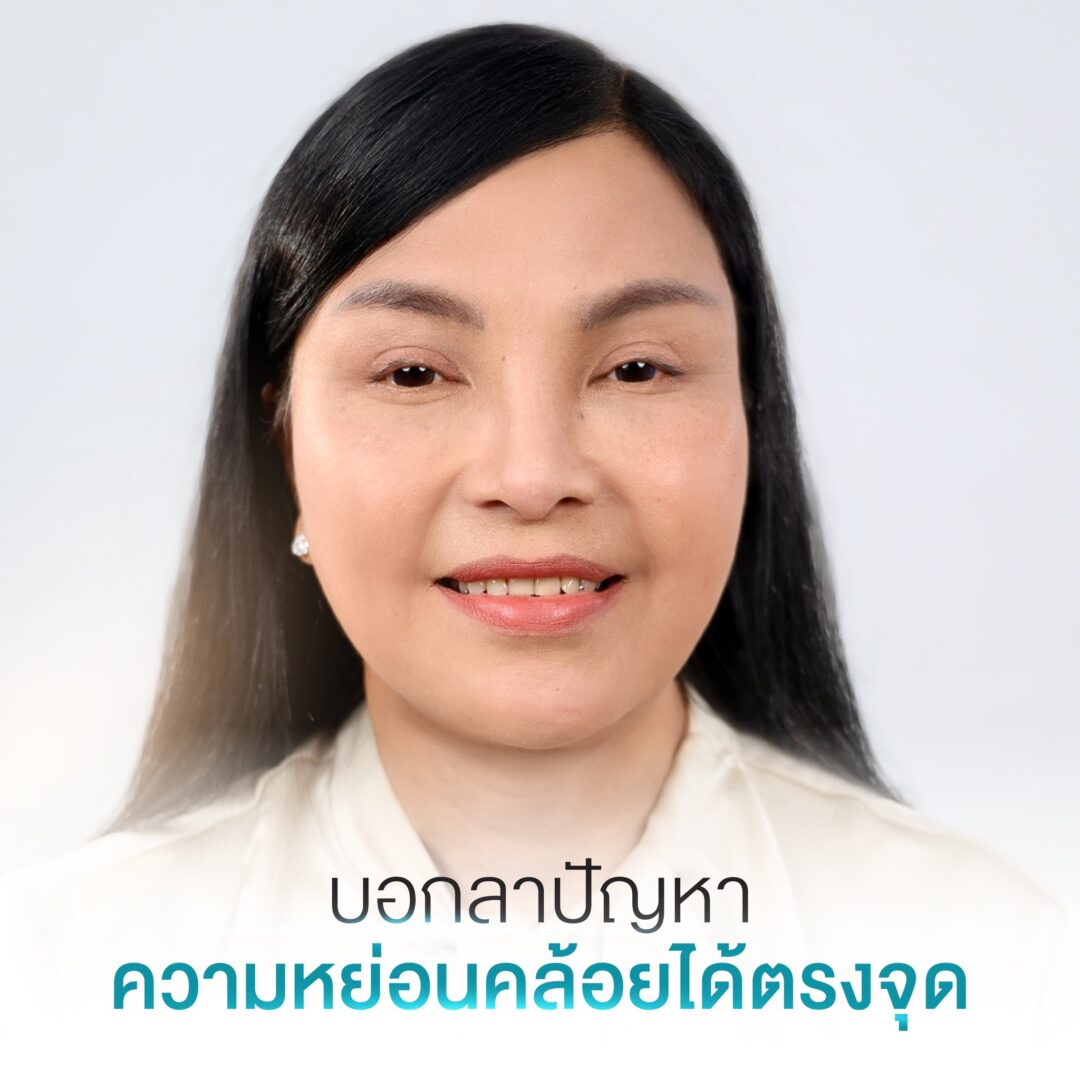

Why Consider a Facelift With Endotine
Endoscopic Surgery to Hold Facial Tissue in Place, With Small Incisions That May Reduce Discomfort in Some Cases
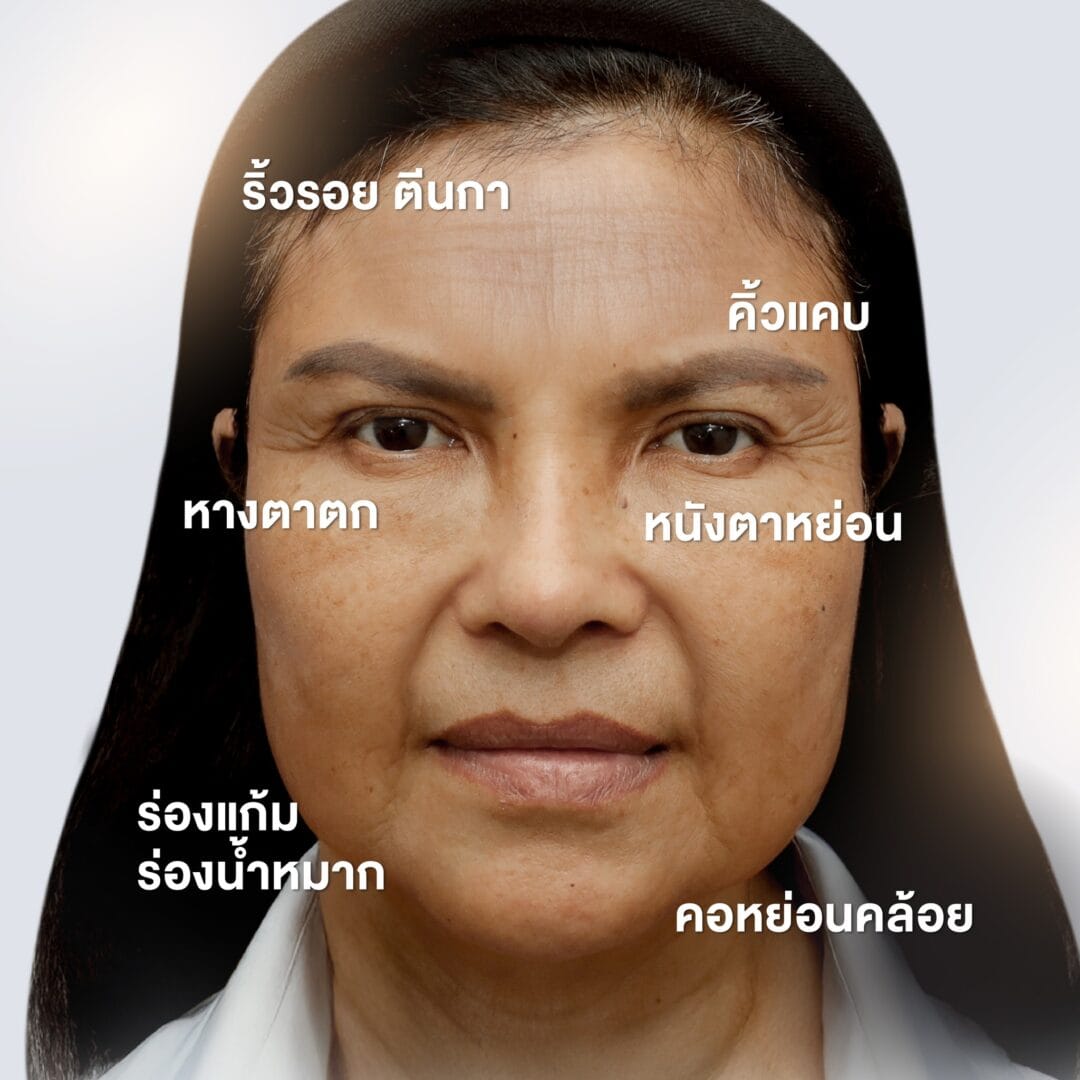
Ageing, sun exposure, pollution and dry skin can make the skin deteriorate quickly, with sagging, wrinkles and deep folds becoming clear. This can be a greater worry if you are still young but already have deep folds that affect your confidence. Sagging skin can make you look older than your age and less fresh than before. Drooping outer eye corners and brows can make the eyes look tired, and nasolabial folds, deep forehead lines and lines around the neck can make the skin look dull and tired.
What Is an Endotine Facelift?
Endotine is a medical device used to help lift tissue. It is made from PCL (polycaprolactone) and PLLA (poly-L-lactic acid). It is a small fixation device with several points that grip the tissue and spread the tension over a wide area to help lift it. Results are intended to be long-lasting, depending on each person. The surgeon lifts the skin and underlying tissue up towards the hairline and places an Endotine device at each point, spreading the effect over a wide area.
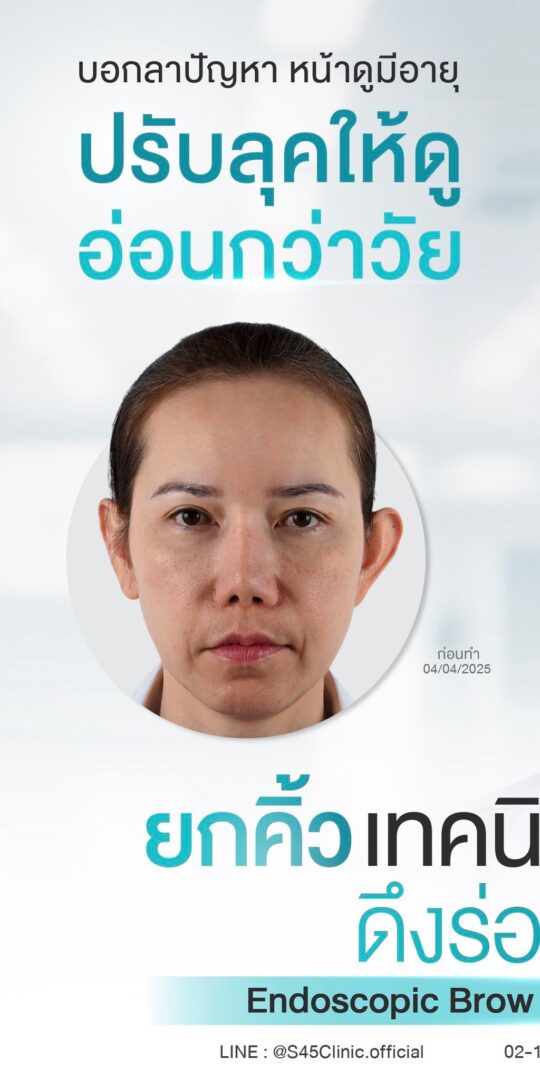
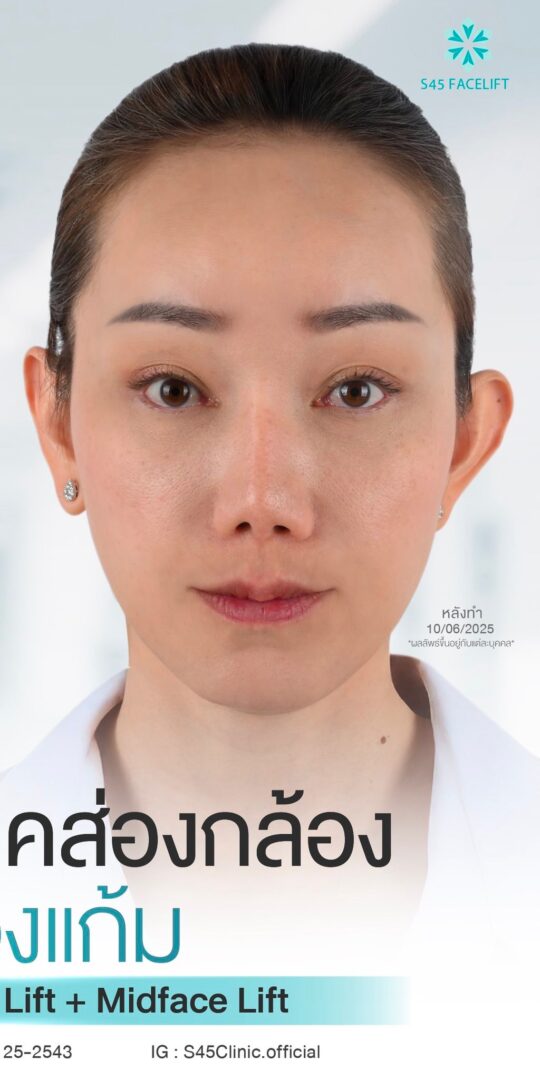
At S45 Clinic, Endotine is placed using an endoscope. The surgery takes 2 to 3 hours under general anaesthetic given by an anaesthetist. The small incisions are hidden behind the hairline, which may reduce discomfort in some cases, and recovery does not usually take long. The technique aims to lower the chance of side effects and injury to tissue and nerves. After the Endotine device is placed, it is designed to dissolve gradually on its own within 6 to 12 months without leaving residue, and the tissue then stays attached in its new position.

Types of Endotine Procedure
1. Endotine Ribbon Face Lift
Endotine Ribbon facelift has long, ribbon-like arms that lift tissue in different areas of the face, cheeks and neck. It may suit:
- people with sagging of the face, cheeks and neck, or a jawline that lacks definition
- people who want a lift for a more youthful look
- a lift of around 40% to 50% in sagging, depending on each person
2. Endotine ForeheadLift
Endotine Forehead lift is a triangular plate that holds tissue in the forehead and outer eye corner area. It may suit:
- people with forehead lines or a sagging forehead
- people who want a lift to soften lines and deep folds
3. Endotine Transbleph
A triangular plate that holds tissue in the brow and outer eye corner area, lifting it to soften lines and deep folds. It may suit:
- people with drooping or tired-looking eyes, drooping or uneven brows, or concerns about forehead lines
- people who want their eyes to look more open
- people who want a more visible eyelid crease, as it can help lift hooded upper eyelids
- people who often wrinkle their forehead or frown
Soften lines and lift the skin for a fresher look
and help stimulate collagen in the skin


Lifting Sagging Skin in 4 Areas
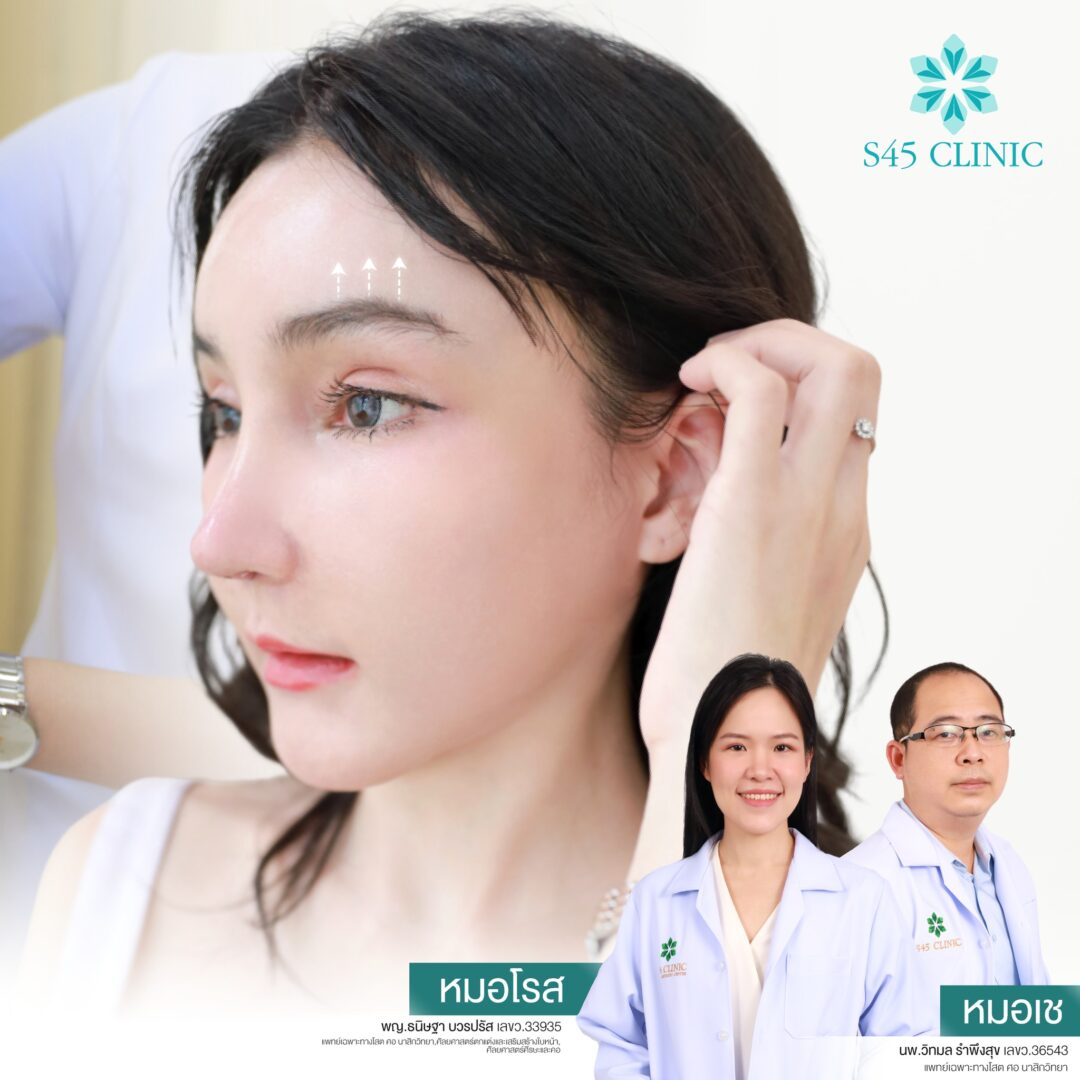
- FOREHEAD softens forehead lines and frown lines between the brows, and lifts drooping brows. The device is fixed to the forehead bone at the hairline using an endoscope, through small incisions hidden in the hairline.
- TRANSBLEPH lifts the outer eye corners so the eyes look more open and bright, and lifts the brow tails for a more youthful look, using the Endotine Forehead device placed at the brow bone. It can be combined with double eyelid surgery.
- The devices come in 2 heights, 3.0mm and 3.5mm. No more than 5 are used: 1 on the left, 1 on the right and 3 in the middle.
- MID FACE addresses nasolabial folds, drooping mouth corners and marionette lines. It may suit people with sagging, flat or poorly shaped cheeks, visible under-eye bags or hollows that make the face look tired, and deep lines around the nasolabial folds and mouth corners.
- RIBBON softens lines around the neck and loose skin under the chin, and gives a more defined jawline. It uses the Endotine Ribbon facelift, with incisions in front of and behind the ears, and Endotine devices hold the SMAS layer (the muscle and connective tissue layer under the skin) to lift the face, define the jawline and reduce layered loose skin under the chin for a V-shaped face.
Endotine facial lifting covers the forehead, neck, upper lip, the area around the eyes and the brows, with the tissue held in place at the hairline, so the incisions are hidden. After treatment you may get swelling, bruising and numbness, which usually improve within 7 to 14 days. Results improve gradually over 1 to 2 months. It is suitable for people aged 35 and over, depending on your concerns, your expectations and your surgeon’s assessment.
Endotine Case Reviews at S45 Clinic
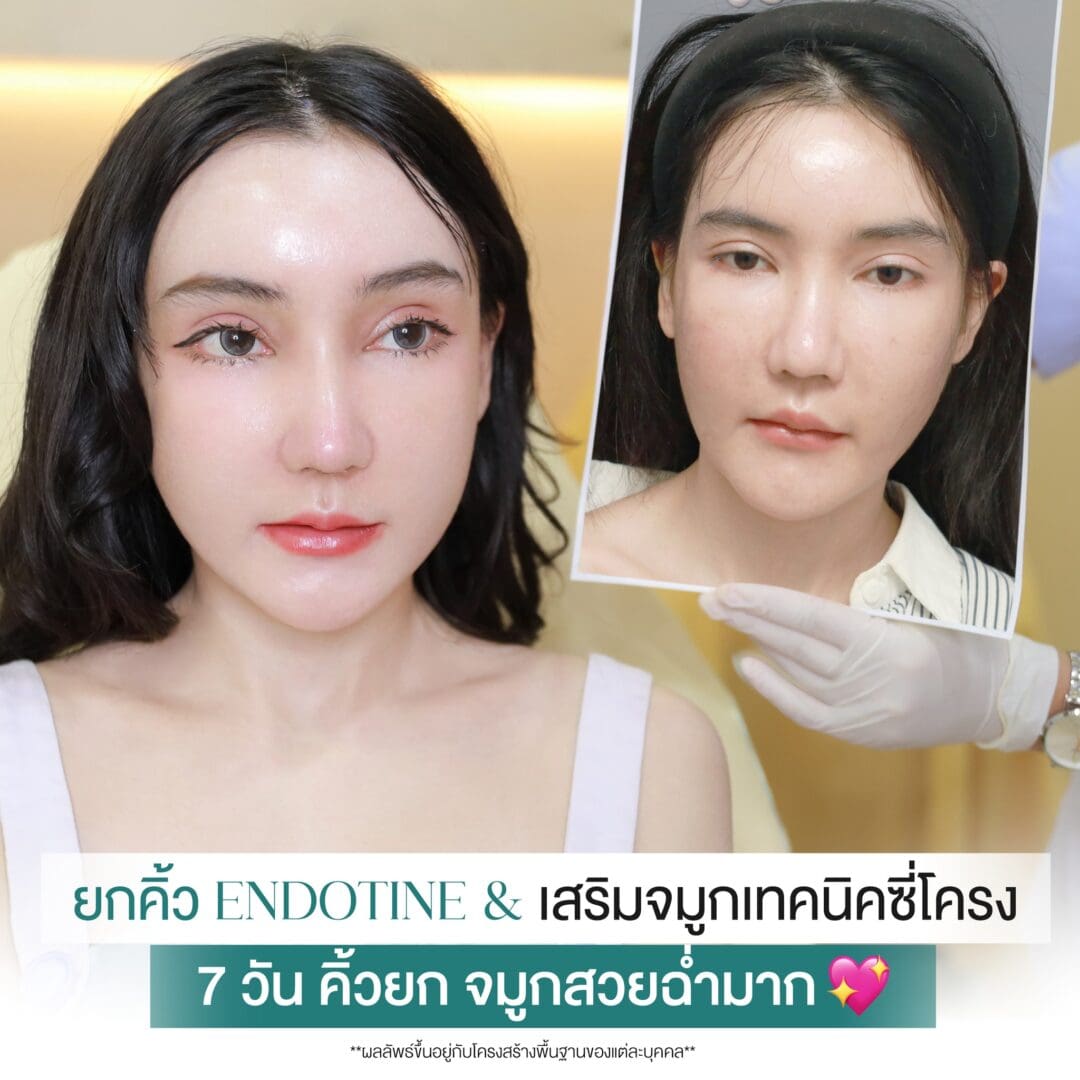


Before Endotine Surgery
- Tell your surgeon about any medical conditions, drug allergies and supplements, and any medicines and vitamins you take regularly.
- Tell your surgeon about any previous surgery and liquid injections in full detail, to help with diagnosis and treatment.
- Stop medicines and supplements that affect blood clotting, such as vitamin C, vitamin E, aspirin and fish oil, as they can increase bleeding during surgery. Stop them at least 2 weeks before surgery.
- Shower and wash your hair before surgery. *After surgery, do not wash your hair for at least 3 to 10 days, to keep the wound dry and prevent infection.
- Cut your nails short and remove nail polish to help prevent infection. Do not wear make-up or contact lenses on the day of surgery.
- Do not eat or drink for at least 8 hours before surgery, and follow this strictly. This prevents choking and vomiting, which can be dangerous during surgery.
- Tell your surgeon beforehand if you have a condition such as heart disease, high blood pressure, diabetes, kidney disease or lung disease.
**Advice: talk to your surgeon clearly about the results you want and the surgical technique, so the plan matches what you want.**
Endotine Surgery Steps
- The surgeon assesses you and explains the surgical approach and what is possible before you go into the operating theatre.
- Your face is cleaned, and an experienced anaesthetist then gives you a general anaesthetic.
- The surgeon makes incisions no longer than 3cm behind the hairline and inserts an endoscope (a thin camera). This helps the surgeon assess positions in more detail, within standards of care. The incisions are small, and recovery time depends on each person.
- The surgeon separates the tissue down to the fascia, the deep layer attached to the tissue covering the bone, away from the skull, then places the Endotine device to hook, lift and hold the sagging muscle in place.
- The incisions are closed with staples and hidden in the hairline, to lower the chance of visible scarring later.
After Endotine Surgery
- Use cold compresses on the treated area regularly for 3 to 7 days after surgery to help stop bleeding and reduce swelling.
- A drain is placed to remove blood and the area is bandaged for the first 1 to 3 days. After 3 days, you return to the clinic to change the bandage and wear it for another 7 days. Stitches are removed after 7 to 14 days (depending on your surgeon’s assessment). You can use cosmetics or make-up once the stitches are out and the wound is dry.
- Avoid sun and heat for at least 3 months.
- Your face will be swollen and bruised for about the first 1 to 2 weeks, and the swelling usually goes down within 2 to 3 weeks. You can wash your face and hair as normal after the stitches are removed.
- Take all the medicine your surgeon prescribes. Once you have finished it, do not buy medicine yourself, and attend your follow-up appointments.** (This lets your surgeon spot any problems early.)
- In the first period after surgery, avoid chewing and moving your face, and avoid strongly flavoured food.
- Eat a healthy diet. Avoid foods traditionally avoided after surgery in Thailand, pickled and fermented foods, raw or undercooked food, strongly flavoured food, seafood and salty food that may cause swelling, as well as alcohol, for at least 1 month.
- During the first 2 to 4 weeks, the final shape of your face cannot yet be judged. It usually takes about 3 to 6 months, depending on each person, for the treated area to settle. “We recommend not checking the mirror to judge the result, as this can cause too much stress and worry.”
- If you have ongoing unusual symptoms such as pain, swelling or redness, contact the clinic as soon as possible and book an appointment with your surgeon for a check-up.
- Get enough rest, as this helps the wound heal.
**Attend every follow-up appointment after surgery.** Taking good care of yourself after surgery is also an important factor in helping treatment go smoothly, helping the wound heal and lowering the chance of infection.
Anyone interested in Endotine, lifting, facelift or neck lift should research carefully and choose an experienced surgeon you can trust