Nasal Septum and How It Affects Rhinoplasty
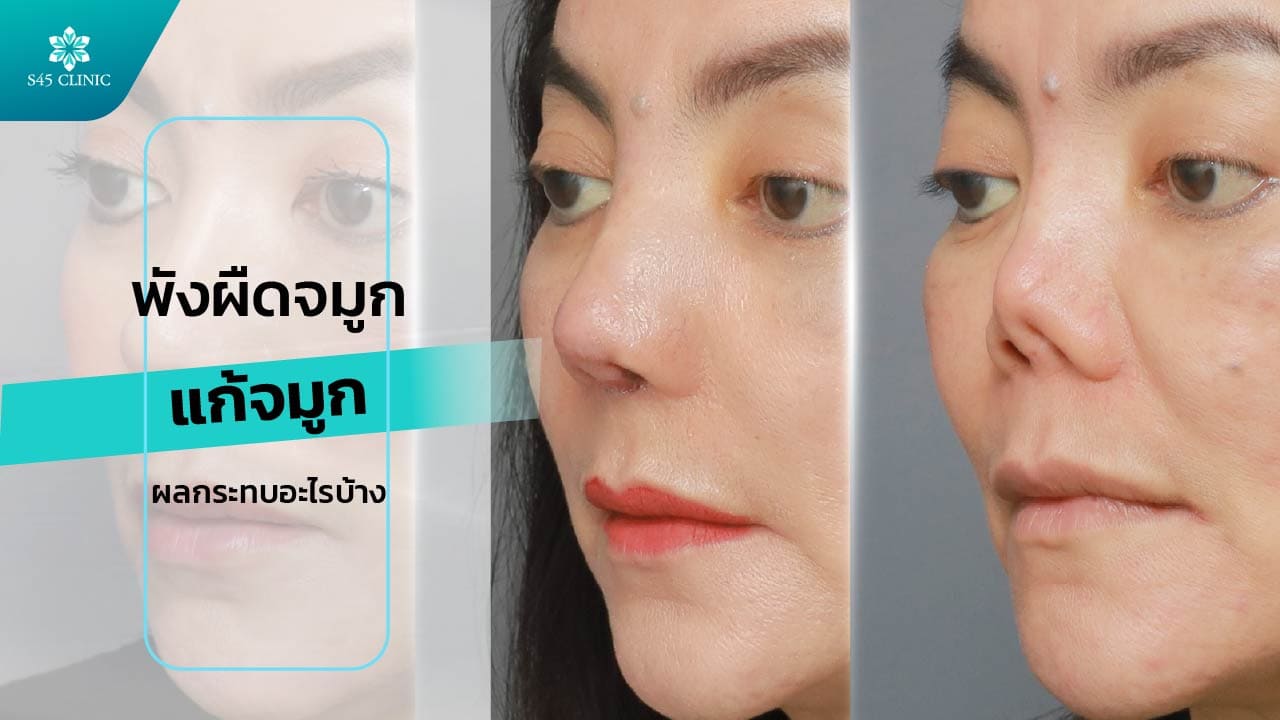
The nasal septum is the cartilage and tissue that divides the nose into 2 sides, acting as the central wall of the nasal cavity. Normally, the septum should sit in the middle so air can flow equally through both sides of the nose.
Many people have a deviated nasal septum, which means the septum leans or bends to one side, making one nasal passage narrower than the other and affecting breathing and the shape of the nose.
The nasal septum has 3 parts:
- the bony septum, at the top and back, made of hard bone
- the cartilaginous septum, at the front and bottom, which gives flexibility
- the mucosa, the lining that covers both sides of the septum
These 3 parts work together so the nose keeps its shape and works effectively.
Causes of a Deviated Septum
1. Deviated Septum From Birth (Congenital)
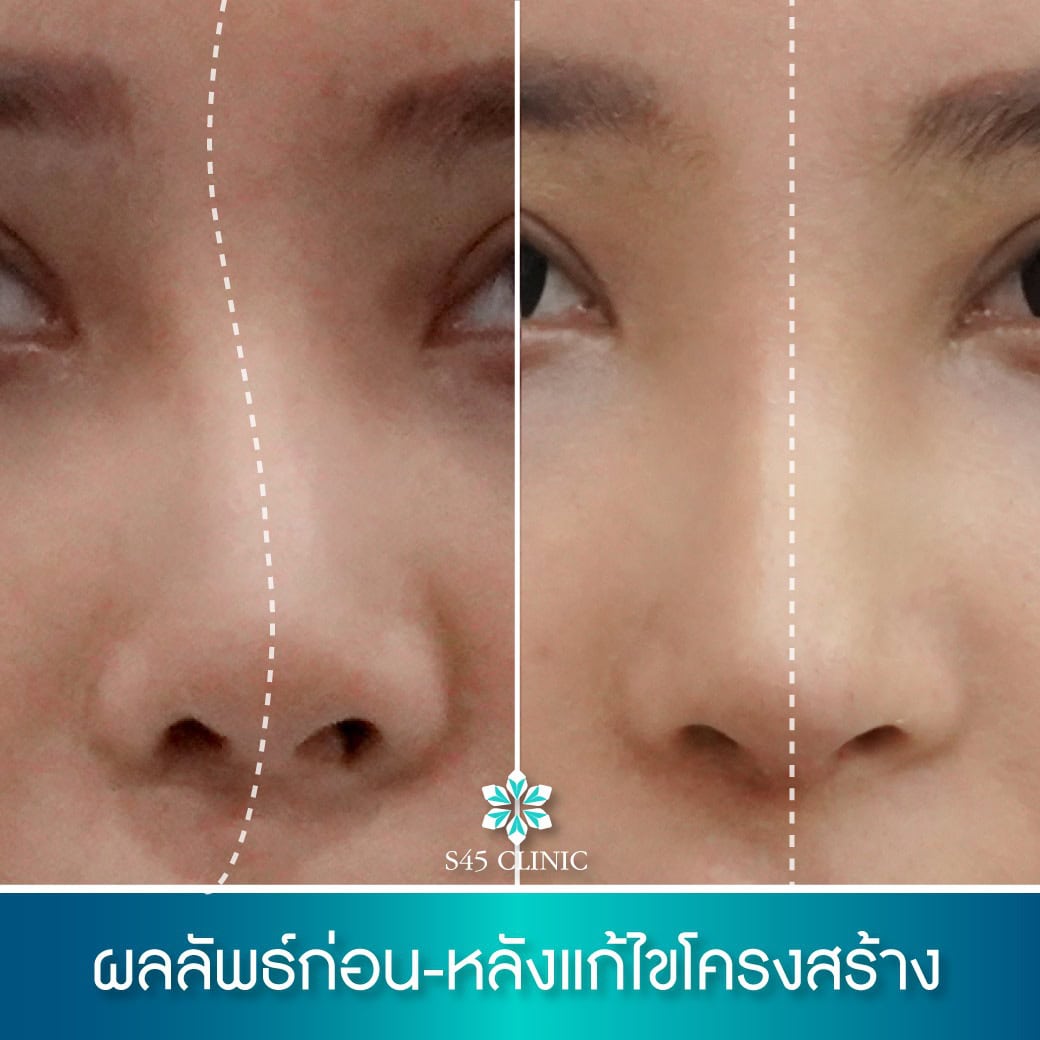
About 20% to 30% of people are born with a septum that is not straight. Possible causes include:
- the septum may grow unevenly in the womb, possibly due to genetic factors or incomplete development
- pressure during vaginal birth, especially a difficult delivery or one using instruments, may cause a deviated septum
- genetics, as a child has a higher chance of the same problem if a parent has a deviated septum
2. Injury or Accident (Trauma)
- a blow to the nose, such as from sports, car accidents, fights or falls, and even a minor injury in childhood can have effects in adulthood
- repeated injury, such as in boxers, rugby players or people whose noses are often hit, carries a high risk of a deviated septum
- a broken nose, which often moves the septum out of position too, and without proper treatment the effect can be lasting
3. Uneven Growth
- growth of bone and cartilage in childhood and adolescence, as the septum may bend if its bone and cartilage grow unevenly
- abnormal facial structure, such as an asymmetrical jaw, which may affect the position of the septum
4. Health Conditions and Illnesses
- tumours or cysts in the nose, which may push the septum to one side
- connective tissue disorders, such as Marfan syndrome, which may affect the structure of the septum
- some medicines, as using steroid injections in the nose too often may affect the septum
5. Previous Rhinoplasty
- rhinoplasty or revision rhinoplasty that does not take the septum into account may move it out of position
- complications after surgery, such as infection or poor wound healing, may affect the septum
Common Symptoms
1. Breathing Problems
- difficulty breathing through one or both sides
- a blocked feeling when breathing, especially when sleeping
- often needing to breathe through the mouth
- symptoms get worse with a cold
2. Complications
- snoring, because the airway is narrower
- sleep apnoea (pauses in breathing during sleep), which can be life-threatening
- dry mouth and throat from breathing through the mouth too much
- chronic headaches from not breathing fully
3. Repeated Infections
- chronic sinusitis, because mucus does not drain well
- frequent colds, as immunity in the nasal cavity is lower
- nasal polyps, where chronic inflammation causes extra tissue growth
4. Nose Shape Problems
- a crooked nose that is visible from the outside
- one side of the nose sticks out more than the other
- an unbalanced nose that affects confidence
5. Other Symptoms
- noisy breathing
- a dry nose and frequent nosebleeds from uneven airflow
- discomfort and difficulty breathing, especially during exercise
Severity of a Deviated Septum
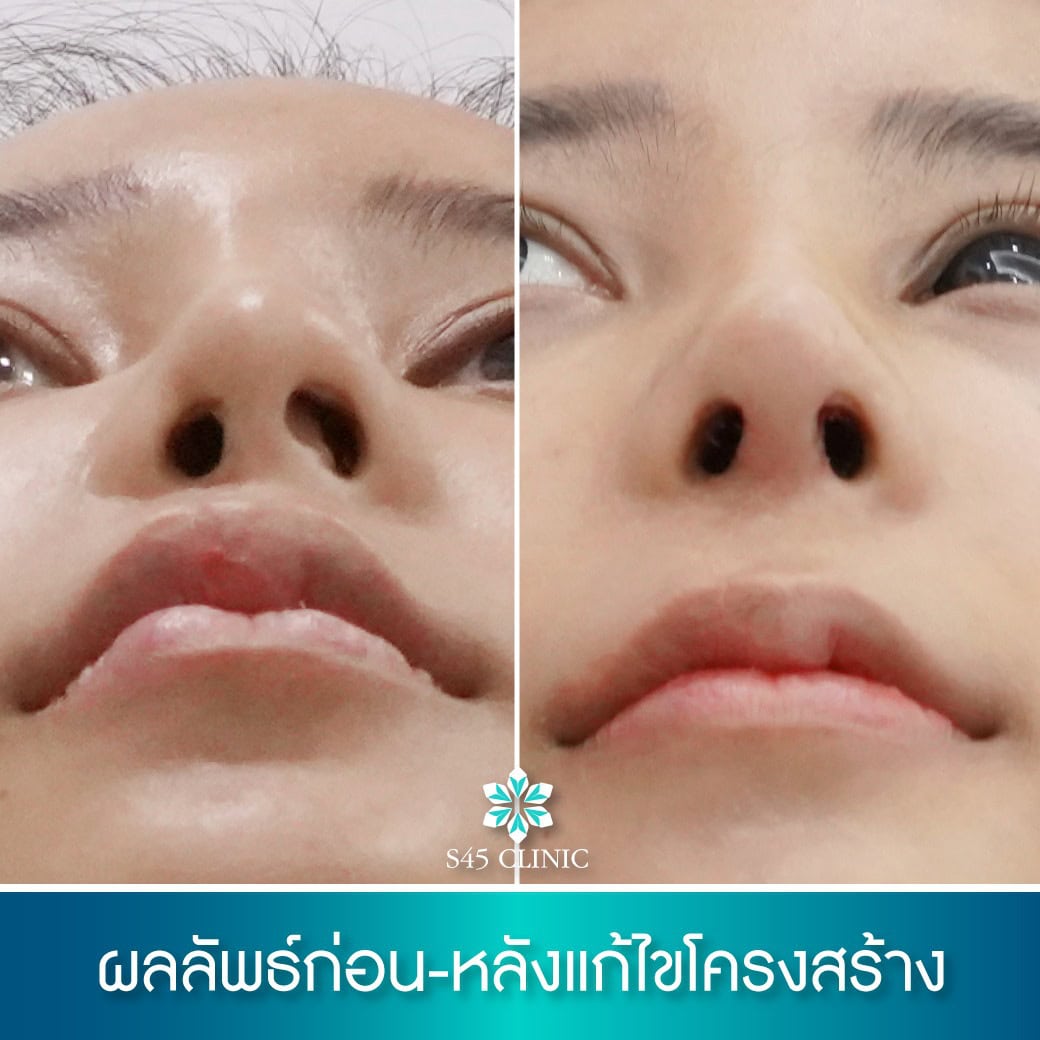
- grade 1, the septum leans slightly, with no symptoms or very mild symptoms
- grade 2, the septum leans moderately, with occasional difficulty breathing, especially with a cold
- grade 3, the septum leans a lot, with difficulty breathing almost all the time, affecting quality of life
- grade 4, the septum almost completely blocks one nasal passage, with serious effects on breathing and health
How the Septum Affects Rhinoplasty

1. Limits on Rhinoplasty
- Nose filler injections: if the septum is very deviated, filler injections may make the nose look more crooked and cannot correct the internal structure, more may need to be injected than usual to balance it, and the result may not be as symmetrical as expected
- Nose thread lift: lifts only the outer skin and does not correct the internal structure, so if the septum is very deviated the result may not look good, and the threads may shift because the structure is not symmetrical
- Silicone rhinoplasty: if the septum is not corrected first, the nose may bend or look crooked, the silicone implant may push the septum further out of line, and the implant may shift or tilt
Rhinoplasty with your own cartilage suits correction of a deviated septum, because the septum can be corrected and the nose augmented in one surgery, with a long-lasting result.

2. Risks and Complications
- a crooked nose, because when rhinoplasty is done without correcting the septum, the implant may tilt with the deviated septum and the nose may look crooked or asymmetrical, which is difficult to correct and may need another operation
- worse breathing, as rhinoplasty may narrow the nasal passage further and make breathing harder than before
- infection, as the abnormal structure means mucus does not drain well, raising the risk of infection, and if infection occurs the rhinoplasty implant may need to be removed
- rhinoplasty implant shifting, as a deviated septum does not support the implant well, so it may shift, and revision surgery may be needed if the result is not as expected
3. Advice From Surgeons
Mild Deviation
- rhinoplasty can be done as usual
- the surgeon adjusts the technique to suit
- the implant may need to be placed slightly off-centre so the nose looks straight
Moderate to Severe Deviation
- correcting the septum before rhinoplasty is recommended
- or both can be done together in one surgery
- which helps give a good result
If You Also Have Breathing Problems
- the septum should be corrected first
- for your health and quality of life
- then rhinoplasty can be considered later
Surgery to Correct a Deviated Septum (Septoplasty)
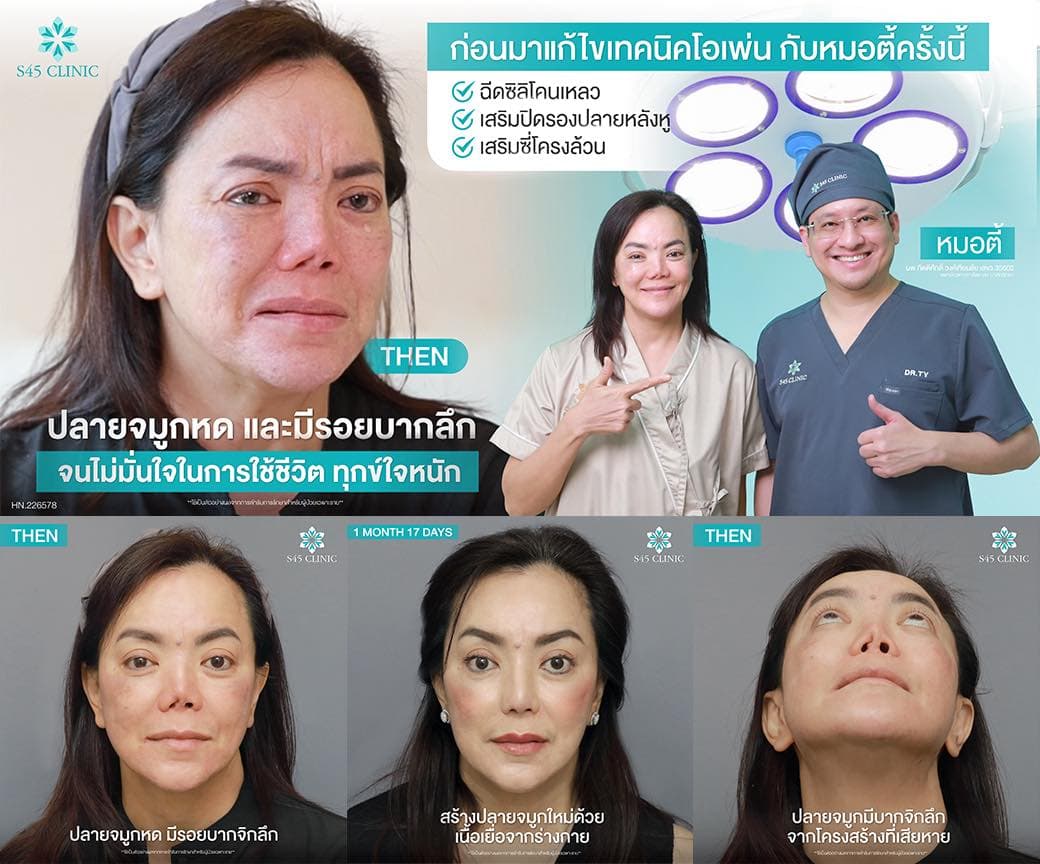
Septoplasty is surgery to correct a deviated septum by repositioning it or removing excess parts, so the septum sits in the middle and both nasal passages are equally open.
- addresses the cause directly
- a long-term result
- no incision on the outside of the nose
- can help you breathe more easily
Recovery takes 1 to 2 weeks. You may have swelling and bruising at first, and your nose will be packed, which makes breathing uncomfortable, for at least 3 to 7 days.
Septum Correction With Nose Reshaping (Septorhinoplasty)
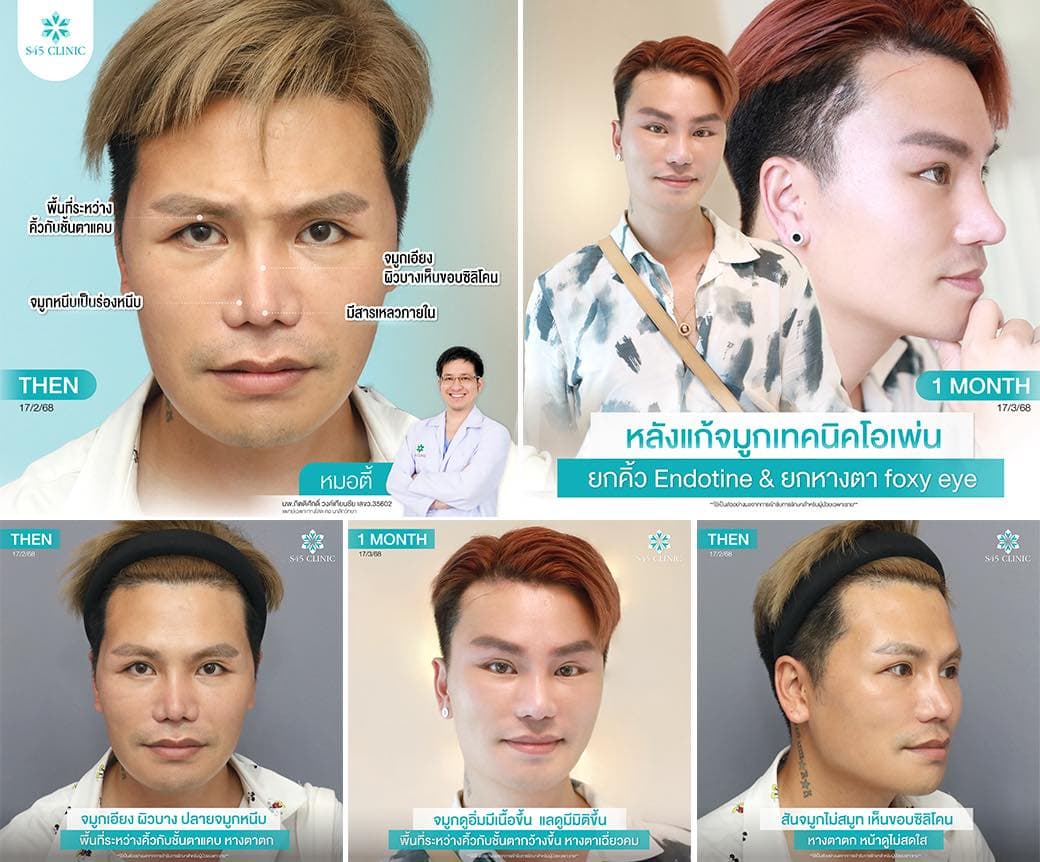
Septorhinoplasty combines septoplasty (septum correction) and rhinoplasty (reshaping the outside of the nose). It suits people who have a deviated septum and also want to change the shape of their nose.
Who it suits:
- people with a deviated septum and a crooked nose
- people who want to improve both breathing and appearance
- people with a severely deviated septum who want rhinoplasty
Septum correction with nose reshaping addresses internal and external problems together in one surgery, improving both shape and breathing, but the operation takes longer (2 to 4 hours).
Frequently Asked Questions
Is a Deviated Septum Dangerous
A deviated septum is not considered life-threatening, but it may affect quality of life. If you have severe difficulty breathing or sleep apnoea, see a doctor for treatment.
Can I Check My Septum Myself
You can do a basic check by shining a torch into your nose or noticing which side is harder to breathe through, but a definite diagnosis needs a doctor’s examination.
Is Septum Surgery Very Painful
During surgery you are under a general anaesthetic. After surgery you may feel discomfort and swelling, but this can be controlled with painkillers, and for most people it is manageable.
How Long Does the Nose Need to Be Packed After Surgery
Packing usually stays in for 3 to 7 days, depending on the surgical technique. Some clinics use silicone splints instead of gauze so you can breathe a little.
Will My Nose Shape Change After Septum Surgery
Standard septoplasty does not change the outer shape of the nose because it is done only from the inside. With septorhinoplasty, the shape changes as planned.
Can the Septum Bend Again After Surgery
The chance is low when the surgery is done by an experienced surgeon, and the result usually lasts in the long term, but another injury to the nose may make it bend again.
If I Have No Symptoms, Do I Need Surgery
No. If you have no bothersome symptoms and do not want rhinoplasty, treatment is not needed.
Note: Repeat nose surgery, which many people know as ‘nose reshaping’, is surgery for people who have had nose surgery before and need a further assessment by a surgeon. The approach to care depends on the original problem, the nose structure and the surgeon’s judgement in each case.