Septal Extension Graft for Complex Revision Rhinoplasty
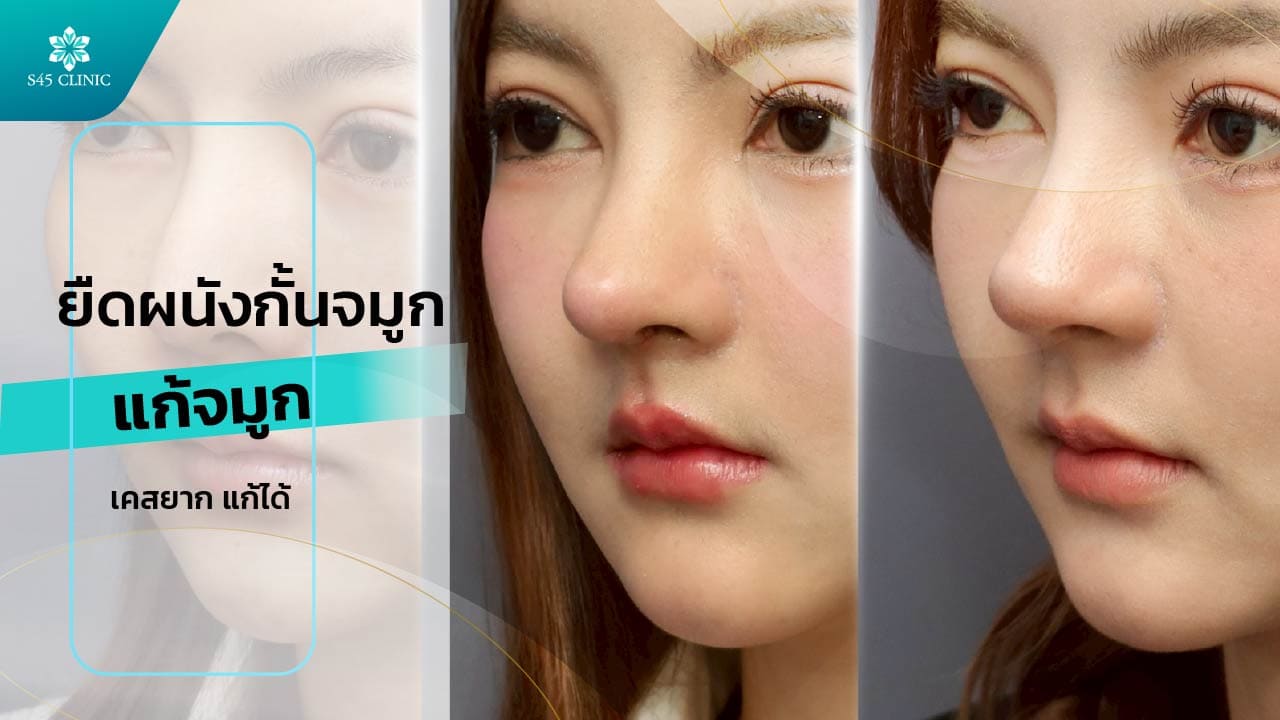
Nobody wants to need revision rhinoplasty after having rhinoplasty, especially people with a complex nose structure, several unsuccessful previous operations or a deviated septum.
Septal Extension Graft for Complex Nose Cases
The nasal septum is the wall that divides the nasal cavity into 2 sides. It is made up of septal cartilage at the front and bone (the vomer and perpendicular plate) at the back. The septum:
- is the main structure that supports the nose
- divides the nasal cavity so breathing is easy
- keeps the facial structure balanced
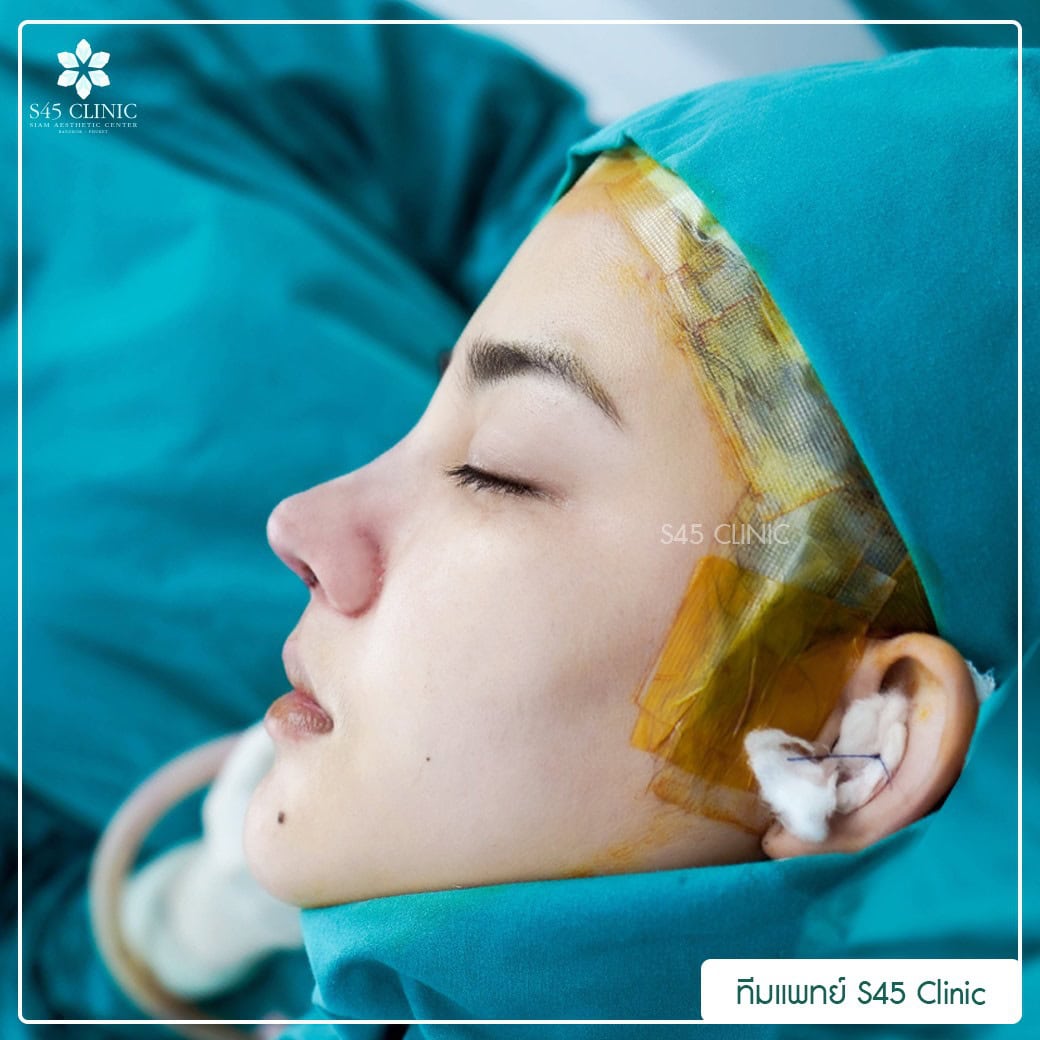
Common Problems
- deviated septum
- a septum too short to allow augmentation
- weak cartilage that is not strong enough to support the nose shape
- cartilage used up or not enough left after previous surgery
- an asymmetrical nose structure causing a tilted nose, uneven nostrils and similar problems
What Is a Septal Extension Graft
A septal extension graft (SEG) uses cartilage to extend the existing septum forwards, creating a new, stronger and longer structure. It involves:

- taking cartilage from the septum, ear cartilage or rib cartilage
- joining it to the existing septum using the surgeon’s technique
- extending it forwards to create a new tip structure, lifting and projecting the tip and adding definition to the face
- adjusting the direction, height and angle of the nose
- creating a strong base for the nose shape
Types of Septal Extension
- extending forwards and downwards, suited to lifting the tip
- extending upwards to add height to the bridge
- extending while widening the side walls to correct a narrowed nose
- the surgeon assesses each case and may need to combine several techniques in complex cases with structural or other problems
Complex Nose Cases That Need a Septal Extension Graft
1. Short Nose With a Blunt Tip
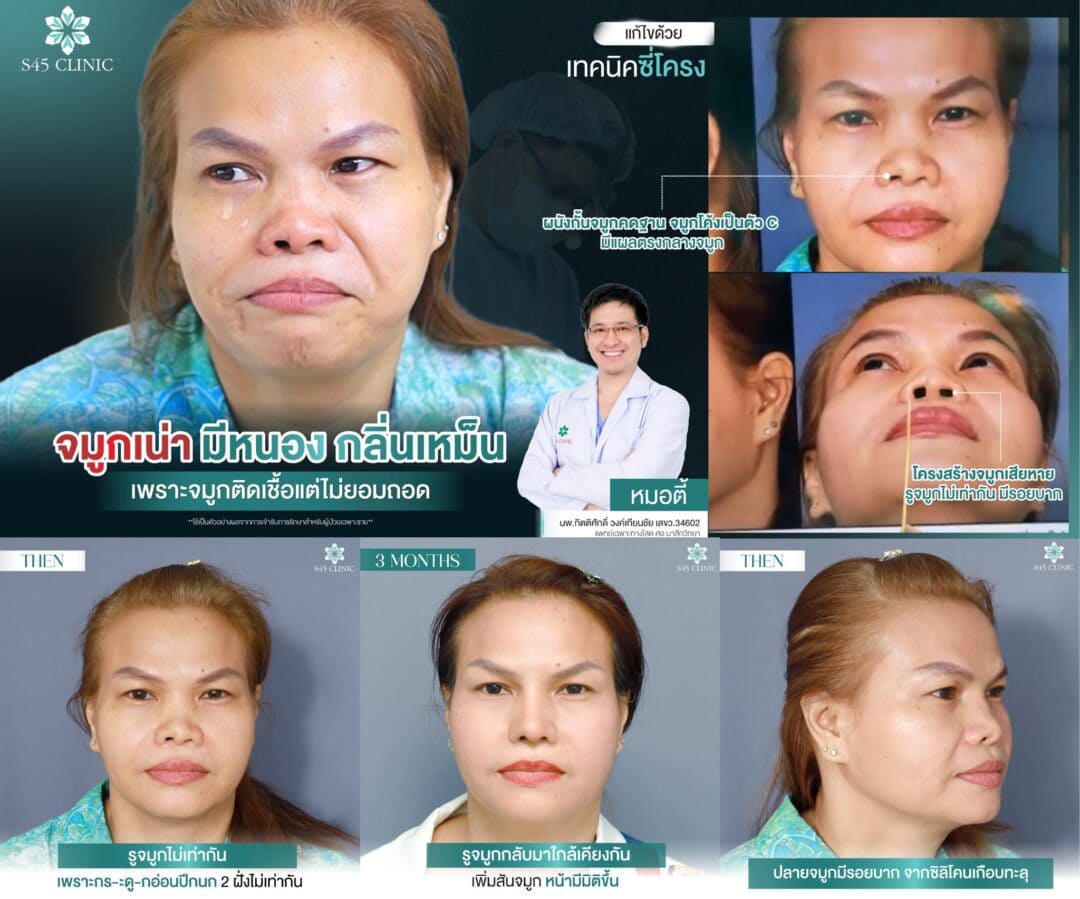
- a short nose from birth
- a short septum with no structure to support the tip
- a blunt, round tip that lacks definition
- a tall silicone implant cannot be used because there is no supporting framework
Revision Rhinoplasty With Septal Extension
- the septum is extended forwards
- a high, well-defined tip structure is created
- the angle of the nose is adjusted
- the nose can be made longer
2. Crooked Nose
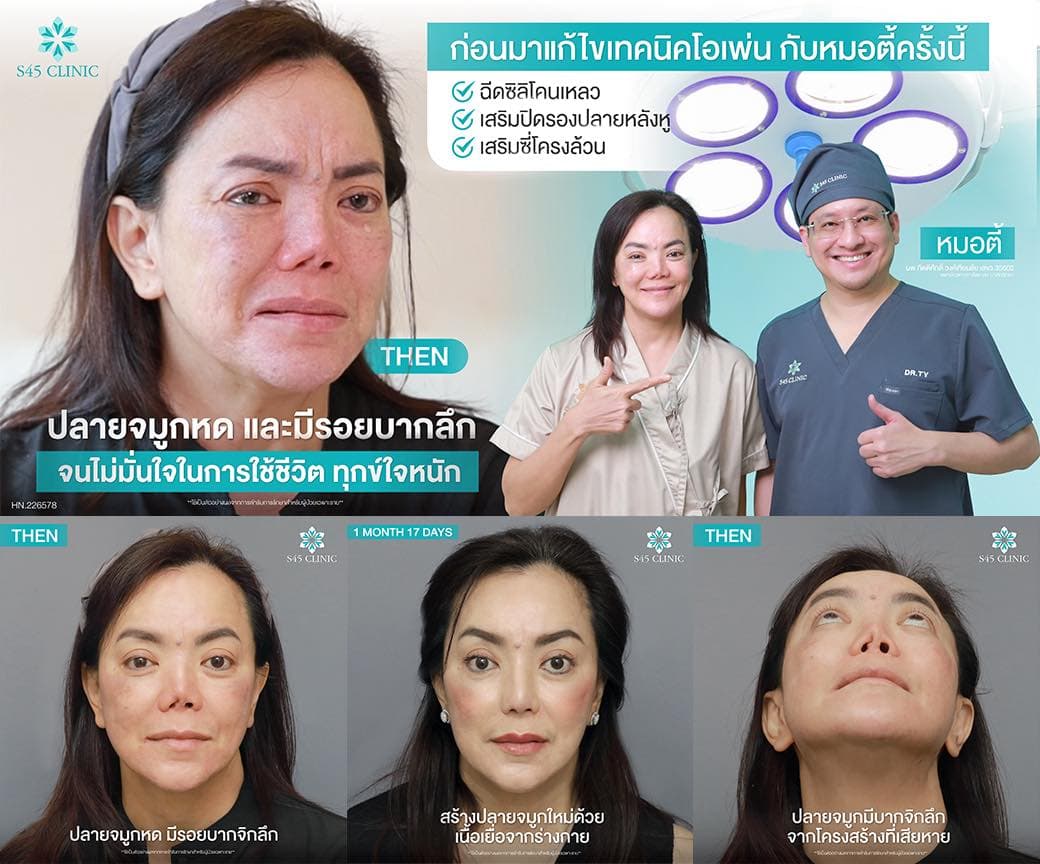
- a septum that has been deviated since birth
- injury from an accident or sport
- unsuccessful previous revision rhinoplasty
- uneven bone growth
How It Is Corrected
- removing the bent part and straightening it
- extending the septum again in a straight line
- using cartilage to add support on the sides
- creating a symmetrical, strong structure
3. Several Previous Revision Rhinoplasties

- so much cartilage has been removed that little is left
- a weak structure, with the nose collapsing again and again
- a lot of internal scarring
- a silicone implant that tilts, shifts or shows through
Revision Rhinoplasty With Septal Extension After Several Operations
- a new, strong structure is created
- no reliance on silicone alone
- addresses several aspects of the problem
- lowers the chance of another failure
4. Collapsed Nose

- caused by injury, infection or certain medicines
- a weak or missing septum, with parts lost
- difficulty breathing
Treatment
- extending the septum and augmenting the bridge at the same time
- using rib cartilage to build a new framework
- addressing both appearance and function
- restoring the nose to a more usual shape
5. Low, Drooping Nasal Tip

- ageing, with sagging tissue
- weak cartilage that does not support the tip
- previous surgery that damaged the structure
- genetics or injury
How It Is Corrected
- extending the septum and lifting the tip
- adjusting the angle between the nose and upper lip to a suitable level
- adding strength with an alar strut graft
6. Flat Nose With No Bridge

- a flat nose linked to ethnicity
- no clearly defined bridge structure
- wanting a lot of height but lacking a framework to support the shape
- a silicone implant alone is not enough
Reshaping a Flat Nose With No Bridge
- extending the septum to create height
- using rib cartilage to build the bridge
- sculpting the tip for definition
- a strong result
Benefits of a Septal Extension Graft
- creates a strong, stable foundation
- gives good control over direction and shape
- addresses several aspects of the problem, with a structure intended to last in the long term
- a nose shape that suits your face
- allows detailed adjustment, with proportions that blend with the face
- can address breathing problems at the same time, helping you breathe more easily
- may reduce chronic nasal congestion, allergy and sinus symptoms (depending on the doctor’s diagnosis and any other treatment)
- helps lower the chance of complications from an abnormal structure, and your own tissue has a low chance of rejection or allergy and a lower risk of infection
- suits people who are allergic to implant materials such as silicone, or who prefer not to have implants

Frequently Asked Questions
How Is a Septal Extension Graft Different From Standard Rhinoplasty
Standard rhinoplasty often uses only a silicone implant, while a septal extension graft builds a new structure with your own cartilage, addressing the problem at a deeper level with a longer-lasting result.
How Many Hours Does the Surgery Take
On average 3 to 5 hours, depending on complexity. Very complex cases may take 6 to 7 hours.
Is a Septal Extension Graft Very Painful
After surgery you will feel pressure and a blocked nose, with pain around the nose and where the cartilage was taken, but this can be controlled with painkillers and is usually manageable.
How Many Months Until the Full Result
The result is clearly visible after the nasal splint is removed, but the full result takes 6 to 12 months, because swelling needs to settle and the tissue needs to heal completely.
Will I Breathe Better After a Septal Extension Graft
Breathing often improves, because a septal extension graft is usually done together with correcting a deviated septum and widening the airway, which can make breathing much easier.
Will I Need Another Operation
If done by an experienced surgeon, the chance of needing revision is low and the result is intended to last in the long term, because your own tissue is used.
Can I Choose My Nose Shape
Yes, but it must suit your facial proportions and existing structure. The surgeon designs a shape that suits your face.
A septal extension graft is a technique that helps with complex revision rhinoplasty that cannot be corrected with standard methods, whether a short nose, a crooked nose, a nose after several unsuccessful revisions or a low tip. Building a new structure with your own cartilage gives a strong result intended to last in the long term, addressing both appearance and function.
Note: Repeat nose surgery, which many people know as ‘nose reshaping’, is surgery for people who have had nose surgery before and need a further assessment by a surgeon. The approach to care depends on the original problem, the nose structure and the surgeon’s judgement in each case.