Short, Contracted Nasal Tip and Asymmetrical Alae, What Causes Them and What Should Be Assessed

Many people notice that their nose looks shorter than it should, the nasal tip looks pulled in, or the 2 alae (the wings of the nostrils) look uneven, but they are not sure whether what they have is a short nasal tip, a hollow alar crease or an uneven nasal structure, and they do not know where to start.
This problem should not be judged from a photo taken from a single angle, because a short nasal tip, contraction, a hollow alar crease and asymmetrical alae can have many causes, such as the original nasal structure, scar tissue after previous nose surgery, the skin of the nasal tip or the support of the existing cartilage. This article explains what each problem is, where you can notice it and what a surgeon should assess before planning changes to the nasal structure.
What Causes a Short, Contracted Nose With Scar Tissue After Rhinoplasty?
If you have had rhinoplasty before, a short nose or a contracted nasal tip may relate to scar tissue, the skin of the nasal tip, the original implant or changes in the nasal structure at different times after surgery.

Scar Tissue May Be Linked to Contraction
After previous nose surgery, some cases may develop scar tissue around the implant or around the nasal tip, which can make the tip look tight, pulled in or shorter. The surgeon therefore needs to assess where the scar tissue is and how complex it is before planning.
The Skin of the Nasal Tip and the Support of the Original Structure Affect the Shape
If the skin of the nasal tip is thin, tight or gives little support to the original structure, planning a new shape needs more care, because it is not advisable to choose a shape that pushes against the limits of the skin and the original structure.
The Surgeon May Consider the Open Technique in Some Cases
In cases with scar tissue together with a short nasal tip, asymmetrical alae or several points that need to be assessed at once, the surgeon may consider open rhinoplasty to help assess the internal structure more fully, depending on what suits each person.
Where You Can Notice This Type of Nasal Structure Problem
Before planning changes to the nasal structure, first understand which part the problem is in, because a short nasal tip, a hollow alar crease and asymmetrical alae can look similar from some angles, but the actual causes may differ.
A Short, Contracted Nasal Tip
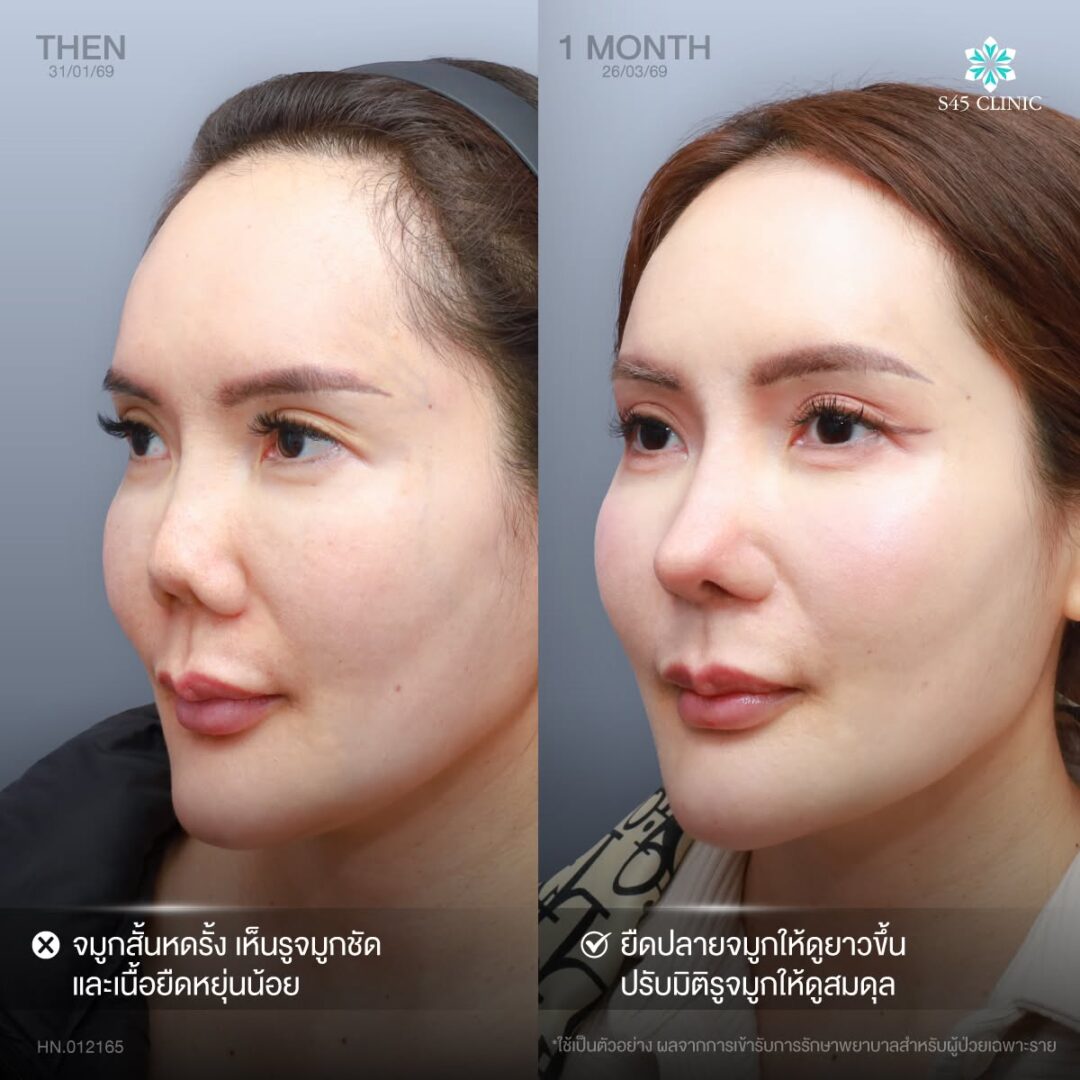
If, from the side, the nasal tip looks upturned, the end of the nose looks short, or the bridge and the tip do not look continuous, it may be worth having a surgeon assess whether this relates to the original structure, scar tissue or the skin of the nasal tip.
A Hollow Alar Crease

A hollow alar crease is when the area where the alae meet the cheeks looks more dented or sunken than usual. It may be most visible from an oblique angle, from the side, or when you smile and move your face. This area should be assessed together with the alae and the nasal base.
How Do Asymmetrical Alae Differ From Uneven Nostrils?
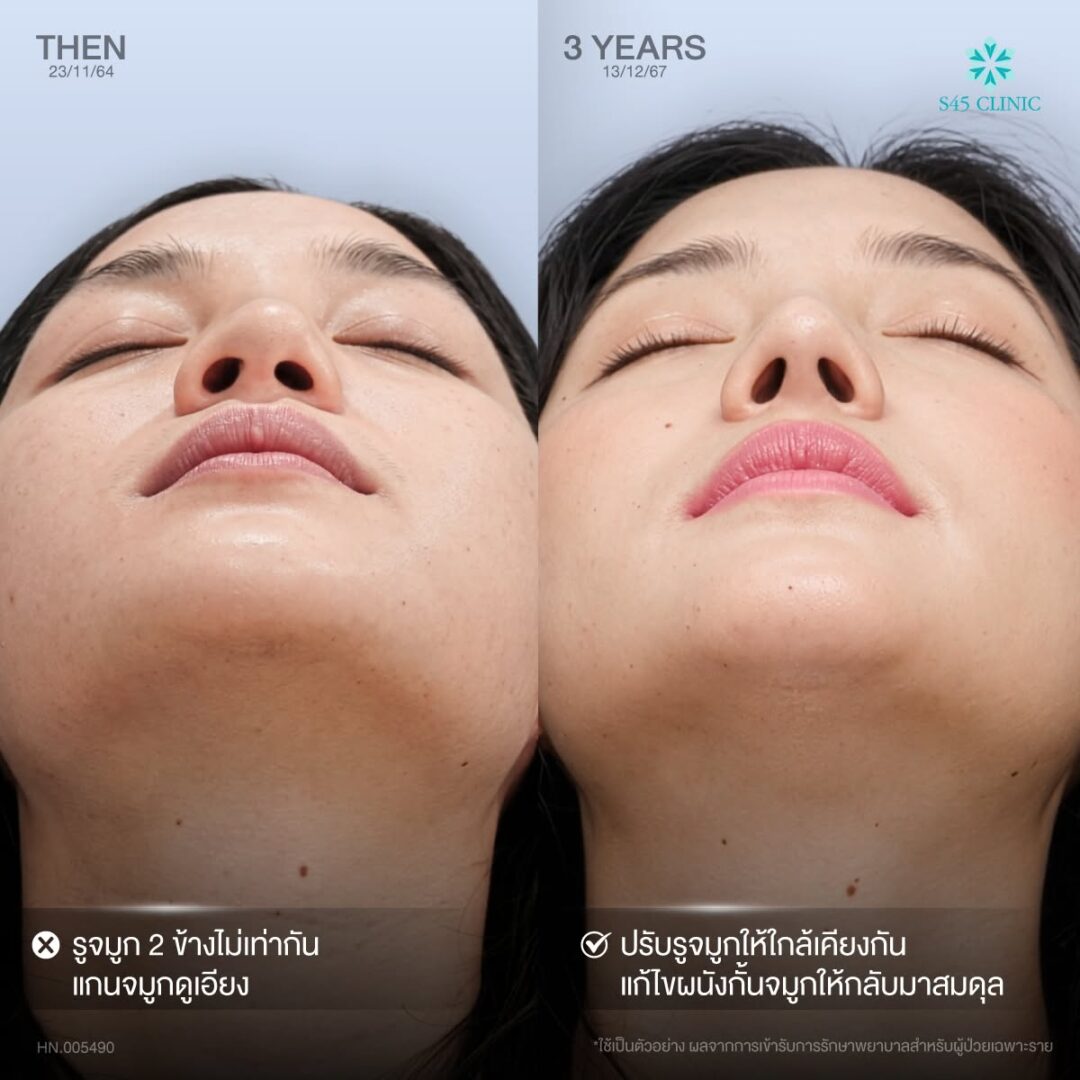
Asymmetrical alae means the shape or level of the 2 alae looks different, while uneven nostrils can come from several areas, such as the nasal base, the central axis of the nose or the septum, so do not draw conclusions from a single angle.
What Needs to Be Assessed When Planning Complex Nasal Structure Changes
Cases with several problems together need more than an assessment of bridge height or tip shape, because every part of the nose is connected. If the assessment is incomplete, the plan may not address the main problem.

Assessing the Nasal Tip and Its Support
The surgeon assesses whether a short nasal tip comes from the original structure or relates to contraction after previous surgery, and how well the skin and structure of the nasal tip can support a new plan.
Assessing Both Alae and Both Alar Creases
Both alae and both alar creases should be assessed at the same time, to see whether the asymmetry comes from the nasal base, the skin of the alae, the cartilage or, in some cases, pulling from scar tissue.
Assessing the Bridge, the Nasal Base and Facial Proportions
Even if the main problem is at the nasal tip or the alae, the surgeon still needs to assess the bridge, the nasal base and your overall facial proportions, so that the planned nose shape suits your face rather than changing only one point.
Why Short Nasal Tip Cases Are More Complex Than Standard Rhinoplasty
Short nasal tip cases with contraction, a hollow alar crease or asymmetrical alae usually need a more detailed assessment than standard rhinoplasty, because they do not start with choosing a shape alone. The limits of the original structure need to be looked at first.
Several Points Need to Be Assessed at Once
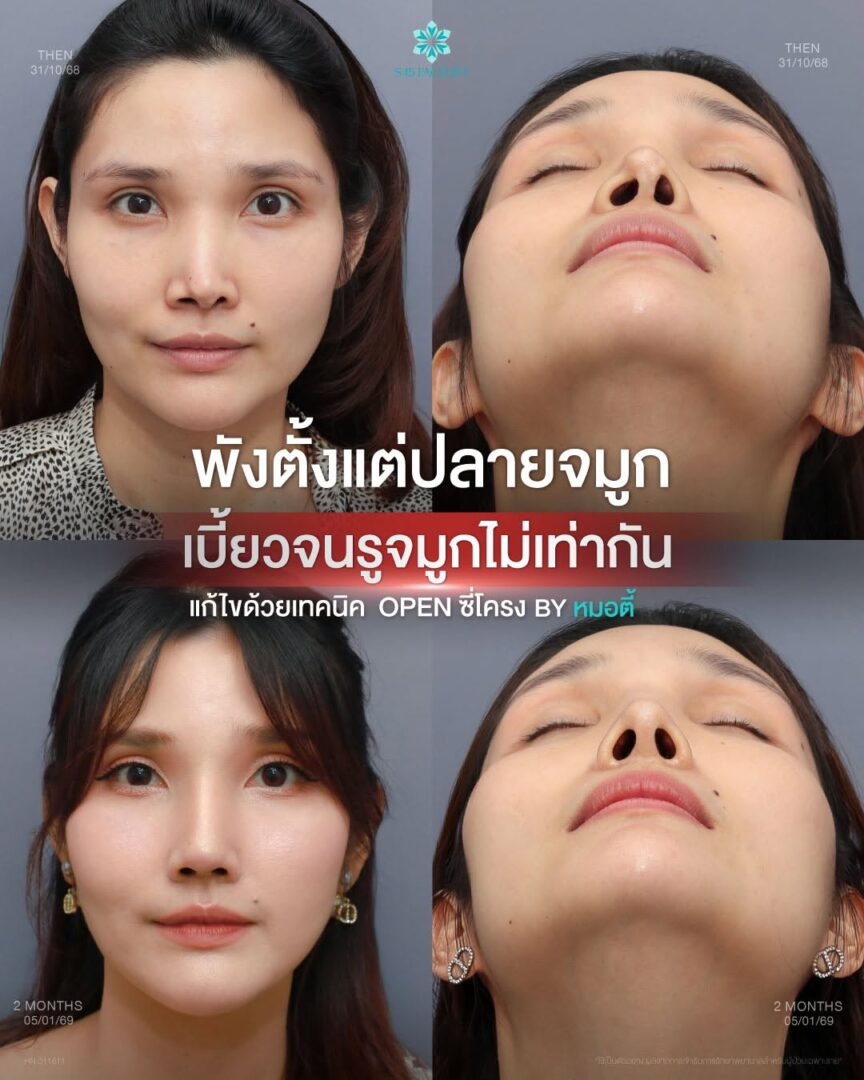
Standard rhinoplasty may focus mainly on the bridge and the nasal tip, but cases with a complex nasal structure need the nasal tip, alae, alar creases, nasal base, nasal skin and scar tissue to be assessed together.
Skin Limits and Scar Tissue Affect Planning
If there is scar tissue or the skin of the nasal tip is tight, planning the shape has to take account of each person’s real limits. It should not be designed from review photos or personal preference alone.
The Technique and Materials Used Depend on the Assessment
Some cases may need an assessment for open rhinoplasty or for materials that add support, such as rib cartilage, but not every case needs the same approach. The decision should depend on the surgeon’s assessment.
What to Know Before Deciding on Nasal Structure Changes
Before deciding to change your nasal structure, understand that each case differs in complexity, and results depend on each person’s original structure, skin condition, scar tissue and recovery.
Results Depend on Each Person’s Original Structure
People with a short, contracted nasal tip or asymmetrical alae may have different limits, such as tight skin, a lot of scar tissue or an uneven nasal base, so have a surgeon assess your nose before planning.
Recovery Time Depends on the Technique and How Complex the Case Is
If your case needs open rhinoplasty or uses rib cartilage as well, the recovery period may differ from standard rhinoplasty, depending on how complex the case is and on each person’s aftercare.
Do Not Decide on an Approach From Photos Alone
A front or side photo helps show the problem at a basic level, but it cannot always show every cause. Have a surgeon assess the actual structure before planning.
If you notice a short nasal tip, a contracted nose, a hollow alar crease or asymmetrical alae and are not sure where to start, you can consult our surgeons at S45 Clinic to assess your nasal structure, nasal tip and alae and plan an approach that suits you.
FAQ About a Short Nasal Tip and Asymmetrical Alae
Note: This article provides general information only. It is not medical advice and cannot replace a consultation with an experienced doctor. The results of nasal structure changes depend on the original nasal structure, the amount of scar tissue, the condition of the tissue, the technique used and the surgeon’s assessment of each person. Always consult an experienced plastic surgeon before making any decision.