How to Reduce Rhinoplasty Swelling and Support Your Recovery
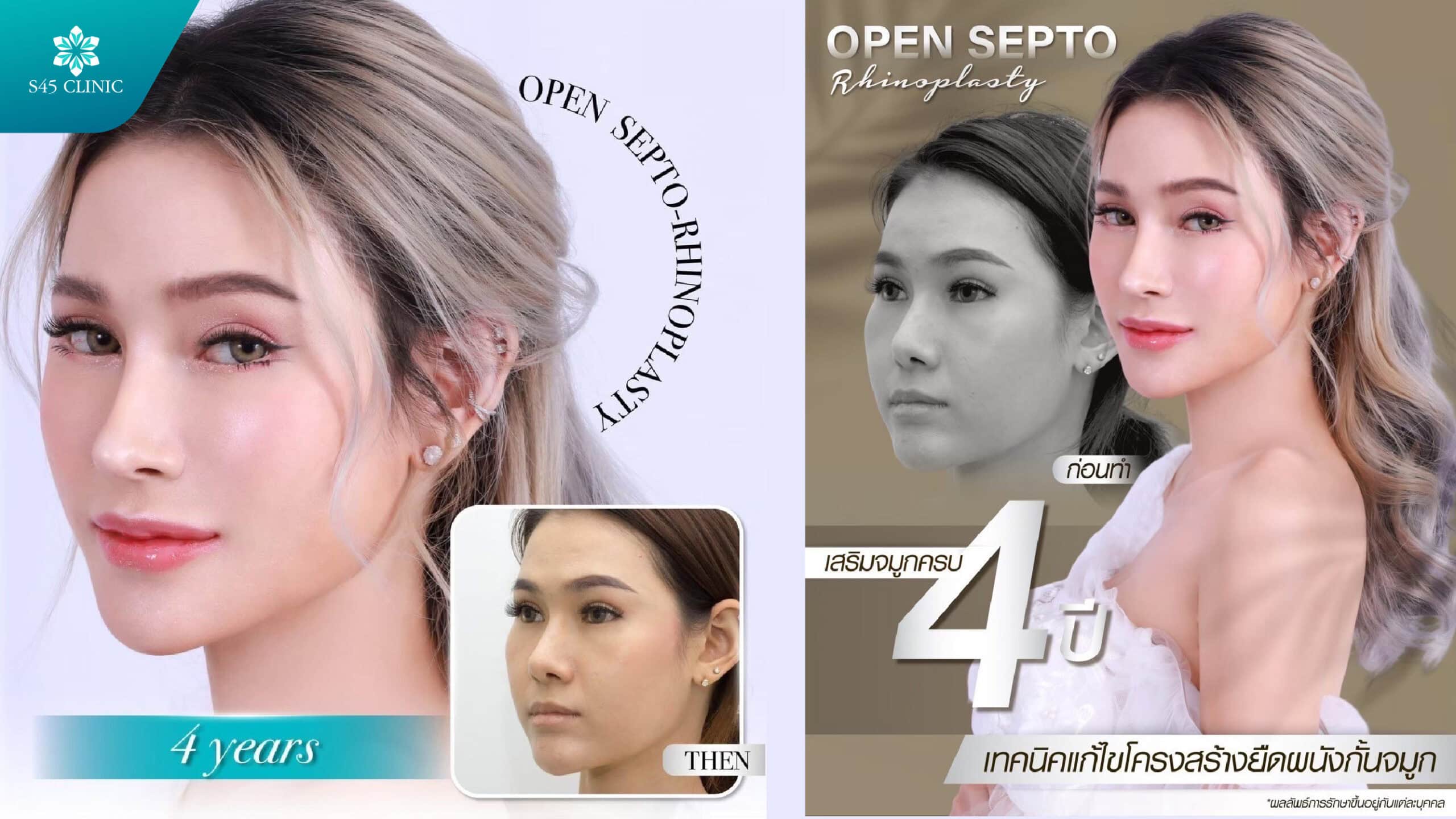
After rhinoplasty or revision rhinoplasty, one thing you will have is swelling and bruising, and how much depends on each person. Here are some simple tips, which are no secret, that may help reduce swelling in some cases, lessen bruising and help you get back to your normal routine.
Swelling and bruising are part of the body’s normal process of healing the wound from surgery. Swelling is usually at its worst 2 to 3 days after rhinoplasty or revision rhinoplasty, then gradually goes down so the nose shape becomes visible over time.
- In the first 2 to 3 days after rhinoplasty, the face is at its most swollen and bruising is clearly visible.
- At 7 days after rhinoplasty, swelling gradually goes down.
- At 30 days after rhinoplasty, swelling has gone down by about 70% to 80%, and the nose then gradually settles to about 80% to 90%.
- At 90 to 120 days after rhinoplasty, the nose settles and its shape is clearly visible.
7 Ways to Help Reduce Swelling After Rhinoplasty and Revision Rhinoplasty

1. Use Cold and Warm Compresses in Turn
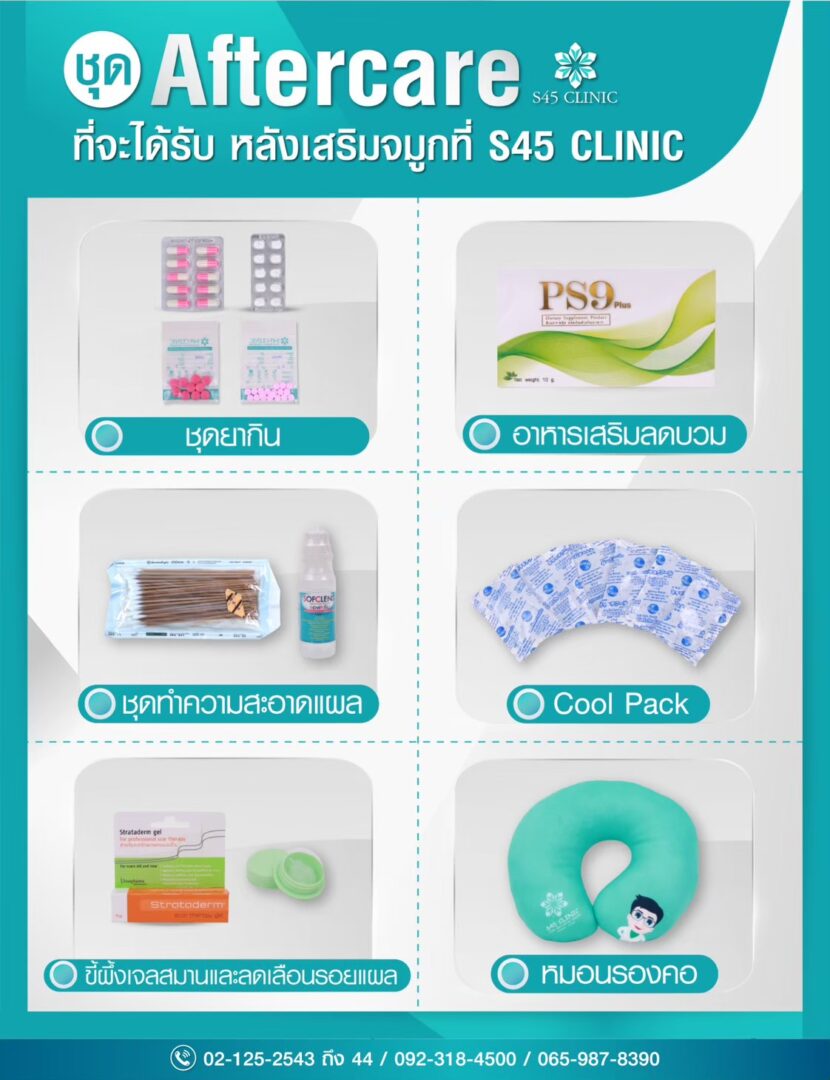
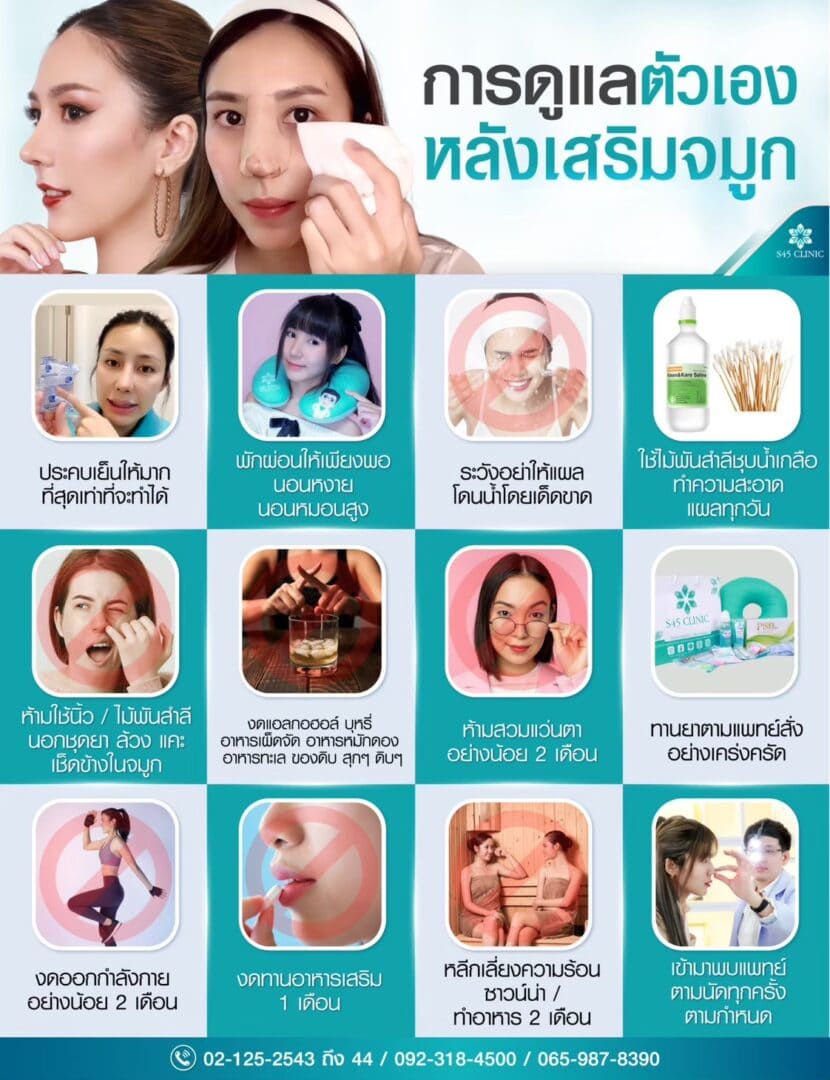
- In the first 2 to 3 days after rhinoplasty, use a cold compress to reduce blood flow and swelling around the face. Do not put the compress directly on the wound, and wrap the cold gel pack in a soft cloth before use.
- From 3 to 7 days after rhinoplasty, use a warm compress to help break down blood clots and help the bruising fade.
2. Sleep With Your Head Raised on High Pillows
This helps blood drain away from the face and reduces blood pooling around the nose.
3. Take Medicines or Vitamins as Advised by Your Doctor
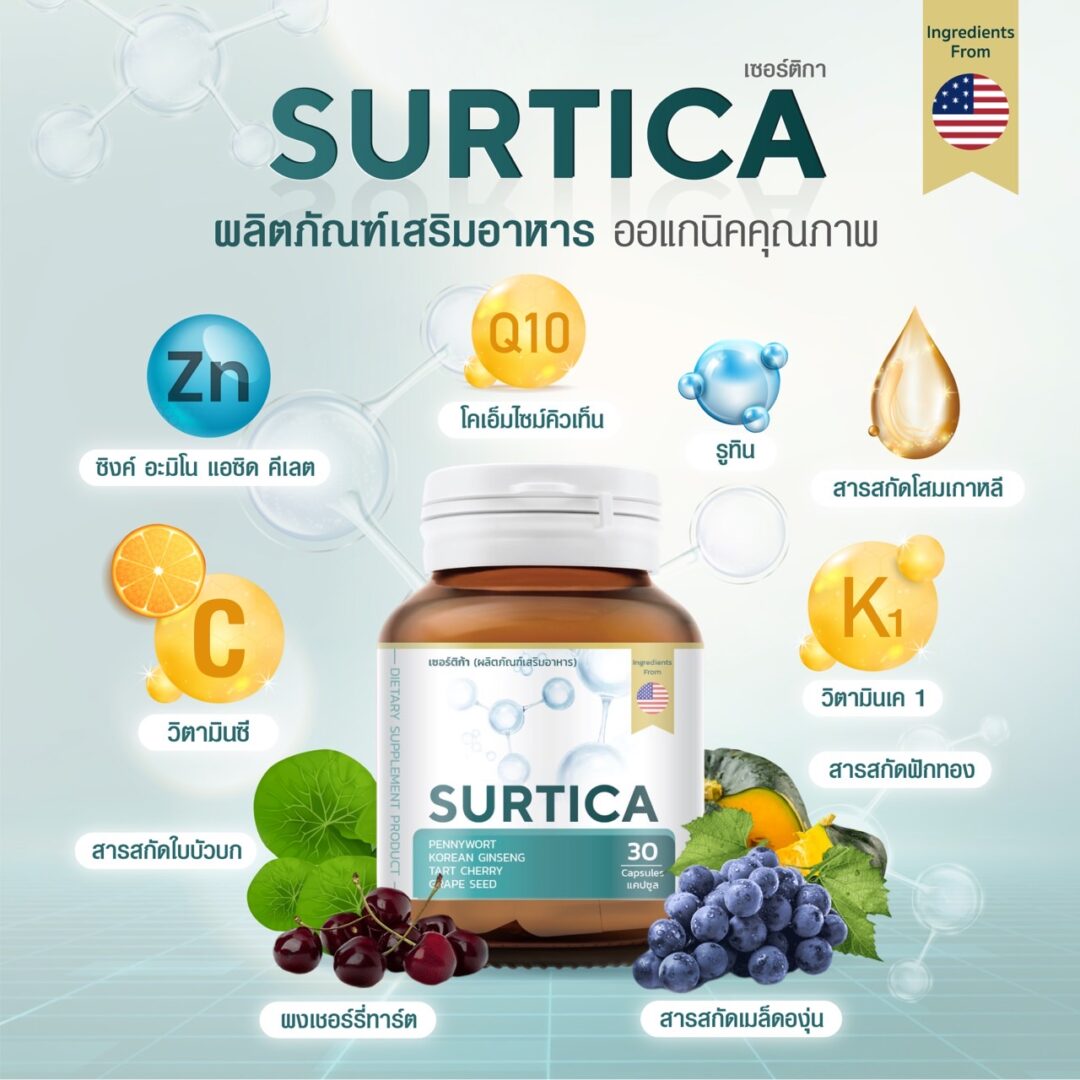
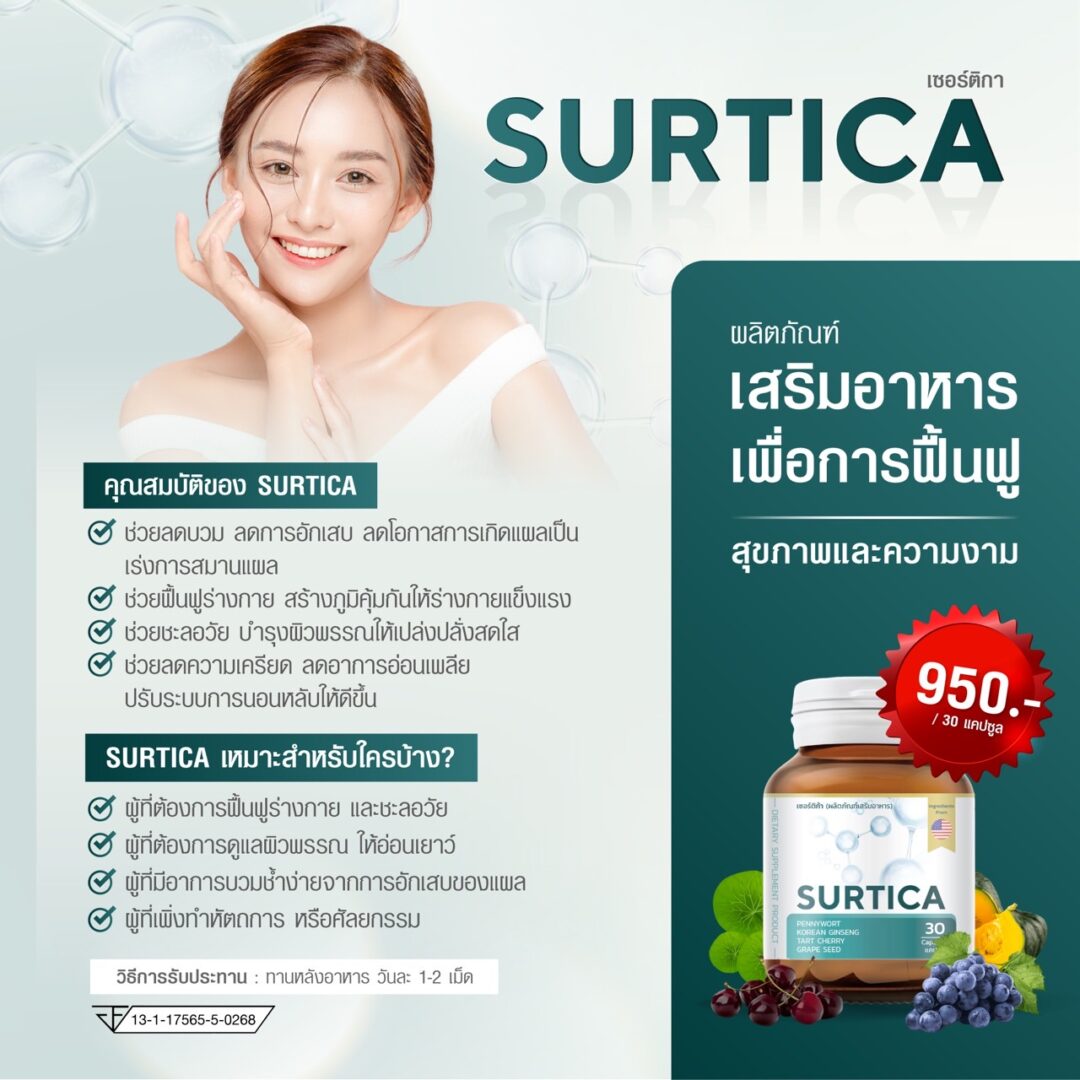
Some supplements, such as Centella asiatica (gotu kola) and vitamin C, may play a part in reducing swelling.
4. Avoid Strongly Flavoured Food
Strongly flavoured food, such as salty food, pickled food and seafood, makes the body hold more water so the face swells, and strongly flavoured or spicy food may increase the chance of wound inflammation.
5. Avoid Strenuous Activities
This includes strenuous exercise, lifting heavy objects, keeping your head bent down for a long time, or other activities that could knock the wound. These increase blood flow, which can cause more bleeding and swelling.
6. Keep the Wound Dry Until the Stitches Are Removed
Cleaning the wound properly, as your doctor advises, helps keep it clean and heal well, and lowers the chance of infection from germs outside the body. Clean the wound as advised.
7. Stop Smoking and Drinking Alcohol
Swelling after rhinoplasty or revision rhinoplasty cannot be avoided. How much swelling you have, and whether it can be reduced in some cases, depends on your body, the care taken by the surgeon and how you look after yourself after rhinoplasty. Follow the advice closely, as this can help the nose settle into shape and lower the chance of infection and complications.