Keloid Inside Nose After Rhinoplasty, Will It Go Away?
A keloid after rhinoplasty is a type of scar that forms after a wound. The body makes collagen to repair damaged tissue, but makes too much, so the wound area becomes raised, thick and larger than the original incision.
What Does a Keloid Look Like?
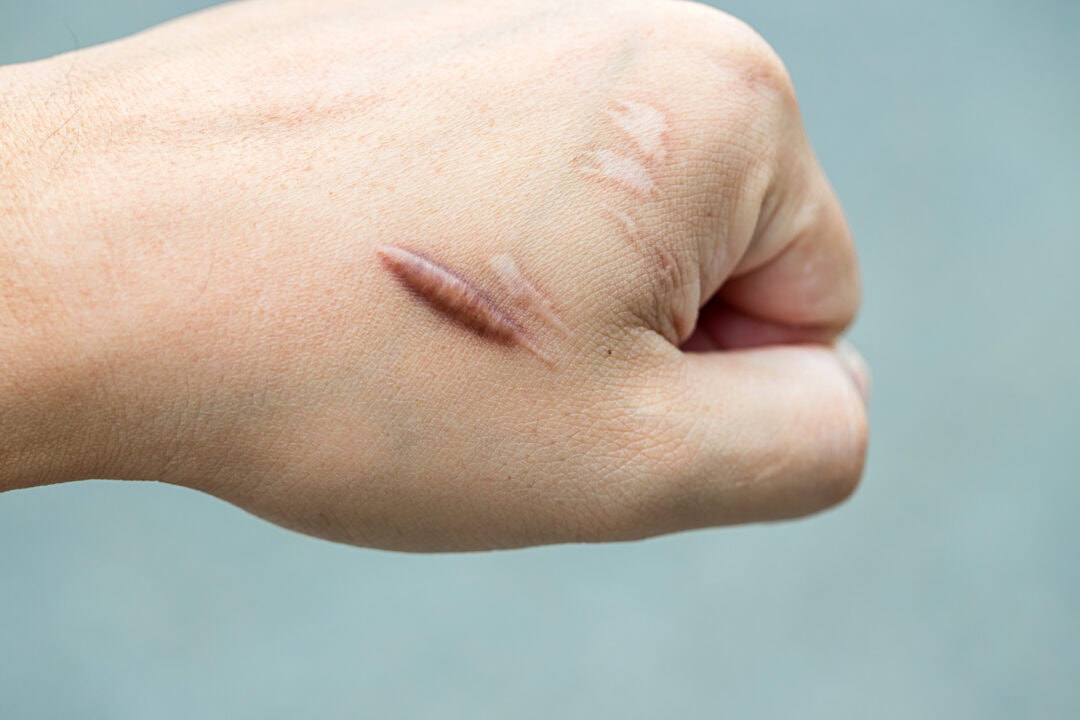
- a raised, thick scar that is larger than the original wound
- a hard, tight feel and a colour different from the skin, such as pink, red or dark brown
- pain, itching or burning at the keloid (in some people)
In rhinoplasty or revision rhinoplasty, the scar is hidden along the bridge of the nose or inside the nostrils, and a keloid can form in these areas if the wound is not cared for properly.
What Causes Keloid Scars?
- a family history of keloids
- people of Asian descent and people with darker skin are more likely to get keloids than people with lighter skin
- a long incision and a wound with a lot of tissue injury have a higher risk of keloids
- rough handling by the surgeon or an unskilled wound technique, which injures the tissue so that the body makes collagen abnormally and forms a keloid
- unsuitable wound care, which raises the risk of inflammation and keloids
- infection, which makes the body produce more collagen and can also cause keloids
Can a keloid from rhinoplasty go away? A keloid cannot fade by itself. It needs treatment with medical devices and suitable care to reduce its size, ease symptoms and help it fade and look better.
What to Do About a Keloid After Rhinoplasty
Medical technology can now help reduce these scars. The doctor considers what is suitable based on the size, position, skin condition and appearance of the keloid.
How to Make a Keloid Smaller and Less Visible
- Intralesional corticosteroid injection reduces inflammation and collagen production, making the keloid softer and smaller. Have the injections as scheduled by your doctor (depending on each person’s condition).
- Surgical excision removes the raised keloid and is done together with steroid injections or radiation therapy (as assessed by the doctor).
- Radiation therapy after surgery lowers the chance of the keloid coming back.
- Cryotherapy uses cold to freeze the keloid, for small, shallow scars.
- Laser therapy is widely used to reduce redness, raised areas and itching.
- Topical medications containing imiquimod are applied to help reduce the scar.
Although a keloid from surgery cannot go away by itself, there are now several ways that can reduce its size, ease symptoms and improve how the scar looks. Understanding the risk of keloids and preparing to prevent them helps lower the chance of this problem.
Preventing keloids before surgery is the most important step. Before rhinoplasty or revision rhinoplasty, tell your surgeon if you or anyone in your family has had keloids. After surgery, follow your surgeon’s aftercare advice and use the recommended medicines and moisturising creams regularly. If you notice anything unusual, such as itching or a raised, hard scar, see your doctor.