Nose Keloid, How to Care for a Columella Scar to Lower the Chance of a Keloid
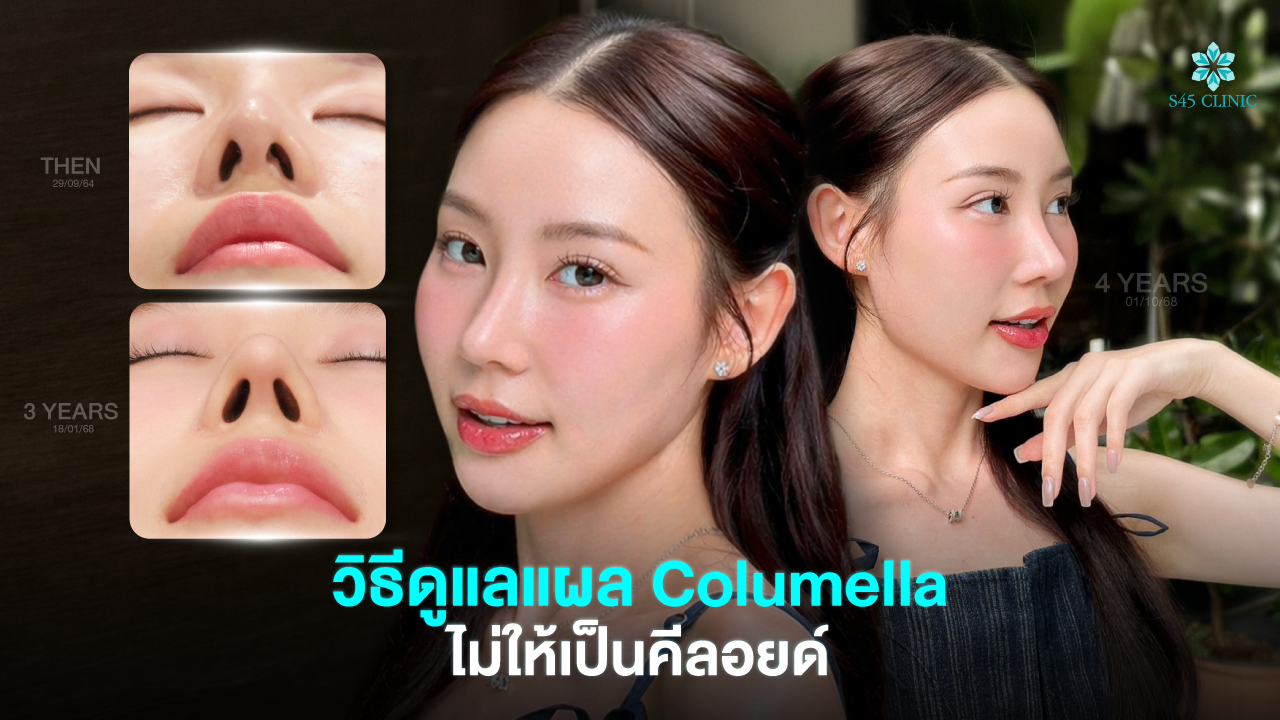
A keloid scar is a raised scar that can form after the skin is wounded or has surgery. Related factors include genetics, skin type, the position of the wound, the stitching technique and aftercare.
If you have open rhinoplasty, the incision at the columella (the strip of tissue between the nostrils) or nasal base is an important area to care for properly from the start, such as keeping the wound clean, not picking or scratching it and seeing your surgeon at your follow-up appointments, which can help lower the chance of a scar or keloid scar. This article sums up the key factors that affect keloid scars and the unusual signs that need a doctor to check, to help people planning open rhinoplasty understand the columella scar more clearly before deciding.
Factors That Affect Keloid Scars
A keloid scar after open rhinoplasty does not come from one single cause. It is linked to several factors together, including the stitching technique, each person’s skin type and wound care after surgery, especially for the incision at the columella or nasal base.
Stitching technique
The stitching technique affects how the skin heals after surgery. The surgeon considers the position of the incision, the tension of the skin and each person’s nose structure, so that the incision at the columella is closed suitably. This includes:
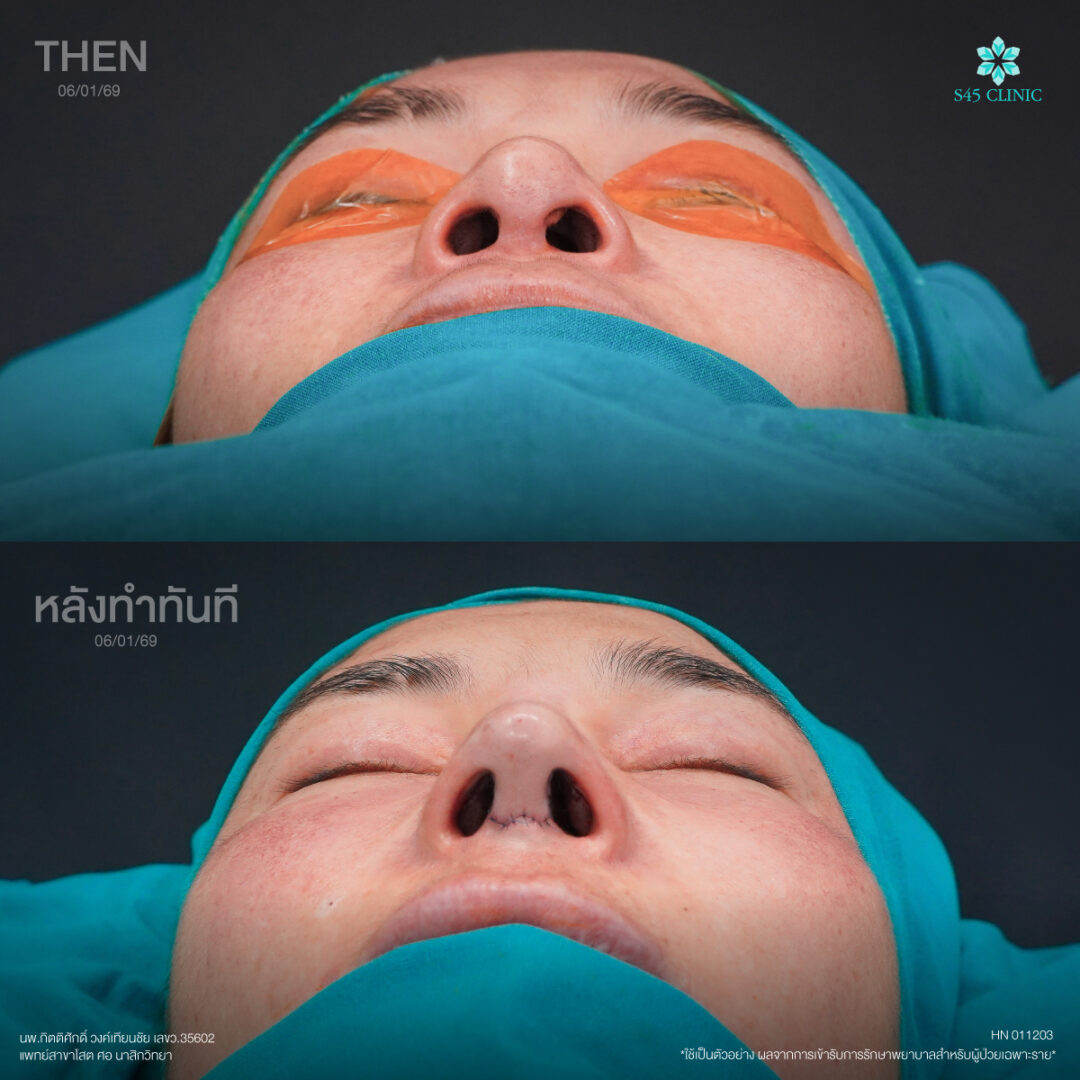
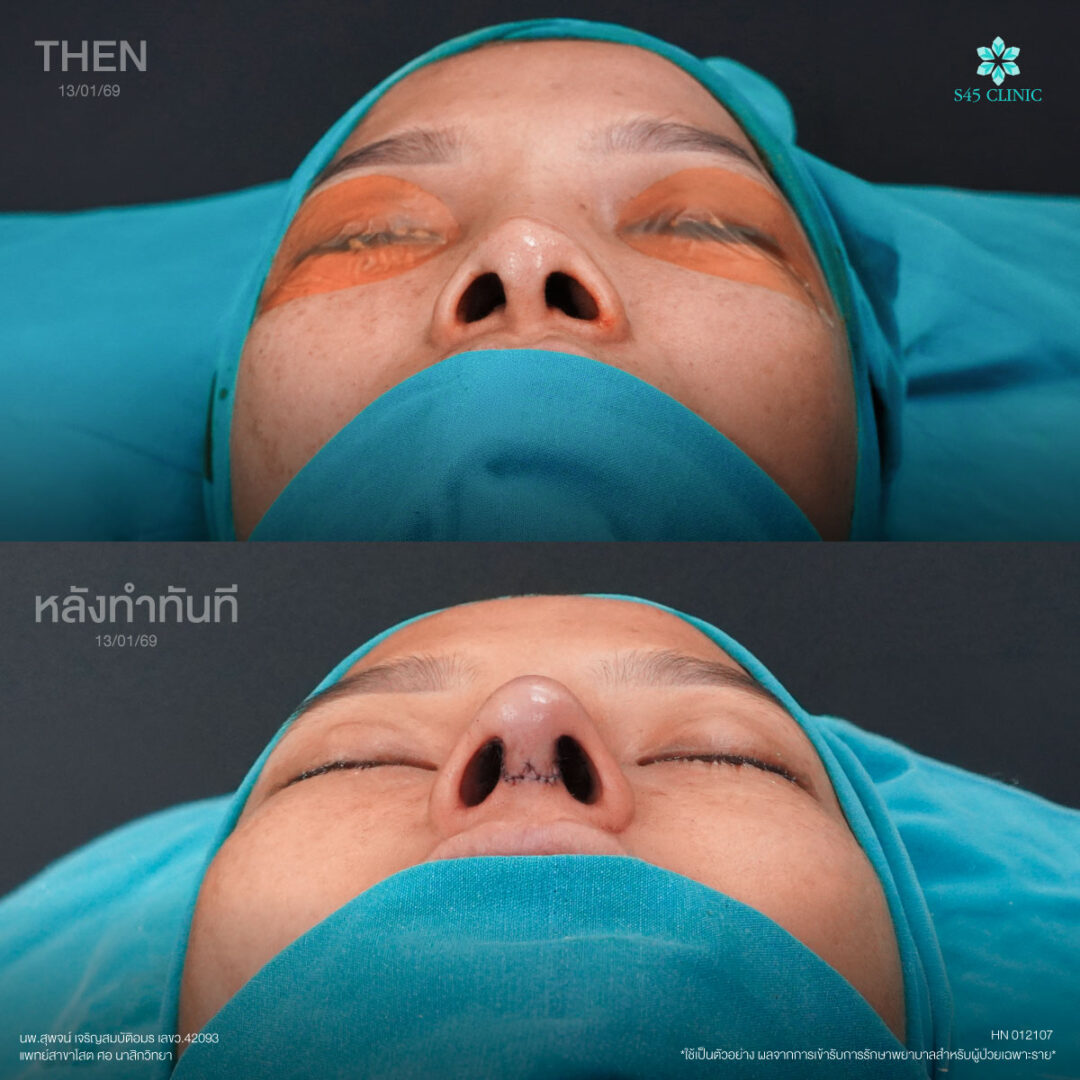
- placing the incision to suit the nose structure
- closing the incision to reduce tension on the skin
- choosing suitable medical materials
- caring for the wound as the surgeon advises
Skin type and how each person heals
Each person’s skin affects whether scars and keloid scars form. If you have had raised scars or keloids from surgical wounds before, you may be more likely than other people to get a raised scar. Factors include:
- genetics
- each person’s skin type
- a history of keloid scars
- how each person’s body responds
- the position of the surgical wound
How to Care for a Columella Scar After Open Rhinoplasty to Lower the Chance of a Raised Scar
The first period after open rhinoplasty is a time to care for the wound carefully, to help lower the chance of irritation and help the wound heal well.
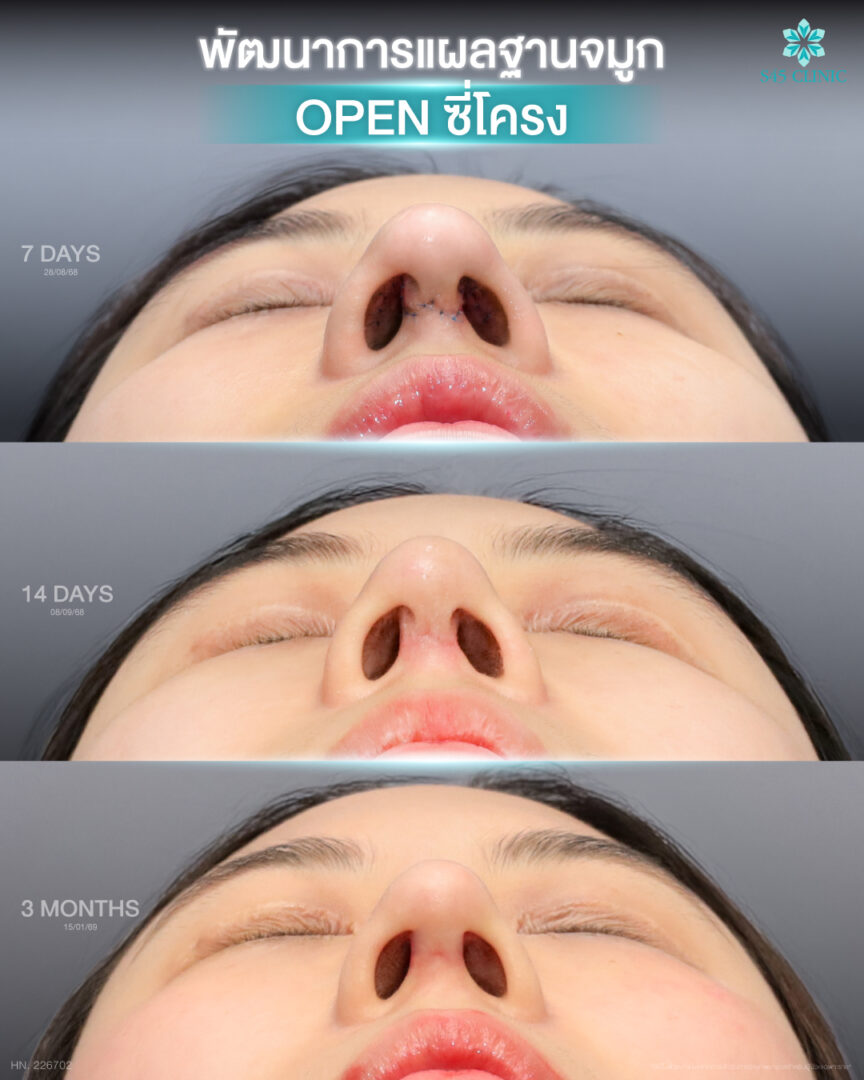
Days 1 to 7
- keep water off the wound
- clean the wound as your surgeon advises
- wipe gently with a cotton bud and saline, if your surgeon advises it
- avoid touching, squeezing or moving the nasal tip
- do not pick at scabs
- watch for unusual swelling, redness or pain
After the stitches are removed or once the wound is fully dry
- your surgeon may advise using a scar gel
- apply the treatment regularly as advised
- avoid rubbing the wound hard
- protect the wound from friction
- attend your follow-up appointments so the surgeon can check how the wound is healing
Avoid buying wound creams or scar products to use without consulting a doctor, because everyone’s wound is different.
When to Go Back to See Your Surgeon After Open Rhinoplasty
After open rhinoplasty, attend every follow-up appointment, and if you have any unusual symptoms, consult your surgeon promptly for an assessment rather than waiting too long to see if they settle.
Consult a doctor promptly if you have these symptoms
- redness and swelling of the wound that is getting unusually worse
- wound pain that keeps getting worse
- clear fluid, pus or an unusual smell
- continuous oozing of blood
- the wound separating or not closing fully
- a wound that is very itchy, hard or unusually raised
- a raised scar that spreads beyond the edge of the original wound
- a fever or feeling unwell along with symptoms at the wound
If you notice the wound starting to become raised, hard or itchy, or it looks like a keloid scar, do not buy medicine to apply yourself. Have a doctor assess it first, to plan care that suits your wound.
Surgeons at S45 Clinic Pay Attention to Your Scar After Surgery
At S45 Clinic, planning rhinoplasty, especially open rhinoplasty, is not only about the shape of the nose. It also takes into account the position of the incision and the stitching technique, to reduce worry about scars and keloid scars.
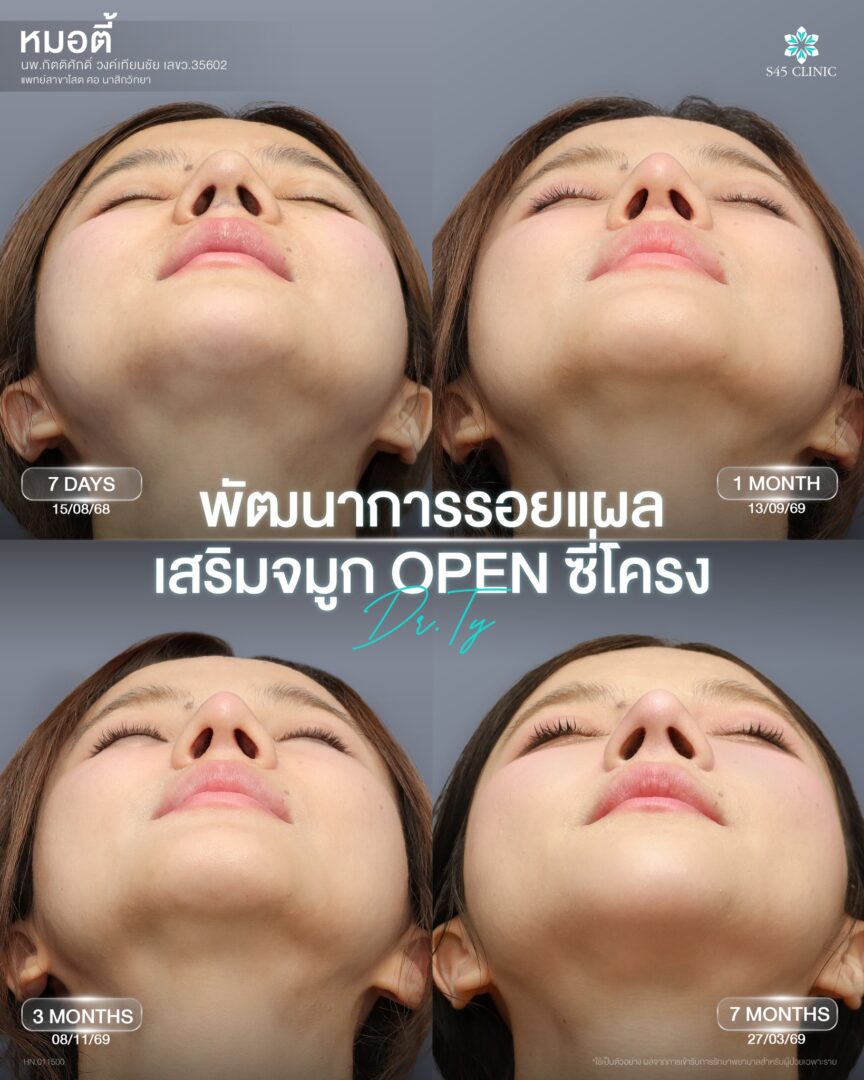
The surgeons at S45 Clinic pay attention to every step, as follows:
- Assessing nose structure
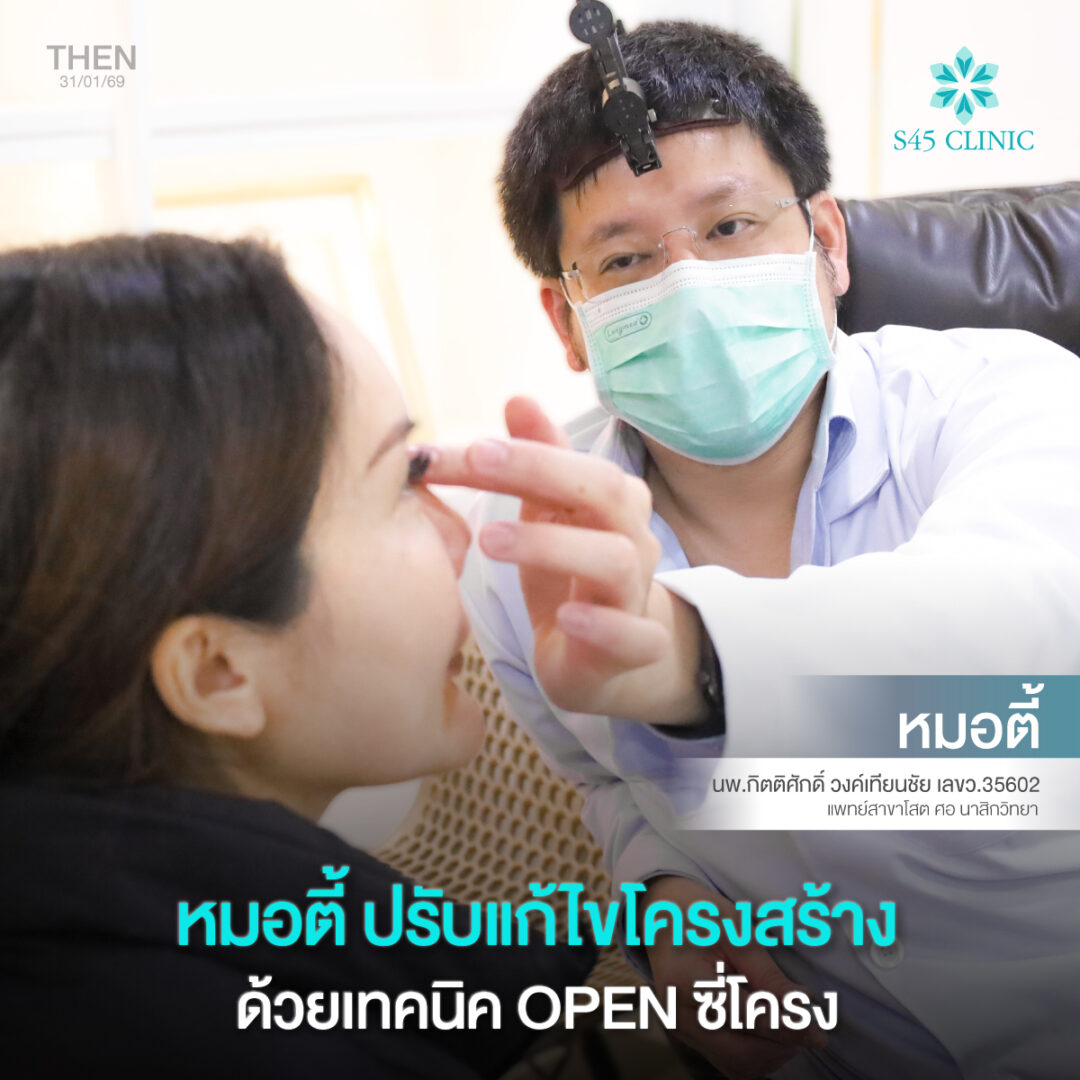
Dr. Ty (นายแพทย์กิตติศักดิ์ วงค์เทียนชัย, ว.35602) and the surgeons at S45 Clinic assess each person’s nose structure, incision position and skin type before planning surgery, especially for open rhinoplasty with rib cartilage, which involves caring for both the columella incision and the incision at the rib, so that the incisions are closed to suit their position and the tension on them is kept as low as possible.
- Care and attention after surgery
Medical materials that meet standards are used, and after surgery an aftercare team follows up on your symptoms and gives advice on wound care and follow-up appointments, to help track how the wound heals and lower the chance of a scar or keloid scar in some people.