
Nose Keloid, How to Care for a Columella Scar to Lower the Chance of a Keloid
How to care for a columella scar after open rhinoplasty to lower the chance of a keloid or raised scar, with precautions and advice for the time around stitch removal.
Book your revision rhinoplasty with a short wait. A special offer for you!
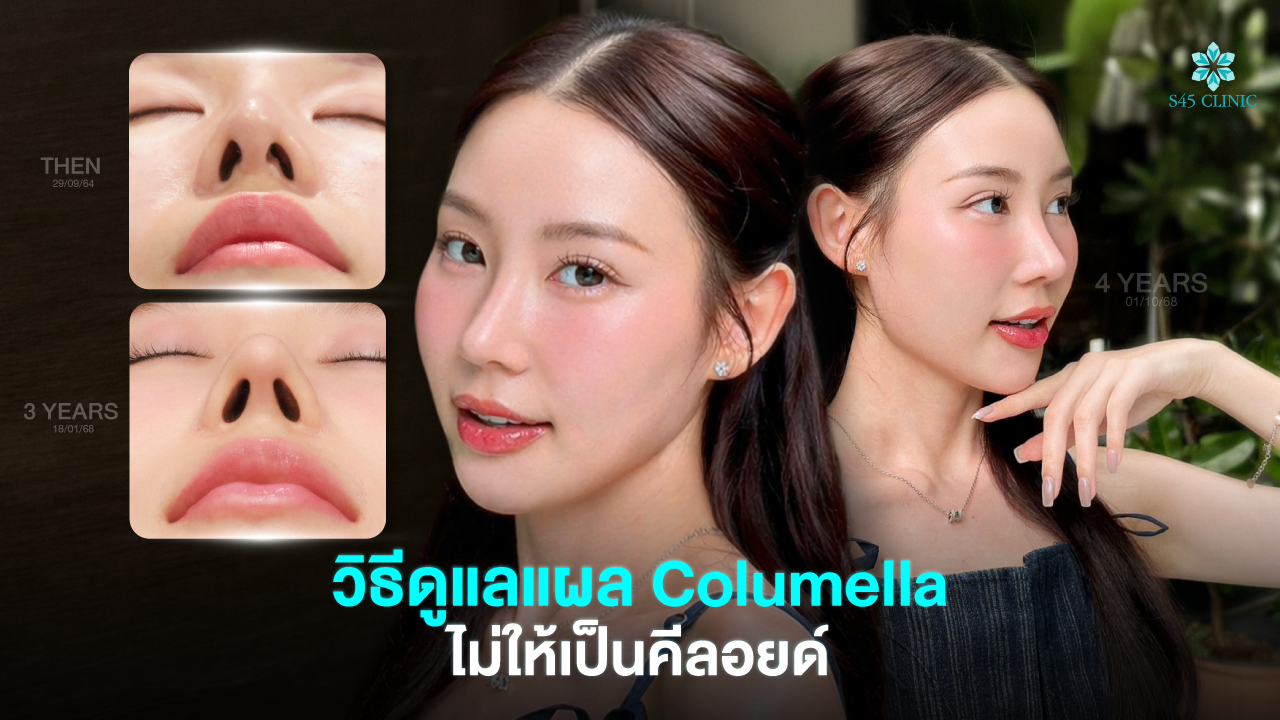
How to care for a columella scar after open rhinoplasty to lower the chance of a keloid or raised scar, with precautions and advice for the time around stitch removal.
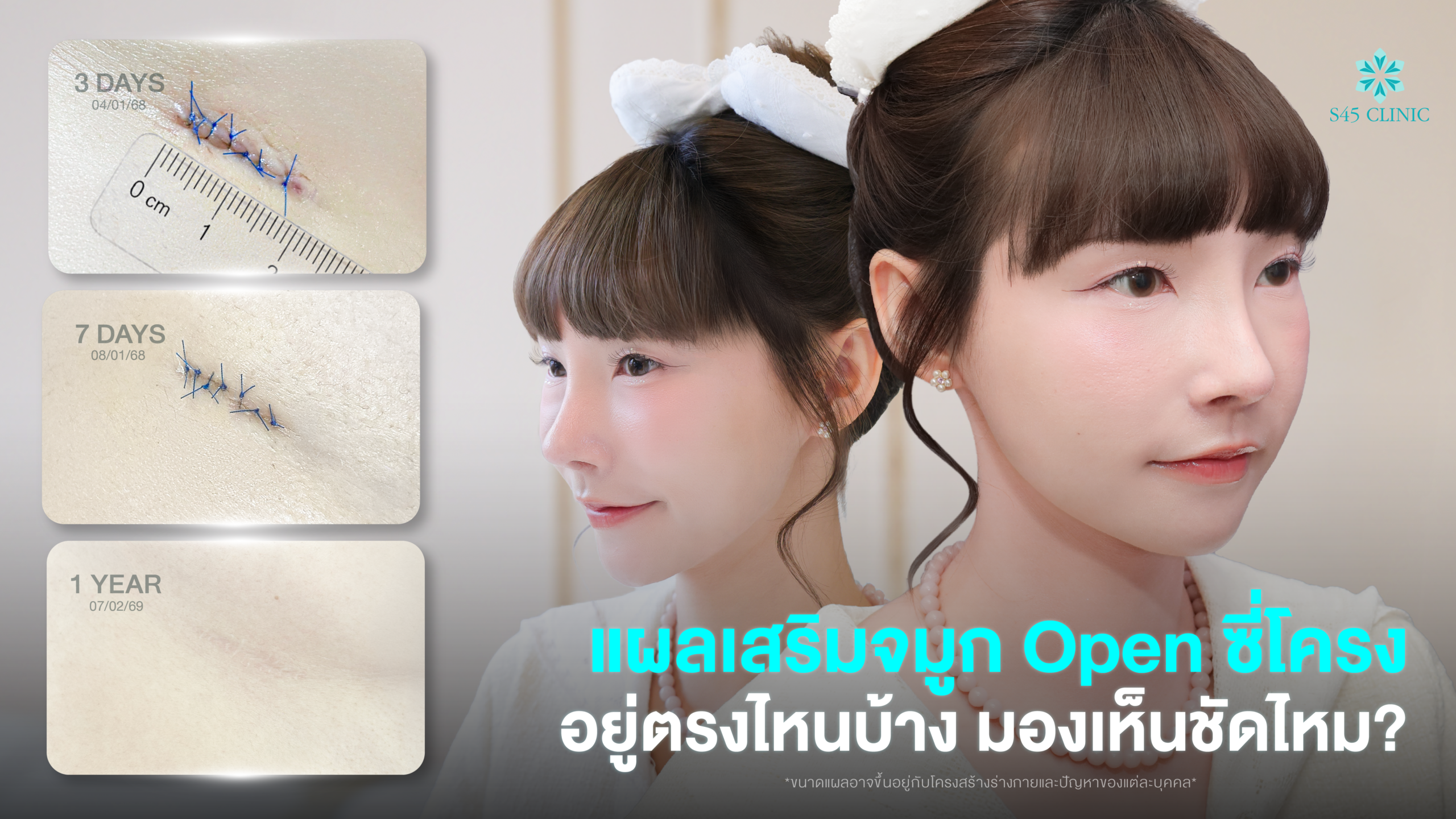
Rib cartilage rhinoplasty scar in open rhinoplasty, where the incisions are, how visible they are, recovery time and how to care for them before you decide.

Want a nose shape that looks soft and not too projected? Learn what to check before rhinoplasty, including how the nose and face are assessed, before planning at S45 Clinic.
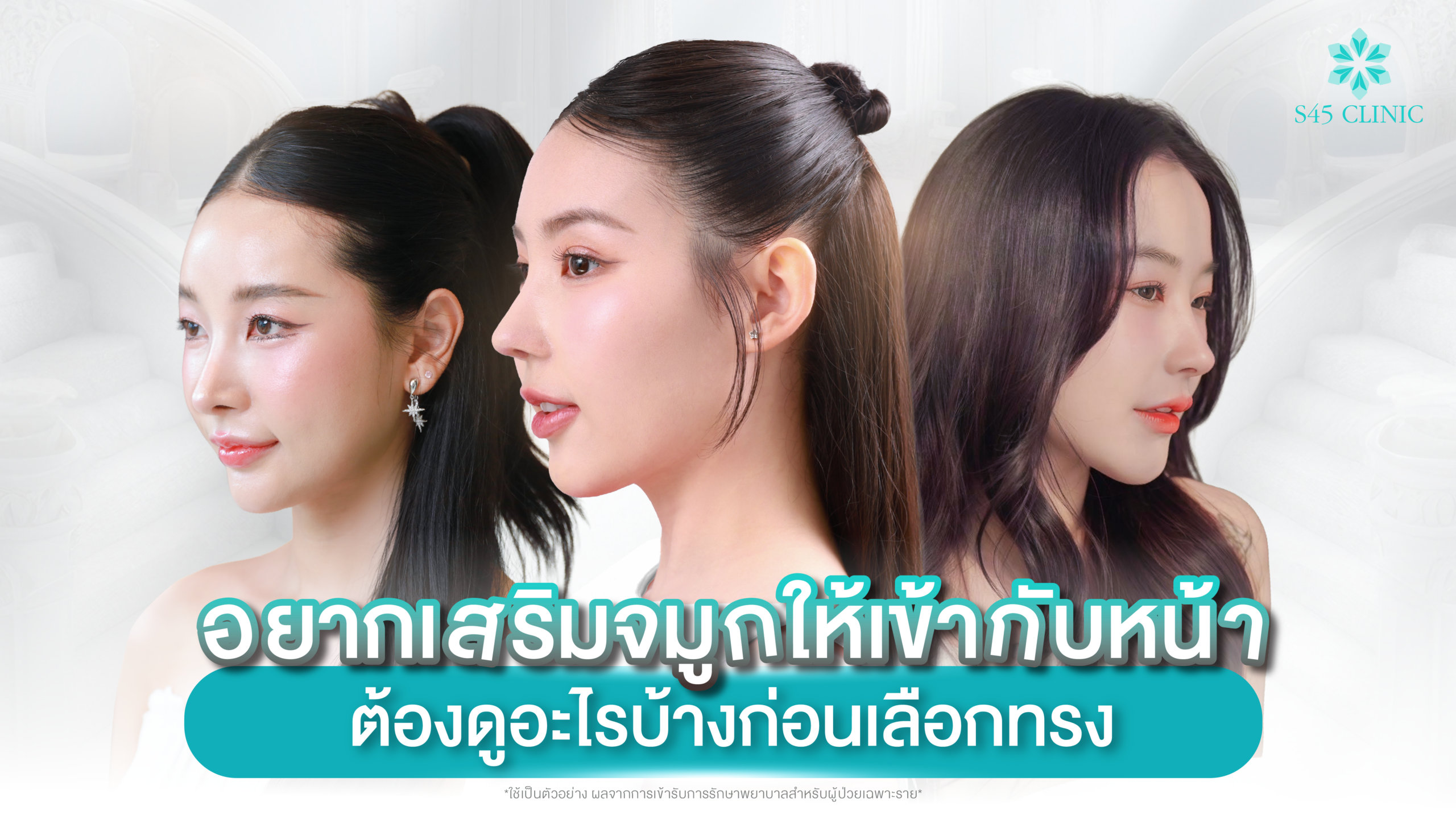
Before choosing a nose shape, do not look only at reference photos. Understand your face shape, nasal soft tissue and individual assessment, to plan rhinoplasty that suits your face.

The difference between semi-open and open rhinoplasty, compared with closed rhinoplasty, to help you choose a suitable technique at S45 Clinic.
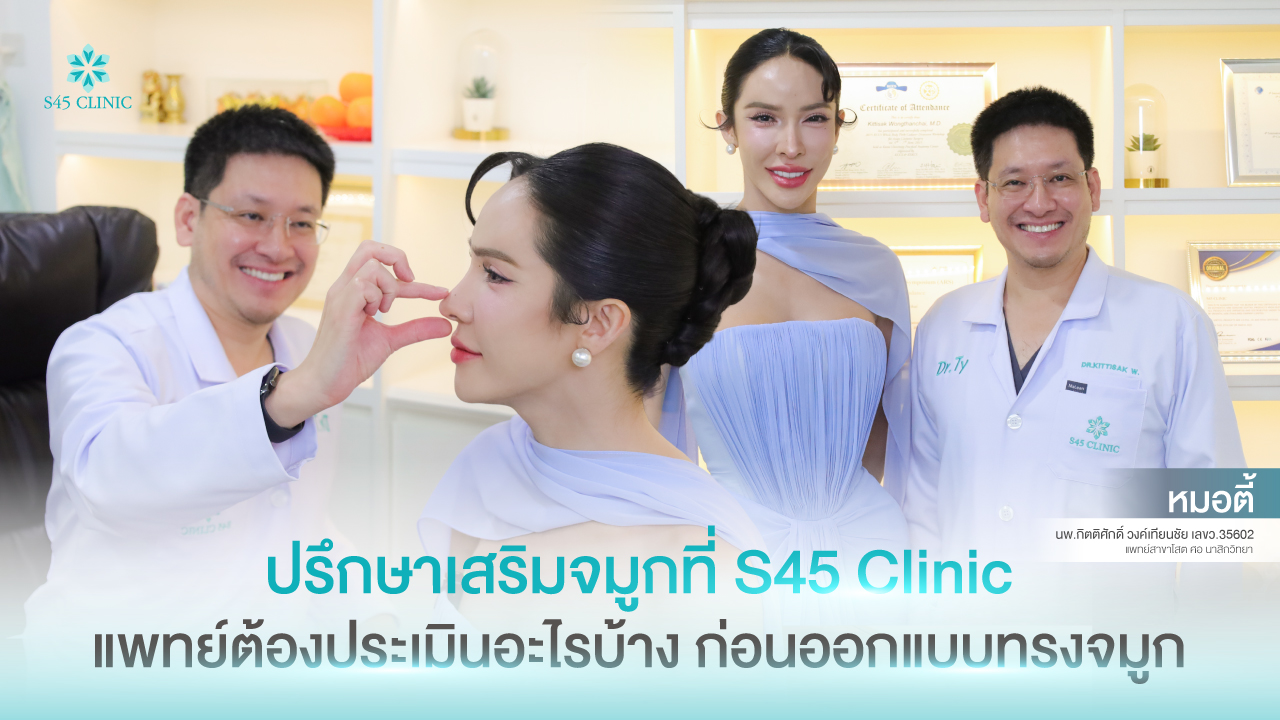
Not sure where to start with rhinoplasty? Learn what the surgeon assesses at a rhinoplasty consultation at S45 Clinic before designing a nose shape.
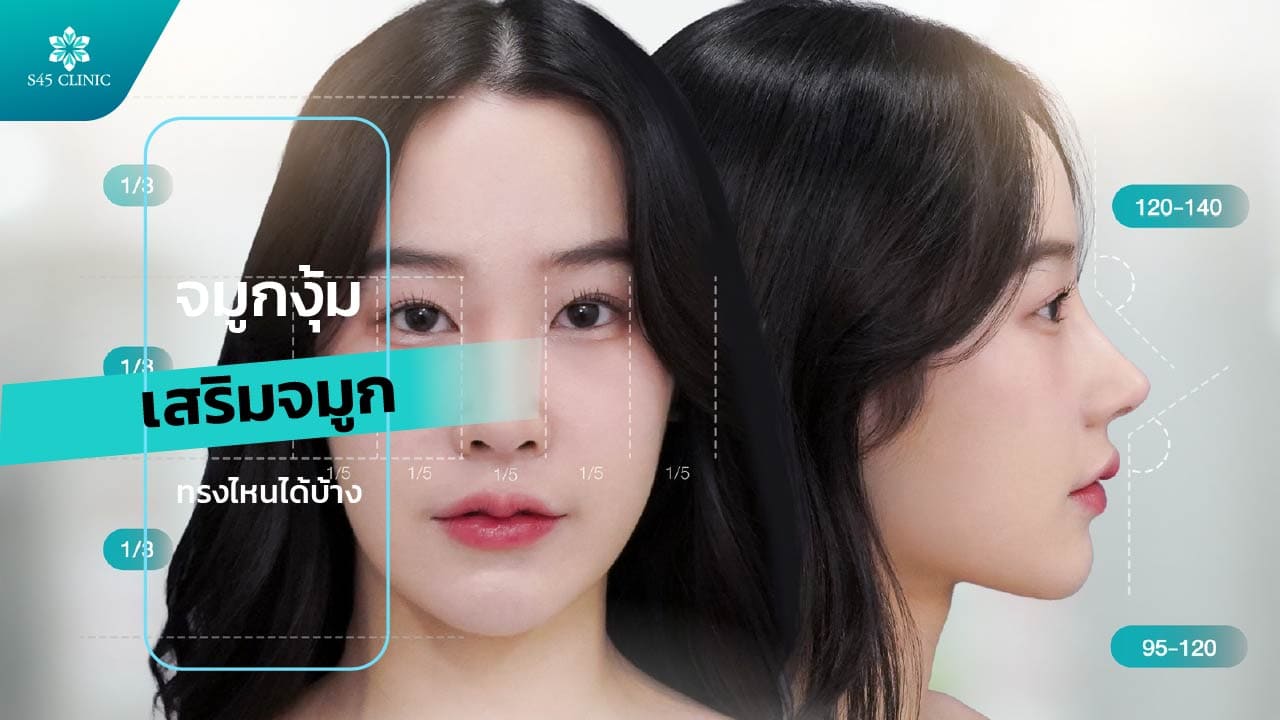
An upturned nose, also called a celestial nose, is a nose with a tip that points upwards so the nostrils are clearly visible, or a nose with a wide angle between the nasal tip and the upper lip.
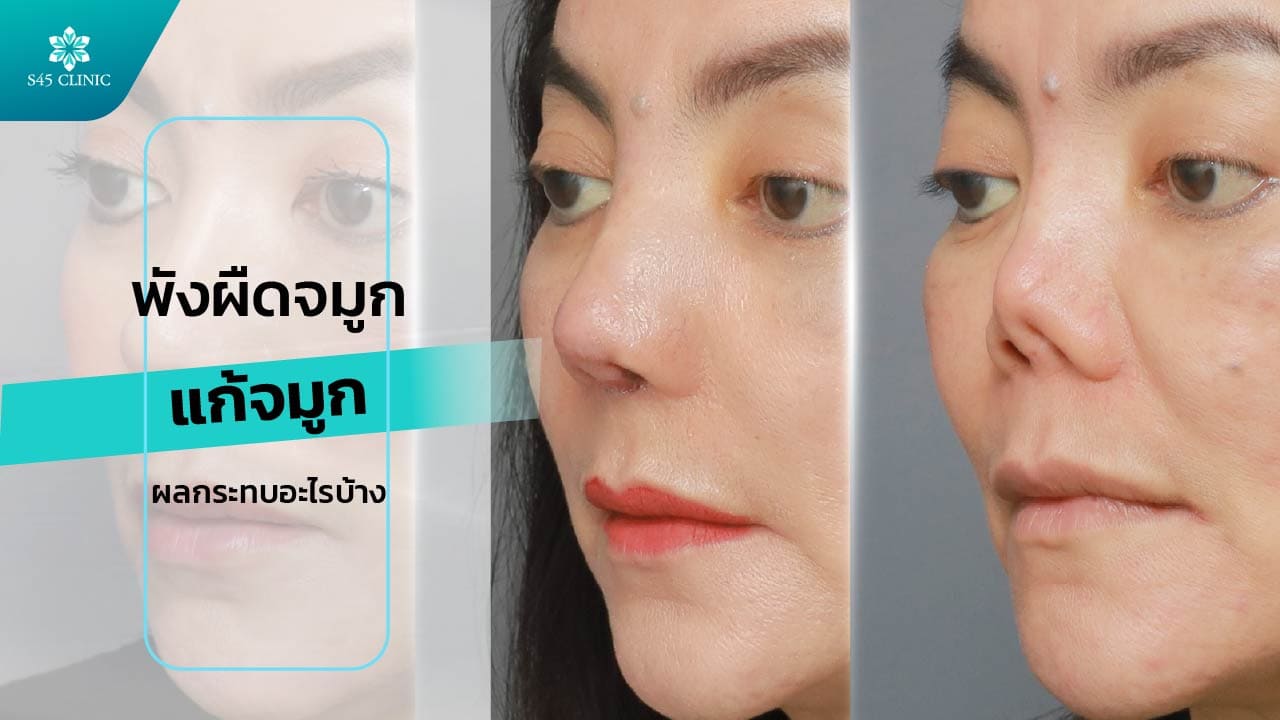
A deviated nasal septum is a septum that leans or bends to one side, making one nasal passage narrower than the other and affecting breathing.
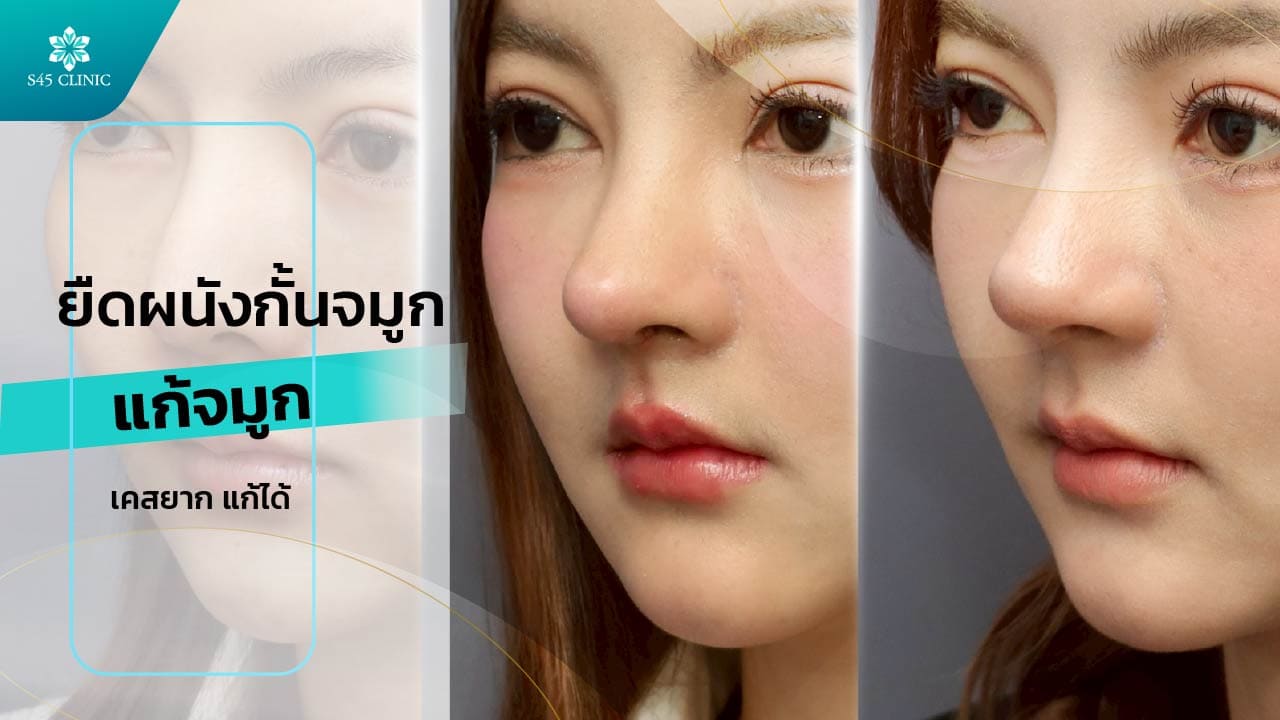
The nasal septum is the wall that divides the nasal cavity into 2 sides. It is made up of septal cartilage at the front and bone at the back.
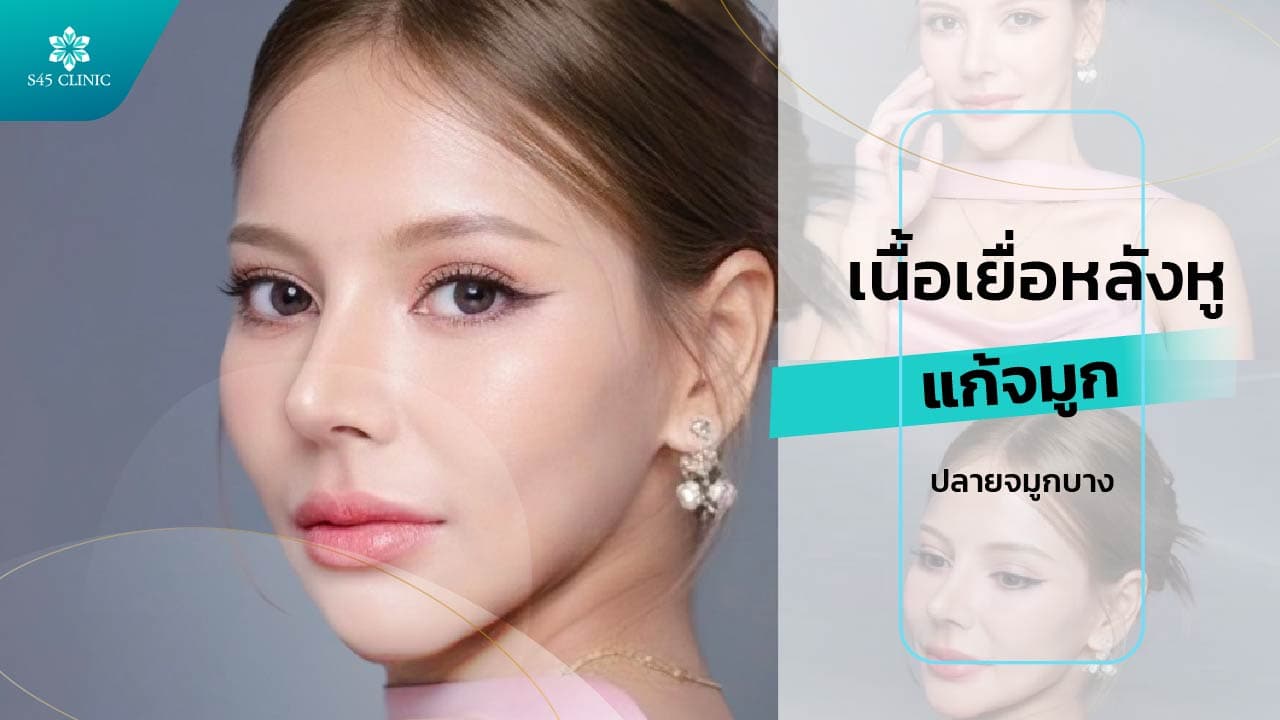
A thin nasal tip is especially common in people who have had rhinoplasty before. When the tip becomes so thin that the silicone implant shows through, it is a sign of a risk that the implant may push through the skin.
