
Rhinoplasty Consultation and What the Surgeon Assesses Before Designing Your Nose Shape
Not sure where to start with rhinoplasty? Learn what the surgeon assesses at a rhinoplasty consultation at S45 Clinic before designing a nose shape.
Book your revision rhinoplasty with a short wait. A special offer for you!
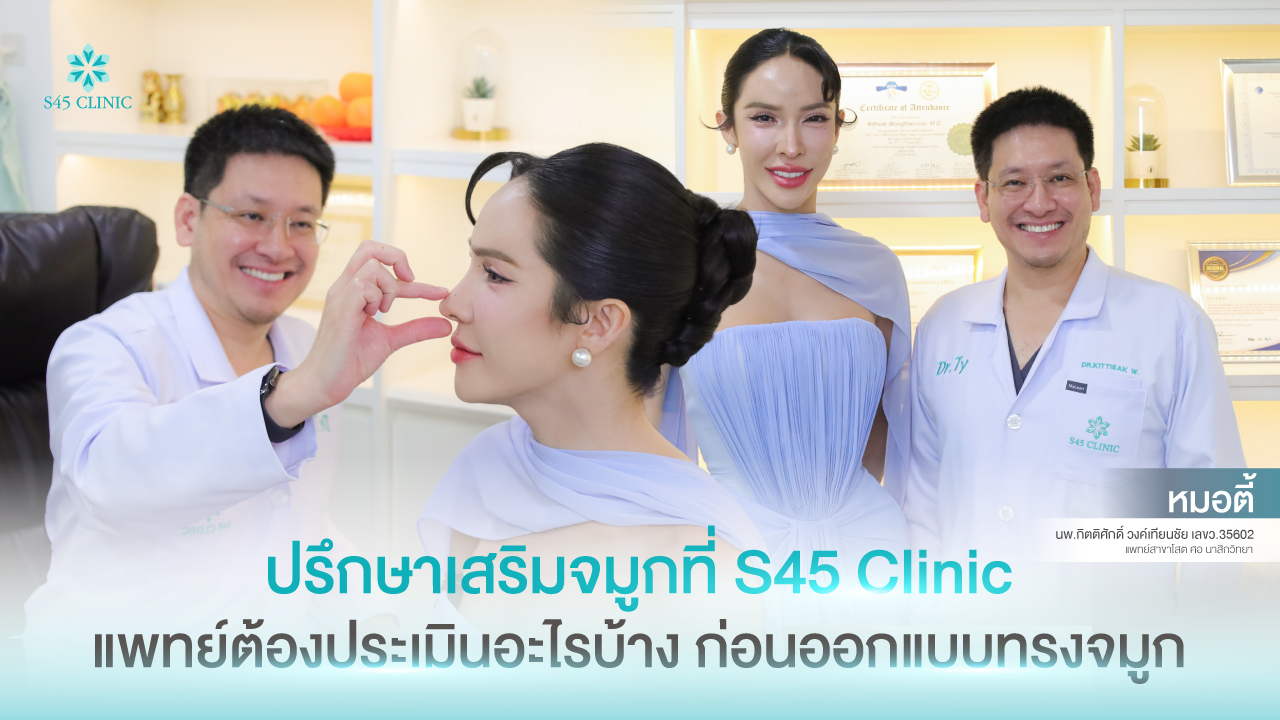
Not sure where to start with rhinoplasty? Learn what the surgeon assesses at a rhinoplasty consultation at S45 Clinic before designing a nose shape.
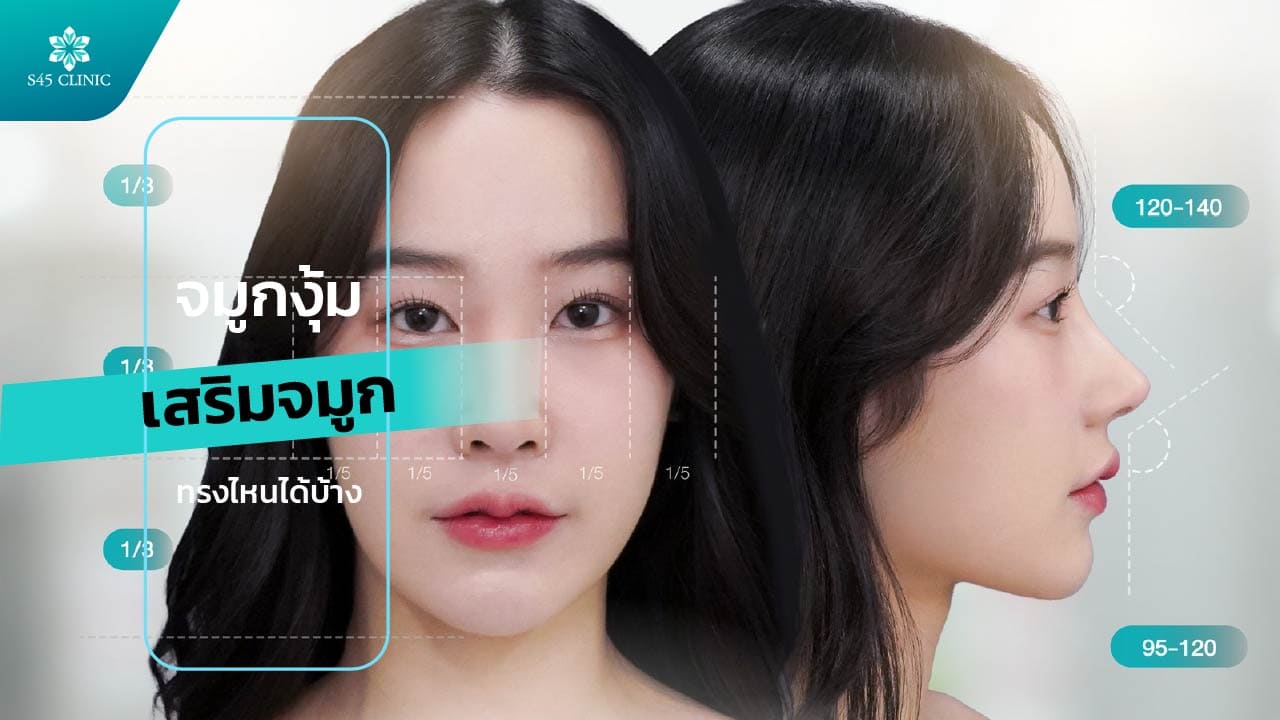
An upturned nose, also called a celestial nose, is a nose with a tip that points upwards so the nostrils are clearly visible, or a nose with a wide angle between the nasal tip and the upper lip.
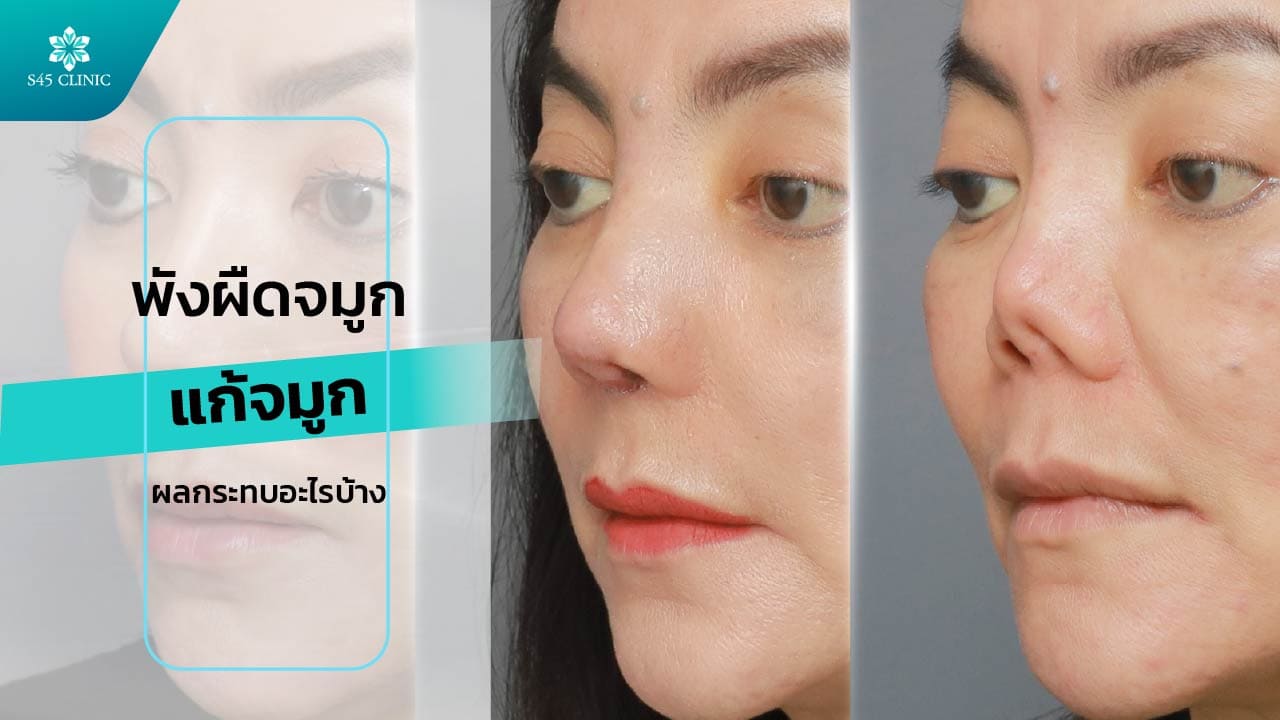
A deviated nasal septum is a septum that leans or bends to one side, making one nasal passage narrower than the other and affecting breathing.
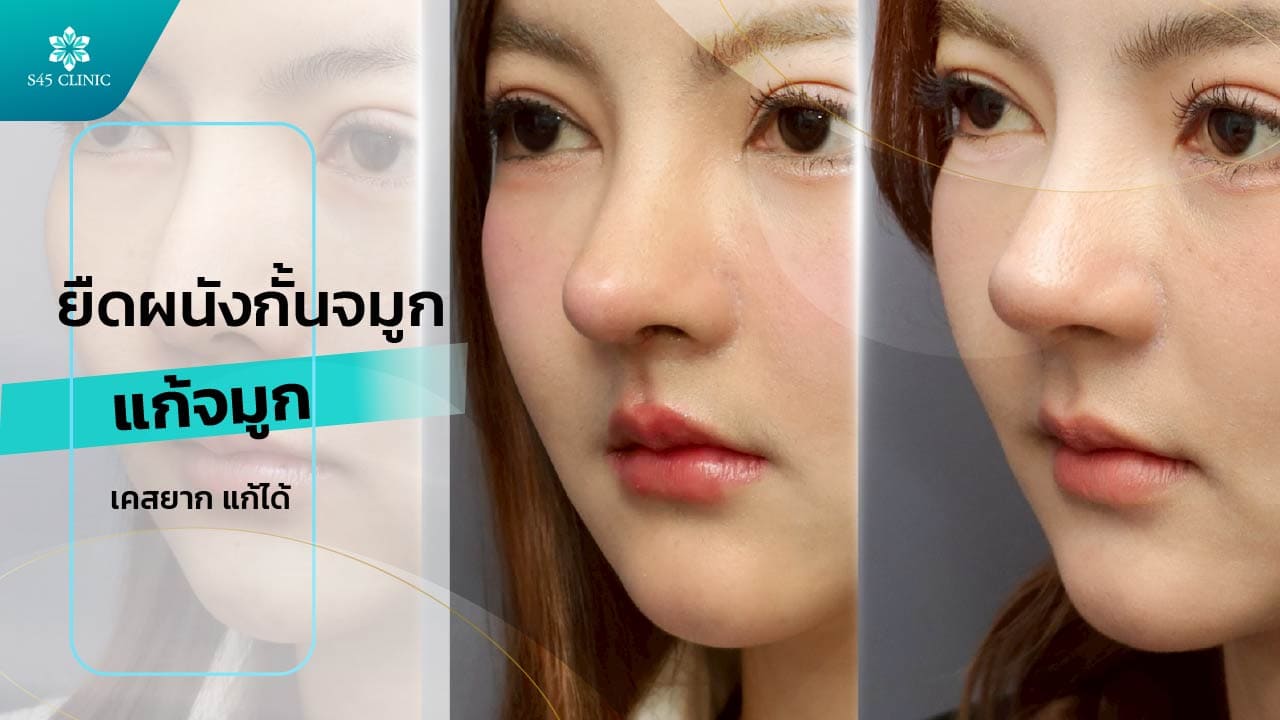
The nasal septum is the wall that divides the nasal cavity into 2 sides. It is made up of septal cartilage at the front and bone at the back.
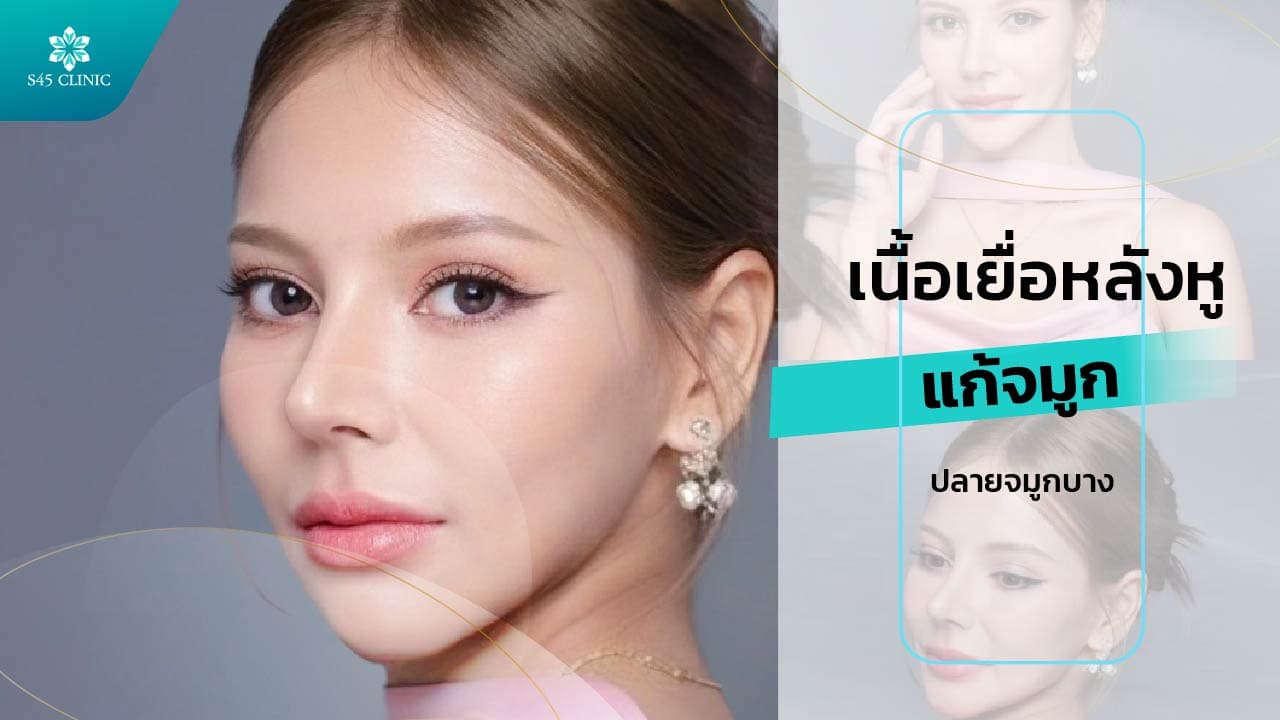
A thin nasal tip is especially common in people who have had rhinoplasty before. When the tip becomes so thin that the silicone implant shows through, it is a sign of a risk that the implant may push through the skin.
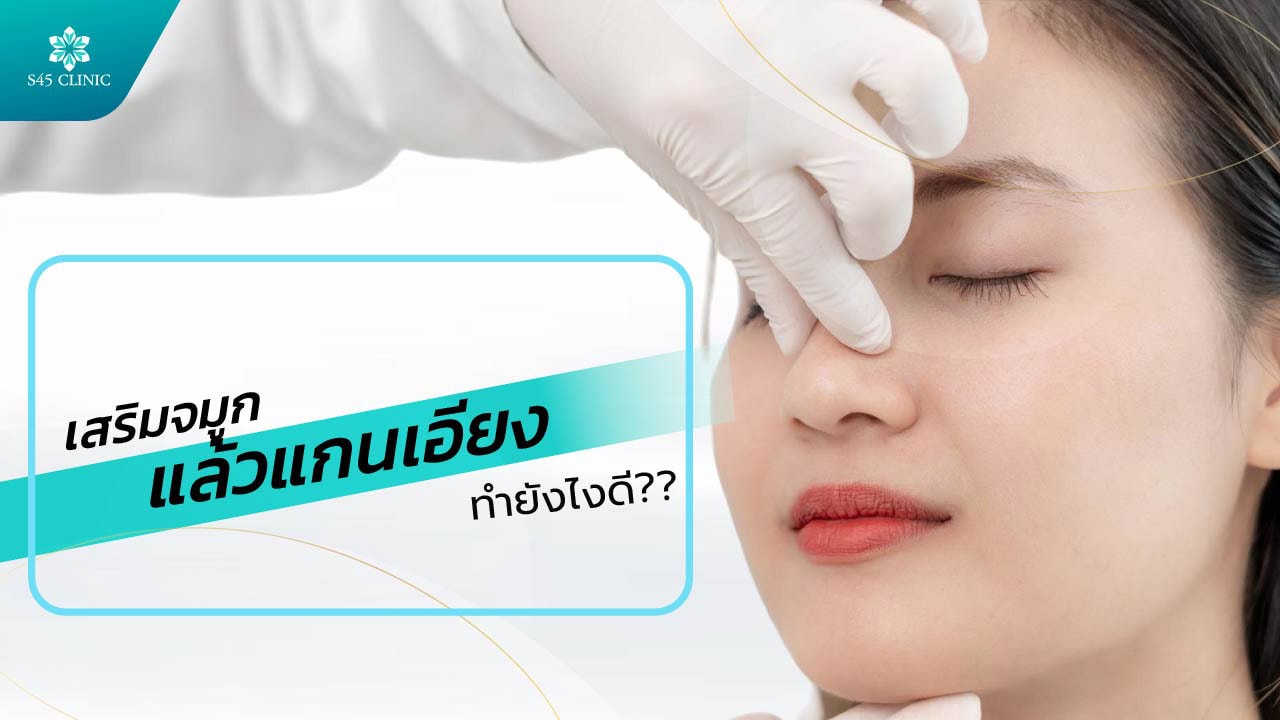
A tilted nasal axis after rhinoplasty, which makes the face look unbalanced, can happen for several reasons, including the surgical technique and facial structure that has been there since childhood. See a doctor for a diagnosis.

If you have an accident and do not have it corrected, what happens depends on how severe it is. For example, if the nose is slightly crooked and you breathe normally, or the implant has moved slightly without inflammation, you may be able to watch for changes over 3 months.
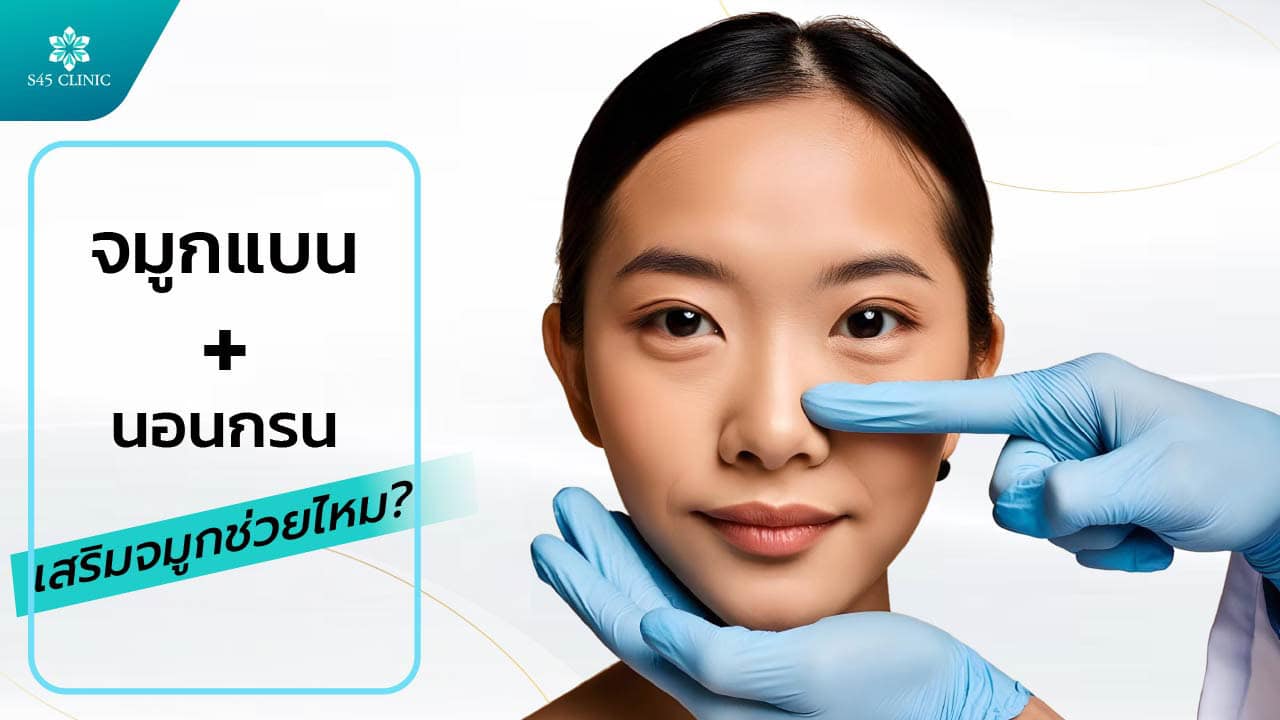
People with a high nose can snore too, and people with a flat nose do not necessarily snore. To treat snoring with rhinoplasty, the doctor must first diagnose the root cause.

Which material should you choose for rhinoplasty? Research has found that people with allergies have a 2 to 3 times higher risk of inflammation than other people, so get the facts before you decide.

Septoplasty treats breathing problems. If the problem is a deviated septum, breathing usually improves after surgery, even if the nose shape does not look better, and both procedures can be done at the same time.
