Sore Inside Nose, What Causes It, Is It Serious and Can You Still Have Rhinoplasty?
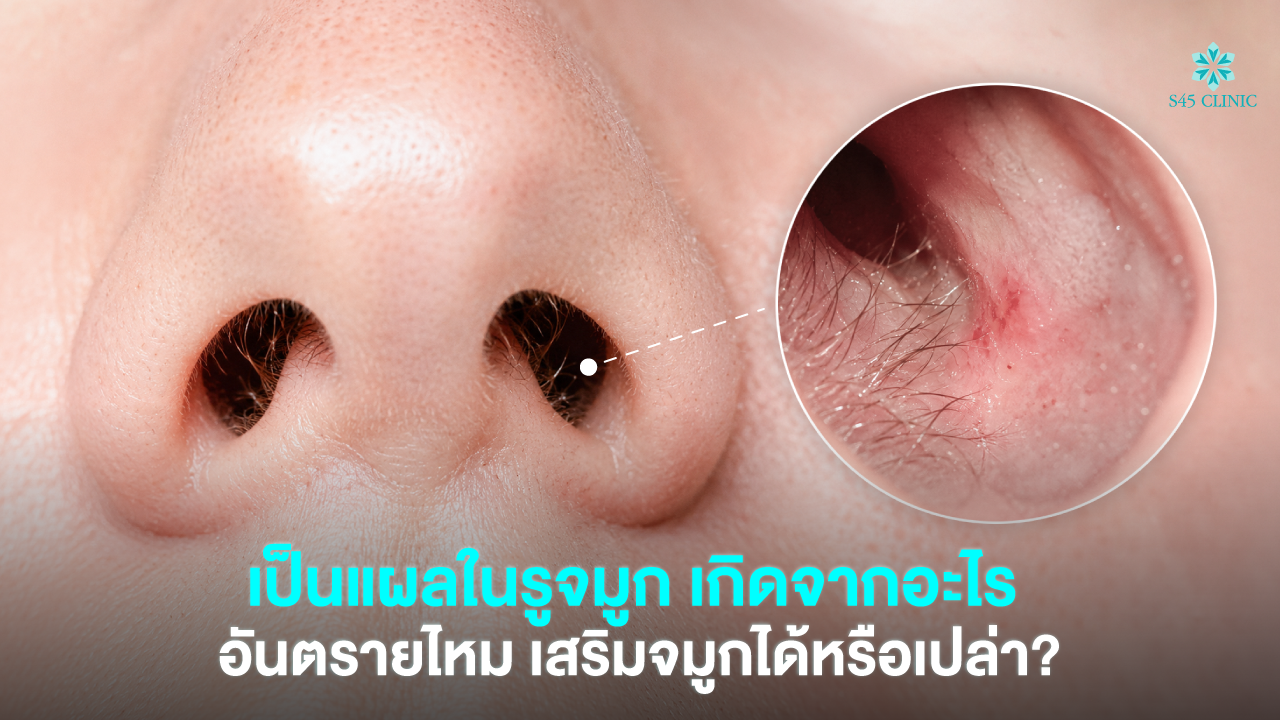
A sore inside the nose can have several causes, such as a dry nasal lining, picking the nose, friction, an inflamed spot or irritation inside the nostril. In some cases it is a small sore that gradually gets better when you leave it alone and keep it clean. But if it becomes red and swollen, very painful, has pus or an unusual smell, or keeps coming back, have it checked by a doctor, because a sore or spot inside the nostril may be linked to inflammation at the entrance of the nostril.
If you are planning rhinoplasty or have had open rhinoplasty before and have a sore inside your nose, always tell your surgeon first, so they can assess the sore, any inflammation and whether it is suitable to plan surgery. This article sums up the causes, the symptoms to look out for and what to know before deciding on rhinoplasty, in a way that is easy to understand.
What Causes a Sore Inside the Nose?
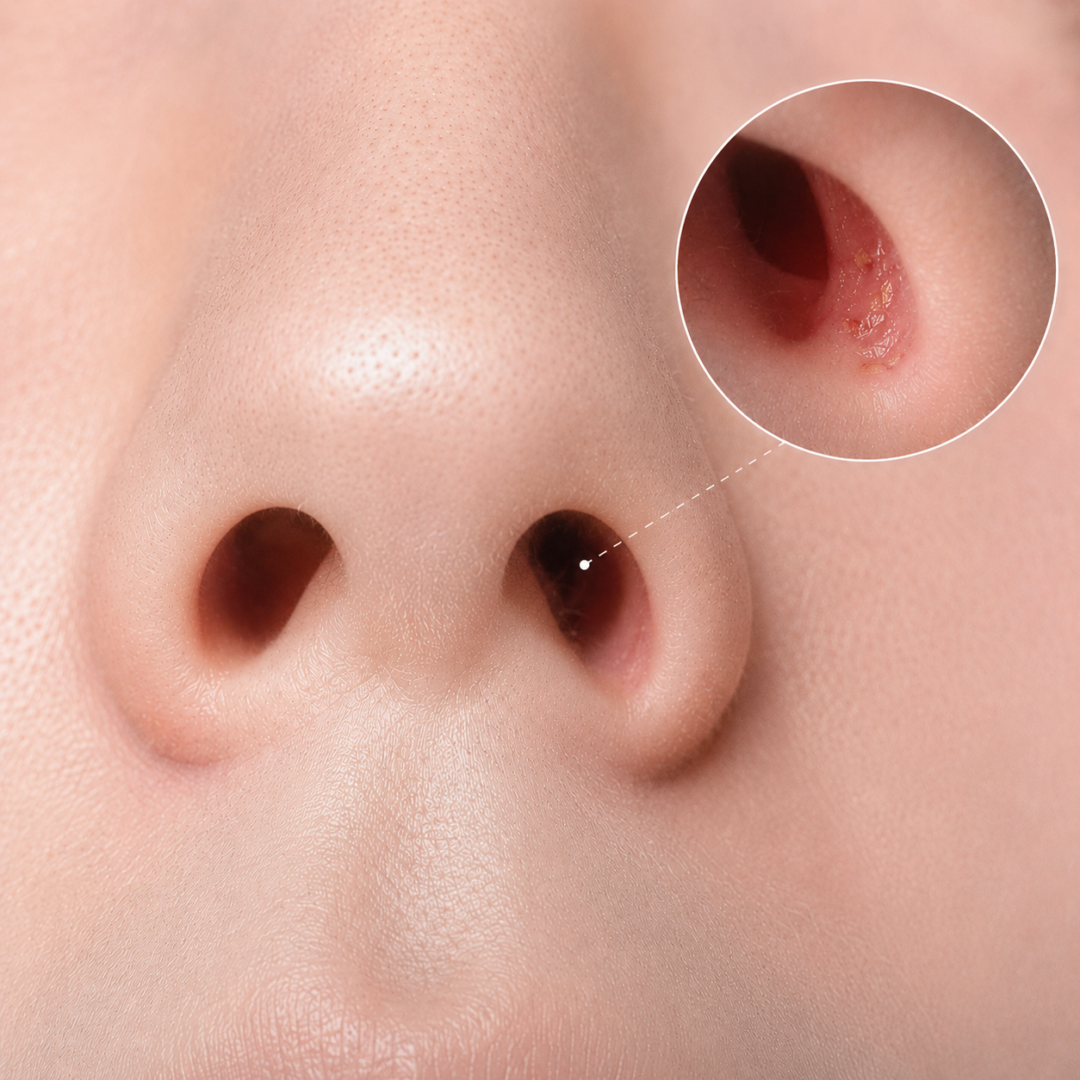
A sore inside the nose can have several causes, from minor irritation to inflammation inside the nostril in some people. Common causes include the following.
Dry or Irritated Nasal Lining
When the lining of the nose is dry or irritated, you may get stinging, soreness, crusts or small sores inside the nostril. This is often seen in people who spend long periods in air-conditioned rooms, are exposed to dry weather, have allergies, often have a blocked nose or wipe their nose hard regularly.
Common factors include:
- dry air
- spending long periods in air-conditioned rooms
- allergies or a frequently blocked nose
- wiping or blowing your nose often
Picking the Nose or Friction Inside the Nostril
Picking your nose, picking at scabs or pushing a cotton bud in too deep can scrape and irritate the skin inside the nostril until it becomes a small sore, especially if it happens often or the same spot is rubbed repeatedly.
Habits to watch out for include:
- picking your nose often
- pushing a cotton bud in too deep
- picking at scabs
- plucking nose hairs until the skin is irritated
Inflamed Spots or Small Sores Inside the Nostril
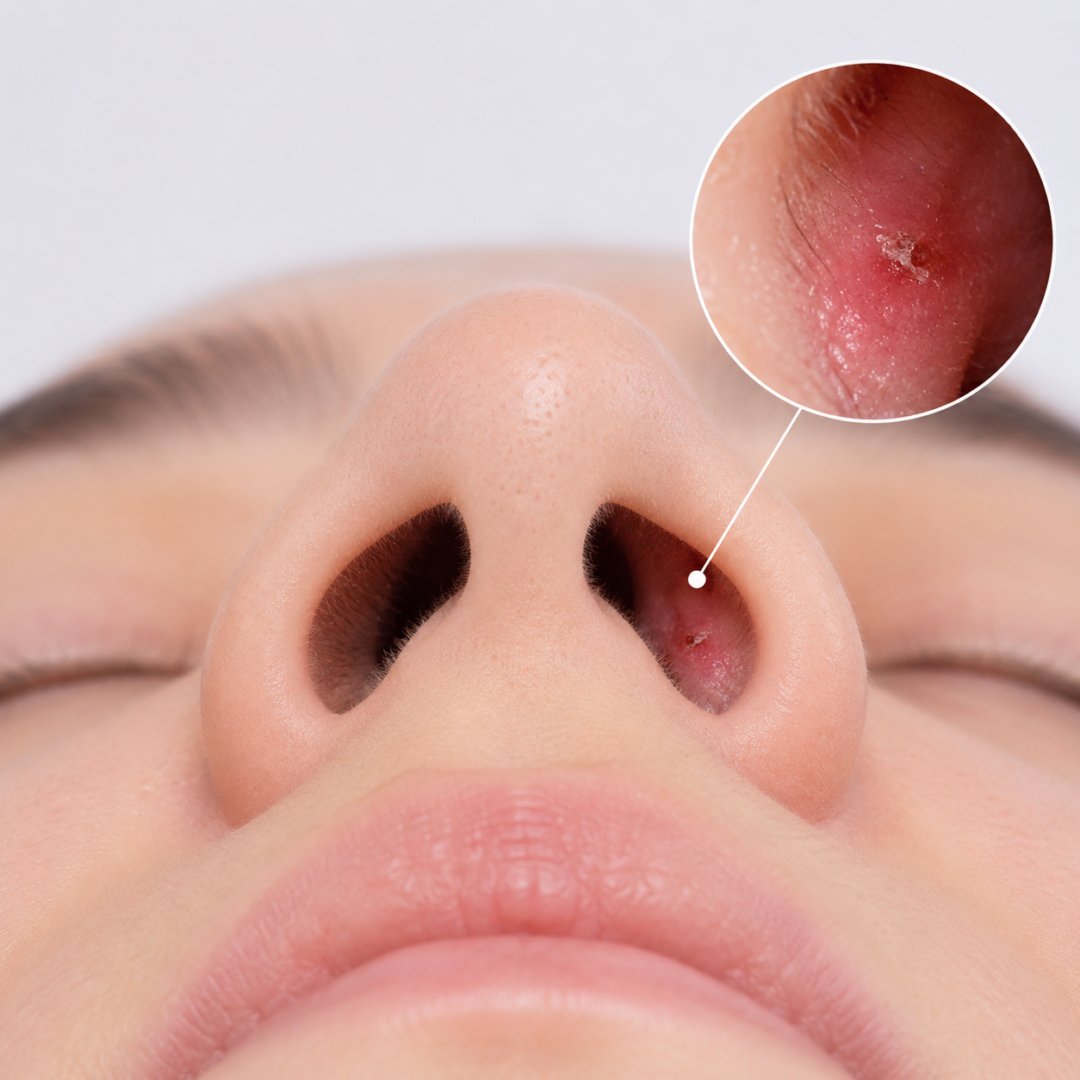
In some people, a sore inside the nose may come from an inflamed spot or irritation at the entrance of the nostril, causing tenderness, crusting, or redness and swelling. If there is pus, the pain gets worse or the sore does not improve, have it assessed by a doctor. Symptoms that may come with it include:
- a painful spot inside the nostril
- crusts
- tenderness when pressed
- redness and swelling
- pus or clear fluid in some people
Sores After Rhinoplasty or Nose Surgery
If you have had rhinoplasty or surgery on the nose before, you may have sores or crusts in some places during recovery. It is important to tell the difference between a wound that is healing normally and unusual symptoms that need a doctor to check. If, after rhinoplasty, the pain gets worse, or you have redness and swelling, pus, an unusual smell or unusual symptoms at the nasal tip, go back to see your surgeon as advised. Do not pick or scratch it, or buy medicine to use without consulting a doctor.
Which Sores Inside the Nose Are Mild and Heal on Their Own?
A sore inside the nose that is not considered dangerous is just a shallow scrape that can heal on its own. It usually has these features:
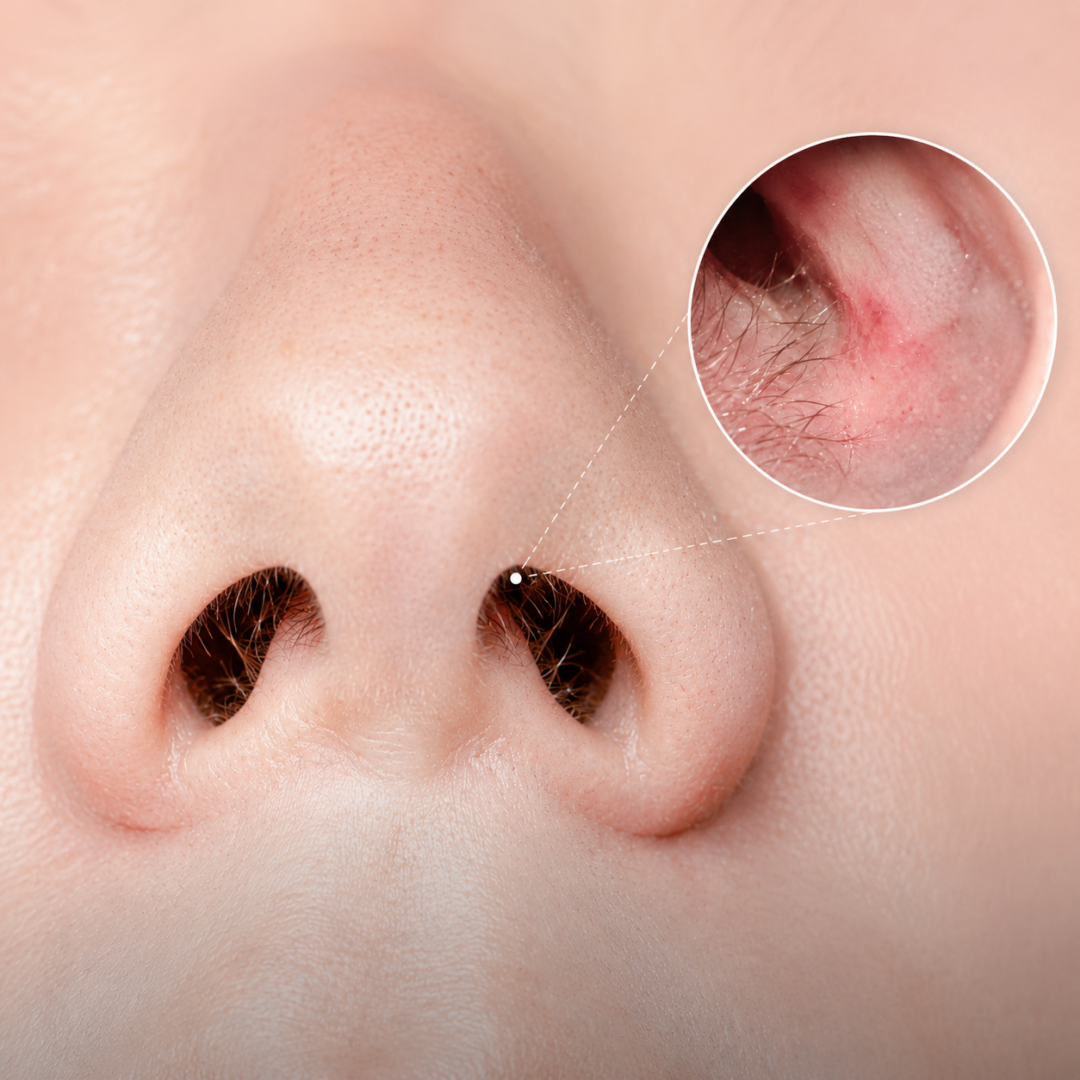
- the sore is small and may bleed slightly, but the bleeding stops on its own
- a thin scab is stuck inside the nasal cavity
- a stinging feeling, slight itching or only mild pain
- the symptoms gradually improve and the sore starts to dry within a few days
- no pus, no oozing fluid and no unusual smell
- the area is not red, swollen or inflamed, and swelling does not spread outside the nose
Caution: Even if the sore looks small or the symptoms are mild, do not pick, scratch or squeeze it at all, because this can cause irritation, split the sore open and slow down healing.
This is especially important if you are planning rhinoplasty or have had open rhinoplasty before. Keep the area clean and watch your symptoms closely, to lower the chance of irritation or infection in the future.
Which Symptoms of a Sore Inside the Nose Need a Doctor?

If you have a sore inside your nose that does not get better, or there are other unusual signs, have it assessed by a doctor to check whether there is inflammation or infection as well. This matters most if you have spots, sores, crusts or itching around the nostril, or symptoms that are spreading, which should be assessed by a healthcare professional.
See a doctor if you have any of these symptoms:
- redness and swelling that is getting worse
- pain that keeps getting worse
- pus or clear fluid
- an unusual smell
- sores that keep coming back in the same place
- a sore that does not improve after basic care
- a fever or feeling unwell
- swelling that spreads to the nasal tip, the alae or the skin around the nose
If you are preparing for rhinoplasty and have a sore inside your nose beforehand, always tell your surgeon first, so they can assess whether the sore has healed enough and plan suitable care. Do not buy medicine to apply yourself or pick at scabs before your assessment.
If You Have a Sore Inside Your Nose Before Rhinoplasty, Should You Tell Your Surgeon?
If you are planning rhinoplasty or surgery to reshape the structure of the nose and find a sore inside your nose before the day of surgery, always tell your surgeon, so they can assess the type of sore, any inflammation and whether it is suitable before planning surgery.
The surgeon considers whether the sore is just a small scrape from irritation, or whether there is inflammation as well, such as redness and swelling, pain, pus or an unusual smell. If the sore is not ready for surgery, the surgeon may advise treating it first, to help lower the chance of inflammation or infection after surgery.
What to do before your assessment:
- tell your surgeon if you have a sore, pain, stinging or a spot inside your nostril
- avoid picking, scratching or squeezing the sore
- do not buy creams or oral medicines without consulting a doctor
- watch for other symptoms, such as redness and swelling, pus, an unusual smell or a sore that does not improve
How Is a Sore Inside the Nose Different From a Keloid?

A sore inside the nose and a keloid scar look different. A sore inside the nose is usually caused by irritation, a scrape or inflammation inside the nostril, while a keloid is a raised scar that forms when a wound heals abnormally.
So having a sore inside your nose does not always mean it will become a keloid. But if the sore does not improve, keeps coming back, becomes unusually raised, or you have a history of keloids forming easily, consult a doctor for a proper assessment.
Warning Signs, Which Wounds Are at Risk of Forming a Keloid Scar
Abnormal tissue growth: If the wound heals slowly and you can feel a hard, tight, raised lump at the wound after the stitches are removed, this may be an early sign of a keloid scar. Consult a doctor promptly for an assessment.
Wound infection: Pus, oozing clear fluid, an unusual bad smell, or severe pain, swelling and redness along the stitch line and at the nasal tip.