Rib Cartilage Rhinoplasty Scar, Where Is It and How Visible Is It?
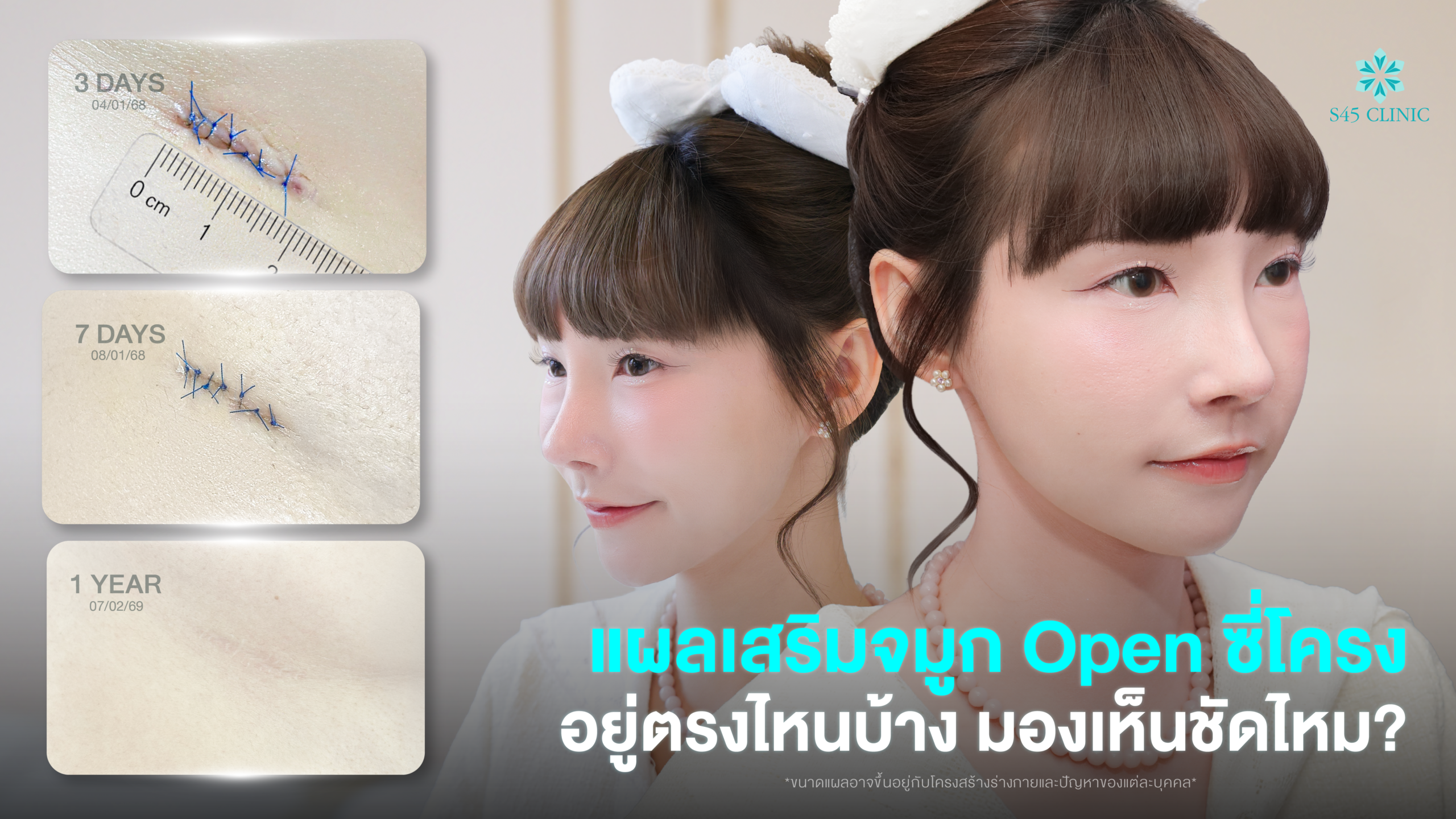
Open rhinoplasty with rib cartilage involves incisions in 2 main places, under the breast crease and at the nasal base (columella). Many people worry whether the scars will be clearly visible or leave a mark. In fact, with proper care, most scars usually fade and become hard to notice in the long term.
This article looks in detail at each incision, how long recovery takes and how likely scarring is, to help you understand more before deciding on surgery.
Where Are the ‘Surgical Incisions’ in Open Rhinoplasty?
1. Incision under the breast crease (to take rib cartilage)
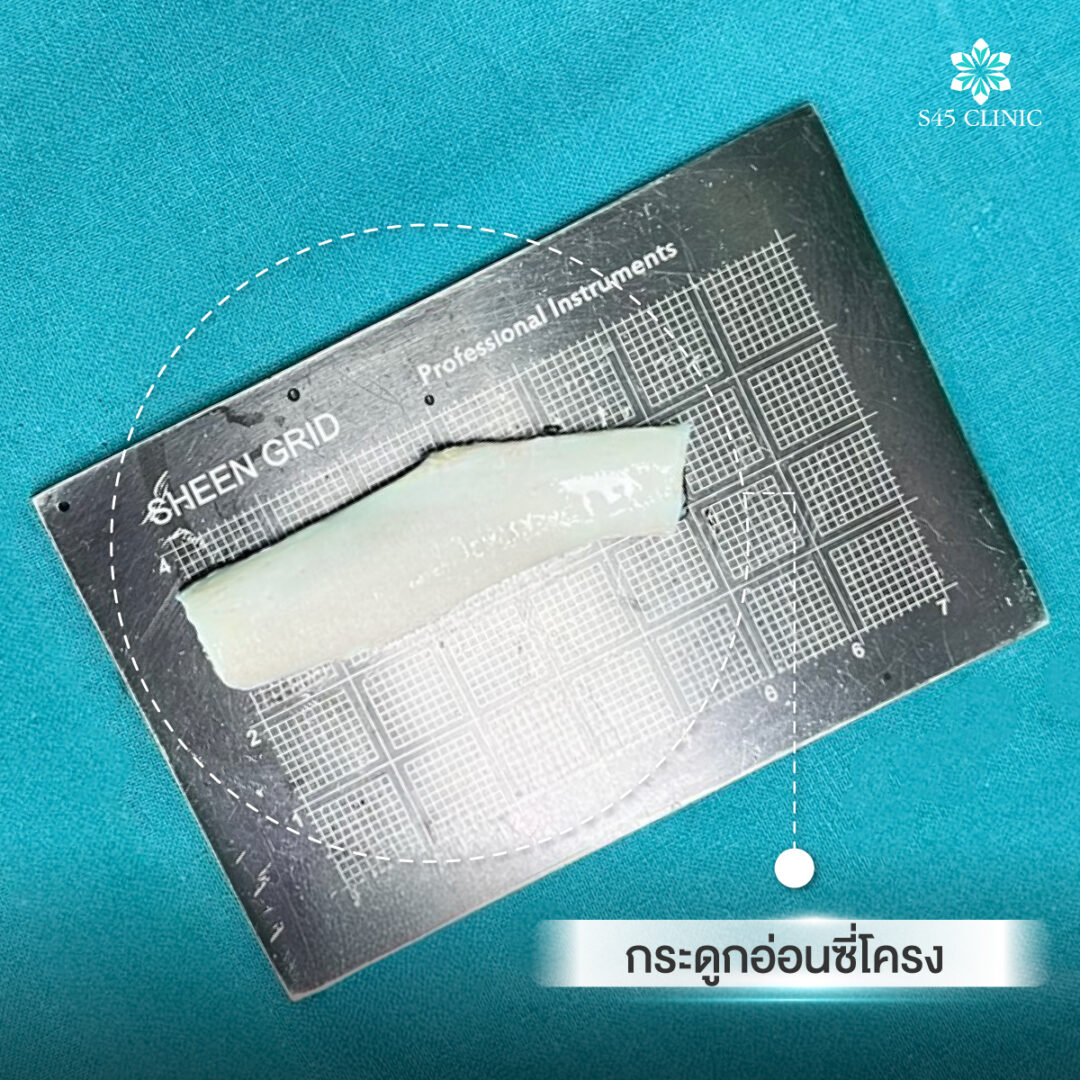
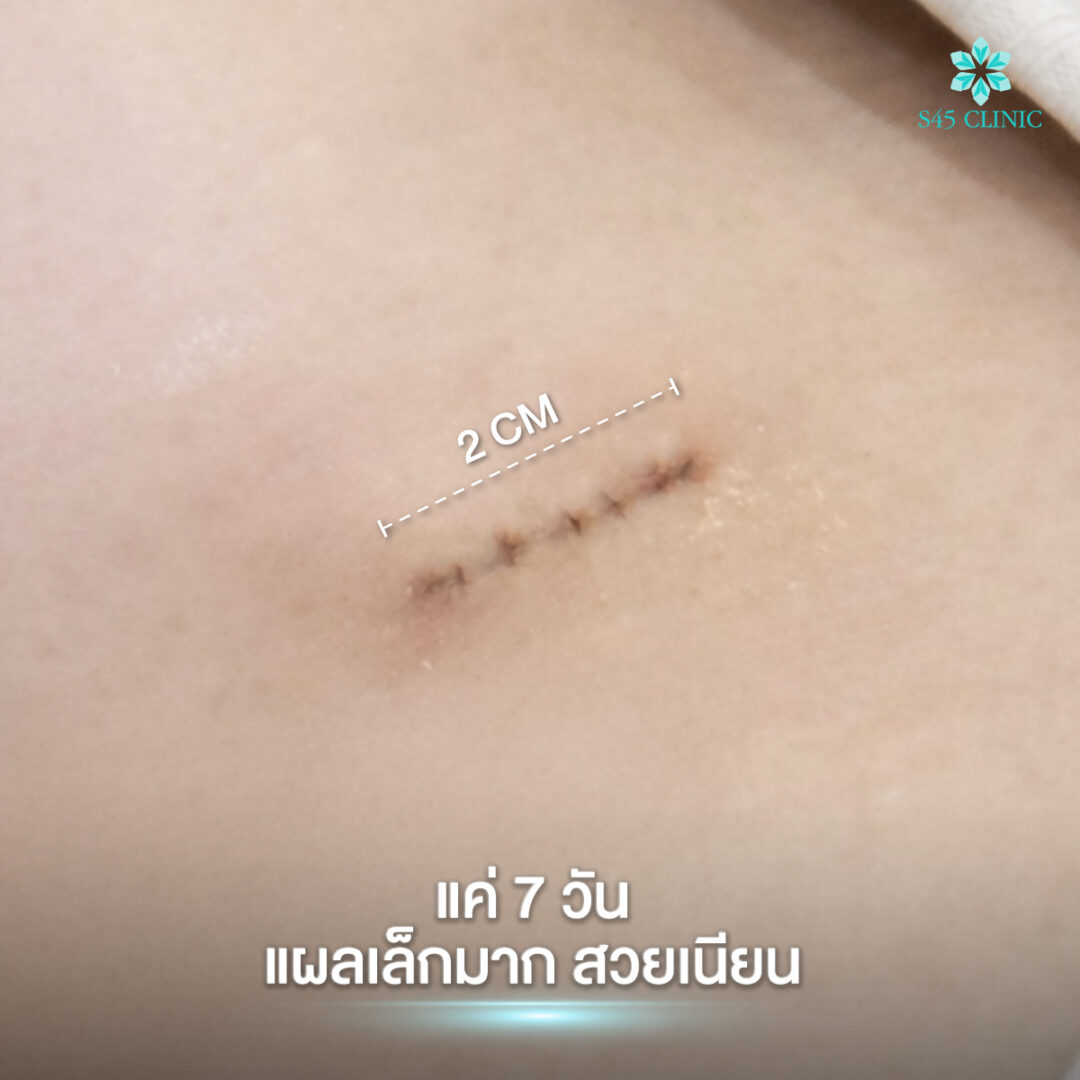
- The surgeon makes a small incision of 1.5cm to 3cm in the crease under the breast (left or right), a position hidden under clothing and out of sight.
- Over time, if the wound is cared for properly, the scar gradually heals and fades to a thin white line, which makes it hard to notice.
The size of the incision may depend on each person’s body structure and problem.
2. Incision at the nasal base (columella)
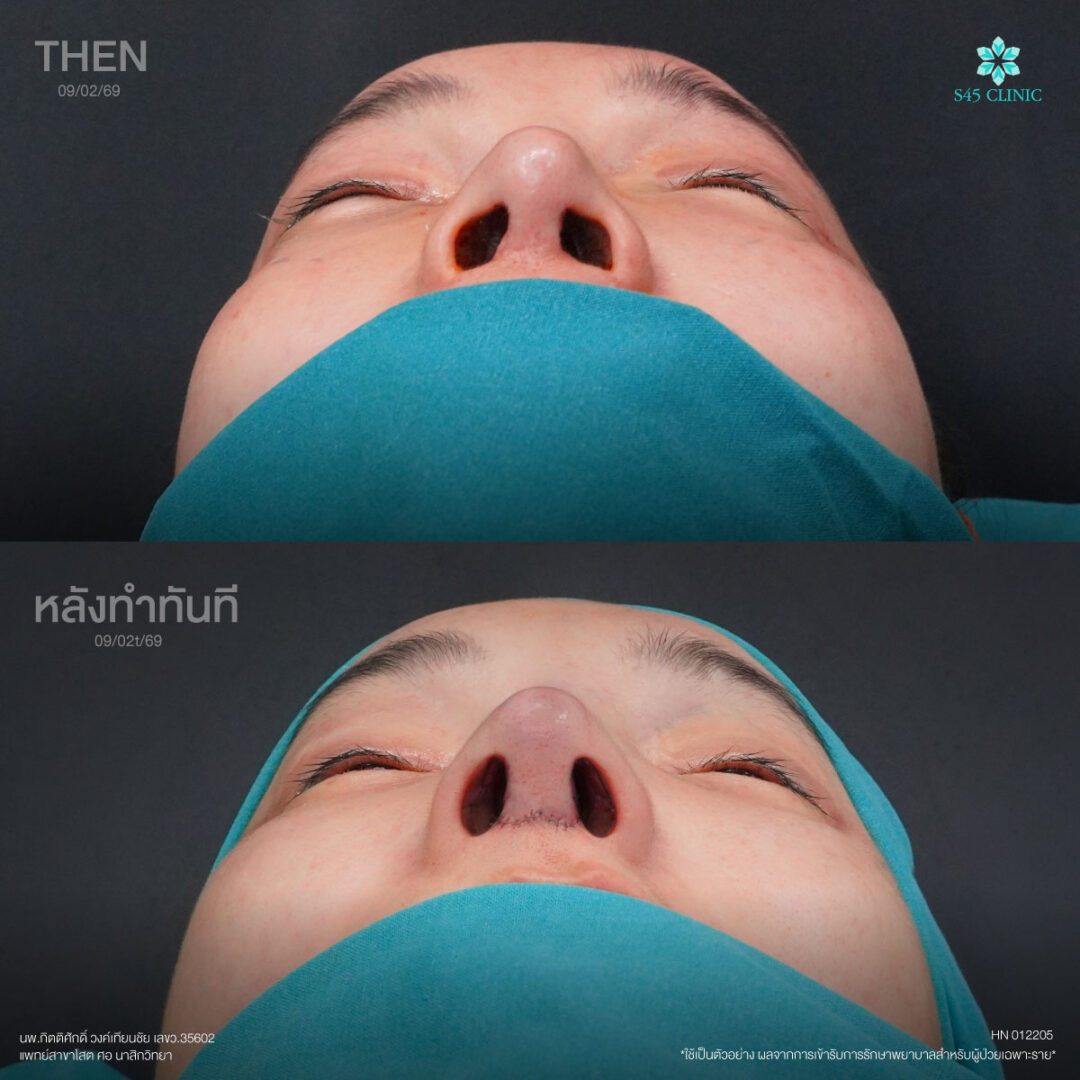
- The columella is the tissue that separates the nostrils on each side, and it is where the incision is made for open rhinoplasty.
- The incision is only a small line under the nasal base. With the stitching technique used, once the wound tightens and heals into place, the stitch line blends into the crease of the nasal base, so the scar looks smooth and blends in with the surrounding skin.
Is a Rib Cartilage Rhinoplasty Scar Clearly Visible?
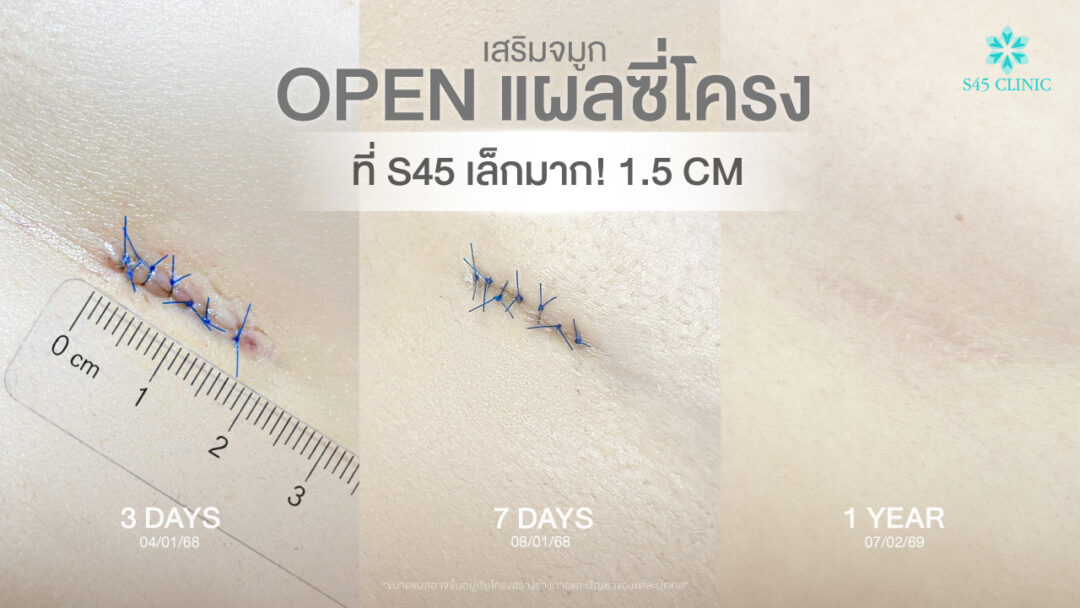
In general, the incisions for open rhinoplasty with rib cartilage are placed where the surgeon plans to hide them as much as possible, such as the nasal base or columella and the crease under the breast. When the wound heals well and is cared for properly, the scar may gradually fade. How the scar looks can vary from person to person, depending on skin type, healing and aftercare.
Incision size and healing depend on each person’s skin type, nose structure and aftercare.
How to Care for the Wound After Open Rhinoplasty With Rib Cartilage to Lower the Chance of a Keloid Scar
To support a good result from open rhinoplasty, help the wound heal and lower the chance of a raised scar, follow this advice:
- Days 1 to 7
Keep water off the wound until the stitches are removed, to prevent moisture building up. Clean the wound gently with a cotton bud dipped in saline, to help lower the chance of inflammation and infection.
- Use cold and warm compresses at the right time
Use cold compresses during week 1 to help reduce pain and swelling, then switch to warm compresses after 7 days to encourage blood flow.
- Apply scar treatment
After the stitches are removed or the wound is fully dry, your surgeon may advise using a scar gel regularly, to help the scar look smoother and lower the chance of a keloid scar in some people.
- Avoid risky habits
Do not smoke or drink alcohol, and avoid pickled foods and seafood, which are traditionally avoided after surgery in Thailand. Never pick or scratch the scab.
S45 Clinic Focuses on Your Scar and Aftercare After Open Rhinoplasty
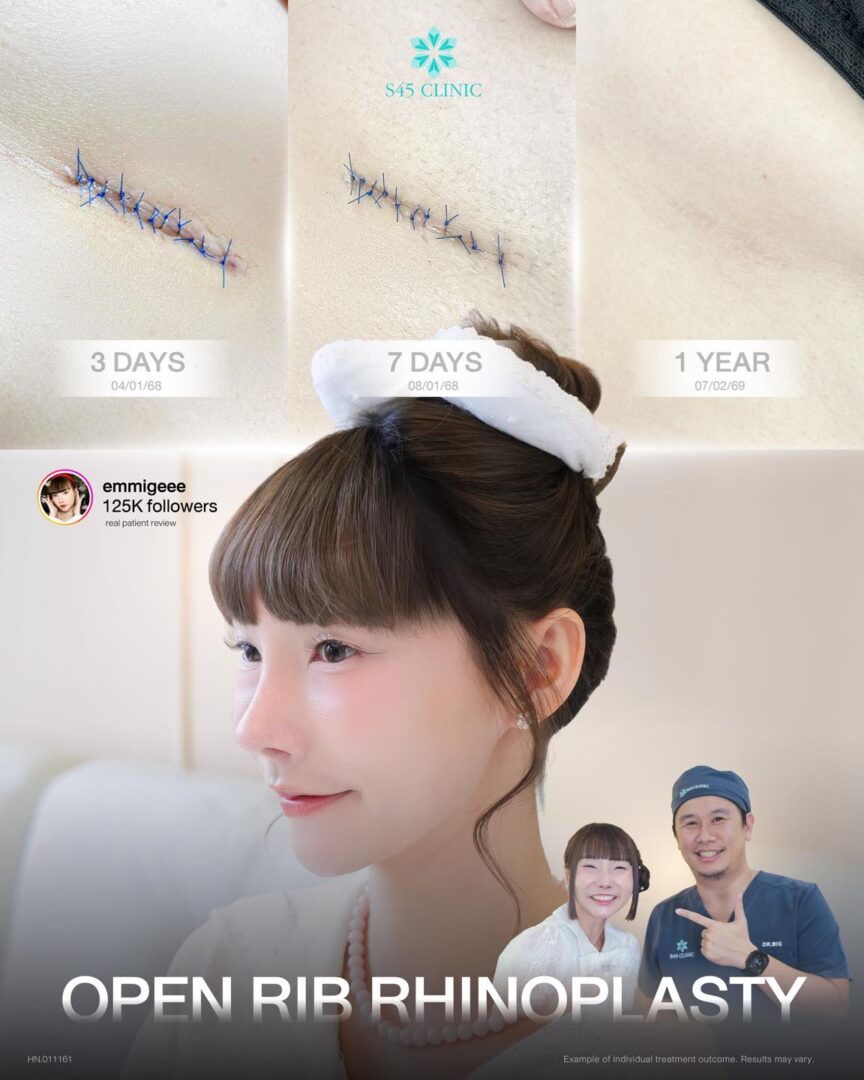
Surgery to reshape the structure of the nose is a medical procedure that should be assessed and planned properly. Surgeons at S45 Clinic focus on planning the incision position, closing the incision and proper aftercare, to help the wound heal well and lower the chance of problems that may follow.
If you are interested in open rhinoplasty but are still worried about scars, the incision at the nasal base or the incision for taking rib cartilage, you can book a consultation with a surgeon at S45 Clinic to assess your skin, nose structure and the wound care that suits you before you decide.
Frequently Asked Questions About Rib Cartilage Rhinoplasty Scars
“Reveal the beauty within you”
If you are interested in reshaping the structure of your nose, you can send photos for an assessment or book a consultation with a surgeon at S45 Clinic through the channels below: