What Nose Shape Suits My Face? What to Check Before Choosing a Shape for Rhinoplasty
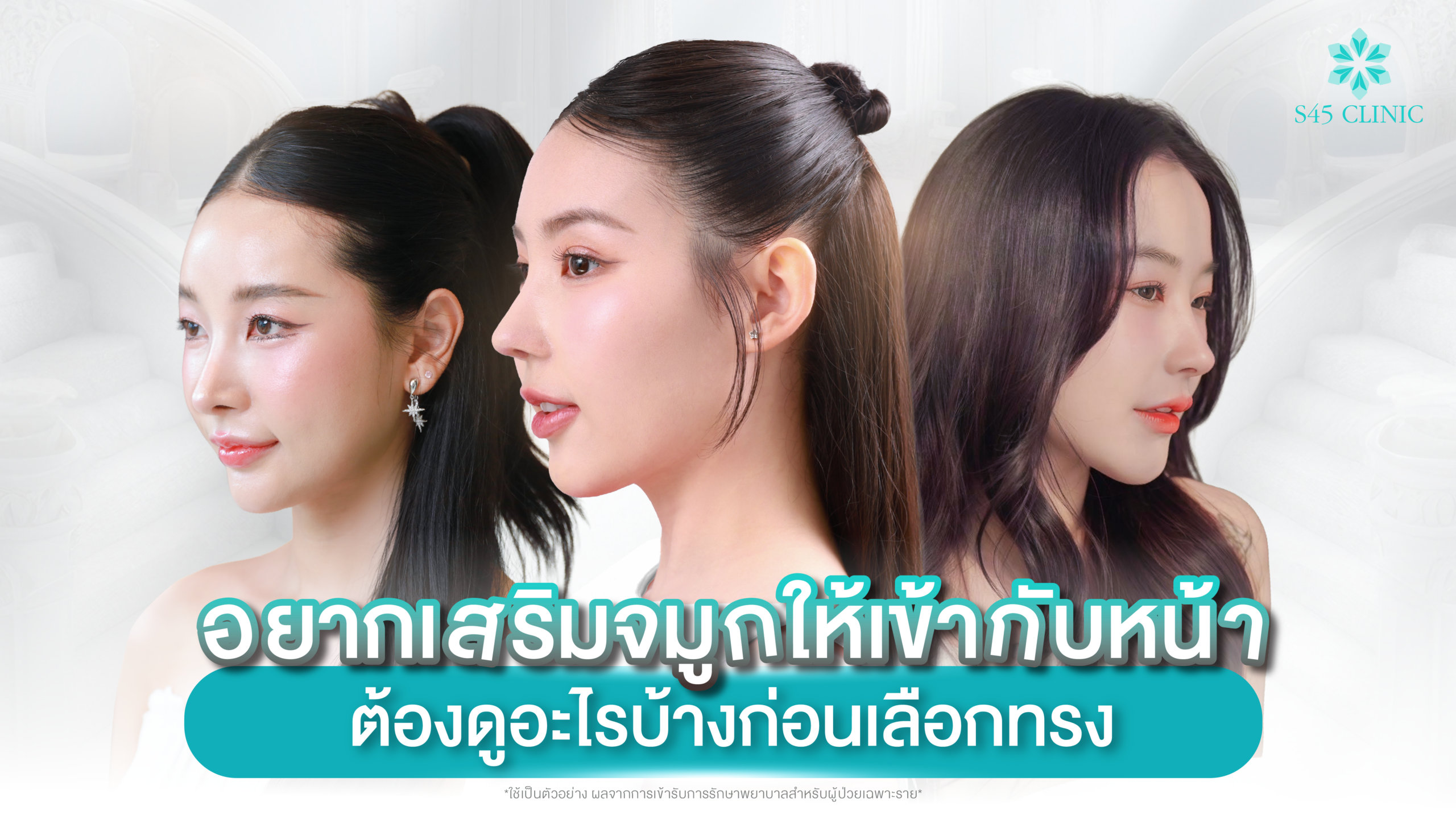
Choosing a nose shape is not only about “which shape you want” or “which reference photo you like”, because everyone’s face has a different structure and proportions, including the nasal bridge, nasal tip, nasal base and existing soft tissue, as well as the face as a whole.
All of these affect how the nose shape is designed, because a nose shape that suits one person may not always suit another. Assessing your existing structure and facial proportions is therefore an important step in planning rhinoplasty that looks balanced and suits each person’s face.
If you are interested in open rhinoplasty, this article explains what to look at before choosing a nose shape, and why the surgeon needs to assess more than the example photos you bring.
Why a Nose Shape Should Not Be Chosen From Reference Photos Alone
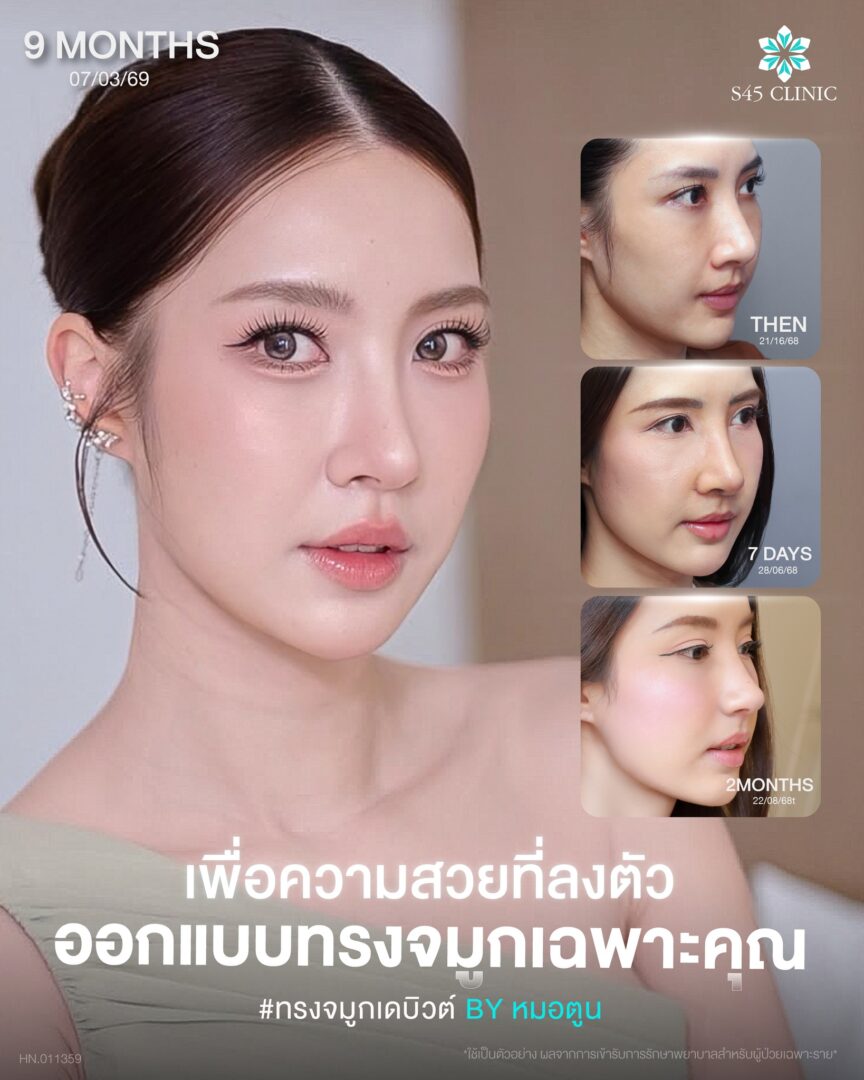
Reference photos help the surgeon understand your style, such as wanting a soft shape, a sharper shape or more definition in the face, but a reference photo cannot decide the whole result, because each person has a different facial structure and existing nose. Differences include:
- the length of the face
- the width of the cheekbones
- the height of the forehead
- the position of the lips and chin
- the thickness of the skin of the nose
- the existing soft tissue of the nose
- the nasal base and nasal tip
So a nose shape that suits one person may not always suit another. Choosing a nose shape should start with an assessment of your actual face, not a choice from example photos alone.
How Your Existing Face Shape Affects Your Nose Shape
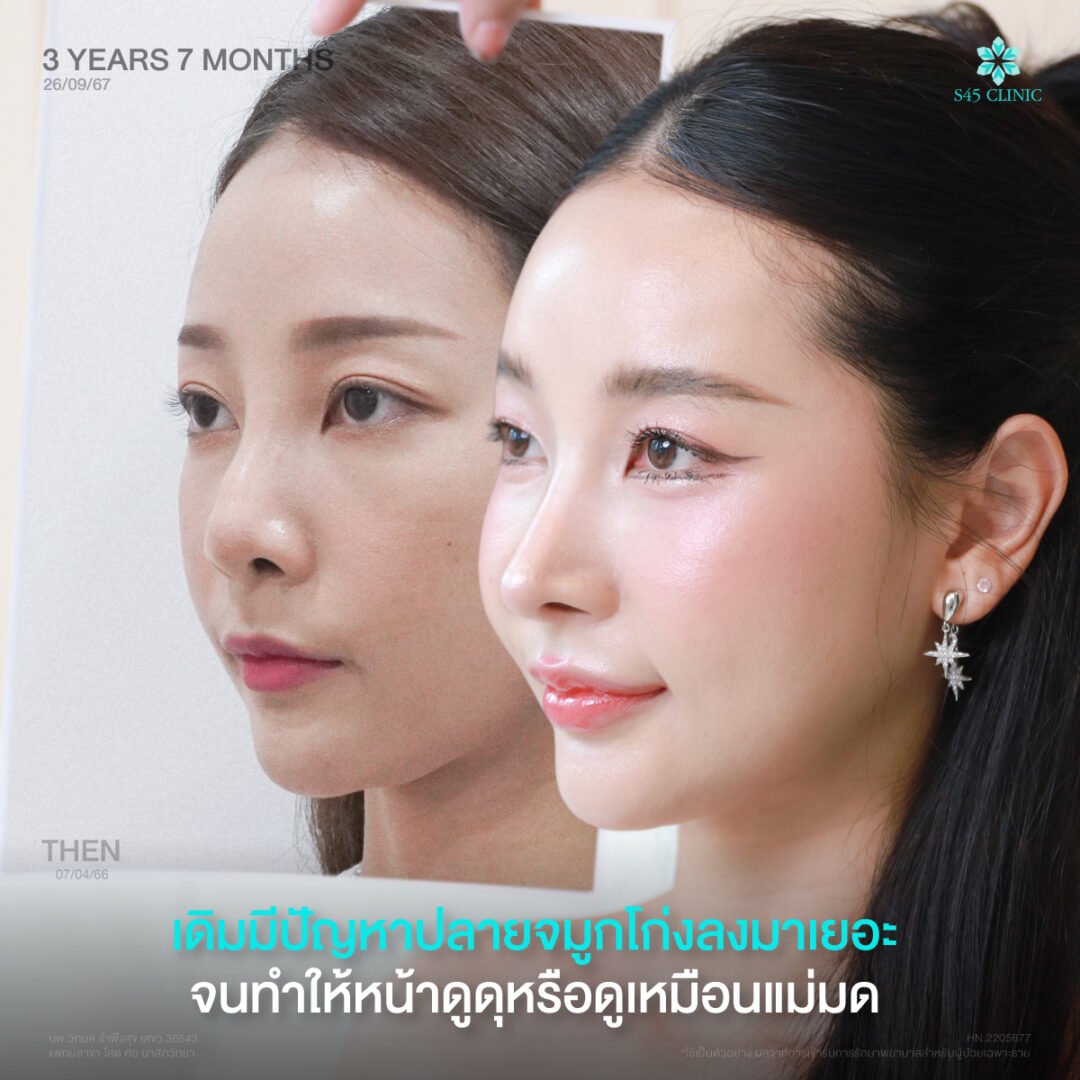
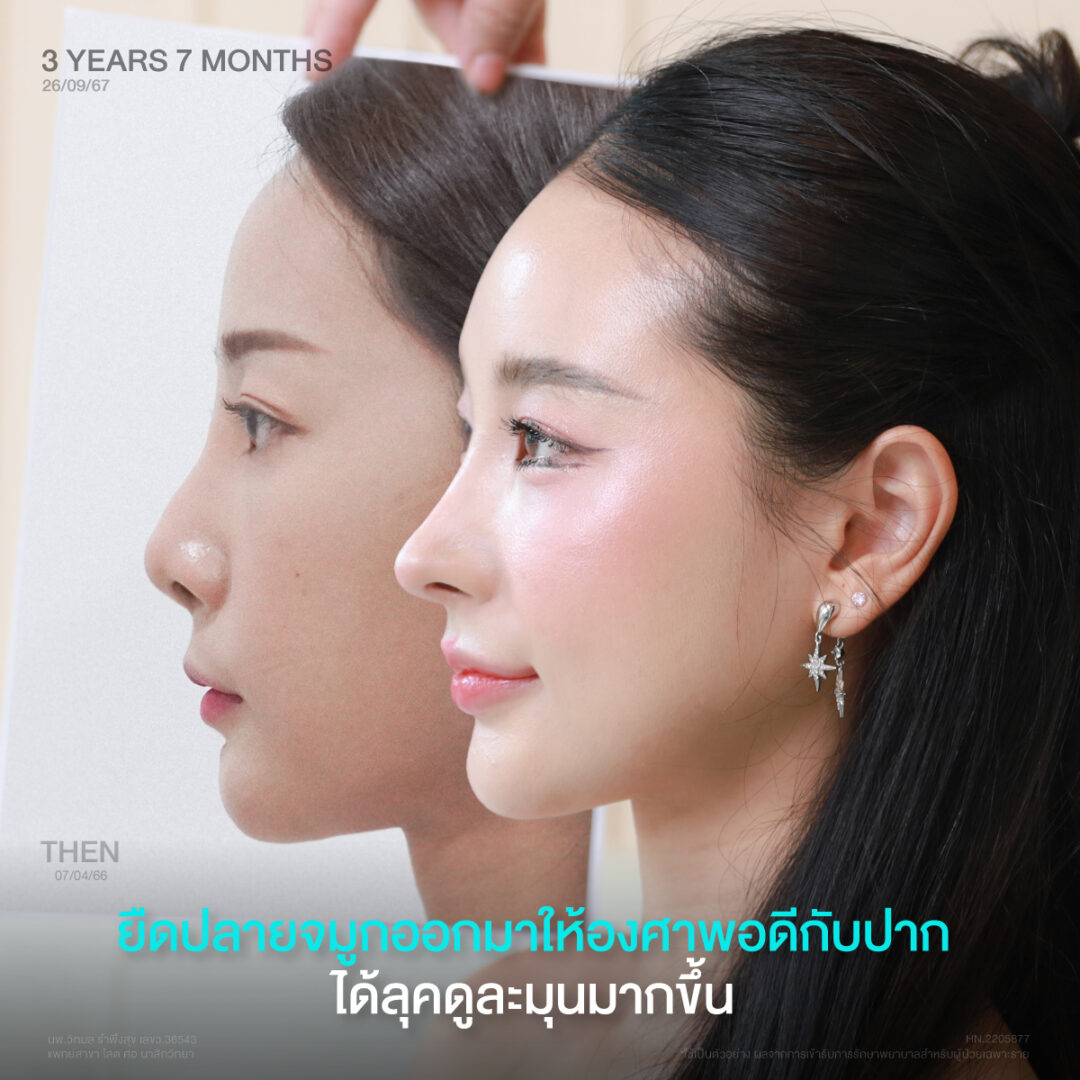
Choosing a nose shape is not only about height or a shape you like. Your ‘existing face shape’ also needs to be considered, because the nose sits in the middle of the face. If it is planned without assessing your overall proportions, the nose shape may not look balanced with the rest of your face.
The surgeon assesses these features together:
1. Forehead
The forehead affects the line of the nasal bridge. If your forehead is fairly flat, the surgeon assesses where the bridge line should start, so the nose shape suits your face.
2. Cheekbones
The cheekbones affect the definition of the face from both the front and the side. If you choose a nose shape that is too high or too projected without assessing the cheekbones, the nose may stand out more than the rest of your face.
3. Lips and chin
The side profile of the nose should relate to the lips and chin, because they are key to a face that looks balanced from the side. So nose design should not look at the bridge or tip alone.
4. Front view and side view
Assessing the nose shape should look at the front view and side view together, because some people already look balanced from the front but may want more definition from the side, while others may be concerned about the nasal base, the tip or how balanced the nose looks from the front.
So nose shape design should consider several angles, to better suit each person’s existing face shape.
How Important Are the Soft Tissue, Skin and Tip of the Nose?
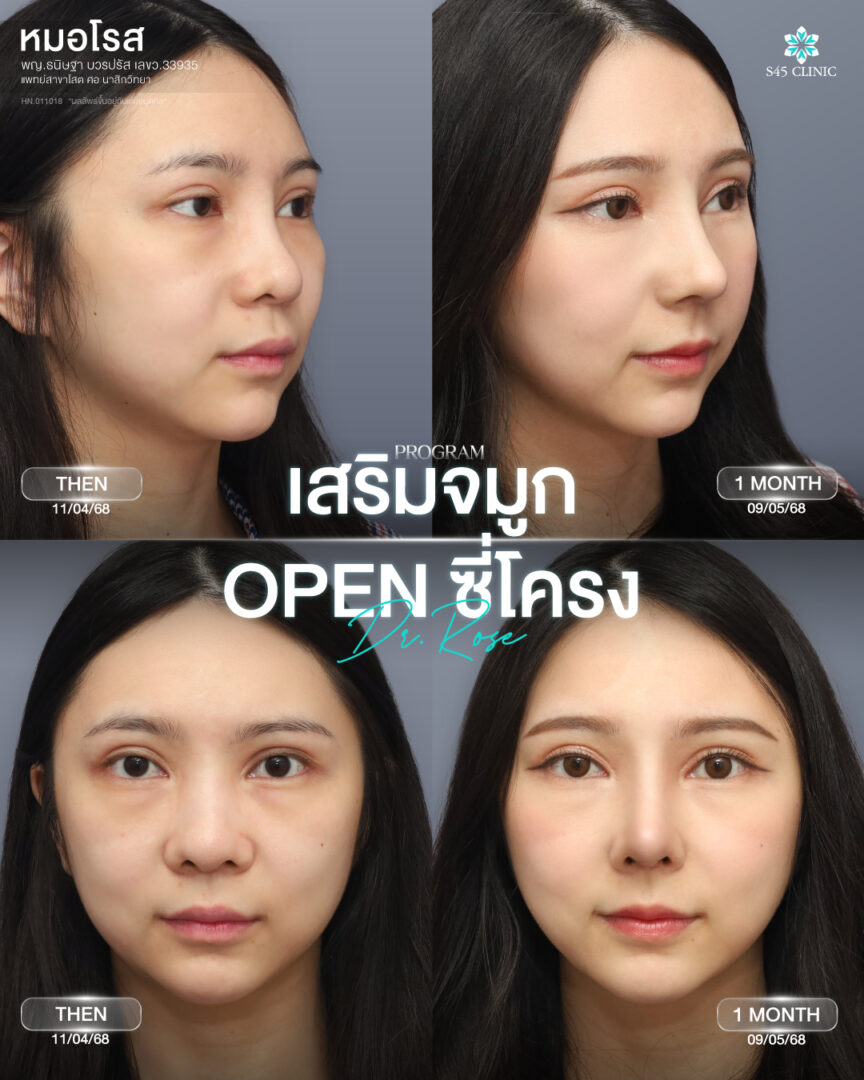
One key factor before choosing a nose shape is the ‘soft tissue and skin of the nose’, because everyone’s nose is different. Some people have fairly thick skin and a lot of soft tissue at the tip, while others have thin skin, little soft tissue at the tip or have had nose surgery before. All of these affect how the nose shape is planned and designed.
Surgeons at S45 Clinic assess several factors together, such as:
- whether the skin of the nose is thick or thin
- how tight the nasal tip is
- how much the soft tissue at the tip limits the shape it can support
- whether the internal structure of the nose is strong
- whether there is scar tissue or limitations from previous nose surgery
If you want to change the nose shape more than the tissue and skin can support, this may increase the risk of long-term problems in some cases, such as a tilted tip, thinning skin, the implant pushing through the skin (implant extrusion) or a nose shape that does not look balanced with your face.
For some cases with a complex nose structure, the surgeon may consider open rhinoplasty, to see the internal structure more clearly and plan surgery that better suits each person’s limitations.
Open rhinoplasty with rib cartilage, or using rib cartilage, may be considered in some cases that need extra strength to support the nose structure, depending on the surgeon’s individual assessment.
FAQ, Frequently Asked Questions About Rhinoplasty That Suits Your Face
“Reveal the beauty within you”
To ask questions, get an initial facial assessment or book a consultation with a surgeon at S45 Clinic, contact us through the channels below: