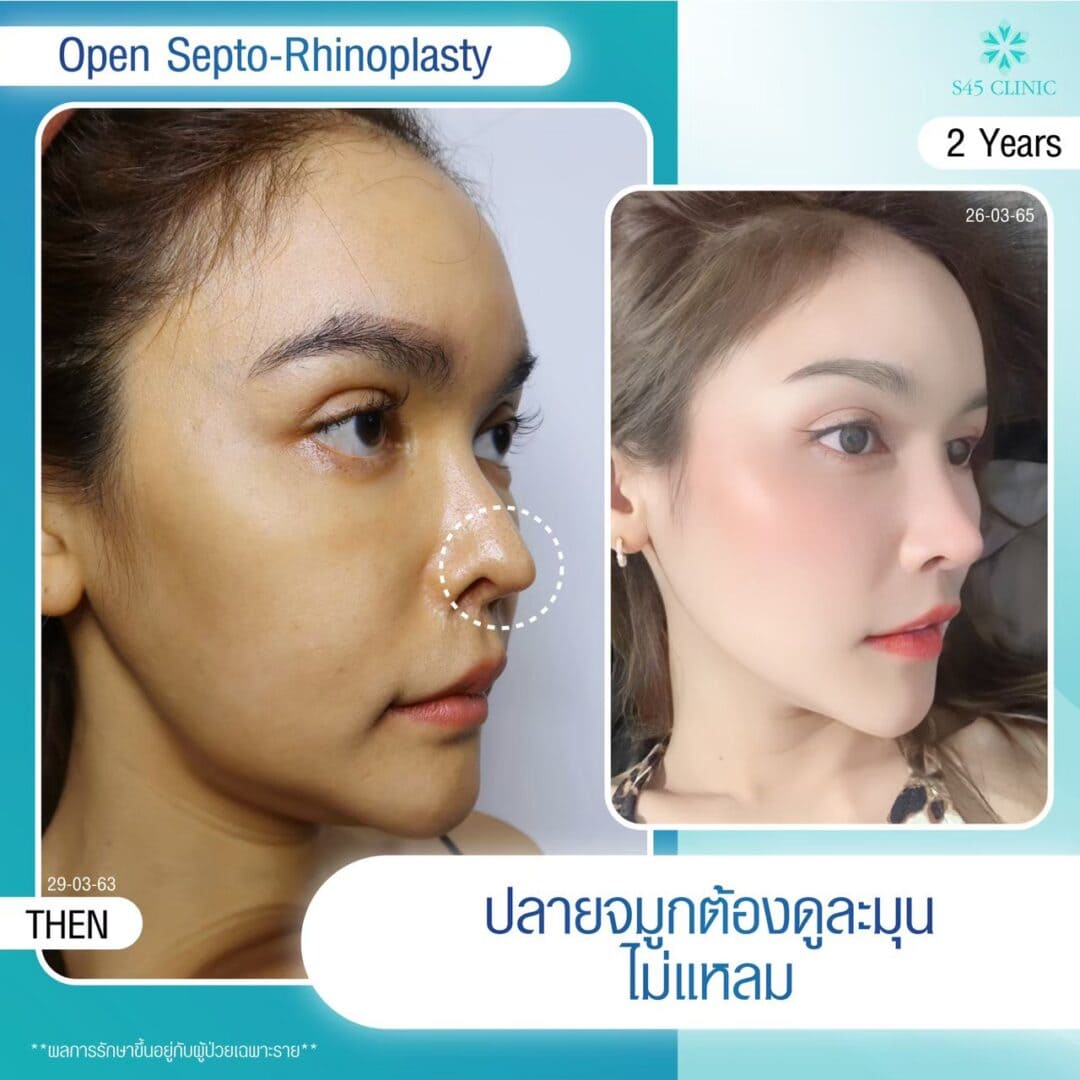
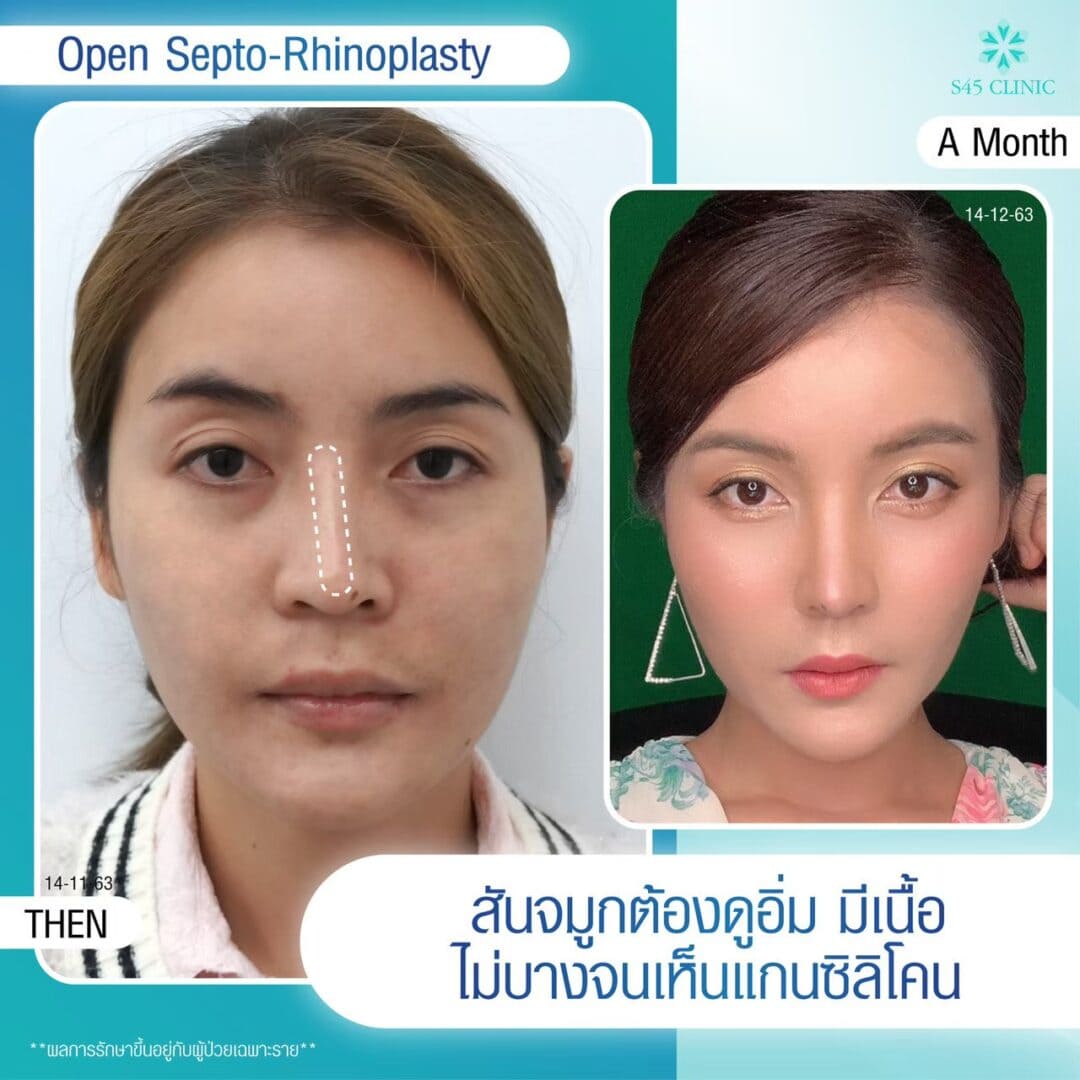
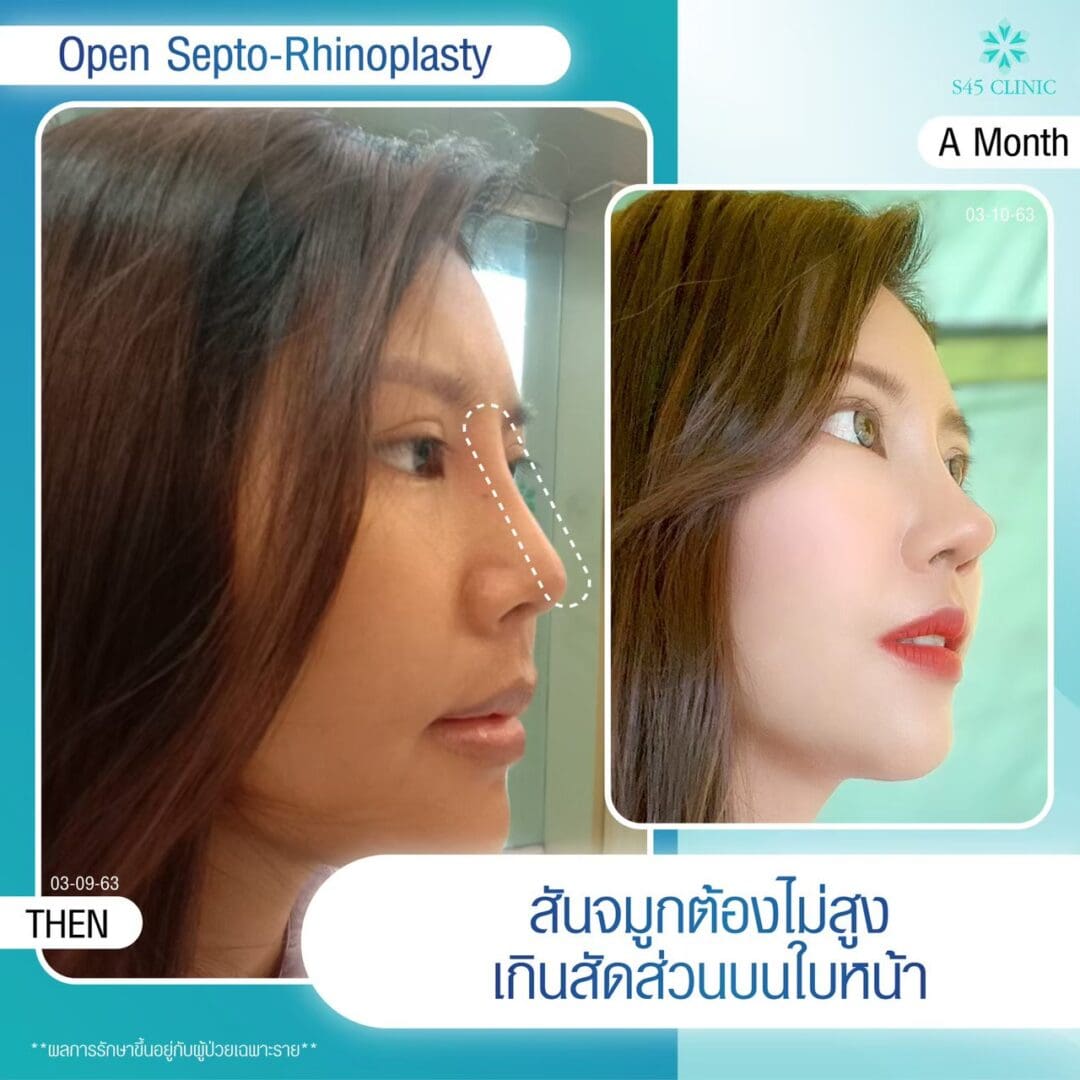
Nose Implant Moving After Rhinoplasty, What to Do

A silicone nose implant moving out of place is one of the problems that may happen after rhinoplasty in some people. You may notice the implant shifting or moving, its edges showing clearly, or the nose shape looking different from before. If you are worried, have an assessment with a surgeon to plan care or revision that suits your existing nasal structure.
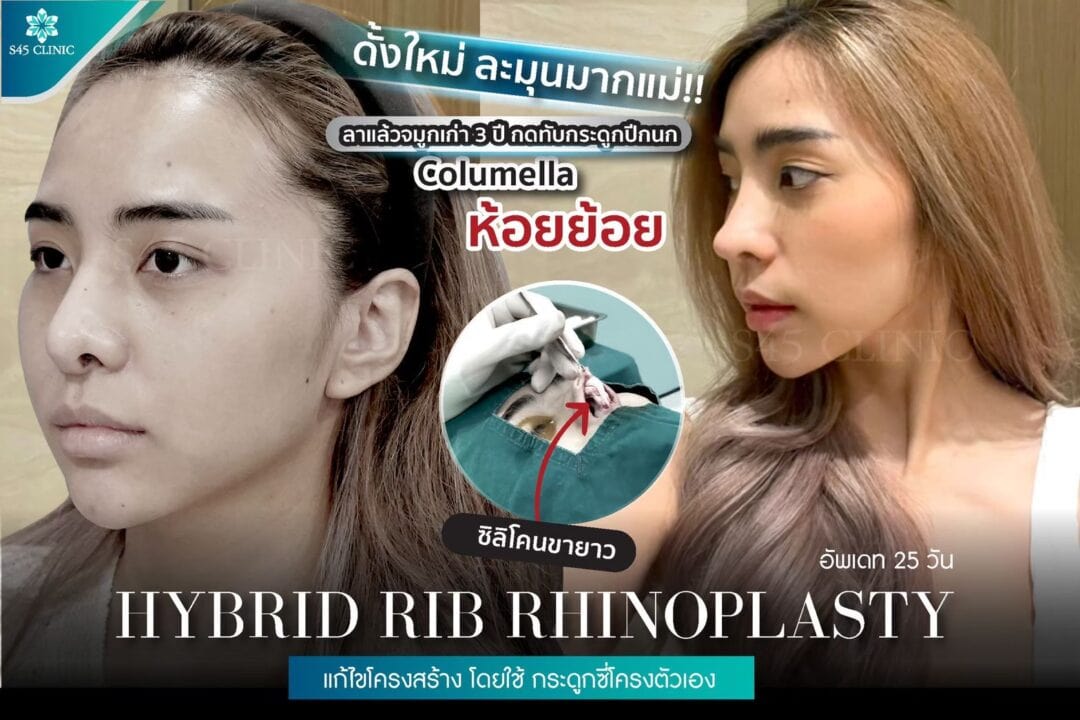
A Problem Many People Worry About, “Silicone Implant Moving After Rhinoplasty“, Does Not Happen to Everyone
a Moving Implant Is a Problem That Makes People Want to Shout “Why Me?”
What Makes a Silicone Implant Move
First, it helps to understand that a silicone implant moves when the implant used in rhinoplasty does not settle into place or does not suit the shape of the nose, so it shifts, wobbles and its edges show clearly. Causes include:
- an unsuitable choice of silicone implant or surgical technique
- a silicone implant that is too large for the nasal structure
- a silicone implant that is not carved to fit the nasal base, with nothing locking it to the bone
- a silicone implant placed in an unsuitable layer, such as too shallow
- the original structure not being corrected, especially in people with a deviated septum, so the implant is pushed to one side
- unsuitable self-care after rhinoplasty or revision, such as knocking the nose by accident
- complications such as infection or inflammation
Signs That You Have a Moving Silicone Implant
- You can feel the implant move when you touch your nose
- Your nose feels tingly or sensitive when you touch it
- The edges of the silicone implant show clearly
- Unusual swelling of the nose, and the implant looks crooked or tilted
- Unusual tightness and pain
Is a Moving Silicone Implant Dangerous?
A moving silicone implant is a complication that can happen after rhinoplasty, and it can have more serious effects on the body depending on the cause and how severe the inflammation is, such as:
- infection and inflammation, because when the implant moves it leaves a gap between the implant and the tissue where germs can build up easily, raising the risk of infection and inflammation
- a crooked or misshapen nose compared with the shape after the earlier augmentation
- thinning of the nasal tissue from rubbing against the skin, because if the implant shifts and moves often, the tissue at the tip or bridge may thin quickly, raising the risk of the silicone implant pushing through (implant extrusion)
- severe pain in some people
If You Think Your Silicone Implant Has Moved, Get a Consultation With a Surgeon Soon
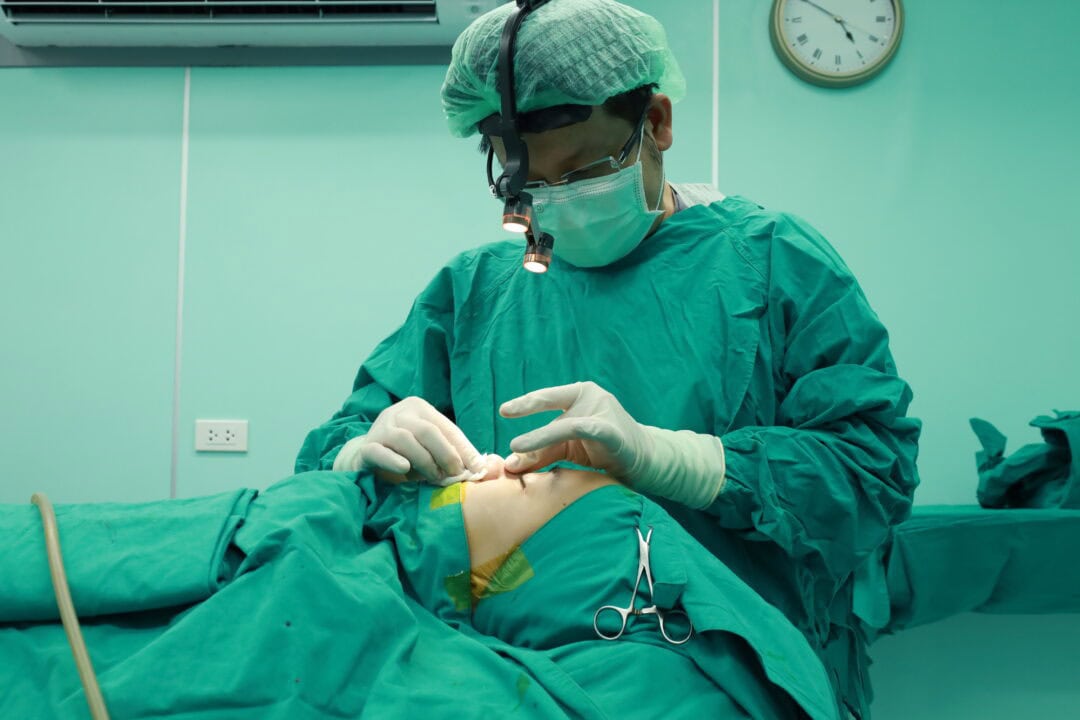
How Can You Plan to Lower the Chance of Problems Happening Again After Rhinoplasty?
- Choose an experienced clinic, considering the surgeon’s background and experience and reviews from rhinoplasty patients
- Talk to the surgeon and ask in detail about:
- the problems you have
- the nose shape you want to suit your face
- the surgical technique, as for people with repeated problems the surgeon may consider open rhinoplasty to see the actual structure
- the implant material