Rhinoplasty With Sinusitis (Paranasal Sinuses), Is It Possible?

The sinuses are air-filled spaces in the face and at the base of the skull, with openings next to the nasal cavity. They are lined with thin tissue connected to the lining of the nose and mouth. When this lining becomes inflamed, infected or both, your nose may feel blocked, breathing may be difficult and you may feel a burning sensation in the nasal cavity, together with an unusual smell each time.
How Does Sinusitis (Paranasal Sinuses) Happen?
- a viral or bacterial infection, especially in people with a long-term cold
- an underlying condition such as allergies, which makes the lining of the nose and sinuses swell and can lead to blockage and infection
- a deviated septum or nasal polyps, which can lead to infection
- habits such as smoking, diving or flying often over a long period
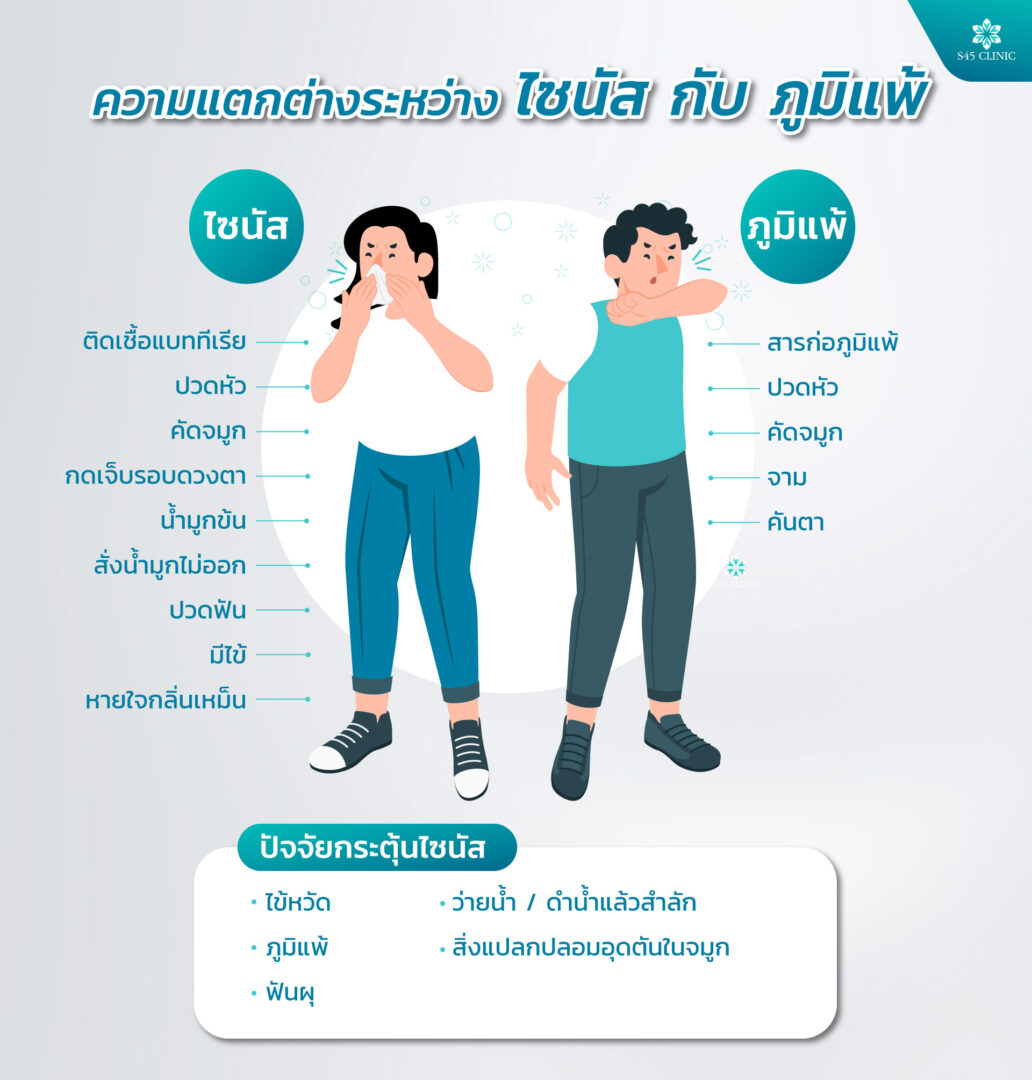
These trigger inflammation in the sinuses, which swell and produce more mucus until they become blocked and infected, and the body shows symptoms such as:
- a blocked nose
- nasal discharge (green or yellow)
- pain and tenderness when pressing on the forehead, cheeks or around the eyes
- headache
- phlegm and a cough
- fever
- tiredness
- a dull ache over the inflamed sinuses, such as the forehead, the inner corners of the eyes and the cheekbones
When these symptoms build up over a long time, they can become a long-term condition. Acute sinusitis usually clears up on its own within 7 to 10 days.
If you have chronic sinusitis (symptoms lasting more than 12 weeks), see a doctor to find the cause, such as allergies, nasal polyps or a problem with the nose structure. Treatment differs depending on the cause.
Can I Have Rhinoplasty If I Have Sinusitis (Paranasal Sinuses)?
Yes, you can have rhinoplasty if you have sinusitis. The surgeon will recommend tests to find the cause, to diagnose it and plan your rhinoplasty. For example, if allergies are the cause, the surgeon will advise you on self-care before and after rhinoplasty. If the cause is nasal polyps or a problem with the nose structure, such as a deviated septum, open rhinoplasty rebuilds the nose structure and can also help reduce symptoms (results depend on each person).
How to Prepare for Rhinoplasty

Can I Have Rhinoplasty With a Deviated Septum or a Cleft Lip and Palate?
Rhinoplasty is possible with a deviated septum or a cleft lip and palate, with an experienced surgeon
Rhinoplasty is not only for appearance. It can also be a treatment, correcting the structure so you can breathe normally, and it can be used in cleft lip and palate cases to give the face a more balanced shape.