Rhinoplasty With Allergies or Sinusitis, Is It Possible?

An allergy is when the body reacts to triggers such as dust and other allergens, causing a runny nose, a blocked nose, coughing and sneezing. These symptoms are common in people with allergies. How severe they are depends on each person’s body, and some people may have them all year round.
Watery, itchy eyes can lead to red eyes, itching around the eyes and a feeling of pressure over the nasal bridge that makes breathing harder. Some people also get a red rash on the skin. People with airborne allergies may also get wheezing and shortness of breath.

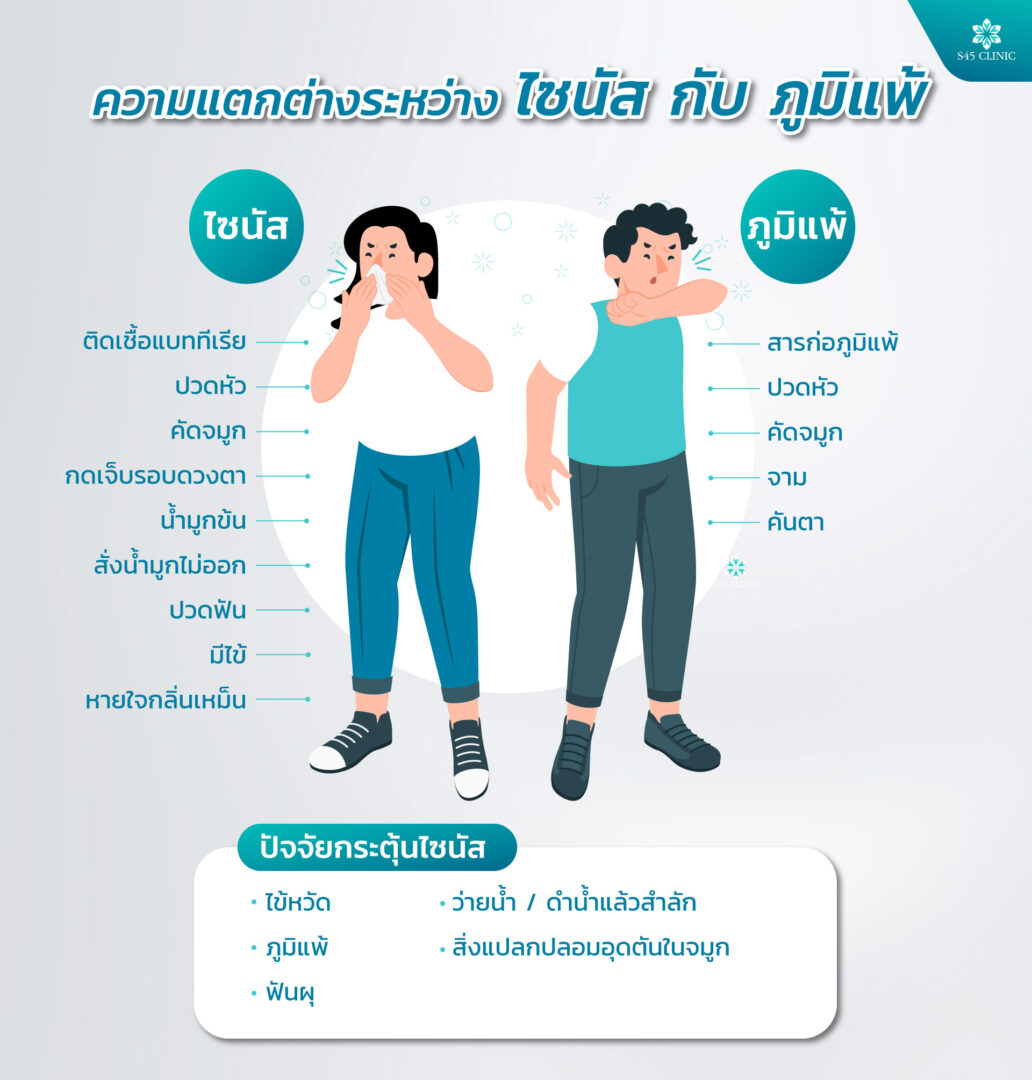
Sinusitis affects the paranasal sinuses. It is inflammation of the lining of the sinus cavities caused by infection or allergy, which makes the nasal passages swell and blocks the openings of the sinuses. This causes a runny nose with thick mucus that has an unusual smell, pain and swelling around the cheeks, eyes and nose, and possibly a headache. Some people also get a fever, and a cough if mucus runs down the throat.
Differences Between Sinusitis and Allergies
With these symptoms, you may wonder whether nose surgery or rhinoplasty will cause side effects.
People with airborne allergies, allergies to animal fur or pollen, or other triggers that cause a runny nose, coughing or sneezing, and people with sinusitis, can have rhinoplasty, because rhinoplasty is not done inside the nasal cavity, so it generally does not affect these conditions
Risks of Rhinoplasty for People With Airborne Allergies or Sinusitis
Rhinoplasty carries a risk of inflammation and infection if you have a very runny nose, wipe your nose often or blow it hard.

- If you are allergic to silicone, rhinoplasty may trigger a stronger allergic reaction.
- People with allergies or sinusitis may need a longer recovery than other people and may get inflammation and swelling.
- Before rhinoplasty, avoid triggers and places that set off your symptoms, and take antihistamines to control a runny nose, coughing and sneezing.
- After rhinoplasty, look after yourself consistently and avoid blowing, wiping or rubbing your nose hard, to lower the chance of infection.
You can have rhinoplasty if you have sinusitis or allergies, but avoid sneezing hard, as it may burst small blood vessels in the nose
If you have allergies or sinusitis, tell the surgeon so they can assess the risks and choose a suitable rhinoplasty technique.
How to Prepare for Rhinoplasty
S45 Clinic advises you to prepare well before surgery and to follow the surgeon’s advice closely.

- Before surgery, tell the surgeon about any drug allergies, medicines you take regularly, other allergies, health conditions and previous surgery.
- If you have sinusitis or allergies, talk to the surgeon.
- Stop vitamins, supplements and aspirin-type medicines before surgery, and tell your surgeon if you take birth control pills.
- Avoid alcohol and smoking for at least 2 weeks.
- Have a health check and show the results to our staff before your surgery time.
- If you have a fever or feel unwell, tell our staff before your appointment.