Allergies and Chronic Nasal Congestion May Be Linked to a Deviated Septum

If you have chronic nasal congestion, allergies, long-term blockage and abnormal breathing, these may be signs of a “deviated septum“. This problem affects more than the shape of the nose. It also affects breathing and your health, especially if you want treatment combined with rhinoplasty or nose reshaping.
What Is a Deviated Septum?
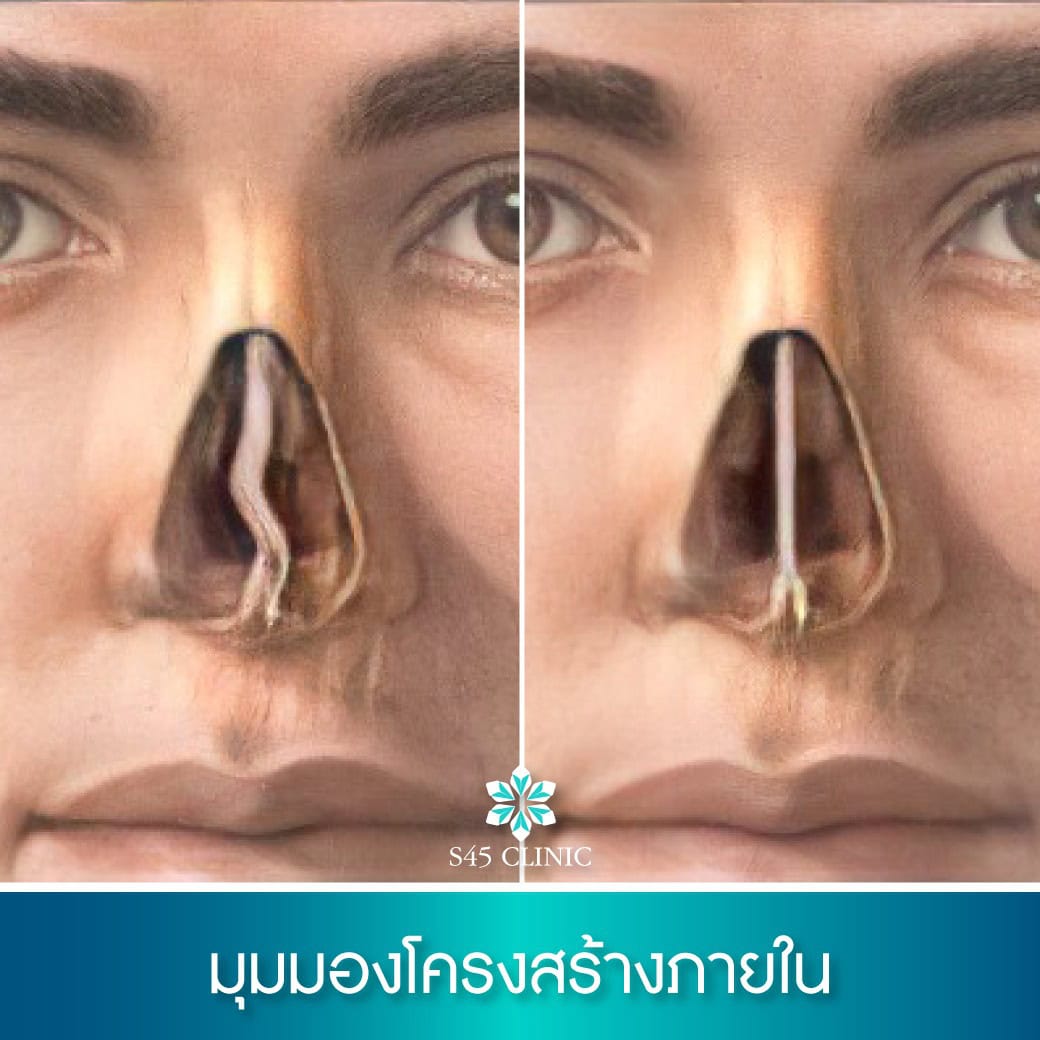
A deviated septum is a condition in which the cartilage wall between the left and right nasal passages is off-centre, so the 2 nasal passages are not the same size. From the outside, you may not notice that you have this problem unless you have other symptoms, such as difficulty breathing or headaches.
How a Deviated Septum Can Affect Your Health
- Effects on breathing, such as:
- difficulty breathing or not breathing freely, especially at night
- a higher risk of sleep apnoea (pauses in breathing during sleep), which affects the heart and brain
- Effects on sleep, such as:
- poor sleep, waking often and not feeling refreshed when you wake up
- snoring, because the airway is narrowed
- Effects on the immune system and infections, such as:
- poor mucus drainage, which lets germs build up and raises the risk of sinusitis or upper respiratory tract infections
- a dry nose and chronic inflammation that irritates the lining of the nose
- headaches and pressure in the sinuses
- Effects on quality of life, both mental and physical, such as irritability and lower performance at work and in daily life.
Symptoms of a Deviated Septum
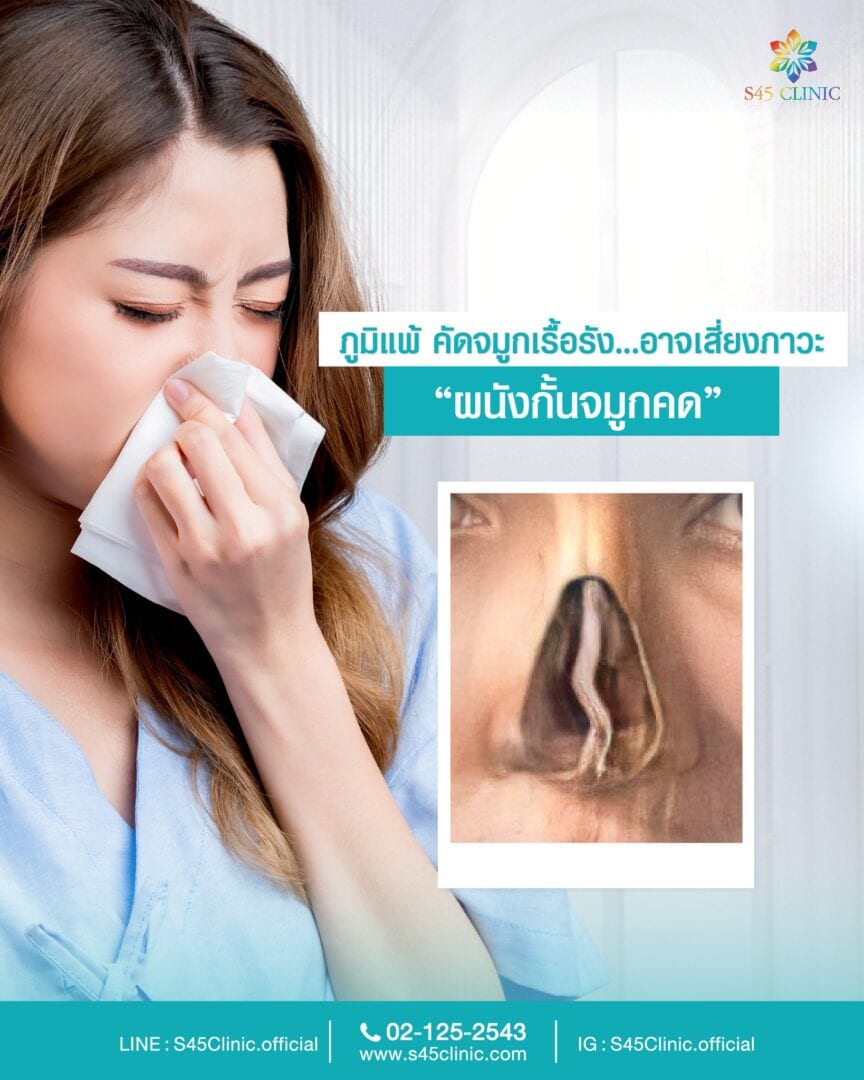
Symptoms often vary with how severe the problem is. Some people may have no noticeable signs at all, but in more severe cases other symptoms are often found, such as:
- difficulty breathing
- headaches or pain in the face
- chronic nasal congestion
- noisy breathing
- nosebleeds
- chronic sinusitis
- snoring or sleep apnoea
Main Causes of a Deviated Septum
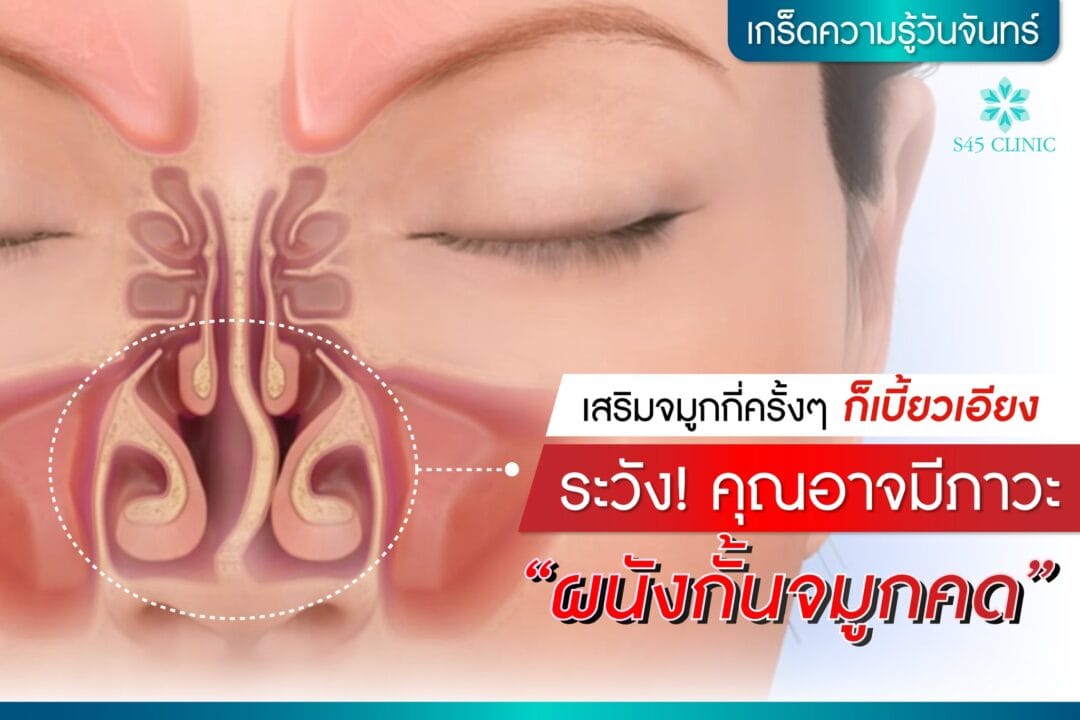
- a problem present from birth
- an injury, such as a broken nose or a hard blow to the nose
- connective tissue disease, where abnormal growth makes the septum tilt to one side
Try tilting your head back in front of a mirror and taking a photo from under your nostrils. If your nostrils are different sizes, this may be a sign that you have a deviated septum.
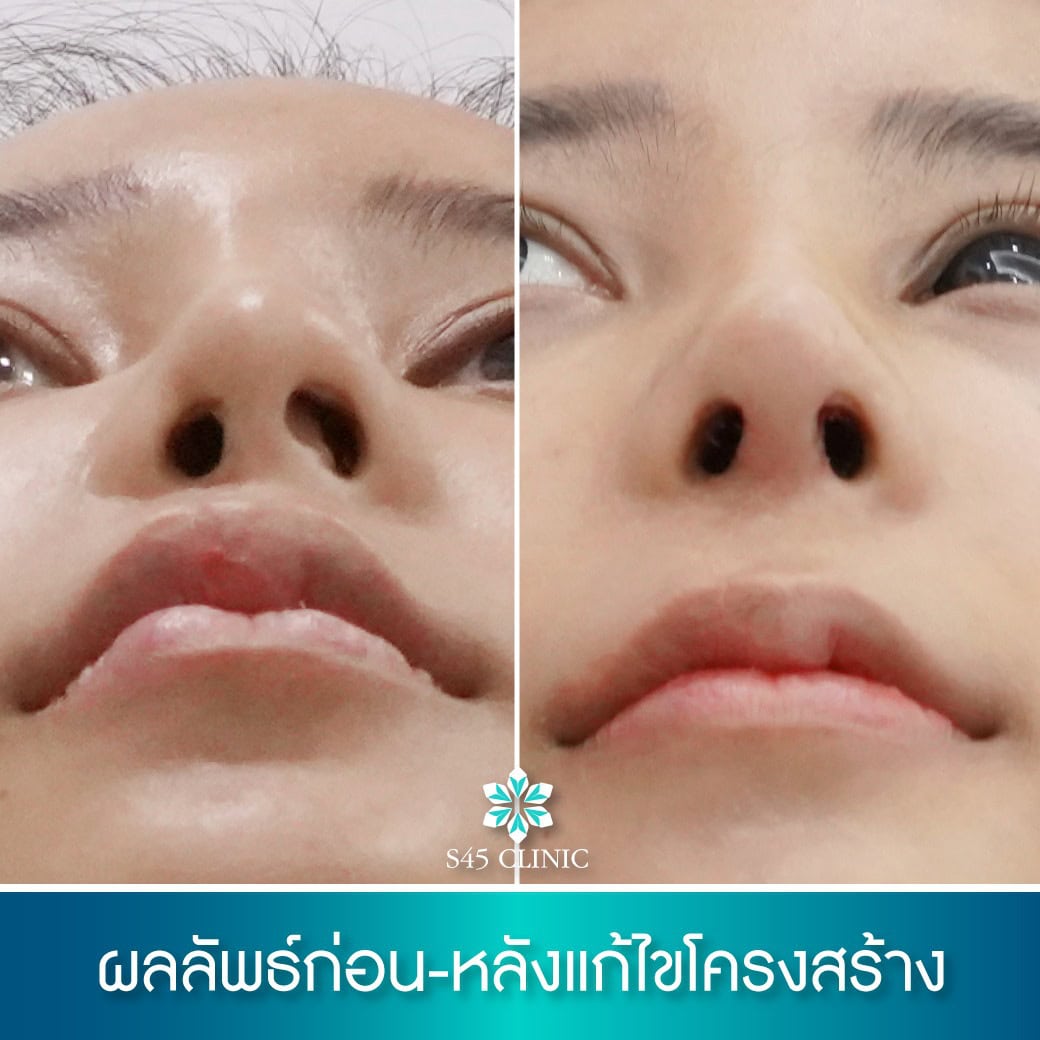
Rhinoplasty for a Health Problem, to Help You Breathe More Easily And
reshape the Nose in the Same Operation
A deviated septum does not only affect appearance and the balance of the nostrils. It also directly affects breathing, especially in people with other complications. With suitable treatment, rhinoplasty combined with deviated septum correction can reshape the nose and may help you breathe more easily at the same time.
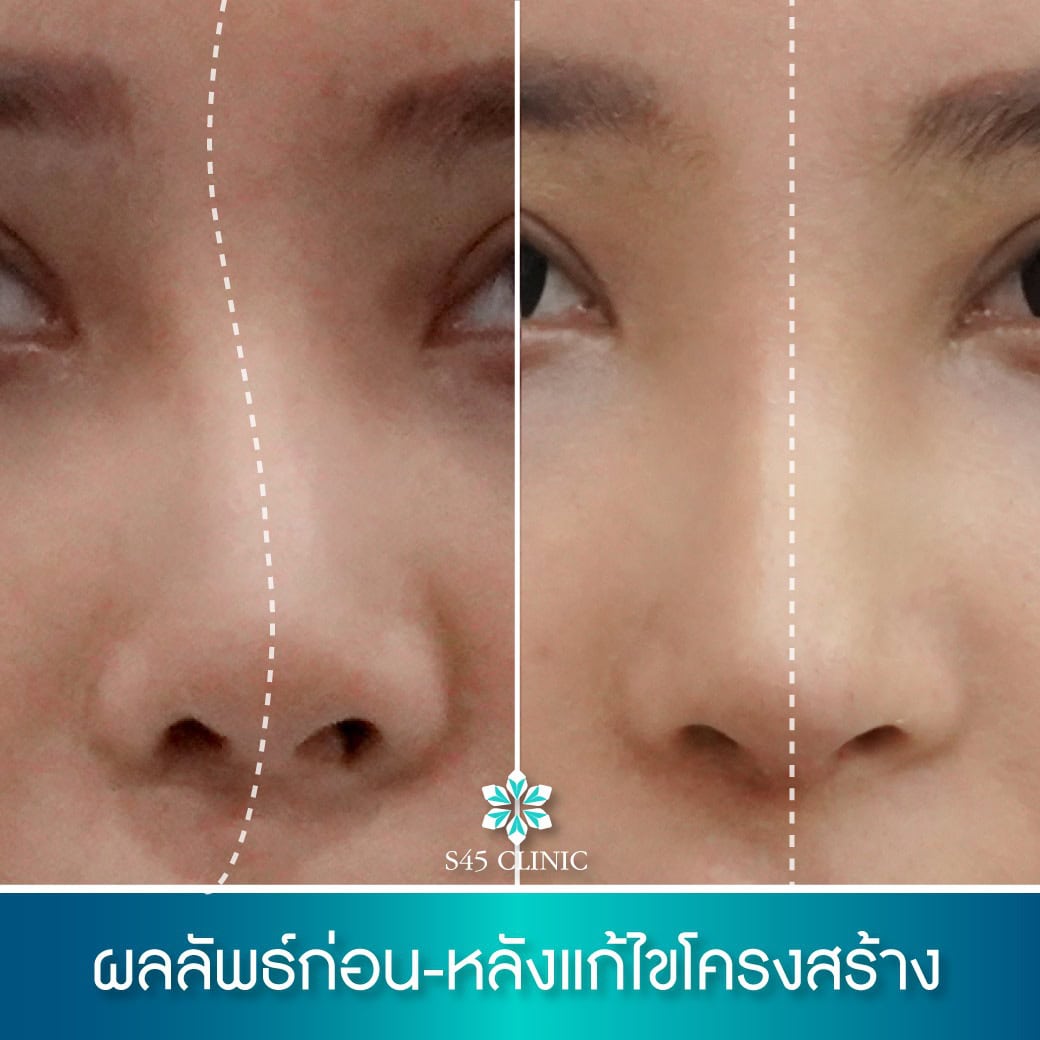
If you think you may have a deviated septum, or you have had nose reshaping or rhinoplasty and found that your nose is uneven, together with chronic allergies or chronic nasal congestion, book a consultation with a doctor for a diagnosis and a suitable treatment plan.