Open vs Closed Rhinoplasty, Which One Suits You?
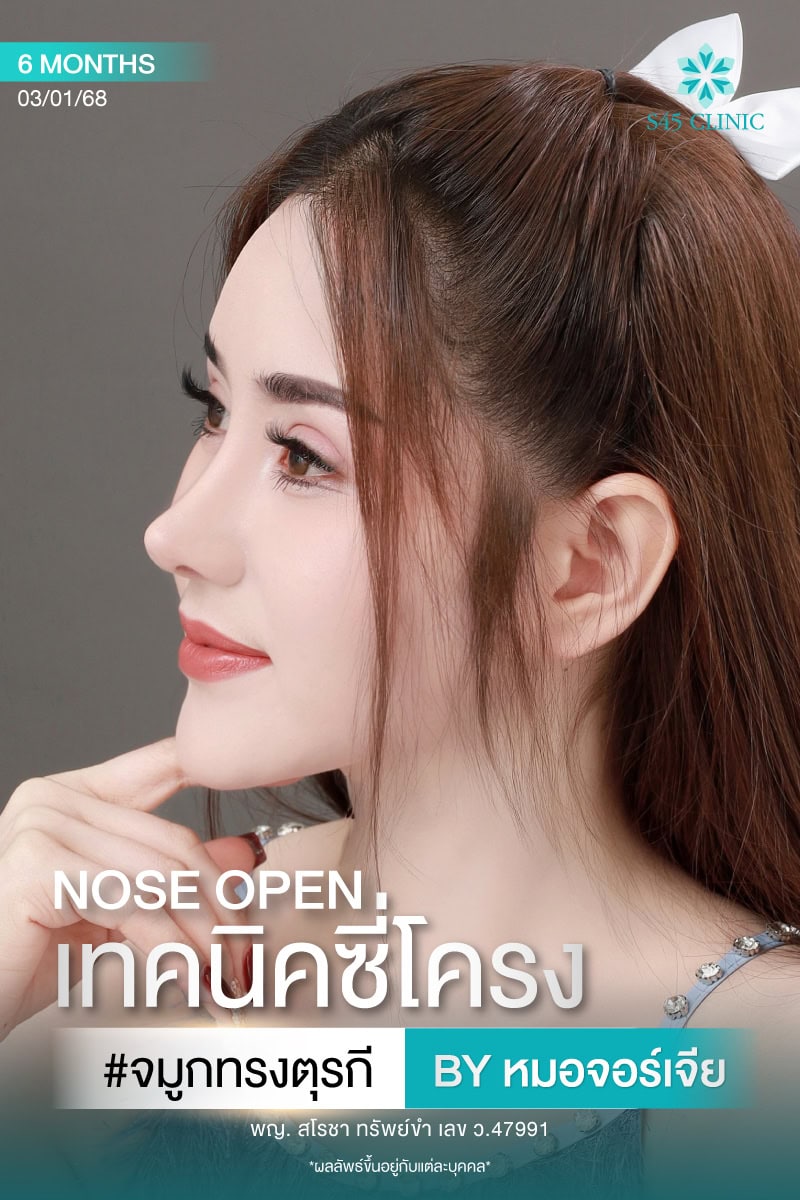
What is the difference between open rhinoplasty and closed rhinoplasty, and which one suits you? The decision needs careful judgement and plenty of information, and choosing a technique that suits you helps you get a result you are happy with and lowers the chance of problems in future.
If you want rhinoplasty to reshape your nose the way you like and your original nasal structure has no internal problems, you can have closed rhinoplasty with a silicone implant.
If you have had rhinoplasty before and have a problem or want a new nose shape, the surgeon will consider open rhinoplasty, to see the internal structure and correct the problem and treat it appropriately. This includes new rhinoplasty with materials that suit the internal structure, to lower the chance of problems in future.
Open vs Closed Rhinoplasty, What Is the Difference?
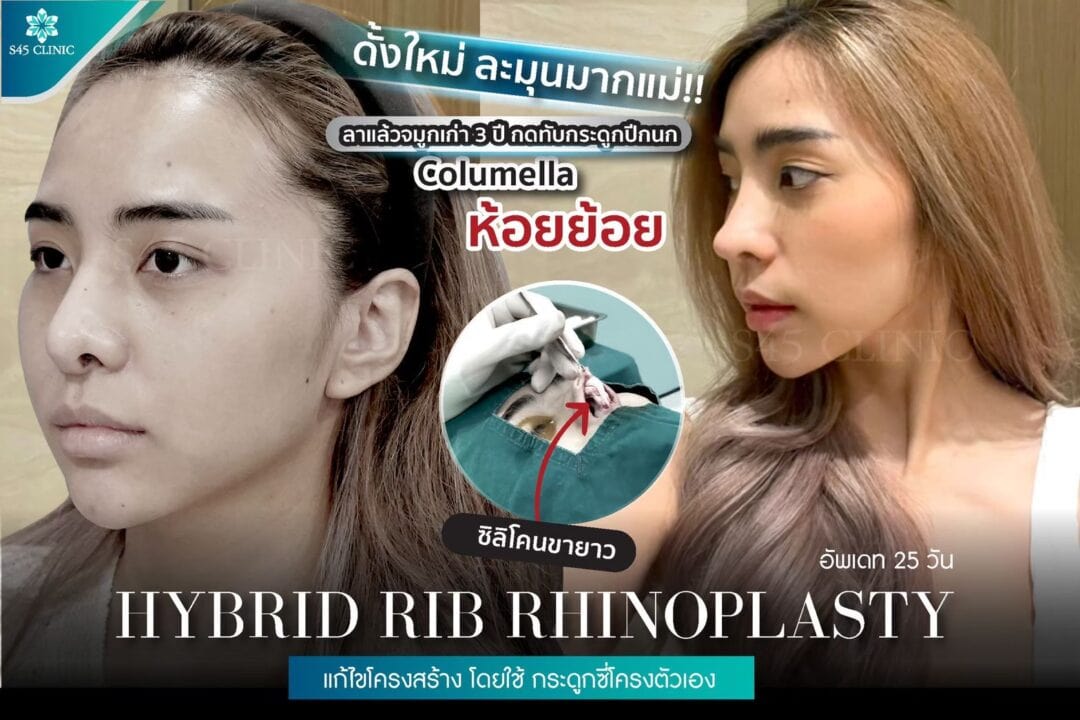
Closed Rhinoplasty
Closed rhinoplasty, or rhinoplasty with an implant material such as silicone, does not open up the whole nasal structure. The surgeon makes an incision in a suitable place and inserts an implant, such as silicone, to reshape the nose, raising the bridge or projecting the tip slightly.
Advantages of Closed Rhinoplasty
- no incision on the outside of the nose
- a shorter operation than open rhinoplasty
- usually a shorter recovery
- less swelling in some cases (in the early stage)
- closed rhinoplasty costs less than open rhinoplasty
Who Is Closed Rhinoplasty Suitable For?
- people whose original nasal structure is not misshapen or crooked and who have no breathing problems
- corrections that are not very complex
- closed rhinoplasty cannot change the shape much, so it suits raising the bridge or projecting the tip slightly
Open Rhinoplasty
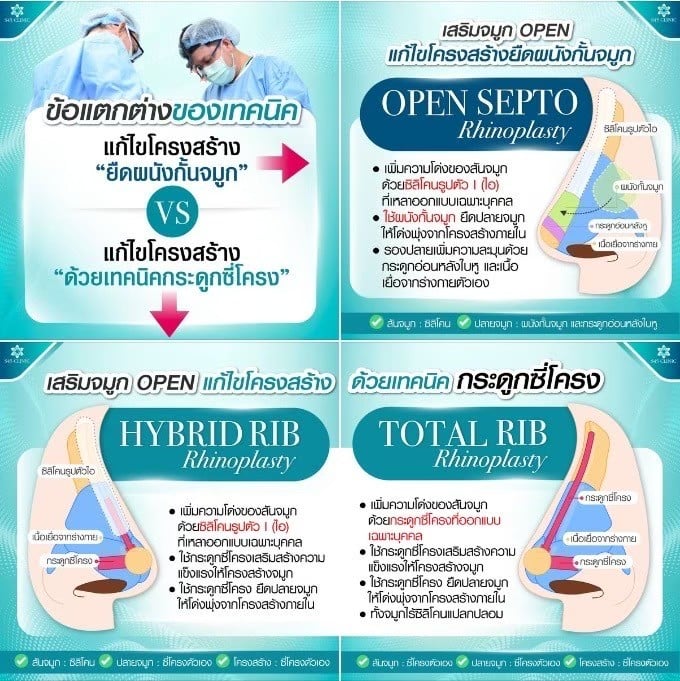
In open rhinoplasty, the surgeon opens the skin of the columella (the skin between both nostrils) so the surgeon can see the nasal structure clearly, assess the problem and correct it appropriately, before shaping the nose to suit your face, as designed together during your assessment.
Advantages of Open Rhinoplasty
- a clear, complete view of the structure
- better suited to complex corrections
- high precision and more flexibility in reshaping the nose
- suitable for problems that need detailed correction
Open rhinoplasty has a longer recovery than closed rhinoplasty and costs more than closed rhinoplasty.
Which Rhinoplasty Technique Suits You?
| Closed rhinoplasty | Open rhinoplasty |
| – you want small changes, such as reducing a dorsal hump or slightly refining the tip – you want lower costs and a shorter recovery – you prefer no incision on the outside of the nose – your case is not very complex | – you want a significant change to the nose shape – you have complex structural problems or need repeat surgery (revision rhinoplasty) – you need high precision in refining the shape – you want a long-term result and a nose shape that suits your face |
Recovery Time
Rhinoplasty generally needs 1 to 2 weeks of recovery, and full healing takes 6 to 12 months. Most people can return to work within 2 weeks after surgery.
Rhinoplasty at S45 Clinic, Planned Carefully From the First Operation
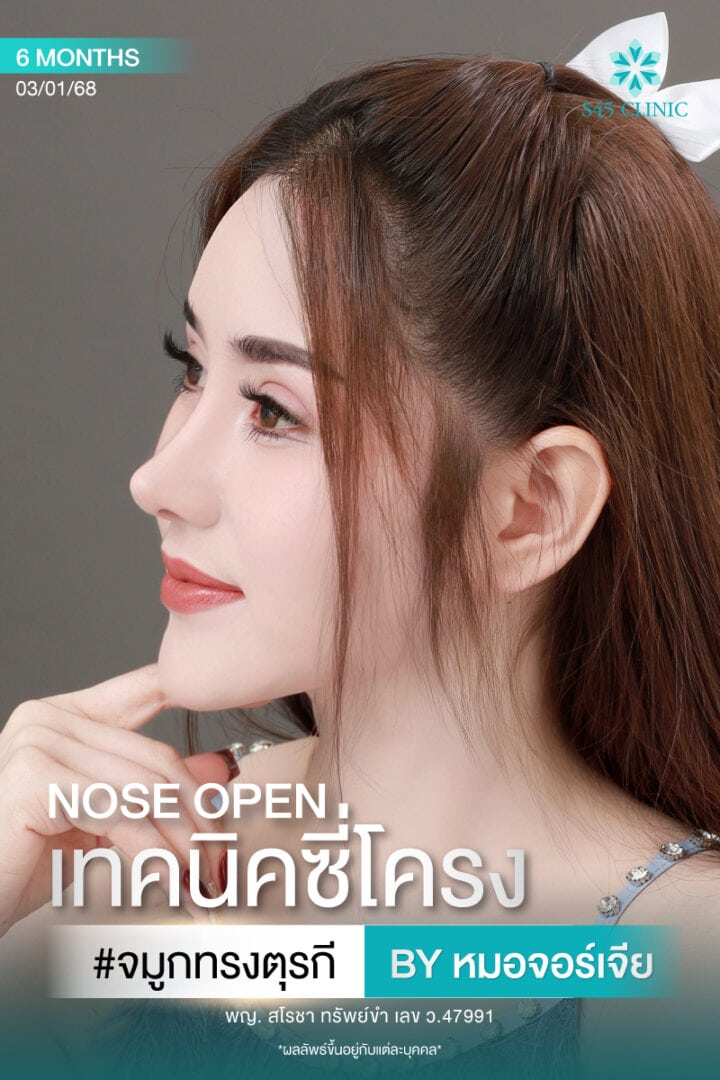
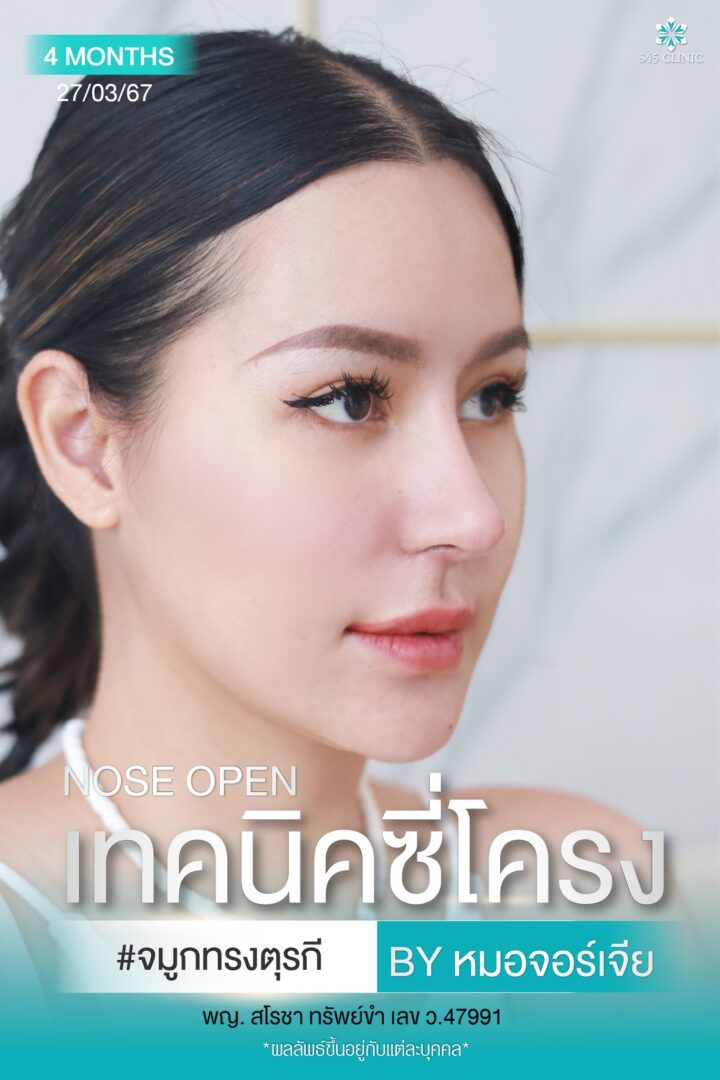

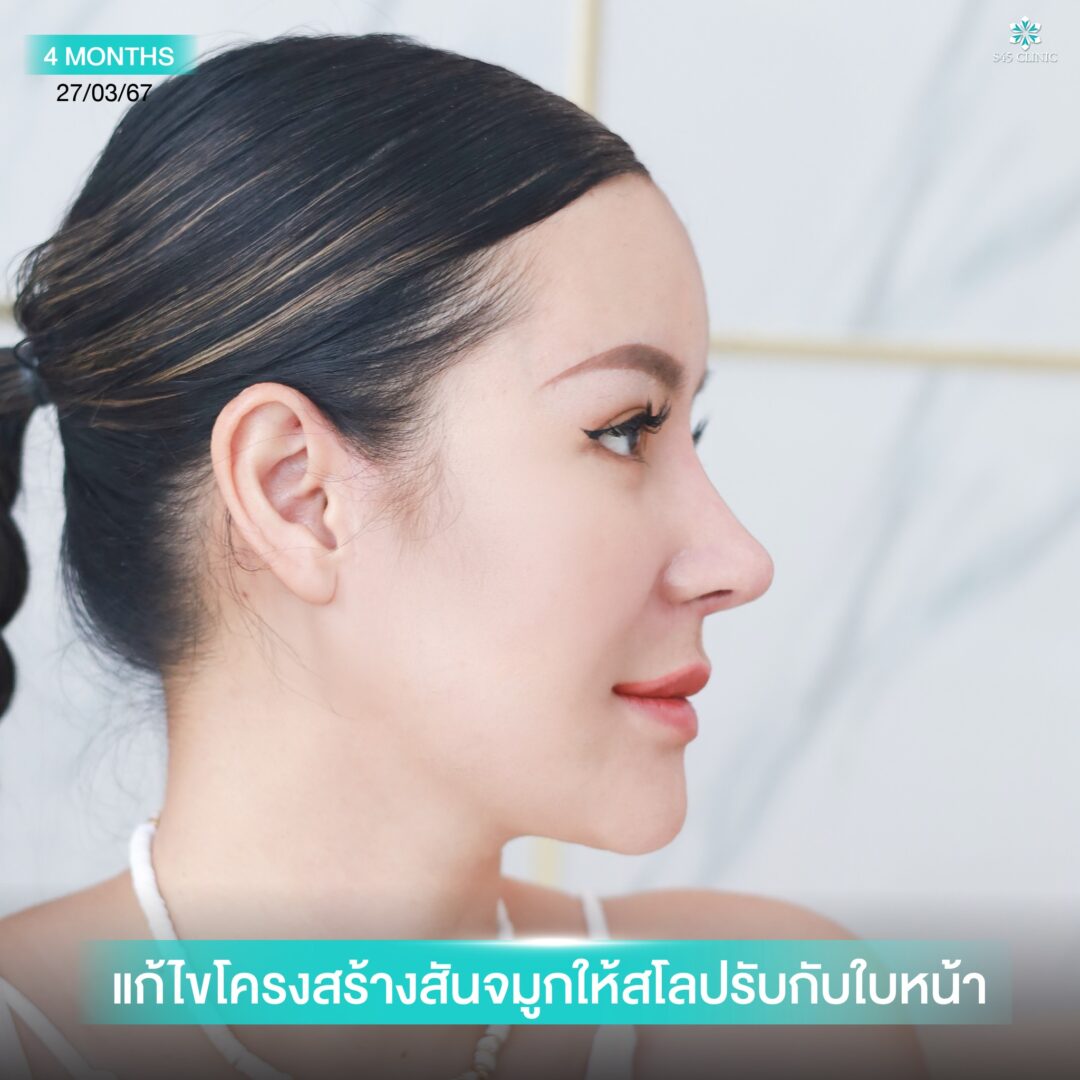
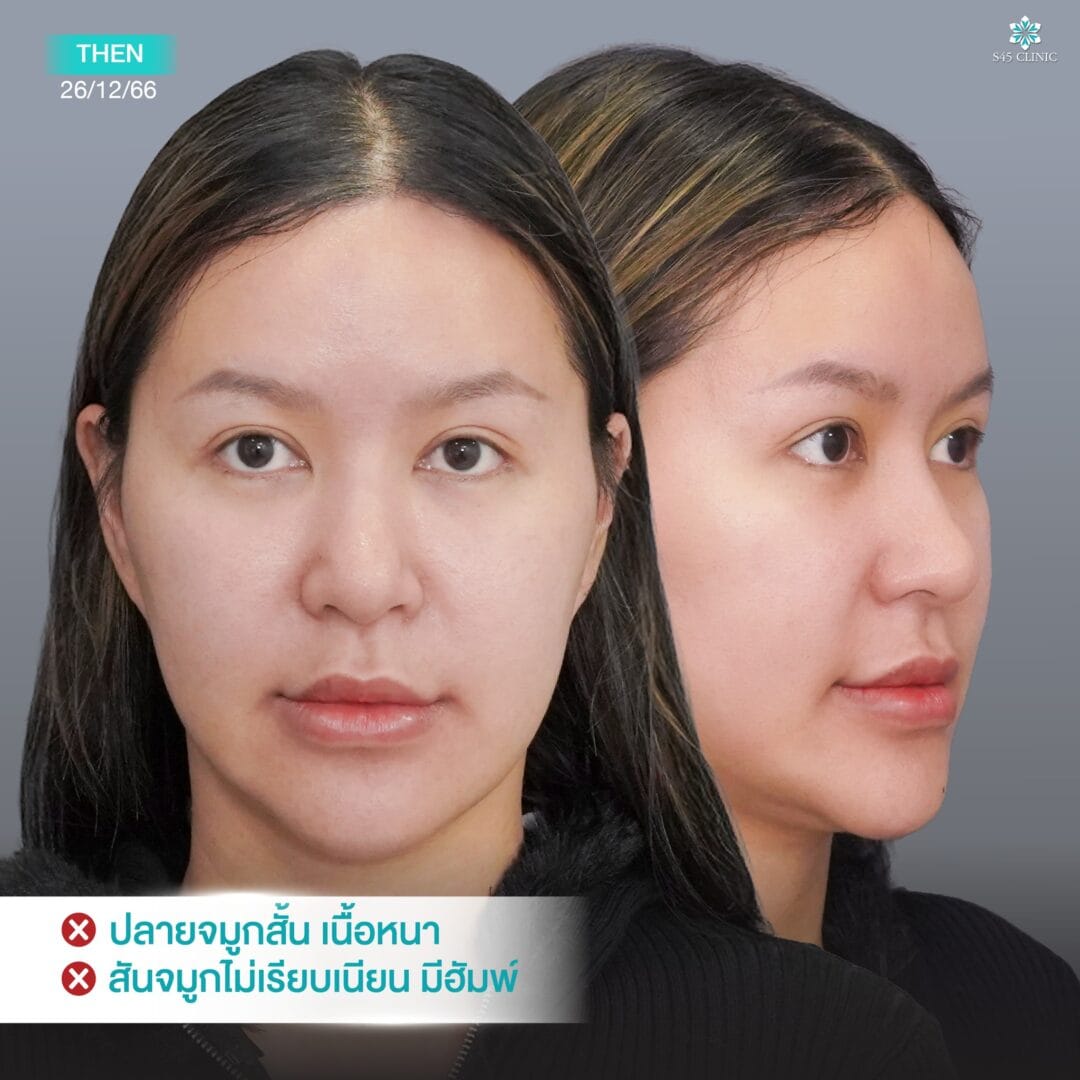
Choosing between open and closed rhinoplasty may not be the main factor in the change you get. It is more important to choose a surgeon with the skills and experience to assess and analyse your facial structure and choose a technique that gives a nose shape that suits you.
Frequently Asked Questions
Which Is Better, Open or Closed Rhinoplasty?
Neither rhinoplasty technique is ‘better’. It depends on each person’s needs and how complex the correction is.
Will the Scar From Open Rhinoplasty Be Clearly Visible?
The scar on the columella is usually not clearly visible, because it is in a hidden position and the surgeon stitches it carefully. How a scar heals depends on each person.
Can Closed Rhinoplasty Correct as Much as Open Rhinoplasty?
Closed rhinoplasty suits corrections that are not very complex. If you want a big change or need complex structural correction, open rhinoplasty gives more precision.
Want to Avoid a Long Recovery?