Who Should Not Have Plastic Surgery? Health Conditions to Check First

Plastic surgery is a type of operation that changes or refines your appearance to help you feel more confident. Any kind of surgery needs careful thought about your physical health and other problems that may occur. For this reason, before plastic surgery, doctors usually recommend a health check, especially if you have health problems.
The same applies to rhinoplasty and revision rhinoplasty. Before surgery, whether it is a revision or your first rhinoplasty, tell the doctor about your health problems in detail and have the health checks the doctor recommends to assess whether you are ready for surgery. This lowers the chance of complications during or after surgery that could affect your long-term health.
Which Health Conditions Make Nose Surgery Unsuitable?

Health conditions to be careful about, or that should be under control before you consider revision rhinoplasty or rhinoplasty, include:
Thyroid Disease
This is caused by a problem with the thyroid gland. People with thyroid disease have symptoms such as tiring easily, a fast heartbeat, trouble sleeping and fatigue, because hormones are produced abnormally, which affects how well the body’s organs work.
Viral Hepatitis
A serious illness caused by a viral infection that leads to inflammation of the liver. Several types of virus can cause it, including hepatitis A, B and C.
If you have viral hepatitis and want rhinoplasty, you can have surgery when the disease is in remission. The doctor should assess the risks in detail and closely supervise your care.
SLE (Systemic Lupus Erythematosus), Also Called Lupus (An Autoimmune Disease)
Autoimmune disease happens when the immune system does not work properly, so abnormal antibodies attack the body’s own tissues and cells. This causes long-term inflammation in organs throughout the body, such as the skin, heart, lungs, nervous system and blood.
Causes of SLE
- a family history of SLE
- viral or bacterial infections, which can trigger the condition
- skin rashes
- using certain medicines
- stress
- oestrogen levels, as SLE is more common in women than in men
SLE is a long-term condition. Treating it early helps prevent complications.
Blood Vessel or Heart Conditions
This applies especially to people with a severe irregular heartbeat, coronary heart disease or high blood pressure that cannot be controlled. These conditions carry a risk of complications from surgery.
Severe Respiratory Conditions, Such as the Following
- severe asthma
- chronic obstructive pulmonary disease (COPD)
Diabetes
A condition where blood sugar is higher than normal and blood sugar levels are not stable.
It raises the chance of infection and other complications. Common symptoms include tiring easily and peeing more often. If you have rhinoplasty or revision rhinoplasty, the surgical wound may heal more slowly.
Skin Conditions, Infection or Inflammation on the Nose
These need to be treated until fully healed before you have an assessment with the doctor, to lower the chance of infection after surgery.
Uncontrolled Mental Health Conditions, Such as the Following
Schizophrenia and severe depression. These conditions can affect your expectations of the result, which may in turn affect how you look after yourself after rhinoplasty, revision rhinoplasty or other plastic surgery.
Heart Disease (Cardiovascular Disease)
This is when the heart does not work normally. When the heart does not work well, it cannot pump enough blood to the body’s organs, tissues and cells. There may be a higher chance of problems after surgery, because the heart may not cope well with the stress or changes that happen during and after surgery.
Pregnancy
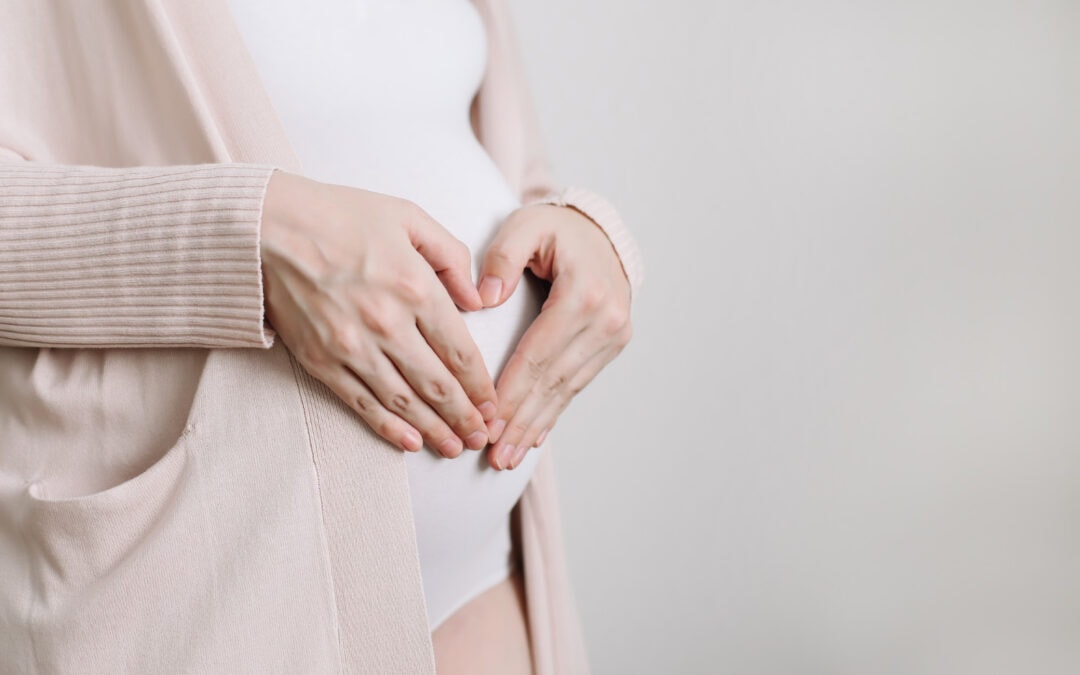
During pregnancy your body goes through changes in hormones and blood circulation, and you may be taking certain medicines. This can create risks during and after surgery.
What to Do If You Have One of These Conditions and Want Revision Rhinoplasty
- Give the surgeon full and accurate details of your health.
- Ask about anything you are unsure of regarding revision rhinoplasty or rhinoplasty surgery, including the risks and side effects that may occur.
- Think carefully before deciding to have plastic surgery, and be aware of the risks that may occur, such as:
- a higher chance of complications after surgery than other people, such as infection
- slower wound healing
- a chance of raised scars or keloid scars
- a chance of skin rashes or other skin conditions
- a higher chance of abnormal blood clotting, especially in people with liver conditions such as viral hepatitis
Before rhinoplasty, revision rhinoplasty or other plastic surgery, have a detailed consultation with the surgeon and give full details of any health problems so the doctor can assess you and take your medical history, among other checks. This helps assess whether you are ready for surgery and lowers the risks for you.