Is Rhinoplasty Done Under General Anaesthetic? Why Open Rhinoplasty Needs One
Open rhinoplasty addresses the problem at its source and reshapes the nose precisely, and should be done by an experienced surgeon. Open rhinoplasty is a type of surgery, so before treatment you need a detailed health check and an assessment of whether you can have a general anaesthetic. This is because during surgery the surgeon opens the skin to see the whole internal structure of the nose clearly, especially in people with a complex nasal structure, so that the nose can be reshaped the way you want.
This is why open rhinoplasty needs a general anaesthetic, so that the surgery goes smoothly.
For Closed Rhinoplasty,
the Surgeon May Consider Local Anaesthetic Injections With Light Sedation
Why Open Rhinoplasty Needs a General Anaesthetic
- Open rhinoplasty involves detailed reshaping of the bone structure and tissue inside the nose, so the surgery takes a long time. A general anaesthetic means you are unconscious and do not move, so the surgeon can operate precisely.
- A general anaesthetic means you do not feel pain throughout the operation.
- It lowers the chance of complications caused by moving your body by accident during surgery.
- It lets the doctor control things such as blood pressure, heart rate and breathing, which are all important for your safety, especially when surgery takes a long time (complex nose cases).
- People with a complex nasal structure, and people who have had rhinoplasty before and want revision, need open rhinoplasty so that the surgeon can see the nasal structure in detail. A general anaesthetic lets the surgeon reach and deal with the problem while you do not feel pain.
What Is a General Anaesthetic?
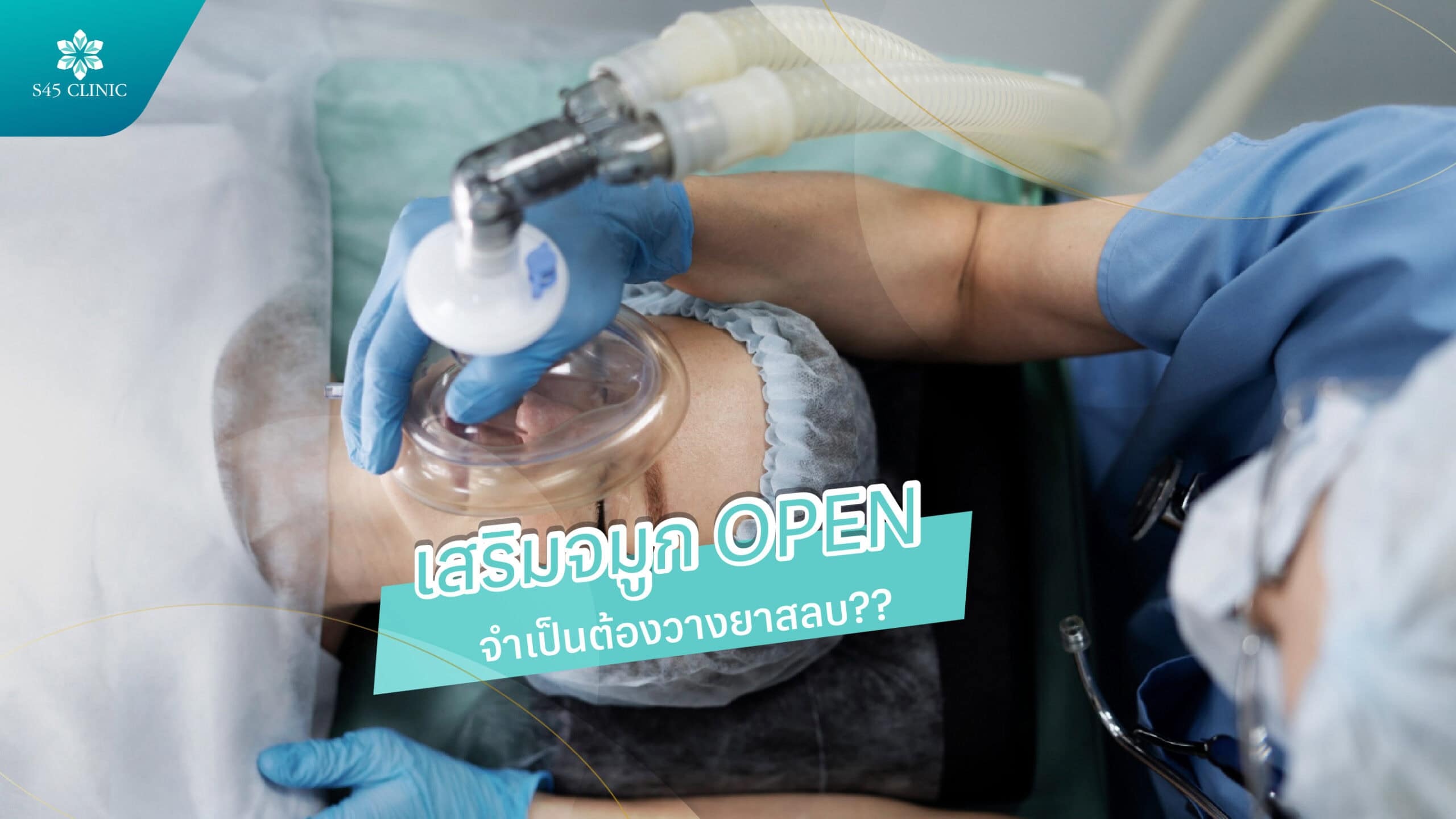
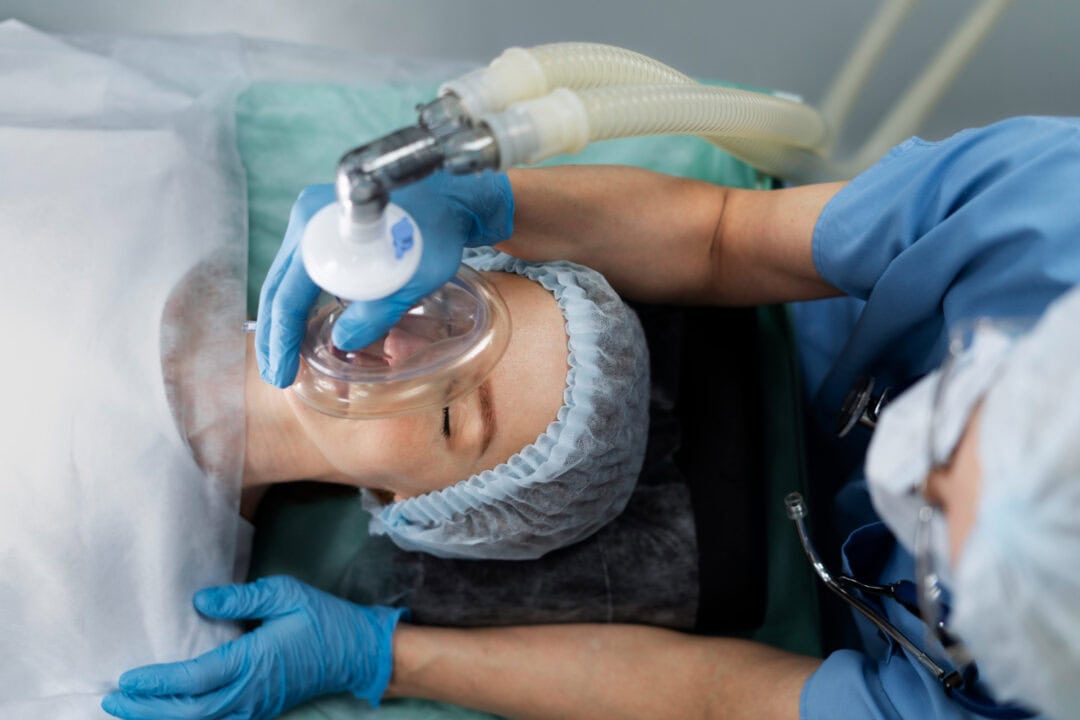
An anaesthetist gives anaesthetic medicine to make you temporarily unconscious, using gas through a mask or a breathing tube, or medicine given as a liquid through a drip. You are not aware of anything, do not feel pain and do not react to the surgery or medical procedure. It reduces pain, eases anxiety, relaxes the muscles throughout the body and controls body reactions such as movement and coughing, to prevent complications during surgery.
Anaesthetic medicine acts on the central nervous system (CNS), which controls sensation, awareness and body movement. It slows down brain activity and nerve cell activity, so you become unconscious and do not respond to anything, feel pain or move.
After surgery, the anaesthetist gradually reduces the anaesthetic so that you slowly wake up, then moves you to the recovery room to be monitored closely until you are fully awake and your vital signs are stable.
How to Prepare for a General Anaesthetic Before Open Rhinoplasty
- Give your full medical history.
- Do not eat or drink, as your doctor advises (for at least 6 to 8 hours).
- Do not smoke or drink alcohol for at least 24 hours.
- Get plenty of rest and sleep.
- Try to relax and not worry, to reduce physical tension before and during surgery.