Open Rhinoplasty Pros and Cons, 5 Common Misconceptions Explained

“Do not have open rhinoplasty. The scar is easy to see, it hurts more and recovery takes longer.” Many people may have heard something like this while looking for information about open rhinoplasty, whether from friends, online forums or reviews passed on by others. Some people start to worry and rule out this technique before a surgeon has even assessed their actual nasal structure.
In fact, open rhinoplasty is not right for everyone, but that does not mean it is a cause for concern in every case either. Many of these beliefs are partly true in some situations, but if you only hear part of the story, you may misunderstand the scar, how you feel after surgery, the recovery period, or even the belief that “only open rhinoplasty can give you a nice nose shape”.
This article looks at 5 misconceptions about open rhinoplasty: which points to check carefully, which should not be generalised, and why choosing a rhinoplasty technique should start with an assessment of your nasal structure, skin, nasal tip and what suits you as an individual, rather than relying only on reviews or what other people say.
What Is Open Rhinoplasty
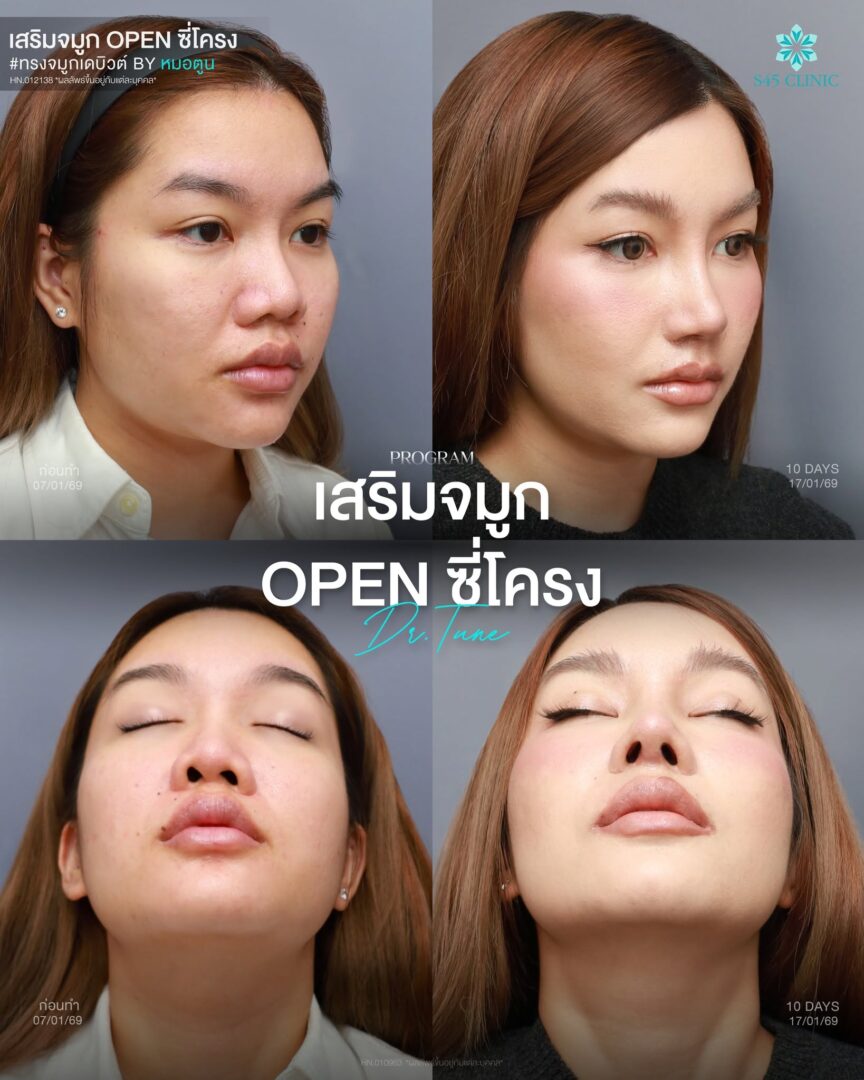
Open rhinoplasty is a rhinoplasty technique in which the surgeon makes a small incision at the base of the nose, between the 2 nostrils, so they can assess the nasal structure in more detail, including the bridge, the tip, the base and how well the existing tissue supports the nose.
This technique is often considered for cases that need several areas planned together, such as a complex nasal structure, previous rhinoplasty, detailed changes at the nasal tip, or some cases where the surgeon assesses that structural support material may be needed, such as ear cartilage or rib cartilage.
However, open rhinoplasty is not necessary for everyone. The choice of technique should depend on the actual condition of your nose, the thickness of your skin, the limits of your nasal structure and the surgeon’s assessment of you as an individual.
How Open Rhinoplasty Differs From Other Techniques
What makes open rhinoplasty different is that the surgeon can assess more of the detail inside the nose, especially at the nasal tip, the base and the support from the existing tissue. Other techniques, such as the closed technique or semi-open rhinoplasty, reach the structure in different ways and suit the limits of each case differently.
Which Cases the Surgeon May Consider for Open Rhinoplasty
The surgeon may consider open rhinoplasty in some cases, such as when you:
- need several parts of the nasal structure planned at the same time
- have had rhinoplasty before and want to adjust or change the nose shape
- need detailed changes at the nasal tip, the base or the tissue support
- are assessed by the surgeon as possibly needing structural support material, such as ear cartilage or rib cartilage
The choice of technique should be based on the surgeon’s assessment of your actual nose, not only on the name of the technique, reviews or trends.
Misconception 1, Open Rhinoplasty Always Leaves an Easily Visible Scar
This is one of the most common concerns for people looking for information about open rhinoplasty, because many people are afraid the scar will be easy to see on their face. In fact, the position of the incision and how each person heals can vary, so it is worth understanding the facts before judging from what other people say.
The Facts, Where the Scar Is
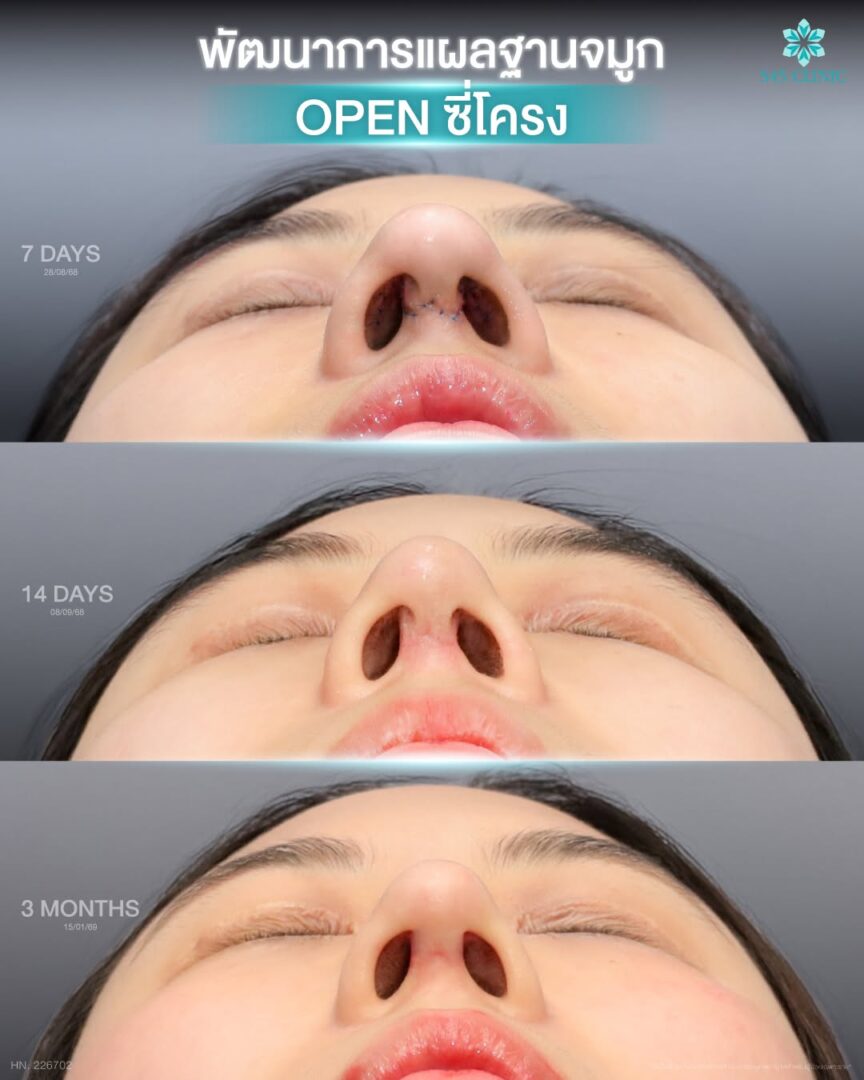
The incision for open rhinoplasty is at the base of the nose, on the thin strip of skin between the 2 nostrils (the columella), which is tucked into a crease. It is not on the bridge of the nose or in an area that is easy to see, as many people wrongly believe.
Why the Scar Is Not Usually Noticeable in Daily Life
How noticeable the open rhinoplasty scar is depends on several factors, such as the position of the incision, your skin, aftercare and how each person heals. The incision is usually at the base of the nose, which is not an angle people easily notice in daily life.
Once the wound starts to heal, the scar may gradually fade and blend in more with the surrounding skin. Healing varies from person to person. If you are concerned about the scar, ask the surgeon at your consultation so you understand where the incision will be and how to care for it afterwards.
Misconception 2, Is Open Rhinoplasty Really More Painful Than Other Techniques
Another belief that makes many people hesitate about open rhinoplasty is the fear that it always hurts more than other techniques. In fact, how you feel after surgery does not depend only on the name of the technique. It also depends on how complex the case is, the materials used, the anaesthetic and how each person recovers. Pain relief medicines after surgery and following the surgeon’s aftercare advice also affect how you feel.
What Affects Pain
How you feel after rhinoplasty varies from person to person. Factors include:
- how complex the case is: if several parts of the nasal structure need changing, or structural support material is used, such as rib cartilage, you may get more tightness, swelling or discomfort than in a less complex case
- the anaesthetic the surgeon chooses, such as a local anaesthetic or other anaesthesia, depending on what suits each case
- aftercare, such as taking medicines as advised, resting and avoiding knocks to the nose
- how your body responds, because some people swell or bruise more easily or are more sensitive than others
So, do not assume that open rhinoplasty will hurt more than other techniques in every case. Let the surgeon assess your actual nasal structure and the details of your case first.
Misconception 3, Is Open Rhinoplasty the Only Way to Get a Nice Nose Shape
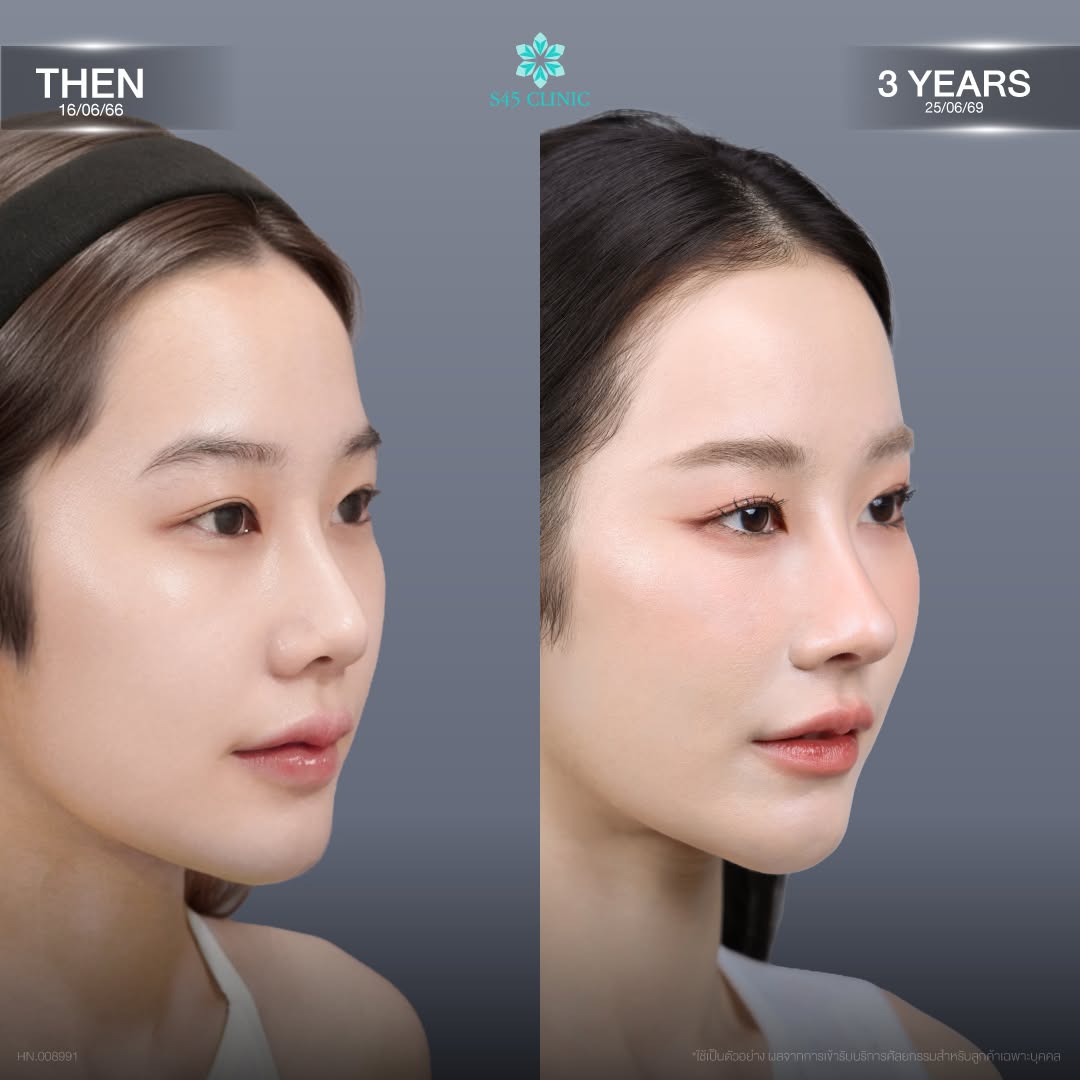
This belief is common among people who have just started learning about rhinoplasty, especially after seeing reviews from people who had open rhinoplasty and got a nose shape that suits their face. They may think the open technique suits everyone or always gives a better shape than other techniques, when in fact the nasal structure needs to be assessed for each person.
The Technique Does Not Decide the Whole Look
A technique is one of the tools that helps the surgeon plan and assess the nasal structure, and this differs from case to case. The overall result therefore does not depend only on the name of the technique. It also depends on your existing nasal structure, your skin, the nasal tip, the materials used and planning for you as an individual.
Some cases may be planned with the semi-open technique and get a nose shape that suits the face, while others may be better suited to open rhinoplasty because their nasal structure is more complex. What matters is choosing a technique that suits each person’s limits.
More important than the choice of technique is designing a nose shape that fits your existing nasal structure, facial proportions and individual limits, because even with the same technique, results can vary from person to person.
Other Factors That Affect the Shape More Than the Technique
The things that directly affect the nose shape are:
- skin thickness: thin and thick skin give visibly different results in the finer details
- your existing cartilage structure: the strength and shape of the cartilage affect which shapes are possible
- the materials chosen: silicone implant, ear cartilage or rib cartilage give different results and different flexibility
- planning and communication between you and the surgeon: the more clearly you tell the surgeon what you want from the start, the better the surgeon can understand your goals and plan in a way that suits you
How to Choose a Rhinoplasty Technique
- start with the nasal structure
- look at skin thickness
- look at the nasal tip
- look at your surgical history
- look at your goals
- let the surgeon assess you
The open technique is not the right choice for everyone, and the closed technique is not always the weaker option. The choice of technique should depend on the surgeon’s assessment and what suits you as an individual.
Misconception 4, Does Open Rhinoplasty Always Need a Longer Recovery Than Every Other Technique
Many people worry about taking a long time off work or school, so they avoid this technique without checking the full information.
What the Length of Recovery Depends On
The recovery period does not depend only on the name of the technique. It depends on how complex the case is, how much of the structure needs changing and whether support materials are used. For example, cases that also involve rib cartilage rhinoplasty usually have a longer recovery than cases using other materials, whichever technique is used.
Which Cases Have a Recovery Similar to Other Techniques
Open rhinoplasty cases where the structure is not very complex may have a recovery period similar to the closed technique in many cases, because the main factor that decides recovery is how complex the structural changes are, not only the size of the incision.
Misconception 5, Open Rhinoplasty Suits Everyone
Another common misconception is that open rhinoplasty suits everyone, when in fact this technique should be considered based on each person’s nasal structure and limits.
Cases That May Not Need This Technique
Cases where the nasal structure is not complex and the main goal is to change the bridge, with no problems at the nasal tip or base, may not need the open technique at all, because the closed technique or semi-open rhinoplasty may suit them better in some cases.
Who Decides Whether It Suits You
Choosing a suitable technique requires a direct assessment by the surgeon, not a decision based on what is popular on social media or reviews you have seen, because everyone’s nasal structure is different. A shape that suits one person may not be the right approach for another.
Summary, What to Know Before Choosing a Rhinoplasty Technique
Having gone through all 5 points, it is clear that most misconceptions come from using one technique to judge every case, when in fact everything depends mainly on each person’s nasal structure.
A rhinoplasty technique cannot be chosen from its name alone. It should be assessed together with your existing nasal structure, the amount of nasal tissue and what you want. A better approach than judging from reviews alone is to let the surgeon assess your face, nasal structure, skin and what you really want, so they can choose a technique that suits the limits of your case.