Nose Does Not Fit Your Face After Rhinoplasty, What Causes It and What Can You Do?

You have had rhinoplasty, but you feel the nose shape does not suit your face: the bridge is too high, the nasal tip looks stiff, or from the side it looks unbalanced or lacks definition. These problems are more common than you might think and usually have several causes, including the original nasal structure, the shape chosen or an implant that does not suit the nasal base.
Before deciding to reshape your nose, have a surgeon fully assess your original nasal structure first, because careful planning from the start helps the result suit your facial proportions, although results depend on each person.
What Does It Mean When Your Nose Does Not Fit Your Face After Rhinoplasty, and What Can Cause It?
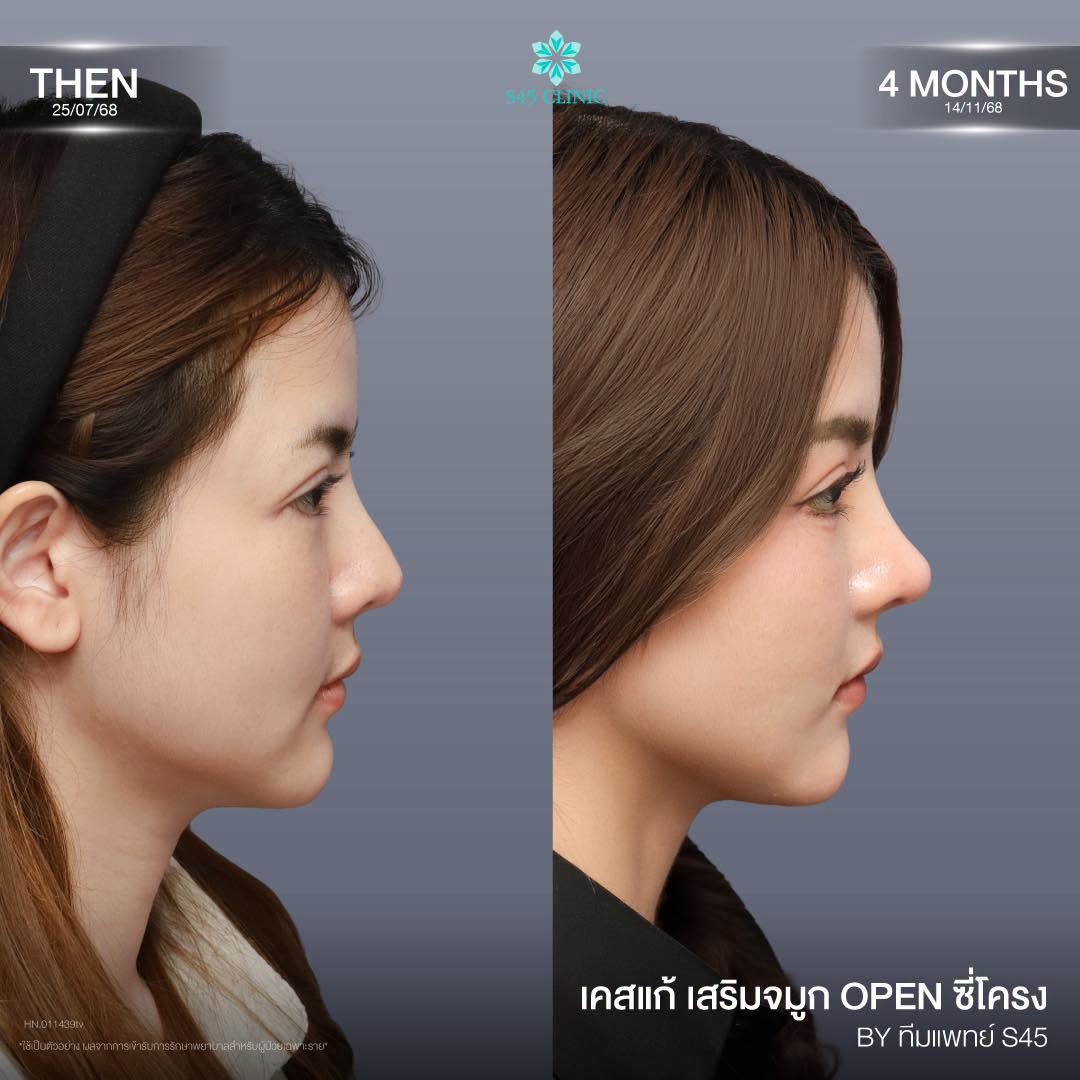
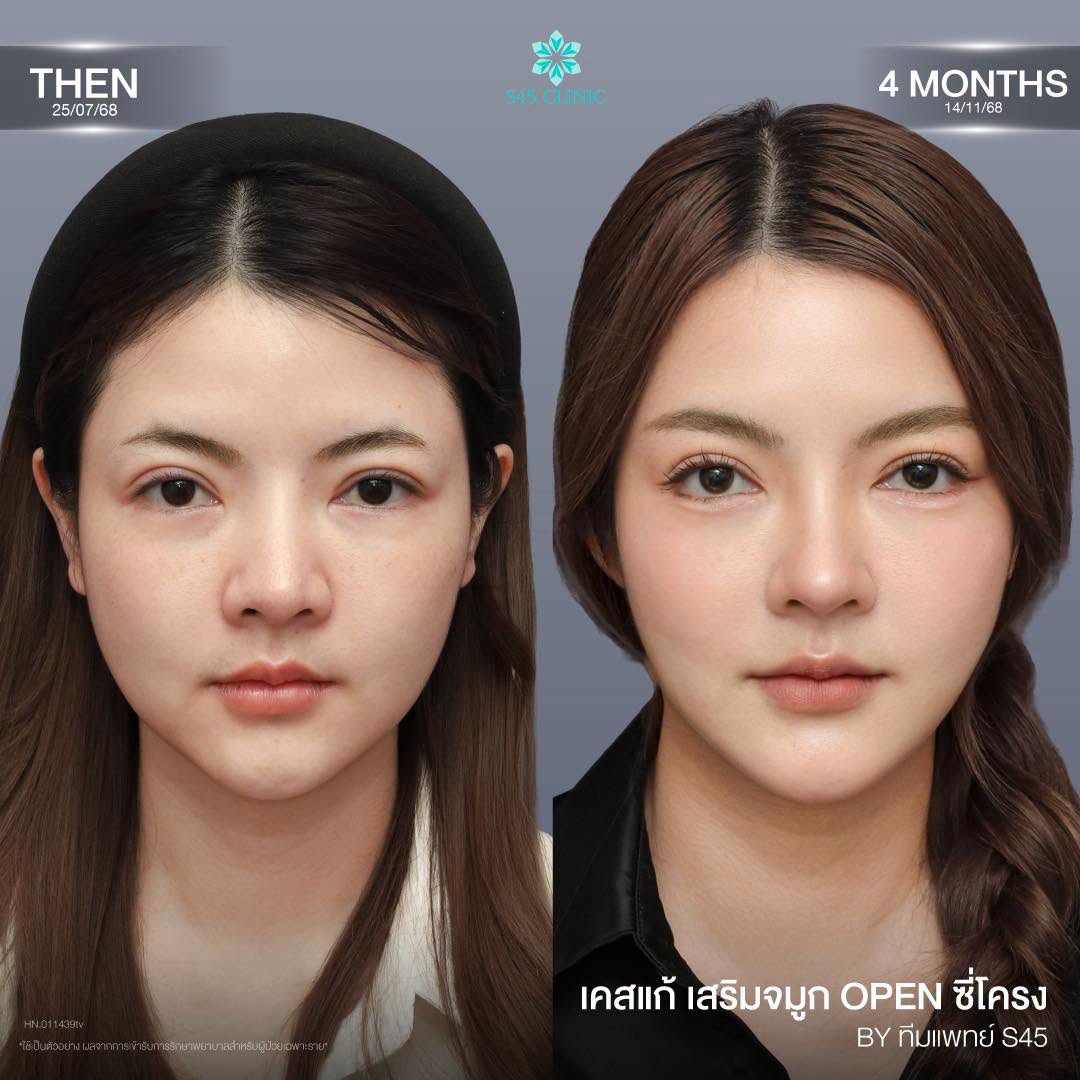
Feeling that your nose shape does not suit your face after rhinoplasty does not always mean the result is abnormal, but in some cases the shape chosen may not suit the original nasal structure, bridge, nasal tip, nasal base or facial proportions of each person.
A Bridge That Is Too High or Does Not Suit the Face
A bridge that is too high for your facial proportions can make the face as a whole look heavy or unbalanced, especially from the front and at an angle.
A Nasal Tip That Is Stiff, Tight or Does Not Match the Bridge
A nasal tip that looks stiff, tight or does not match the bridge may relate to the skin of the nasal tip, the original implant, scar tissue or limitations in the original nasal structure, so have a surgeon assess it before planning.
The Front View and Side View Do Not Match
In some cases the nose looks in proportion from the front, but from the side you may feel that the bridge, nasal tip or nasal base do not match. This should be assessed together with the nose shape and your overall facial proportions.
Why Does the Nose Shape Not Suit the Face After Rhinoplasty?
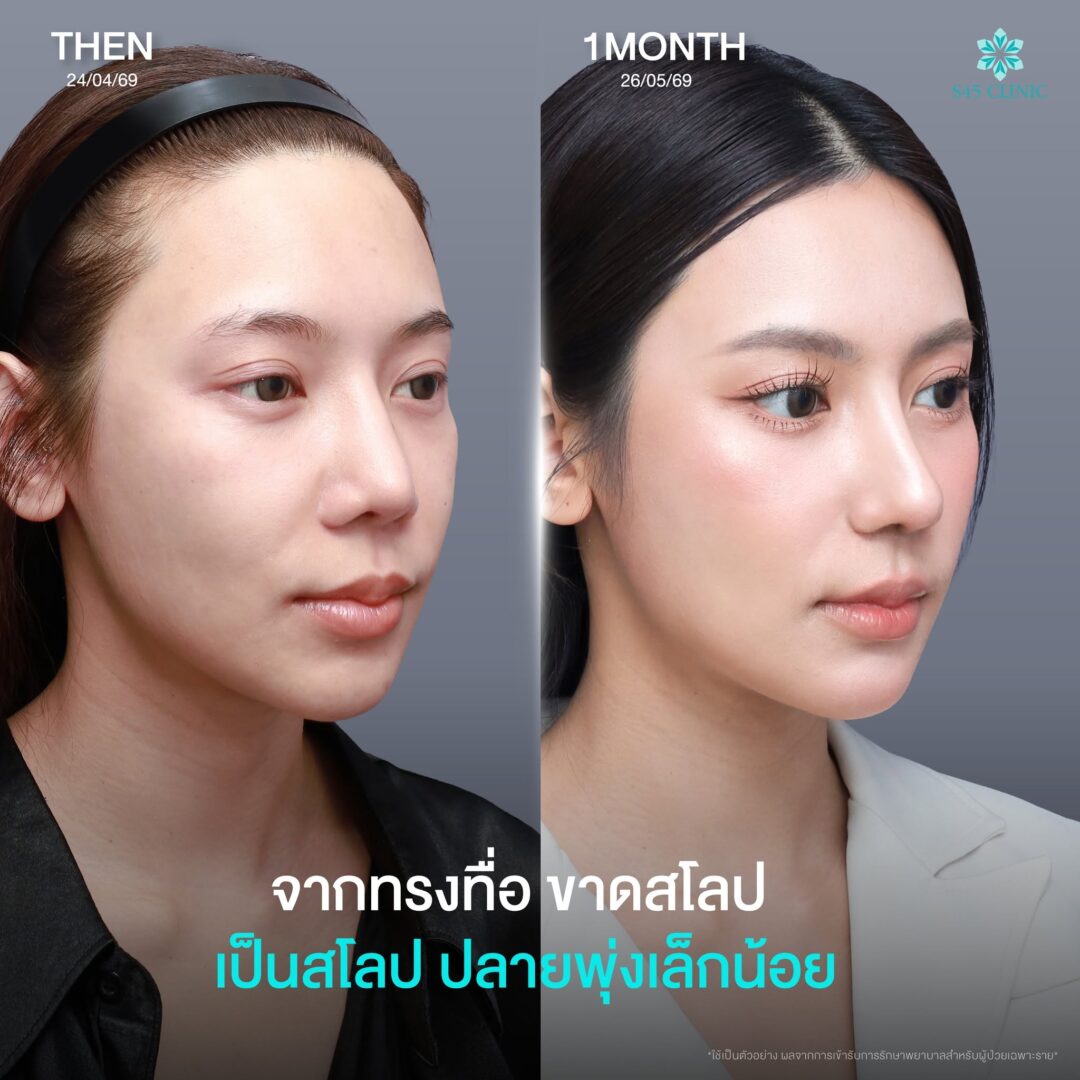
When the nose shape does not suit the face after rhinoplasty, there is rarely a single cause. It is usually a combination of several factors related to the original nasal structure and the planning before surgery.
Choosing a Shape From Reference Photos Without Looking at the Original Nasal Structure
Choosing a nose shape from reference photos alone, without assessing the original nasal structure, nasal base and facial proportions, can give a shape that does not suit your face, even if it looks good on someone else.
The Original Implant Does Not Suit the Nasal Base or the Skin of the Nasal Tip
The material used in rhinoplasty needs to match the thickness of the skin on the nasal tip, the nasal base and the original nasal structure. If the material is not suitable, the nose shape may look stiff or tight, or the implant outline may become more visible over time.
Scar Tissue or a Complex Original Nasal Structure
If you have had rhinoplasty before, you may have built-up scar tissue or a nasal structure that has changed, which affects both where the implant sits and the nose shape you get.
If Your Nose Shape Does Not Suit Your Face, What Should Be Assessed?
Before planning to reshape the nose, the surgeon assesses every point of the original nasal structure in detail, so that the result suits your real facial proportions, not just how it looks in photos.
Assessing the Original Implant and the Position of the Silicone
The surgeon checks whether the original implant is in a suitable position, and whether it has moved or is pressing on any part of the nasal structure, which directly affects planning the next step.
Assessing the Skin of the Nasal Tip, Scar Tissue and the Nasal Structure
The thickness of the skin on the nasal tip, the amount of scar tissue and the condition of the original nasal structure are key information that helps the surgeon choose an approach that suits each person.
Assessing the Bridge, Tip, Nasal Base and Facial Proportions
A complete assessment needs to look at the bridge, nasal tip, nasal base and your whole face, not just one point, because every part affects the overall balance of the nose shape.
Which Cases Should Be Assessed for Revision With the Open Technique?
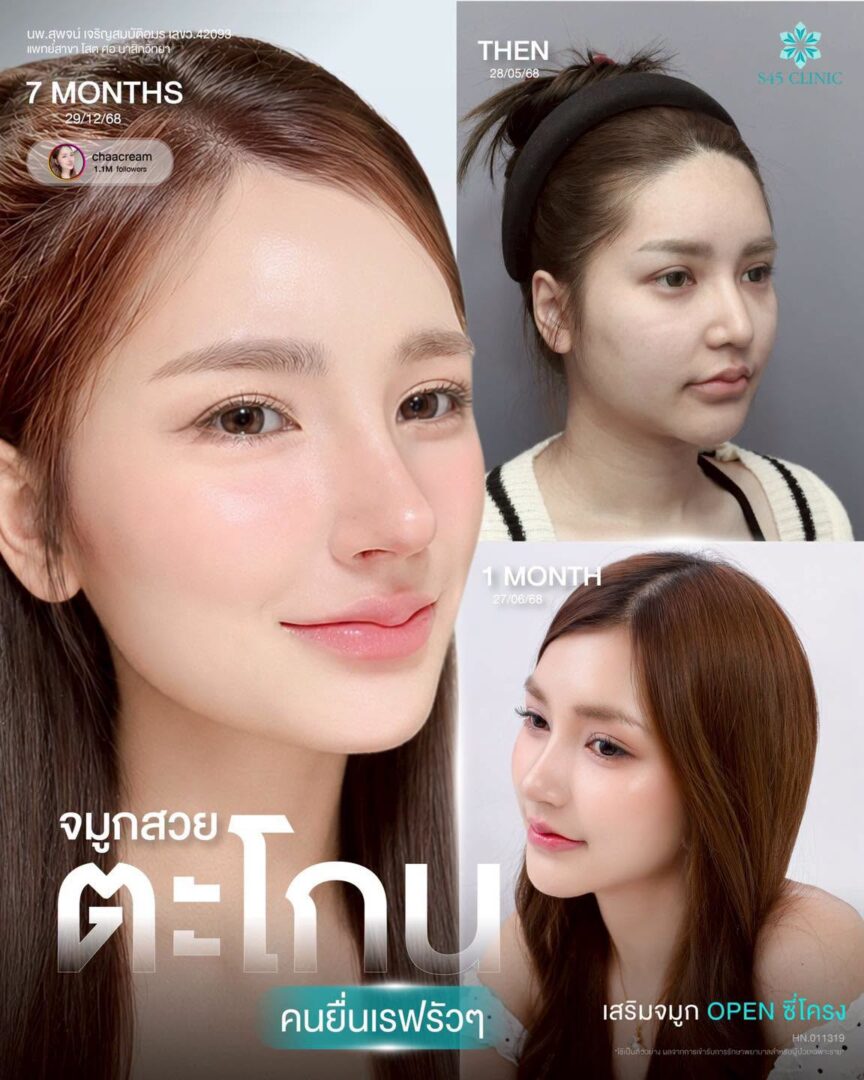
Open rhinoplasty is not an approach that suits every case. The surgeon always considers the original nasal structure and how complex each case is first.
Cases With a Complex Nasal Structure
Cases with built-up scar tissue, a nasal structure that has changed after previous rhinoplasty, or several points that need adjusting at once often suit open rhinoplasty, because it lets the surgeon see the nasal structure directly.
Cases Where the Original Implant, Scar Tissue or Nasal Tip Needs to Be Assessed
If the original implant needs to be assessed or adjusted, scar tissue needs to be treated or a complex nasal tip needs correcting, open rhinoplasty helps the surgeon plan in more detail.
Cases That May Not Need the Open Technique
In some cases where the nasal structure is still in good condition, only one point needs adjusting, or the problem is not complex, the surgeon may consider another, more suitable approach, depending on the assessment of each person.
What to Know Before Deciding to Reshape Your Nose
Reshaping the nose after previous rhinoplasty needs more detailed planning than a first rhinoplasty. Understand several points before you decide.
Do Not Expect the Shape to Match a Reference Photo 100%
The result depends on the original nasal structure, skin thickness and the limitations of each case. There is no guarantee that the shape will match a reference photo from every angle.
Nose Reshaping Should Be Assessed in More Detail Than a First Procedure
When there is an existing nasal structure and an implant already in place, the assessment before reshaping the nose needs to consider more factors, including scar tissue, the position of the implant and the readiness of the skin on the nasal tip.
Results Depend on the Original Nasal Structure and Recovery
Each case has a different recovery and result, depending on the original nasal structure, skin condition and personal factors. The surgeon gives you full information after assessing you individually.
If you feel your nose shape after rhinoplasty still does not suit your face, or you would like a surgeon to assess your nasal structure to plan a nose shape that suits your facial proportions, you can consult our surgeons at S45 Clinic directly.
FAQ
Note: The content of this article is for general information only and is not medical advice for any particular person. Results depend on each person’s structure and physical condition. Please consult a doctor for an assessment and suitable advice before deciding on any procedure.