Dorsal Hump Rhinoplasty, How to Choose a Nose Shape That Suits Your Face

A nose with a dorsal hump has a raised bump on the bridge, so some people feel the bridge line looks uneven, especially from the side or at a 45-degree angle. In some cases it can make the tip look less defined, or the overall nose shape may not suit the face as much as they would like, so they start looking into rhinoplasty to plan a shape that suits the bridge, the tip and the overall facial proportions.
However, people with a dorsal hump should not choose a shape from review photos alone, because the height of the bump, the tip, the nasal base and the existing structure differ from person to person. An assessment by the surgeon is an important step before planning a nose shape that suits each person.
How to Choose a Nose Shape If You Have a Dorsal Hump
If you have a dorsal hump, choose a nose shape based on the real structure of your nose and your facial proportions, not only on what you like or on review photos, because the bump on the bridge can affect the bridge line, the tip and the overall shape after planning.

Look at the Existing Bridge Line Before Choosing a Shape
The surgeon should assess where on the bridge the bump is, how high it is and how it affects the overall nose shape, to plan a bridge line that flows better into the tip.
Look at the Tip and Nasal Base as Well
Some people with a dorsal hump may also have a drooping or downward-pointing tip, a wide nasal base or little tip support. Choosing a shape should therefore consider the bridge, the tip and the nasal base together.
Look at the Facial Proportions, Not Just the Nose
Rhinoplasty to suit your face should consider the forehead, chin, lips and whole face, so the planned nose shape does not stand out from your existing facial features.
Which Nose Shapes Suit a Dorsal Hump?
A nose shape that suits someone with a dorsal hump should help the bridge flow on into the tip, without forcing against the limits of the existing nasal structure.
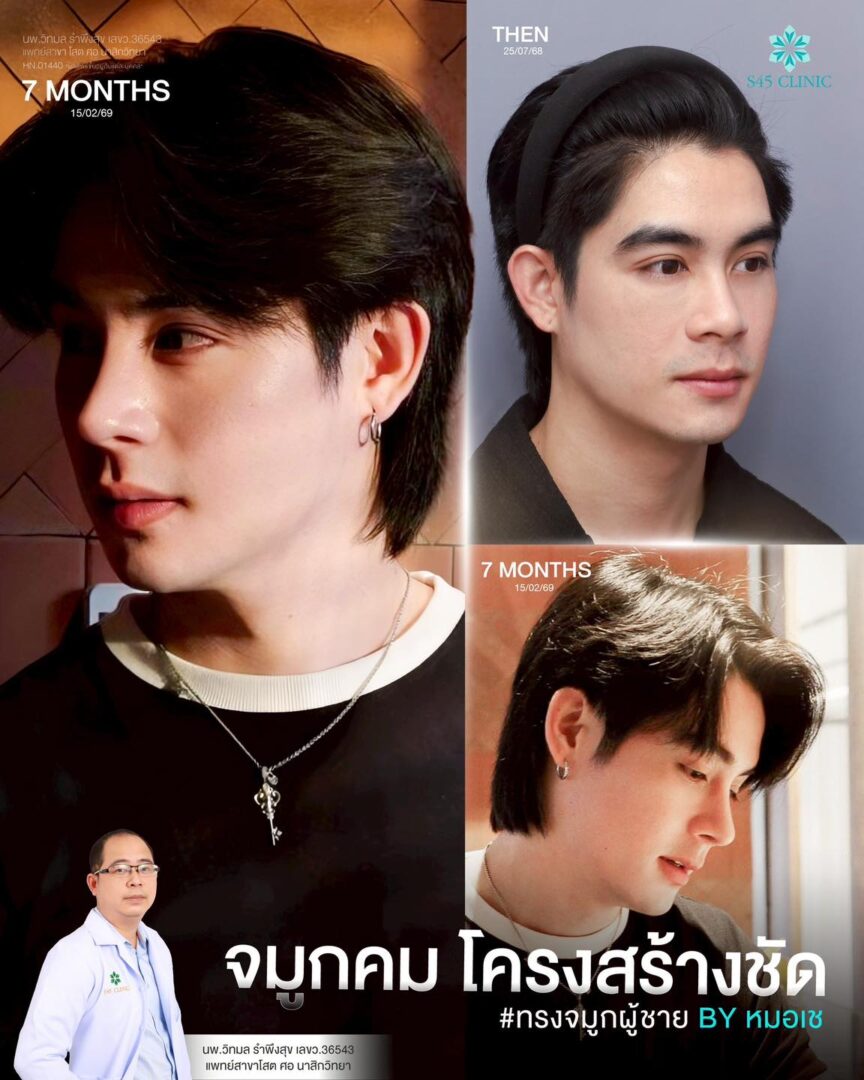
A Smooth, Soft Bridge
This suits people who want the bridge line to look more continuous while still suiting their existing face, without focusing on more height or projection than the structure and nasal skin can support.
A Moderate Sloped Upturned Tip
A sloped upturned tip may be an option in some cases where you want more depth in the nose, but it should first be assessed whether the bridge line, tip, nasal base and nasal skin can support it.
A Shape That Works With Your Existing Structure
If you have a dorsal hump, avoid a shape that is too high, projecting or sharp if your existing structure or the skin at the tip has limits, because it may not suit your face from some angles.
Who Does a Sloped Upturned Tip Suit If You Have a Dorsal Hump?
Many people with a dorsal hump are interested in a sloped upturned tip because they want the bridge line to look softer and more continuous, but not every case suits the same shape.
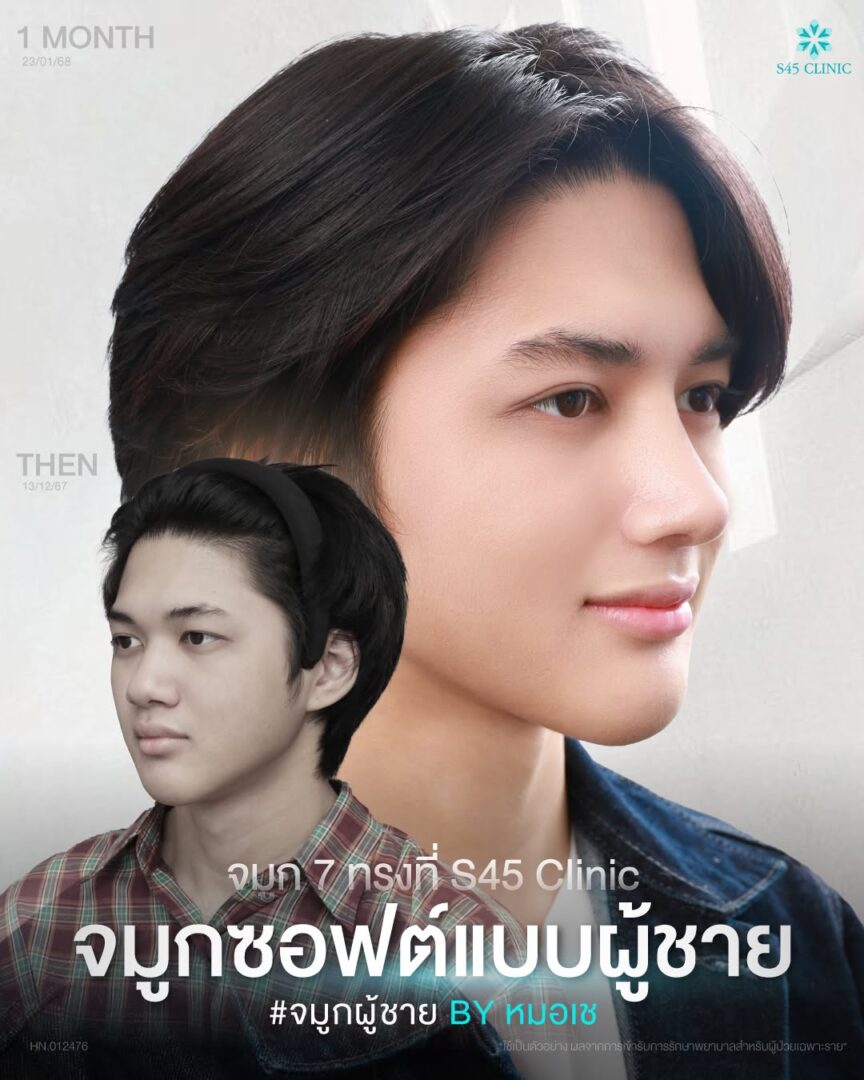
Cases Where the Tip Can Give Support
If the tip has suitable support and the skin at the tip is not too thin, the surgeon may consider planning a sloped upturned tip to suit your face.
Take Care If the Tip Droops or Points Down
If you have a drooping or downward-pointing tip together with a dorsal hump, the tip structure should be assessed first, because choosing a shape from review photos alone may not fit your real structure.
A Sloped Shape Should Suit the Bridge and Face
The aim is not just to make the nose project, but to make the bridge line, the tip and the facial features work together in a way that suits each person.
What to Assess Before Choosing a Nose Shape
Before planning rhinoplasty for a dorsal hump, several points should be assessed together, to choose a shape that suits your face and existing nasal structure.
Assessing the Bridge and the Height of the Bump
The surgeon looks at how much the bump on the bridge affects the nose shape, and how to plan the bridge so it flows on into the tip.
Assessing the Tip and Nasal Skin
The tip and the skin at the tip affect the choice of shape. If the tip has little support or the skin is thin, avoid shapes that force the structure too much.
Assessing Your Face Shape and What You Want
The surgeon should assess this together with what you want, to plan an attractive nose shape that suits your face, not one chosen from trends or review photos alone.
Which Cases May Need Assessment for Open Rhinoplasty
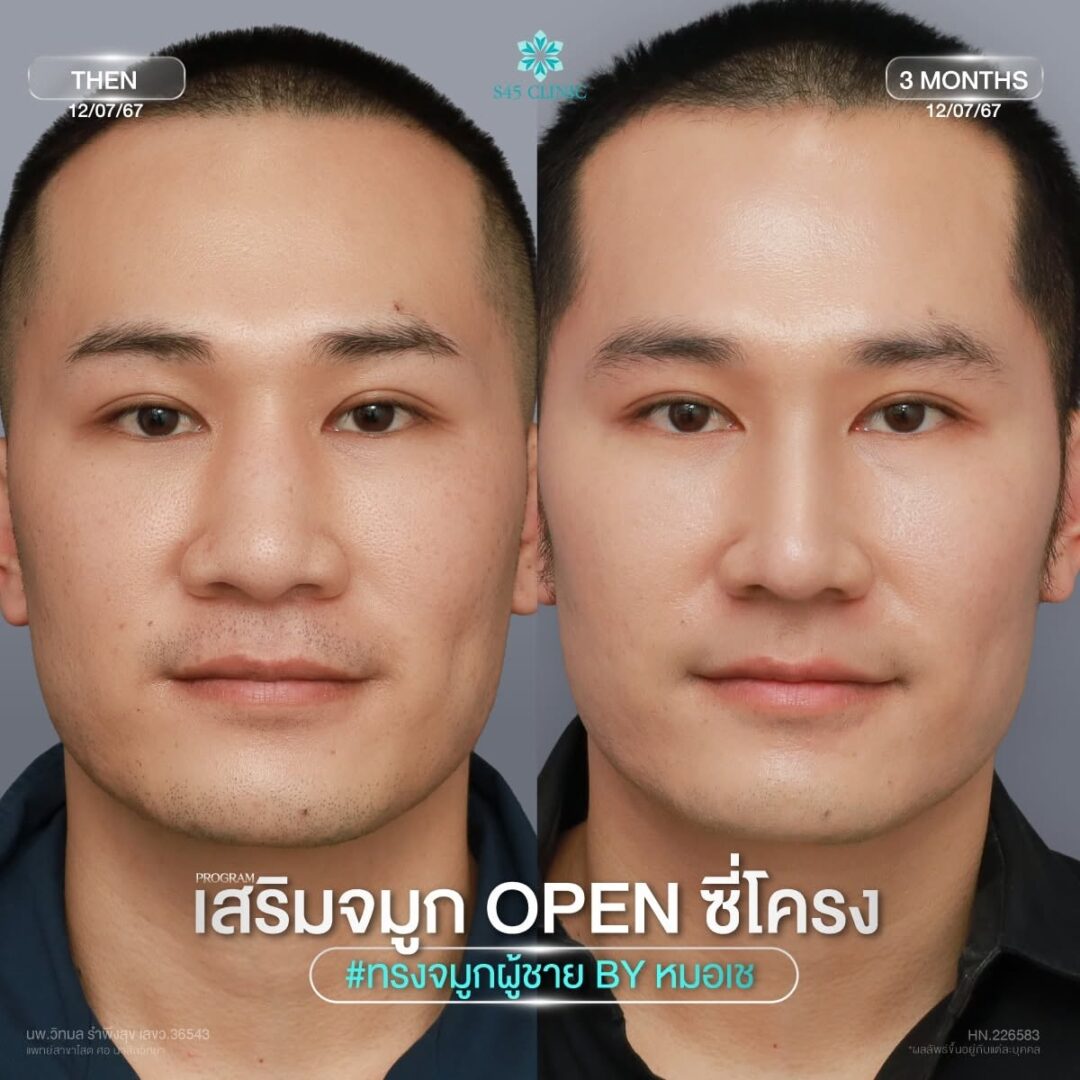
Some people with a dorsal hump may need assessment for open rhinoplasty if several structures need considering together, such as the bridge, the tip, the nasal base, or previous rhinoplasty.
A Dorsal Hump With a Drooping or Downward-Pointing Tip
If there is a bump on the bridge together with a drooping or downward-pointing tip, the bridge and tip may need to be assessed together, to plan a shape that suits the face better.
Previous Rhinoplasty With a Shape That Does Not Suit the Face
In people who have had rhinoplasty before and feel the bridge and tip do not match, the surgeon may need to assess the old implant, scar tissue and the internal nasal structure in detail.
Several Structures Need Planning
If the bridge, the tip, the nasal base and the continuity of the nose shape need to be assessed together, the surgeon may consider open rhinoplasty, depending on each person.
What Information to Bring for the Surgeon’s Assessment of a Dorsal Hump
Photos From the Front, at 45 Degrees and From the Side
If you have a dorsal hump, prepare photos from several angles so the surgeon can assess the bridge line, the tip and your whole face more clearly.
Nose Shapes You Like and Do Not Like
You can bring photos of attractive nose shapes you like to help explain what you want, but understand that the shape that really suits you depends on your own existing structure.
History of Previous Rhinoplasty or Procedures
If you have had rhinoplasty before, tell the surgeon so this can be used in the assessment before planning a new shape.