Deviated Septum and Difficulty Breathing, Can It Be Treated During Rhinoplasty?
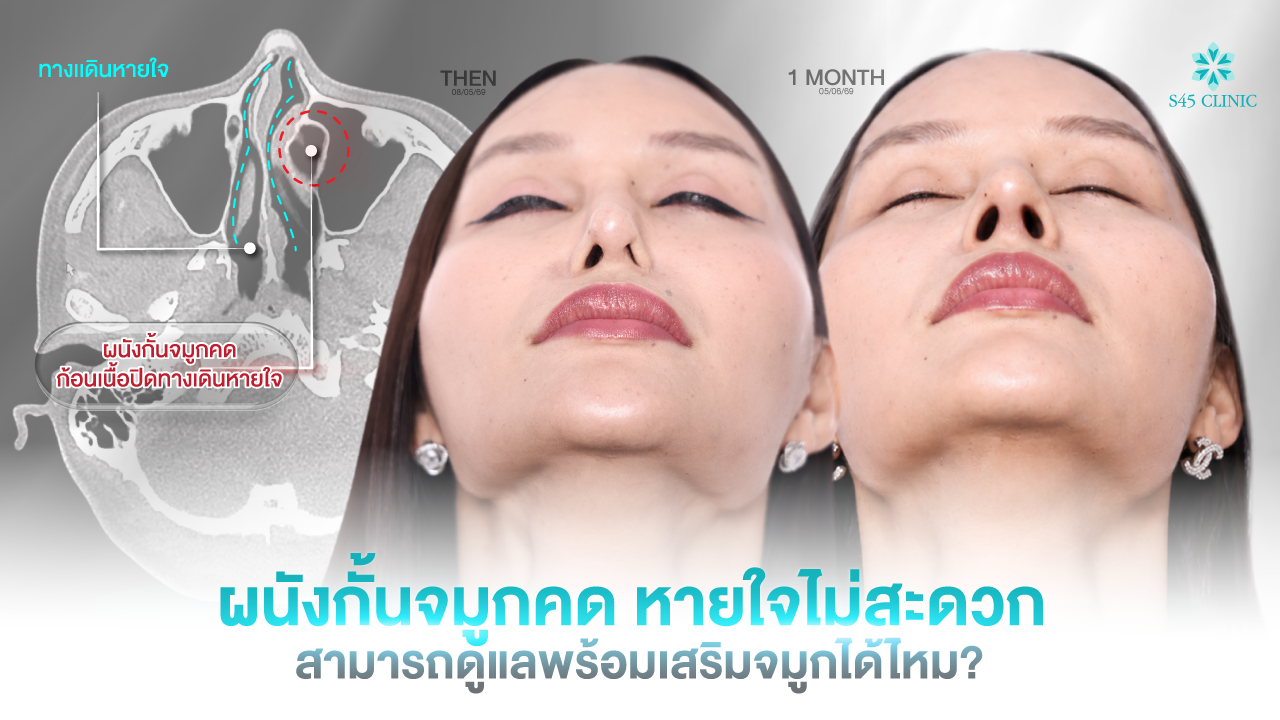
Many people have snored for years, or have felt that one side of the nose breathes more freely than the other for as long as they can remember, without ever thinking it could be a sign of a deviated septum. Some simply assume they are someone who does not breathe very easily, until the day they come for a rhinoplasty consultation and are asked whether they have felt this way before.
A deviated septum is when the structure that divides the left and right nasal passages is not in its usual straight line. It may lean to one side and make the airway on that side narrower. Some people have clear symptoms, while others hardly realise their nose has been like this for a long time.
The next question is: if you want rhinoplasty but also have a problem with your septum, do you have to choose one to treat first, or can both be dealt with at the same time? This article looks at how a deviated septum affects the nasal structure and where the open rhinoplasty technique can help.
What Is a Deviated Septum and How Does It Affect the Nasal Structure?
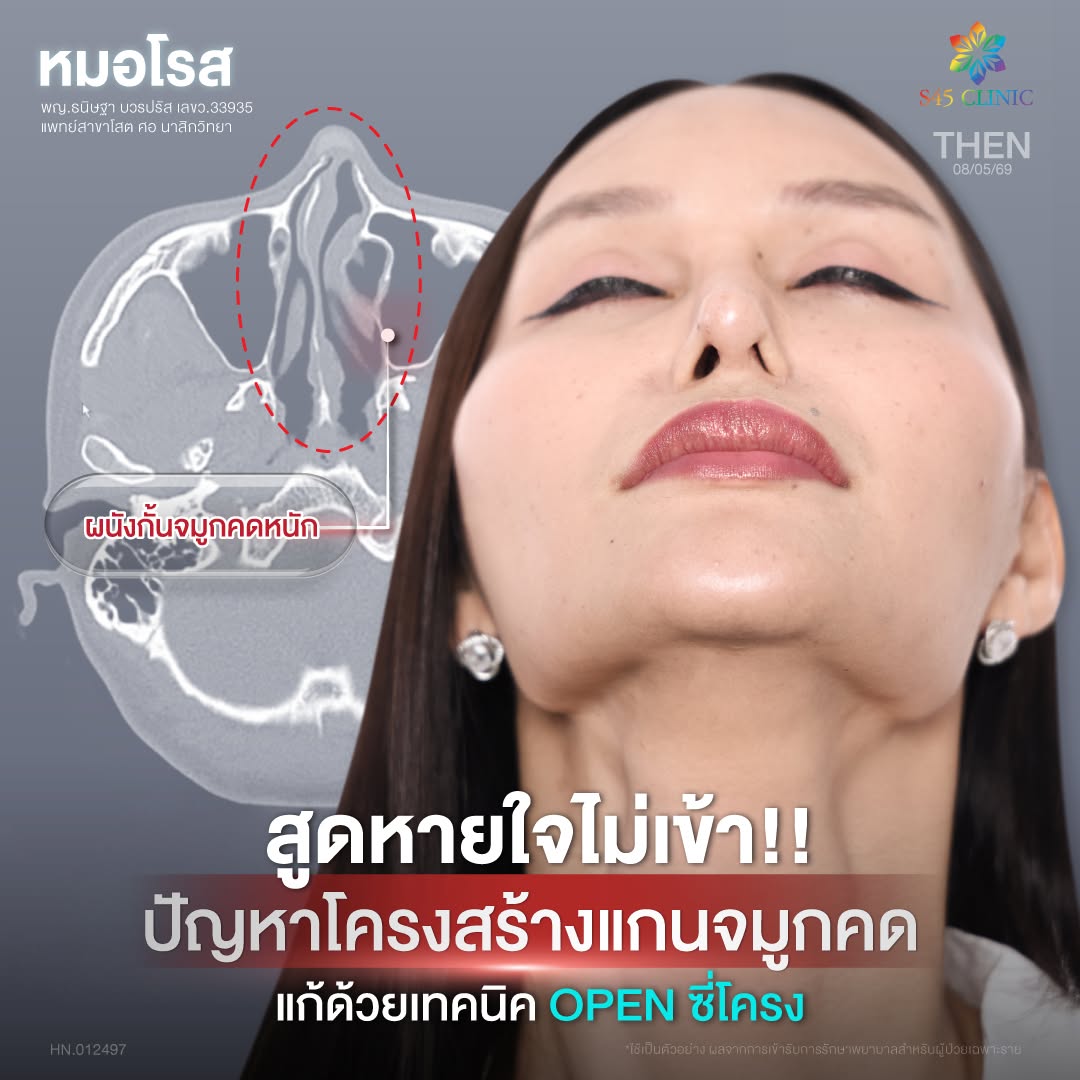
It sounds like a small thing, but a deviated septum affects both breathing and the shape of the nose more than many people think, for example in the ways described below.
A Deviated Septum and Changes in the Nasal Structure
The septum works like the central pillar of a house for the nose. If this pillar leans, the other parts resting on it may lean with it. This is why some people notice that their nose does not look straight, the bridge looks slightly crooked, or the 2 nostrils look uneven, even though they have never had an accident.
A deviated septum can have several causes. Some people are born with it because the bone and cartilage grew unevenly, while for others it comes from an injury to the nose in childhood that they may not even remember.
Which Symptoms Should a Surgeon Assess?
Check whether you have several of these symptoms together:
- one side of the nose breathes clearly more freely than the other, especially when lying down
- a frequently blocked or stuffy nose
- frequent snoring, or the person next to you says your breathing is unusually loud
- sinusitis or a blocked nose more often than most people
- your nose looks slightly crooked when you look straight into a mirror
Having these symptoms does not always mean you have a deviated septum, but if you have several of them together, having a surgeon look further at your nasal structure may help you understand the factors behind your symptoms more clearly.
How Does a Deviated Septum Found on a CT Scan Differ From Other Structural Problems?
Many people are surprised when they have a CT scan to prepare for rhinoplasty and find they have a deviated septum they never knew about. This is because some types do not show as clearly as other nasal structure problems, such as a raised bridge or a thick nasal tip, which you can see from the outside straight away.
Some degrees of deviated septum are hidden inside. From the outside there may be nothing unusual to see, but it directly affects breathing and rhinoplasty planning, because if the septum deviates a lot, placing the implant straight also becomes harder.
How Does the Open Technique With Rib Cartilage Help Plan Changes to the Nasal Structure?

Once you know you have a deviated septum, the next question is what to do if you also want rhinoplasty.
Why Some Cases Need the Open Technique Instead of Semi-Open or Closed
Cases with a deviated septum together with other problems, such as a tilted bridge or a nasal structure that has changed after previous rhinoplasty, usually need a more detailed view than usual. The open rhinoplasty technique, or open technique rhinoplasty, makes a small incision at the base of the nose, which lets the surgeon assess the internal structure in more detail.
This differs from the semi-open or closed technique, which uses a smaller incision and suits cases where the structure is less complex. Cases that need several points treated at once are therefore more often considered for the open technique, depending on the surgeon’s assessment of each person.
How Does Rib Cartilage Help Support the Nasal Structure?
In cases where the septum is so deviated that the existing cartilage is not enough for the correction, the surgeon may consider using rib cartilage for support, because it is strong and of a suitable size to reshape the septum while also setting a new line for the bridge.
Not every case needs rib cartilage. Some cases with a mild deviation may be able to use enough cartilage from other parts of the nose itself. Which material is used depends on how much cartilage remains and how complex each case is.
Can the Septum and the Nose Shape Be Adjusted at the Same Time?
In some cases, care for the septum can be planned together with designing the nose shape in the same operation, especially in cases where the internal structure and the external shape are linked, such as a tilted septum together with a crooked-looking nose, narrow nostrils or difficulty breathing.
However, this approach is not the answer for everyone. The surgeon needs to see how the septum, the airway, the bridge, the nasal base and the nasal tip relate to each other, and also check your overall health before deciding on a technique.
The main goal is therefore not only to make the nose shape suit your face, but also to plan in line with the original nasal structure and each person’s limitations.
What Should Be Assessed in Cases With Complex Nasal Structure Problems?
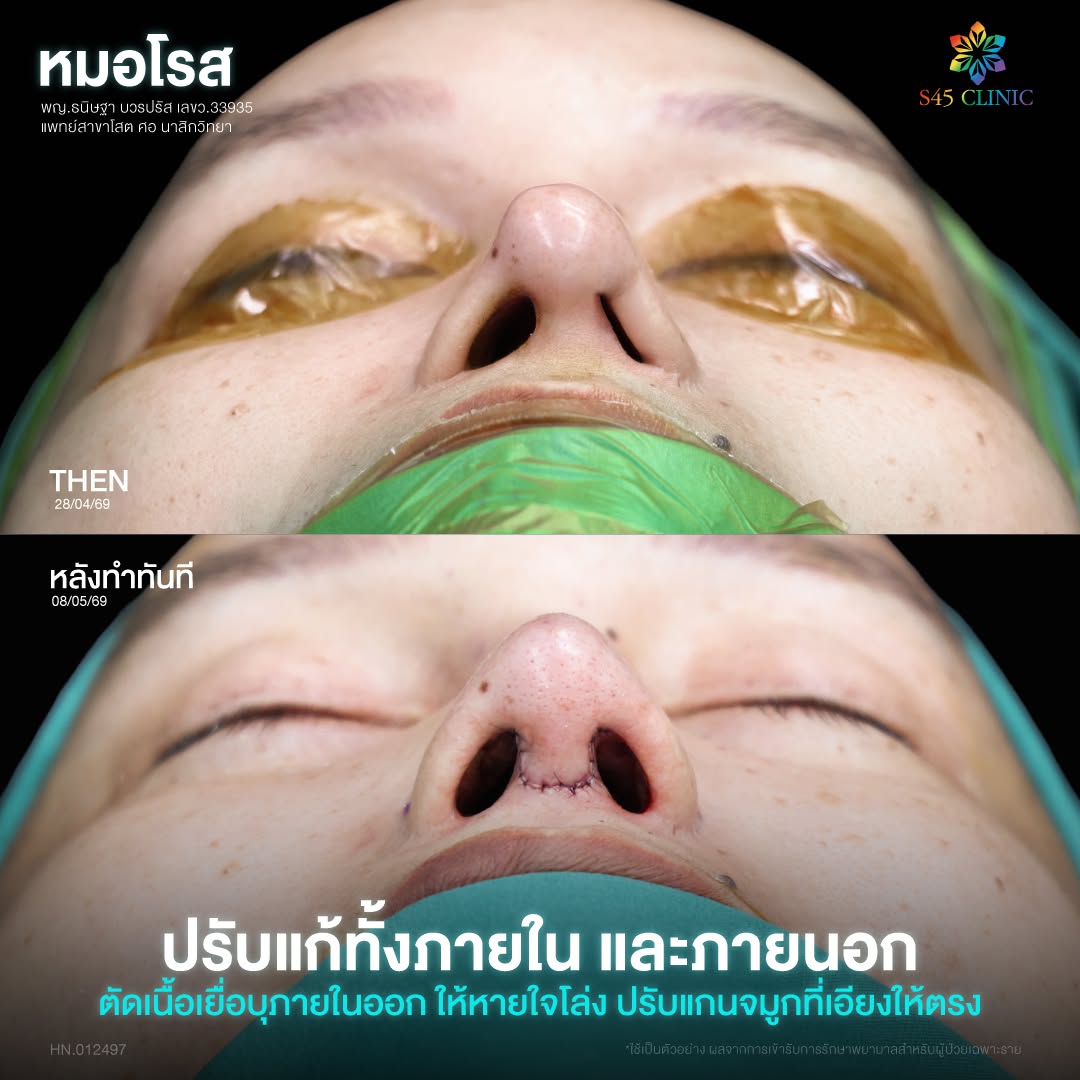
When there is more than one problem in the same nose, the assessment also needs to cover more, as follows.
Assessing the Septum and the Airway
The surgeon checks which way the septum deviates, by how much, and which side of the airway it affects more. In some cases a CT scan may be needed to see internal structures that cannot be seen from the outside.
Assessing the External and Internal Nasal Structure Together
It is not only about breathing. The surgeon also needs to look at the bridge, the nasal tip and the nasal base together, because correcting the septum can affect the external shape. Looking at both parts together helps make the plan more complete.
What Results You Can Expect From This Kind of Planning
Treating a deviated septum together with designing the nose shape may help the surgeon plan the internal and external structure so that they are more consistent. Results depend on how deviated the septum is, the original structure and each person’s recovery.
What to Know Before Deciding

Results Depend on Each Person’s Original Structure
Each person’s deviated septum has a different level of complexity. Some have a mild deviation that needs little treatment, while others have a severe deviation that needs rib cartilage for support. Results for both breathing and nose shape therefore depend on the original structure and the surgeon’s assessment of each person.
Recovery After the Open Technique With Rib Cartilage
Cases that use the open technique with rib cartilage usually have a longer recovery period than standard rhinoplasty, because both the nose and the area where the cartilage was taken need care. The exact recovery time varies with how complex each case is.
Have a Surgeon Assess You Before Choosing a Technique
Before deciding which technique to use, or whether to treat the septum at the same time as rhinoplasty, always have a surgeon examine and assess your actual structure first. Do not choose a technique based on what you have heard, or because you have seen someone else have it and think yours must be the same, because every nose is different.
Difficulty breathing, a tilted nose or a suspected deviated septum may relate to the internal nasal structure and should not be overlooked before deciding on rhinoplasty. Let our surgeons at S45 Clinic look at both the internal structure and the external shape to choose an approach that suits your own problem.