What Is a Bulbous Nose, and Can Open Rhinoplasty Reshape the Tip?

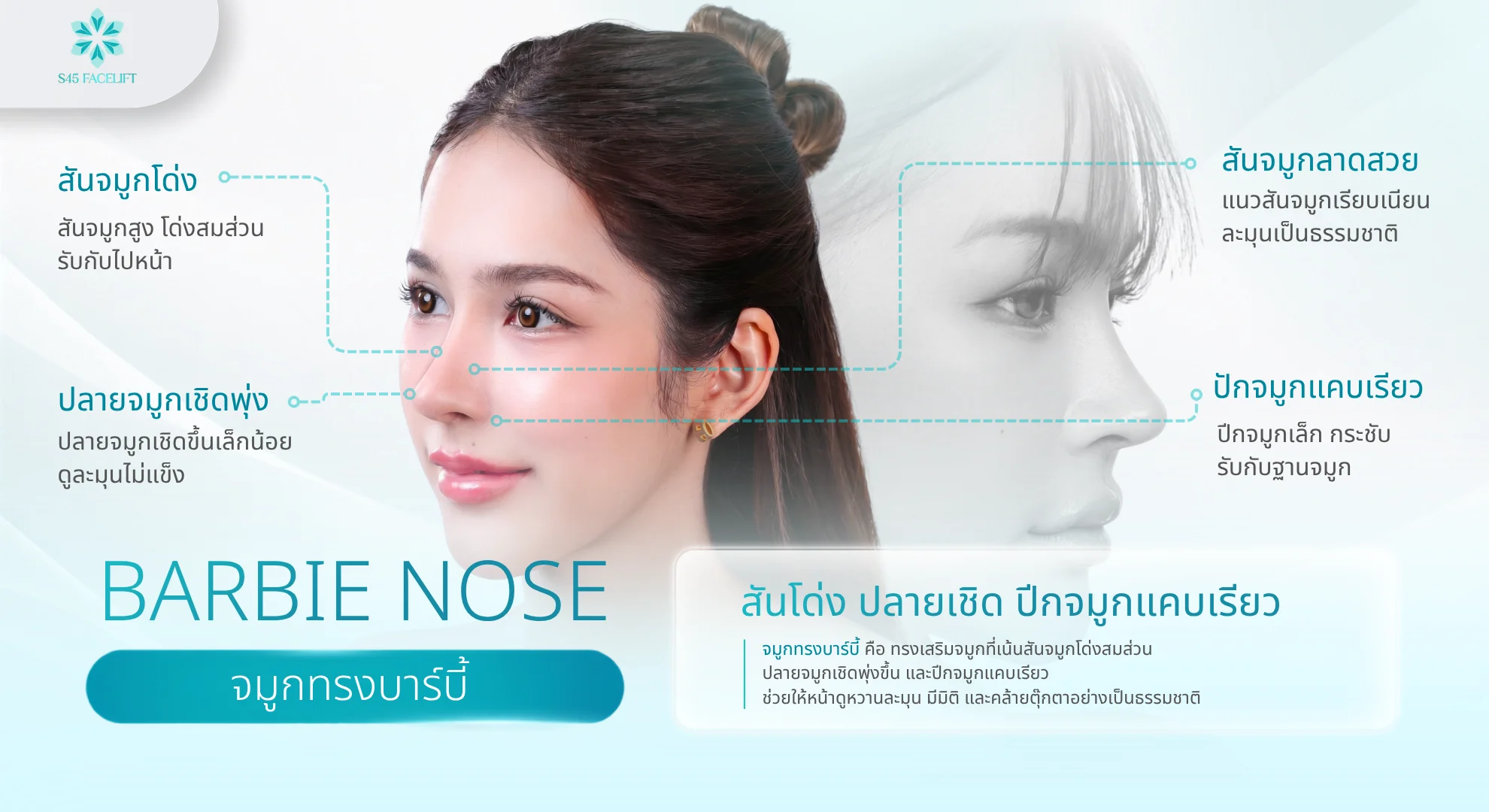
A bulbous nose has a large, round or wide tip that makes the nose look heavy and lacking shape. It is one of the large-tip concerns often seen in Thai and other Asian people, because of flared tip cartilage, thick tip tissue, or both.
For people interested in rhinoplasty to correct a bulbous nose, a common question is whether open rhinoplasty is needed. In many cases open rhinoplasty is a suitable technique, because the surgeon needs to see and work on the tip cartilage directly to achieve the result you want.
However, not every case needs the open technique. In some less complex cases, the surgeon may consider other techniques as suitable. This article explains what a bulbous nose is, what causes it, and why open rhinoplasty is often used for it.
What Is a Bulbous Nose?

Before deciding on rhinoplasty, understand that a bulbous nose does not only mean a large tip. It needs to be looked at together with the shape of the tip, the width of the nasal base, the tip tissue and your overall facial proportions.
3 Main Features of a Bulbous Nose
Features often seen in people with a bulbous nose include:
- a tip that looks round and fairly prominent
- a tip that looks flared out to the sides
- a tip that looks heavy or lacks clear shape from some angles
Some people may have only one of these features, while others may have a round tip, a flared tip and a wide tip base together, so it should be assessed from several angles, not just from the front.
Bulbous Nose vs Large Nose Tip vs Wide Nose Tip
- A bulbous nose focuses on a tip shape that looks round or flared, caused by the cartilage structure and the tip tissue.
- A large nose tip covers any tip that is large because of the cartilage, the soft tissue or the tip base, and it is not necessarily round or flared.
- A wide nose tip focuses mainly on the width of the tip. It may not look round, but it spreads wider than suits the facial proportions.
However, telling them apart clearly helps the surgeon assess whether to focus on reshaping the tip, the cartilage or the nasal base, and whether the alae need reshaping as well.
Check Yourself From Photos
You can make a first check from 3 main angles:
- From the front: see whether the tip is wide or round and more prominent than the bridge.
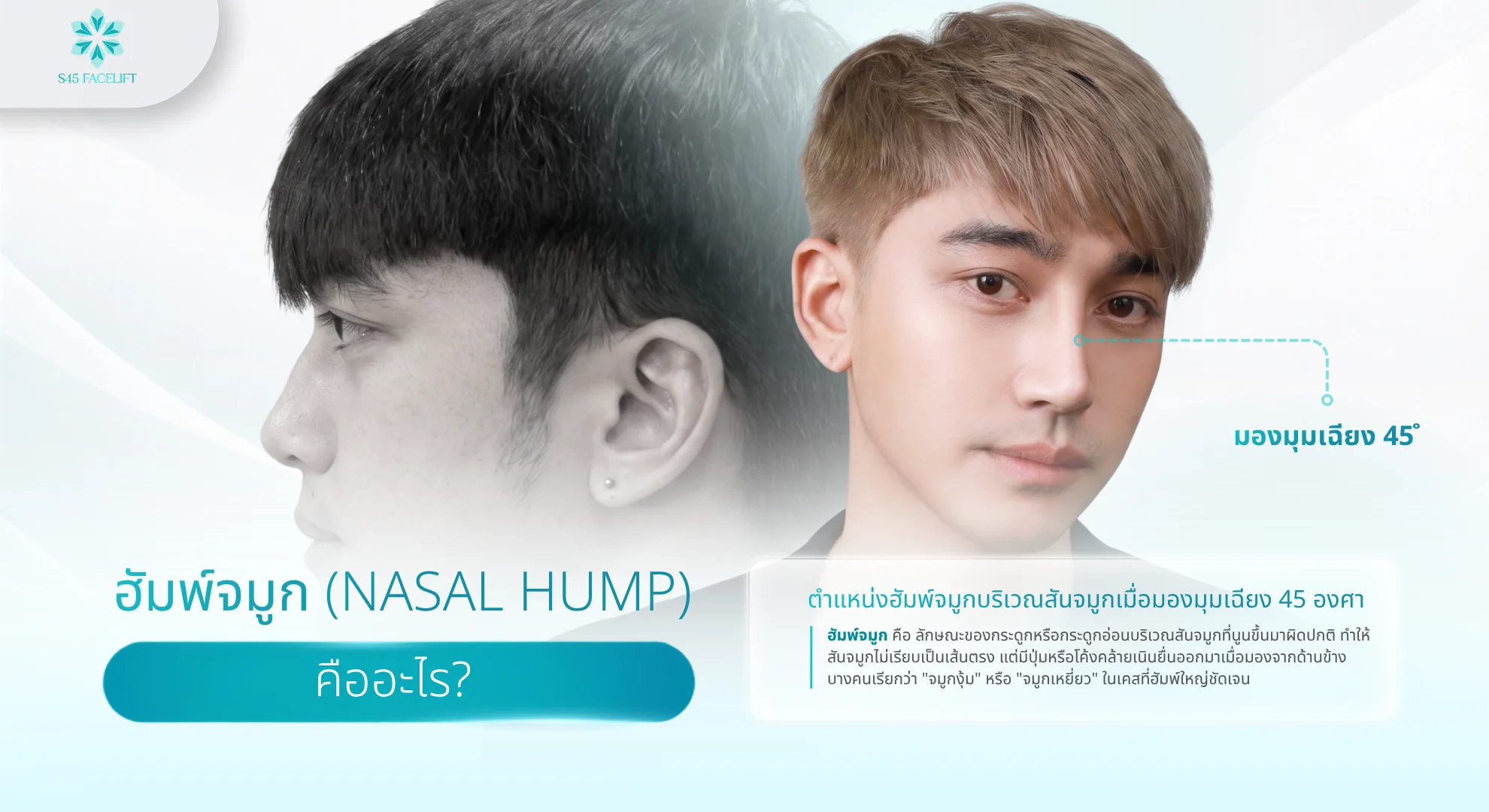
- At a 45-degree angle: see whether the tip has depth or looks heavy.
- From the side: see how the tip flows on from the bridge and how it relates to the lips.
If the tip looks prominent from every angle, or you feel it does not match the bridge, it may be worth asking the surgeon to assess the tip structure in detail.
What Can Cause a Bulbous Nose?
A bulbous nose can have several causes, including the tip cartilage, the tip tissue, skin thickness, genetics and each person’s existing nasal structure.
Tip Cartilage That Is Spread or Wide
The tip cartilage, or lower lateral cartilage, is the main structure that sets the shape of the tip. If this cartilage flares out a lot or lacks enough support, the tip looks wider and rounder than it should, which is a main cause of a bulbous nose in many cases. Open rhinoplasty therefore suits this case, because the surgeon can see the nasal structure and work on the cartilage directly.
Thick Tip Tissue
In some cases the problem is not only the cartilage. Thick tip tissue makes the tip look large and without clear shape, even when the cartilage framework is normal. Cases with very thick tissue may need an assessment of the limits on the result and of how the surgeon will plan rhinoplasty to suit the face.
Asian Genetics, and Why It Is Common in Thai People
Thai and other Asian people often have tip cartilage that is softer and thinner than in Western people, together with tip tissue that is often thicker, so the tip looks round and lacks shape. This feature can also be inherited, so it is common in people whose family members have a similar nose.
Why a Bulbous Nose May Need Assessment for Open Rhinoplasty
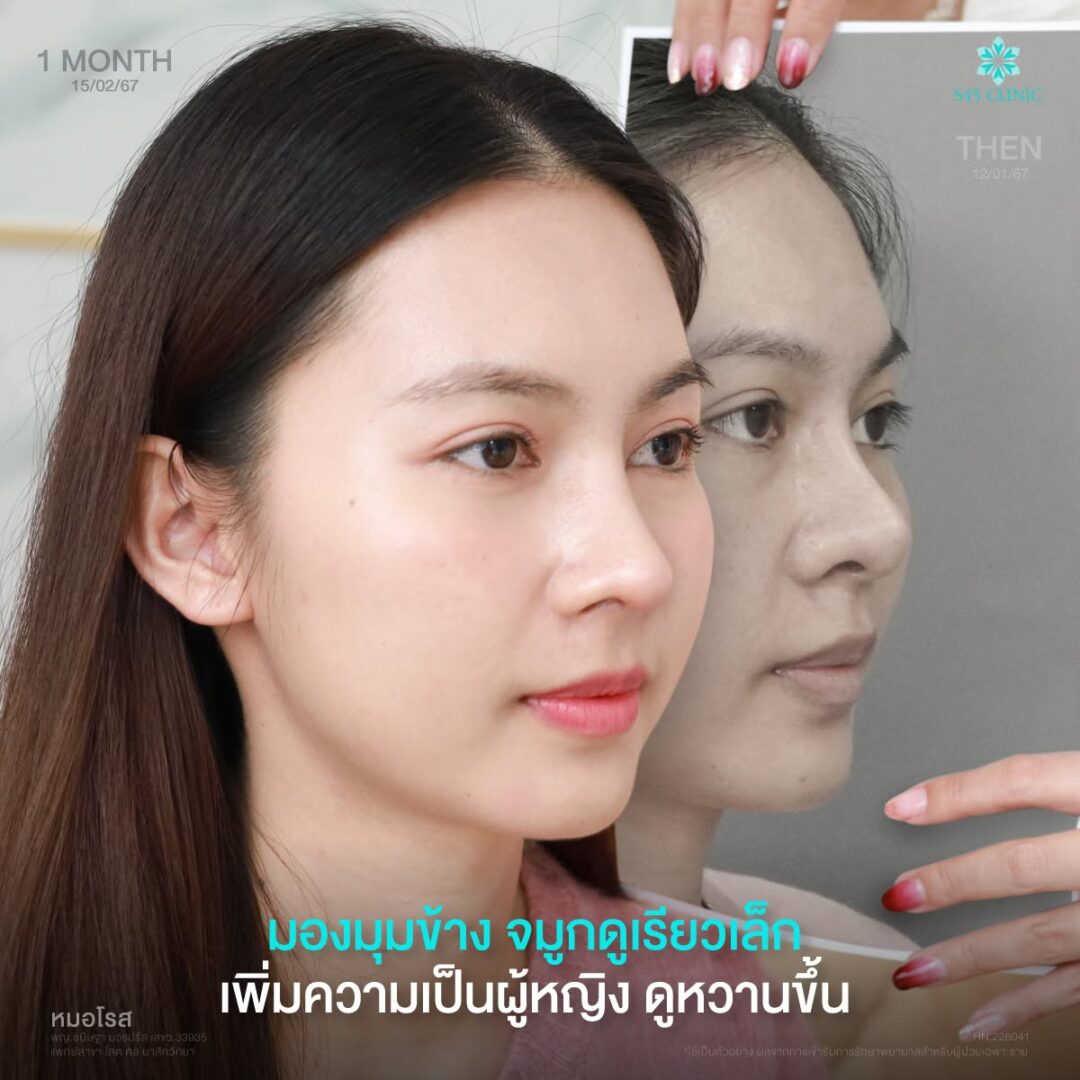
In some cases of a bulbous nose, reshaping the tip may need a detailed assessment of the tip structure, especially when the tip is large or wide, the tip tissue is thick, or there has been previous rhinoplasty.
The Surgeon Can Assess the Tip Structure in More Detail
Open rhinoplasty is a technique that lets the surgeon assess more of the internal nasal structure in some cases, such as the tip cartilage, the tip base and the position of the tip.
This may help the surgeon plan tip reshaping in more detail, especially in cases with a complex structure, or where the tip needs to be assessed together with the bridge and nasal base.
Tip Cartilage May Be Repositioned in Some Cases
In some cases, the surgeon may consider techniques involving the tip cartilage, such as suturing the cartilage into position or using some material to support the tip, so the tip flows on better from the bridge.
This depends on your existing nasal structure, tip tissue, skin condition and goals. Do not choose a technique from the name of the procedure alone.
Summary
A bulbous nose is a tip that looks large, round or flared, which may come from the tip cartilage, thick tip tissue, a wide nasal base or each person’s genetics. Choosing how to reshape the nose should therefore not look only at the tip, but also at the bridge, the nasal base, the nasal tissue and the overall facial proportions.
In some cases, open rhinoplasty may be a technique the surgeon considers, because it helps assess the tip structure in more detail, especially in cases with a large tip, a wide tip or previous rhinoplasty. But not every case needs the open technique. If you want to choose a nose shape that suits your face, book a consultation with the surgeon for an individual assessment of your nasal structure before you decide.
Frequently Asked Questions About a Bulbous Nose
Note: Results depend on your existing nasal structure, nasal tissue, skin condition, the technique used and the surgeon’s individual assessment.