Scar Tissue in Nose After Rhinoplasty, Can Open Rhinoplasty Treat a Stiff Nose?

Had your nose reshaped several times and now have dense scar tissue? Can open rhinoplasty really help? Dense scar tissue forms when the body makes fibrous tissue that tightens around a silicone implant, after inflammation or infection, or after several rhinoplasty or reshaping operations. This can cause contraction, a stiff and tight nose, an upturned tip and a crooked nose shape.
The more often the nose is operated on, the higher the risk of dense scar tissue
S45 Clinic, nose reshaping for complex cases
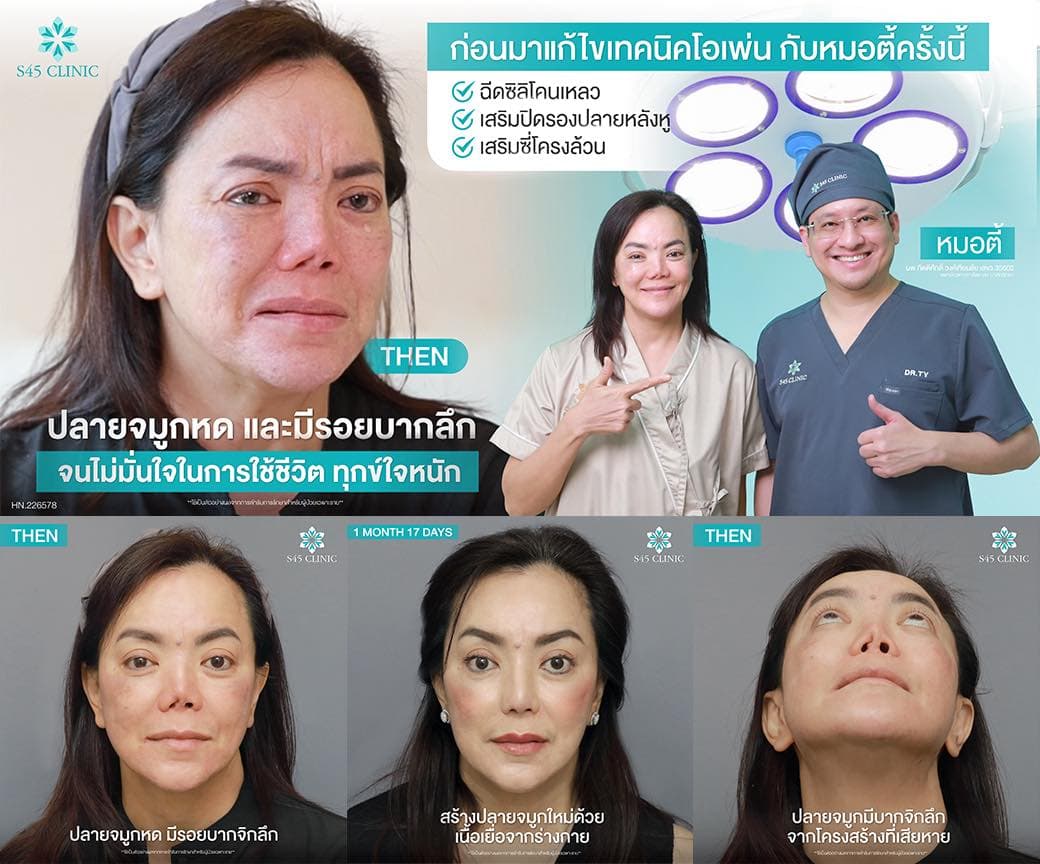
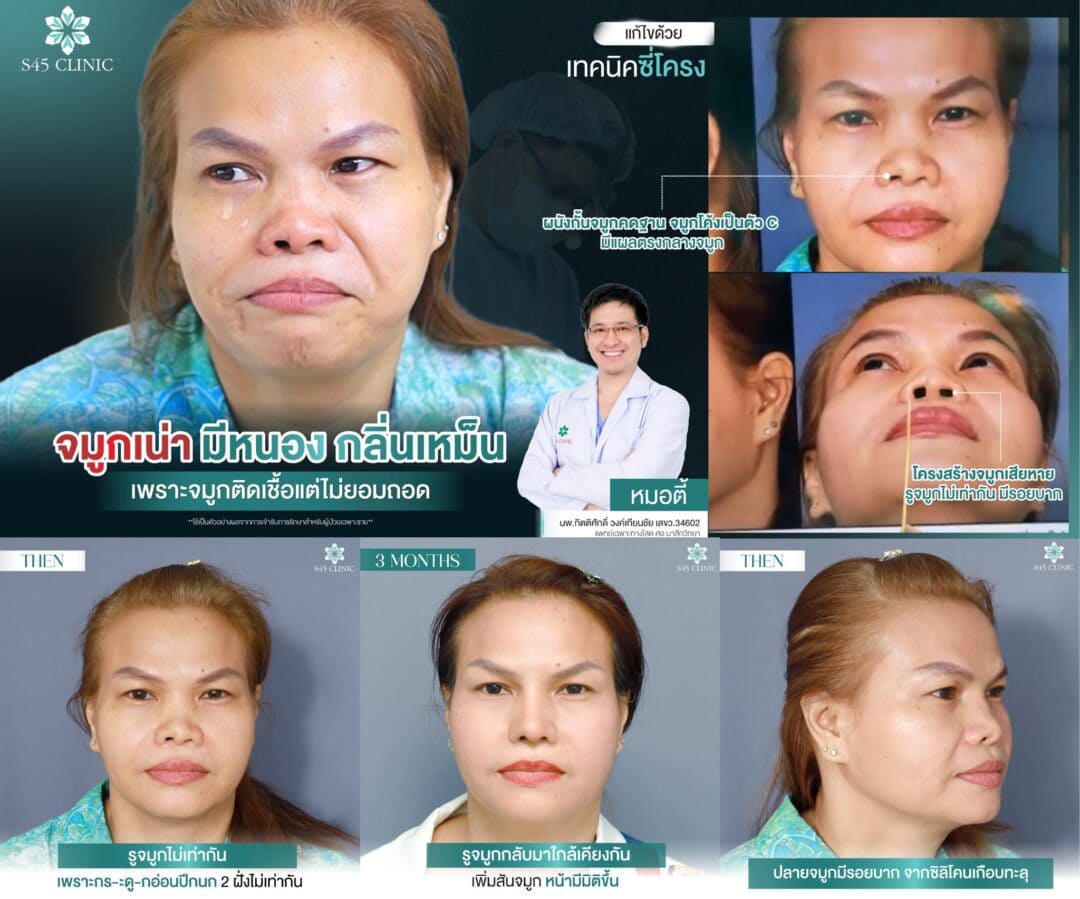
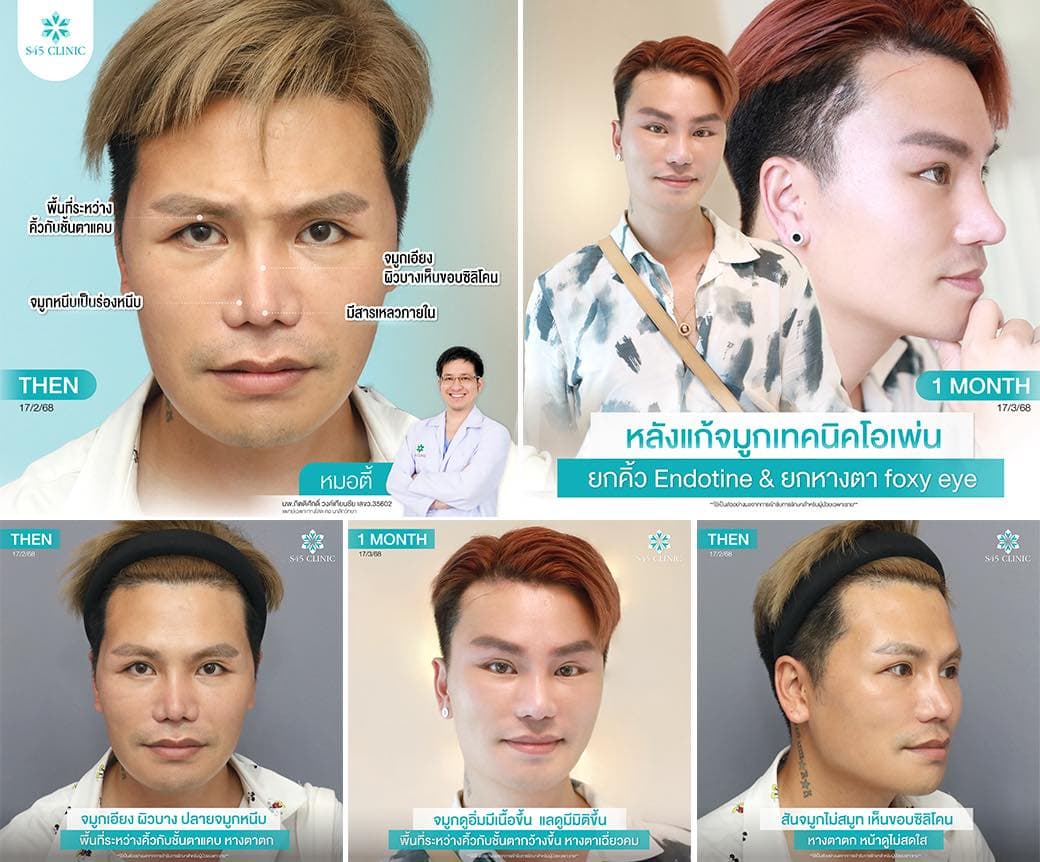
Dense scar tissue can form after injury, an accident, or surgery with inflammation, which makes the tissue denser than normal and makes it stick to nearby structures. Causes include frequent rhinoplasty or reshaping, infection after surgery, the body making too much collagen, and incorrect aftercare that disturbs the wound.
How to Tell If You Have Dense Scar Tissue
- a blocked feeling in the nose, with a stiff, tight nose
- a tip that turns up more than before, so the nose looks misshapen and artificial
- pain in the nose
- skin so thin that the outline of the silicone implant shows
Dense scar tissue after rhinoplasty makes reshaping harder because the tissue loses flexibility, and there is a higher chance of bleeding than in other rhinoplasty or reshaping cases. The surgeon needs techniques to release the scar tissue and may need extra tissue grafts if the tissue has been damaged by dense scar tissue that must be removed.
@s45clinic.official Years of living with it, and a scar that is hard to forget, from inflammation that led to infection and a misshapen nose. Another difficult case who chose Dr. Ty at S45 Clinic to help treat it this time. Follow along to see how the result turns out. #s45clinic #S45clinicSurgeon #S45OriginalNoseShape #RevisionRhinoplasty #DifficultCase @S45Clinic ♬ original sound – S45 Clinic
@s45clinic.official Weak nasal structure, thin nasal skin and a tilted nasal axis. This person chose open rhinoplasty with the rib cartilage technique by Dr. Ty to make the structure stronger, so the nose shape suits the face better. #s45clinic #S45clinicSurgeon #S45OriginalNoseShape #Rhinoplasty #RhinoplastyReview @S45Clinic ♬ cheri cheri lady – moiseslyricsss
Repeated Nose Reshaping and Dense Scar Tissue
What Causes Dense Scar Tissue
- the body forms scar tissue around a foreign object, such as a silicone implant
- inflammation or infection after surgery makes the body form more scar tissue than usual
- frequent repeat reshaping raises the risk of scar tissue
- a silicone implant pressing on the nasal cartilage for a long time can lead to more scar tissue
Dense scar tissue weakens the nasal structure. So for repeated reshaping, especially repeat revisions with dense scar tissue, open rhinoplasty is suitable because the nasal structure is opened to see the internal damage. Other materials may need to be considered, such as rib cartilage, ear cartilage or other tissue grafts if damage is found. In each case, the surgeon decides based on each person’s problem.
What Harm Can Dense Scar Tissue Do
- the tissue does not get enough blood, which may damage it, making it stiff or causing tissue death
- a weak nasal structure, a collapsed nose, a crooked nose or asymmetry
- effects on the internal structure that affect breathing
- the need for further corrective surgery to reshape the nose
Open Rhinoplasty for Difficult Reshaping With Dense Scar Tissue
Open rhinoplasty is a nose surgery technique that makes an incision at the columella (the strip of skin between the nostrils) to see the whole internal structure of the nose, unlike closed rhinoplasty. It offers:
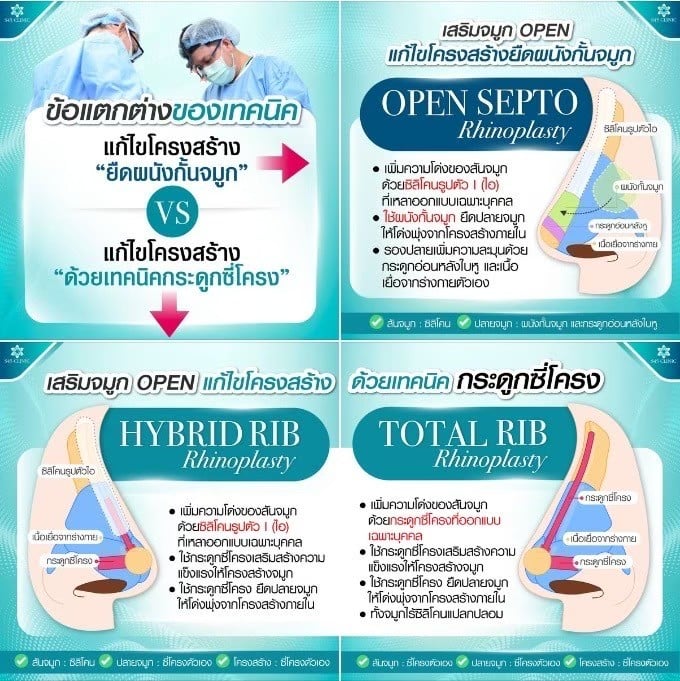
- a clear view of the internal structure
- precise, detailed correction, especially in complex cases
Where to Have Reshaping for Repeat Revisions With Dense Scar Tissue
At S45 Clinic, nose reshaping (revision rhinoplasty) is carried out by surgeons experienced in difficult and complex cases, including noses misshapen by accidents or by conditions such as cleft lip and palate.
Frequently Asked Questions
Does Open Rhinoplasty Affect Breathing?
If breathing is difficult or blocked because of a misshapen nasal structure, open rhinoplasty allows the nose to be opened so the structure can be seen and repaired appropriately. This helps reduce the problem and also reshapes the nose to suit the face better.
How Many Times Can You Have Nose Reshaping?
In general, whether for personal reasons or after something unexpected, nose reshaping should not be done more than 4 times. The more often it is revised, the higher the chance of damage to the tissue and structure and of other problems, so the surgeon may need to use other corrective techniques as well. This affects physical and mental health and makes reshaping more expensive.
Why Open Rhinoplasty Suits Dense Scar Tissue After Repeated Reshaping
It helps the surgeon see the structure and damage clearly. Choose a surgeon experienced in revision rhinoplasty for this surgery.
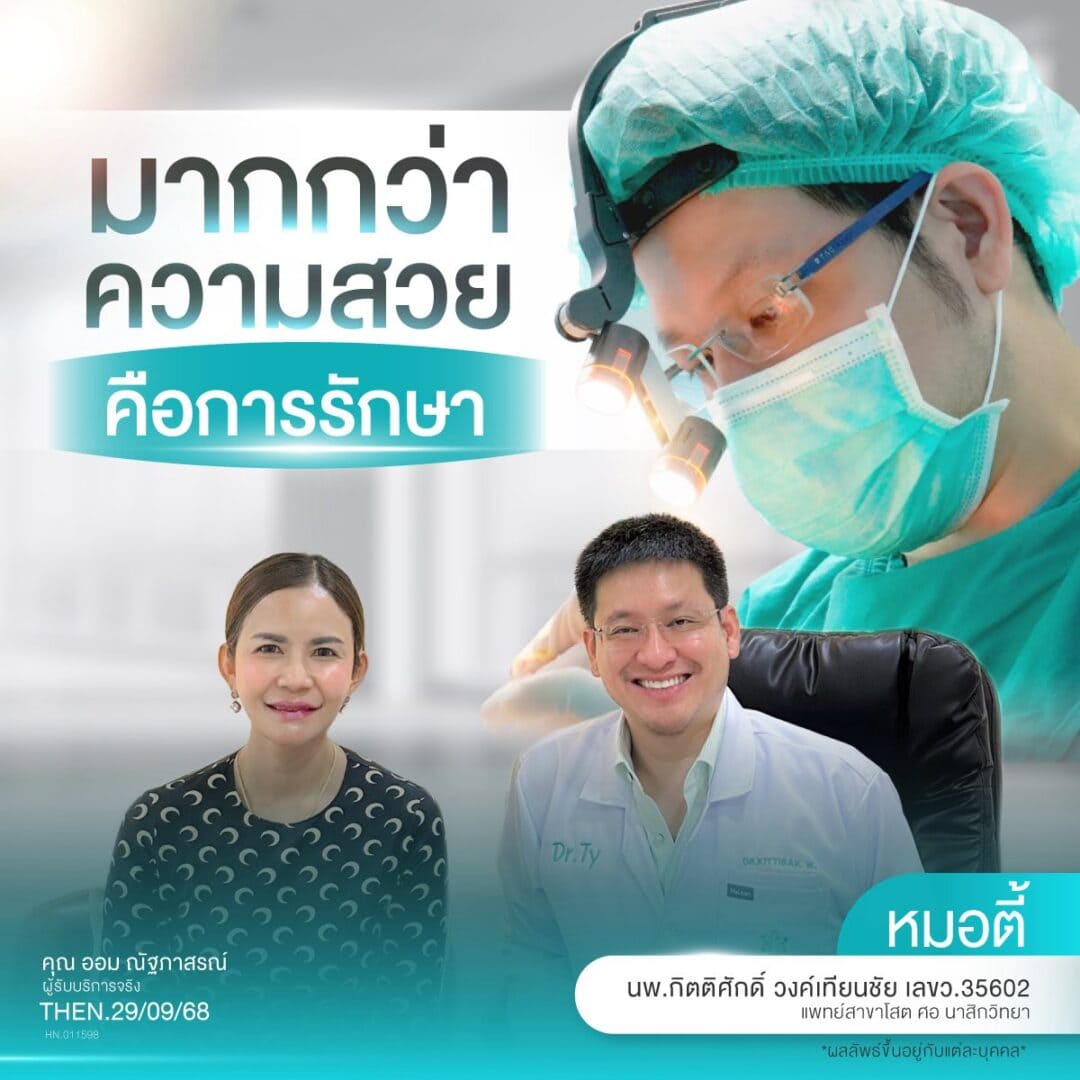
Dr. Ty S45 Original nose reshaping for difficult and repeat cases


How Long Is Recovery After Revision Open Rhinoplasty
Recovery takes longer than first-time rhinoplasty and depends on each person’s health and problem. In general, reshaping with dense scar tissue may take 6 to 12 months to recover from, and the nose shape is clearest at 2 years (depending on how dense the scar tissue is and the reshaping problem).
How Much Does Nose Reshaping Cost
For standard nose reshaping, the base price is about THB 150,000 or more, and for complex reshaping with a lot of scar tissue, about THB 400,000 or more.
The price depends on each person’s problem and the surgeon’s skill and experience, and some people may need a top-up for other materials used to treat the problem.
Get a Nose Reshaping Assessment
Why Choose Open Rib Cartilage Reshaping

- more than 5 to 15 years of experience in open rhinoplasty and reshaping
- several rhinoplasty techniques, including first-time, revision, difficult and medical cases
- a focus on designing a new nasal structure that suits each person’s face
- detailed analysis of the nose problem and targeted correction
- operating theatres that meet hospital standards
- an anaesthetist for every case
Note: Repeat nose surgery, which many people know as ‘nose reshaping’, is surgery for people who have had nose surgery before and need a further assessment by a surgeon. The approach to care depends on the original problem, the nose structure and the surgeon’s judgement in each case.