Open Rhinoplasty Before and After Surgery, What to Know Before You Decide

Rhinoplasty and nose reshaping with the structural technique (open rhinoplasty) is open surgery that lets the surgeon see the whole inner structure of the nose, so they can adjust, refine and lengthen the tip more easily than with a standard closed technique. This technique can also help correct problems inside the nose, such as a deviated septum, a high dorsal hump, a large tip with thick soft tissue, and noses affected by previous injections or thread lifts.
This technique also helps the surgeon design the nose shape and adjust its proportions to suit each person’s face.
How to Choose a Rhinoplasty Look That Suits Your Face
The nose sits in the middle of the face, which is why some people choose rhinoplasty or nose reshaping first, to address concerns or features they are unhappy with. Others have rhinoplasty to change how they look and feel more confident, to follow current beauty trends, or for many other reasons, such as:
- Rhinoplasty to enhance your looks: this is probably one of the main reasons people want rhinoplasty, to enhance their appearance and give the face a focal point. Rhinoplasty can help the nose look higher, with a sharper bridge and a more upturned tip. Even a large nose can be made to look slimmer or softer.
- Rhinoplasty to correct an abnormal nose shape: this can have 2 causes. The first is the original structure of the nose, such as a crooked or tilted nose, a curved nose, a misshapen nose, a nose with little soft tissue, a large nose, wide alae, a high dorsal hump, a nose affected by an injury, or cleft lip and palate.
- The second cause is a previous rhinoplasty, such as a nose contracted by infection, a short, blunt nose, a crooked or tilted nose, a silicone implant that has shifted, silicone implant extrusion, a stiff bridge, nostrils misshapen by broken alar cartilages or pressure from a silicone implant, or a thin nasal tip. These can be corrected with rhinoplasty, and open nose reshaping can help the nose return to a shape that is in proportion and more balanced with the face.
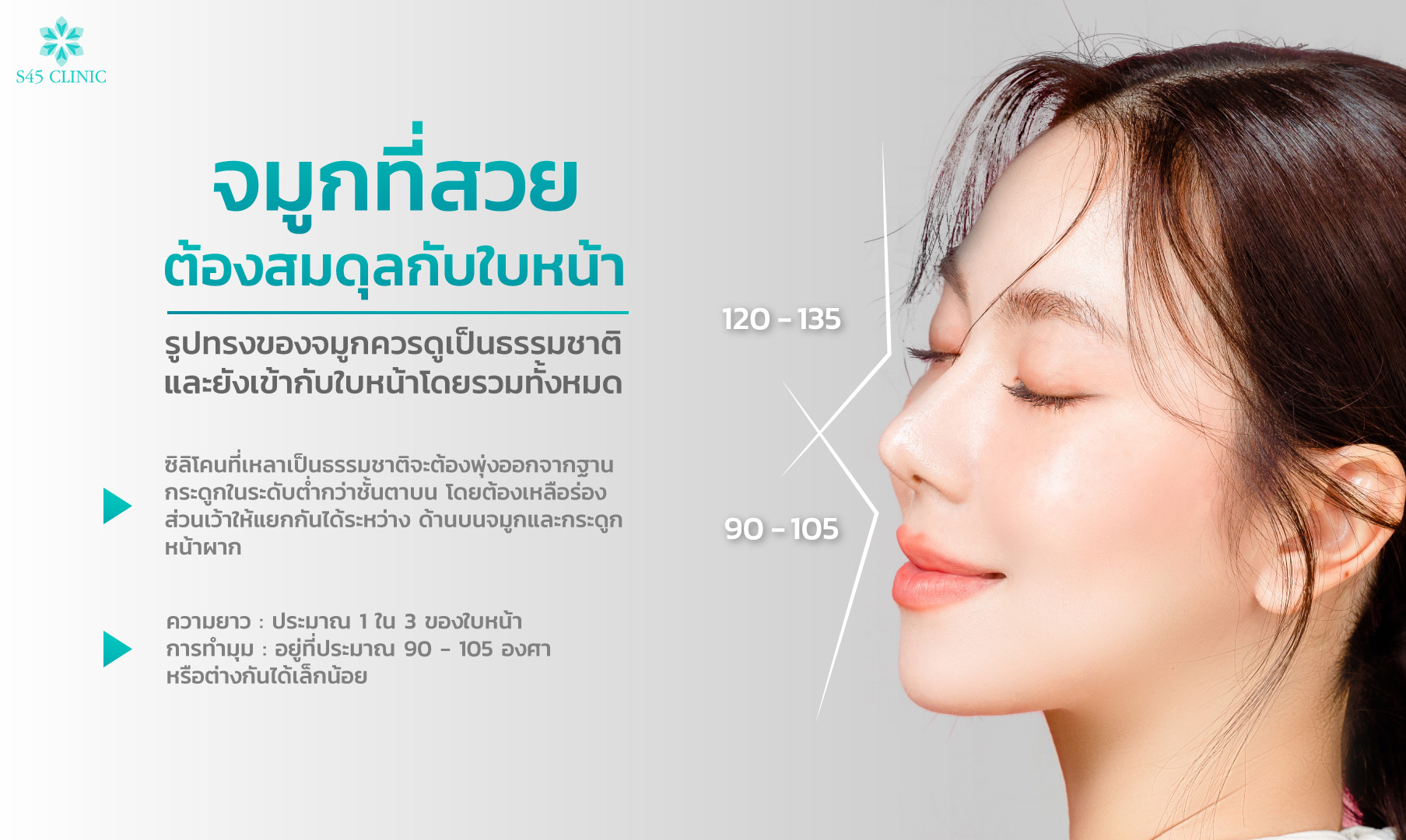
For these reasons, many people are interested in rhinoplasty, which can be done from the age of 18
Does Rhinoplasty to Reshape or Correct the Nose Have Risks?
Revision rhinoplasty is surgery that carries risks at every stage, before, during and after the procedure. It is important to choose an experienced surgeon, so the result is more likely to match your expectations and you are less likely to be disappointed with your new look later.
If you have had rhinoplasty before and want to reshape your nose, wait until your nose has settled and the tissue has healed well, for at least 3 to 6 months (at the surgeon’s discretion), before having reshaping surgery again.
Common Problems That Lead to Nose Reshaping Surgery
- Crooked or tilted nose: this can have many causes, such as the surgeon not placing the silicone implant under the periosteum, an implant that is the wrong size, or contraction of the nasal tissue. The nose may also be crooked or tilted because of its original structure.
- Implant extrusion: caused by a silicone implant that does not fit the nasal tissue, or by infection or inflammation.
- Red, swollen nose: caused by inflammation or infection. If you have redness, swelling, pain or heat that is worse than usual, consult a doctor as soon as possible.
- Nose does not suit the face: this depends on personal satisfaction. Consult your surgeon about further correction. The nose may look stiff or lack a gentle slope, which can make the face look stern.
- Deviated nose: caused by an abnormal nasal bone structure.
- Bulbous nose: caused by thick soft tissue on the nose.
- Short nose: if you have not had rhinoplasty before, it may be caused by a short nasal structure. If you have had rhinoplasty before, it may be caused by scar tissue contracting.
- Droopy nasal tip: if you have not had rhinoplasty before, it may be caused by a high dorsal hump that makes the tip look like it points down. If you have had rhinoplasty before, it may be caused by a silicone implant pressing on the tip, which makes it droop.
- Thin nasal tip: caused by little soft tissue at the tip, or by having had rhinoplasty with an implant for a long time, which makes the skin at the tip tight.

Differences Between Closed and Open Techniques for Rhinoplasty and Nose Reshaping
For nose surgery, there are 2 main techniques in common use: closed rhinoplasty, and open or structural rhinoplasty. Here are the differences between the 2 techniques, with their pros and cons.
1. Structural Technique (Open Rhinoplasty)
This is open surgery on the nasal structure. The surgeon makes an incision on the outside of the nose, so they can clearly see the inner structure and address the problem directly. It suits noses with complex structural problems. Recovery after surgery takes about 2 to 4 weeks.
To shape the tip, surgeons usually use material from your own body, such as ear cartilage, septal cartilage (from the septum) and rib cartilage. For the bridge, a silicone implant, Gore-Tex or another material the surgeon considers suitable is usually used.
2. Closed Technique With a Tip Graft
The surgeon makes an incision inside one nostril. The incision is small and cannot be seen from the outside. It suits noses without complex structural problems. Recovery after surgery takes about 1 to 2 weeks.
Note: after surgery, follow your surgeon’s advice carefully and have your nose checked at the scheduled times.
Differences Between Closed Rhinoplasty and Open Rhinoplasty
Suitable For
- Close rhinoplasty
- People who already have a good nasal structure
- People who want a higher bridge or a small change in shape
- People with no structural nose problems
- People with thick soft tissue on the nose
- Open Rhinoplasty
- People with nose concerns such as a crooked nose, a droopy tip, a large nose, a bulbous nose, a short nose, a deviated bridge or a high dorsal hump
- Cases with previous infection or extrusion, and cleft lip and palate cases
- People who have had nose reshaping many times, which has damaged the original nasal structure
- People who have had filler injections that pressed on the septum and damaged the nasal structure
Risks
- Close rhinoplasty
- There is a chance of extrusion because an L-shaped silicone implant is used, and in the future it may press on the alar cartilages and damage the structure.
- Open Rhinoplasty
- Because the structure is made from your own tissue, the chance of rejection is low and the chance of extrusion is fairly low.
Recovery Time
- Close rhinoplasty
- 1 to 2 weeks
- Open Rhinoplasty
- 2 weeks to 1 month
Length of Surgery
- Close rhinoplasty
- 30 minutes to 2 hours
- Open Rhinoplasty
- 3 to 6 hours
Cost
- Closed rhinoplasty: the cost is not very high
- Open rhinoplasty: the cost is higher than closed rhinoplasty because it includes a general anaesthetic and a more complex surgical procedure
Key Features
- Close rhinoplasty
- A small incision that cannot be seen from the outside
- Can help reduce swelling in some cases, with a shorter recovery time than open rhinoplasty
- Open Rhinoplasty
- The nasal structure can be adjusted in detail
- The surgeon can see the inner structure of the nose and address the problem directly
- Suits more complex corrections than the closed technique
- Can lower the chance of implant extrusion in the future
Tip, choosing a suitable surgical technique depends on what you want and the condition of your nose, so consult a doctor to assess your nose and recommend a suitable technique

Why Choose the Open Technique?
In nose surgery, the structural technique allows detailed reshaping of the nasal structure, with a view of the whole inner structure of the nose, for example:
- reshaping the bridge to the shape you want
- making the tip higher or more upturned
- making the nasal base wider or narrower
- suiting people with complex nose problems
- helping the tip look higher and more projected
- a lower chance of silicone implant extrusion
Open rhinoplasty can therefore help reshape your look for a more balanced face. The surgeon mainly considers the features of your nose and face to decide on a suitable shape, such as a teardrop tip or another shape, to give the face more definition, with a soft look or a sharper, more defined look. The surgeon focuses on a nose shape that suits your face.
Preparing for Structural Rhinoplasty (Open Rhinoplasty)
- Tell the surgeon about all previous surgery in detail, including implants and injections, to help with diagnosis and treatment planning.
- Tell the surgeon about any medical conditions, drug allergies, and supplements or medicines you take.
- Before rhinoplasty, stop aspirin, and vitamins and supplements that affect the blood, such as vitamin C, vitamin E and fish oil.
- If you have an infection on your face, such as sinusitis, a cold, pus or inflamed acne, have it treated first.
- Have a health check before surgery.
- Avoid smoking and alcohol for at least 2 weeks before surgery.
- Cut your nails short and do not wear nail polish, because your oxygen level is measured at your fingertip during surgery, and any oxygen problem can be seen straight away from the colour of your nails.
- For structural rhinoplasty, do not eat or drink for at least 8 hours before surgery, to prevent choking and vomiting.
- **Talk to your surgeon clearly about the result you want and the surgical technique.
Looking After Yourself After Structural Rhinoplasty (Open Rhinoplasty)
- Use cold compresses around the nose straight after surgery and keep going for at least 48 hours, to help the blood clot and reduce swelling.
- Avoid sleeping on your side. Sleep on your back with your head raised, using a neck pillow to stop your face and nose from being knocked or rubbed against anything while you sleep, for at least 2 weeks.
- Avoid coughing, sneezing or strenuous movement.
- Avoid smoking and alcohol for at least 2 weeks.
- Take your medicine as your doctor prescribes. When you finish the course, do not buy more medicine to take yourself, and go to every appointment with your doctor.
- Clean the nose and inside the nostrils regularly with a cotton bud dipped in saline, to keep the wound clean and stop mucus and dried blood from building up.
- Eat healthy food. For at least 1 month, avoid foods traditionally avoided after surgery in Thailand, pickled and fermented food, undercooked food, spicy food, salty food and seafood, which may make your nose swell.
- In the first 2 to 4 weeks, the final shape cannot yet be predicted. Medically, it takes about 3 to 6 months for the shape to settle (depending on each person).
- **Go to every follow-up appointment with your surgeon after surgery.
Note: the cost of rhinoplasty and nose reshaping depends on the technique chosen and the surgeon’s assessment.
Open rhinoplasty and nose reshaping at S45 Clinic, including first-time rhinoplasty, silicone implant revision, revision of open rhinoplasty done elsewhere, complex cases, previous infection and a misshapen nose that affects daily life, so chat with us on LINE to arrange a consultation and treatment plan