Difference Between Semi-Open and Open Rhinoplasty and Which One to Choose

If you are looking for information about a first rhinoplasty, or you have had rhinoplasty before but want to reshape your nose so it suits your face and looks softer, you may have heard of techniques such as closed, semi-open and open rhinoplasty. This often leads to the question of how each technique differs and which one suits your own concerns.
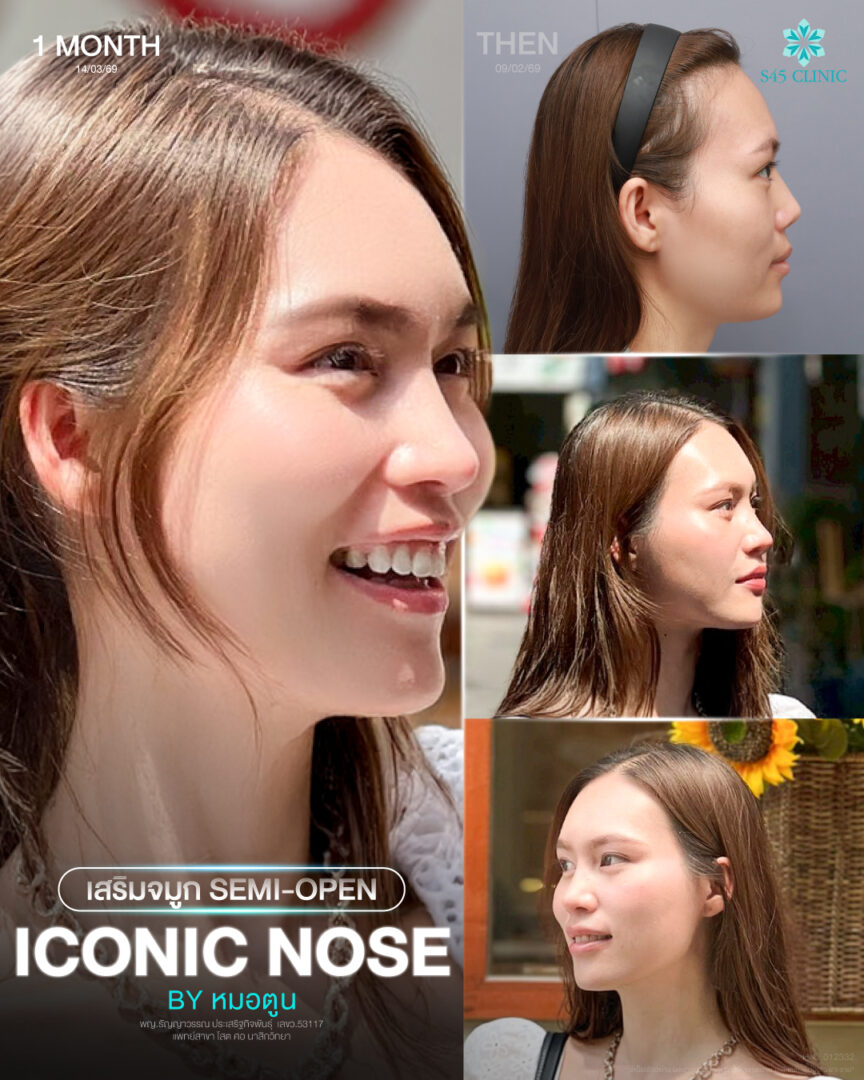
One technique that has attracted interest is semi-open rhinoplasty, a partly open approach that sits between closed rhinoplasty and open rhinoplasty. This technique lets the surgeon see the structure inside the nose more clearly than closed rhinoplasty.
This article explains the differences between closed, semi-open and open rhinoplasty in detail, to help people planning a first rhinoplasty and people looking for a clinic to reshape their nose make a confident decision.
The 3 Main Rhinoplasty Techniques
Choosing a rhinoplasty technique does not depend only on what you like. It should take several factors into account together, such as your existing nasal structure, the thickness of your skin, the soft tissue of the nasal tip, how tilted the axis of your nose is, any previous surgery and what each person wants.
This section gives an overview of each technique and helps you make an initial judgement about which technique may suit your nose. However, the surgeons at S45 Clinic assess your facial structure in detail to help plan a suitable technique for each case, whether that is semi-open or open rhinoplasty, depending on your existing structure and what suits you as an individual.
In general, there are 3 rhinoplasty techniques:
1. Closed rhinoplasty
Closed rhinoplasty is a technique that uses incisions inside the nostrils, with no external incision. It suits cases where the existing nasal structure is not very complex and the change needed is small to moderate.
People who may suit closed rhinoplasty include:
- people having rhinoplasty for the first time
- people who already have a good nasal structure and want a higher bridge
- cases that are not revision rhinoplasty with scar tissue or a complex structure
- people who prefer the incisions to be hidden inside the nostrils
2. Semi-open rhinoplasty


Semi-open rhinoplasty is a technique that uses incisions inside both nostrils and a small incision at the base of the columella, the strip of skin in the middle between the nostrils. This lets the surgeon reach more of the nasal structure than closed rhinoplasty. It suits cases that need finer adjustments, such as to the nasal tip, the nasal base or parts of the structure that need more detailed work.
People who may suit semi-open rhinoplasty include:
- people who want a first rhinoplasty
- people with little nasal soft tissue or a thin nasal tip
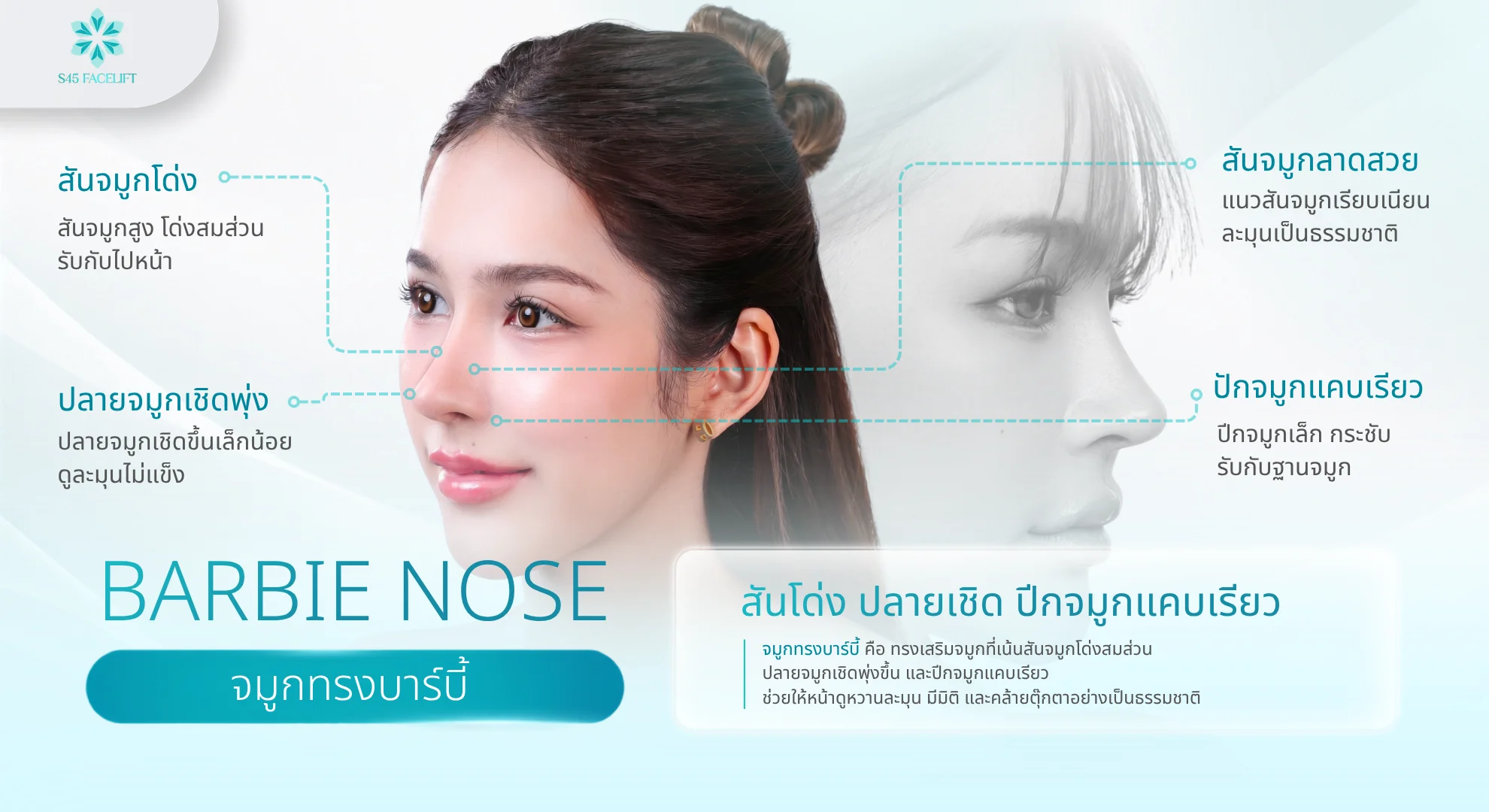
- people who want a slimmer, more refined nasal tip
- people who want a nose shape that suits their face better
- people who have had rhinoplasty before and want a revision that is not very complex
- people who want a technique that lets the surgeon see more of the structure than closed rhinoplasty
- people who are concerned about external scars
3. Open rhinoplasty


Open rhinoplasty is a technique that uses an incision at the nasal base so the surgeon can see the internal structure more clearly. It is often considered for cases that need several parts of the structure adjusted, complex cases, or people who have had nose surgery several times before.
People who may suit open rhinoplasty include:
- people who have had rhinoplasty several times
- people with scar tissue or an existing structure that has changed a lot
- a short or pulled-up nasal tip, or a tip that needs structural support
- a clearly tilted or deviated nasal axis
- cases that need grafting material to support the structure, such as ear cartilage or rib cartilage, where the surgeon assesses that this is suitable
Open rhinoplasty therefore suits cases that need detailed structural planning, but not everyone needs this technique. The choice of surgery should be based on the actual concerns with your nose, not on the name of the technique alone.
Features of Semi-Open Rhinoplasty That Many People Look For
Semi-open rhinoplasty attracts people who want their nose reshaped in more detail but still want the incisions hidden inside. Its main features include:
- incisions hidden inside the nostrils, with a small incision at the base of the columella
- it helps the surgeon see the details of the nasal structure more clearly than closed rhinoplasty
- it lets the surgeon adjust more details of the nasal tip
- it suits some cases that need a revision that is not very complex
- the nose shape can be designed to suit your face
- a shorter recovery period than open rhinoplasty, although recovery depends on each person
Where to Have Rhinoplasty? A Careful Facial Assessment at S45 Clinic

If you are looking for where to have rhinoplasty, or researching how to reshape your nose, do not look only at the nose shape you like or the reference photos you want. Have an experienced surgeon assess your facial structure, so the surgery can be planned and a suitable technique chosen for you as an individual.
At S45 Clinic, we focus on analysing your existing nasal structure and facial proportions to help plan a suitable technique for each case, whether that is semi-open or open rhinoplasty. You can book a consultation with the surgeon to assess the approach that suits the concerns with your nose.
Choosing a suitable technique should come from analysing your actual concerns, not from choosing by technique name or by trend alone.
FAQ Frequently Asked Questions About Semi-Open Rhinoplasty
Reveal Your Hidden Beauty
Reveal the beauty within you
Start your rhinoplasty at S45 Clinic with a nose shape designed to suit your face. Contact us today to book a consultation.
Note: Revision rhinoplasty, which many people know as “nose reshaping”, is surgery for people who have had nose surgery before and need a further assessment by a surgeon. The approach to care depends on the original concern, the nasal structure and the surgeon’s judgement in each case.