Nose Anatomy Explained and What to Check Before Open Rhinoplasty so It Suits Your Face

Nose structure is made up of the parts of the nose, both outside (the nasal bridge, nasal tip, nasal base and alae) and inside (the septum, cartilage and soft tissue), and it differs from person to person. Before open rhinoplasty, the surgeon therefore needs to assess your existing structure before planning the shape, so the nose suits your face and does not push beyond the limits of your soft tissue.
A common problem is that people choose a nose shape from review photos, but the actual result is not the same as the example, because everyone’s nose structure is different.
This article explains what nose anatomy is, which parts the surgeon focuses on, and the 5 key areas to assess before open rhinoplasty, to help you choose a shape that suits your face and plan your surgery with a better understanding.
What Is Nose Anatomy?
Nose structure (nose anatomy) is the parts of the nose, outside and inside, that work together for both shape and breathing. Everyone has a different nose structure, so it is an important factor the surgeon uses to plan rhinoplasty and design a shape that suits each person.
External nose structure
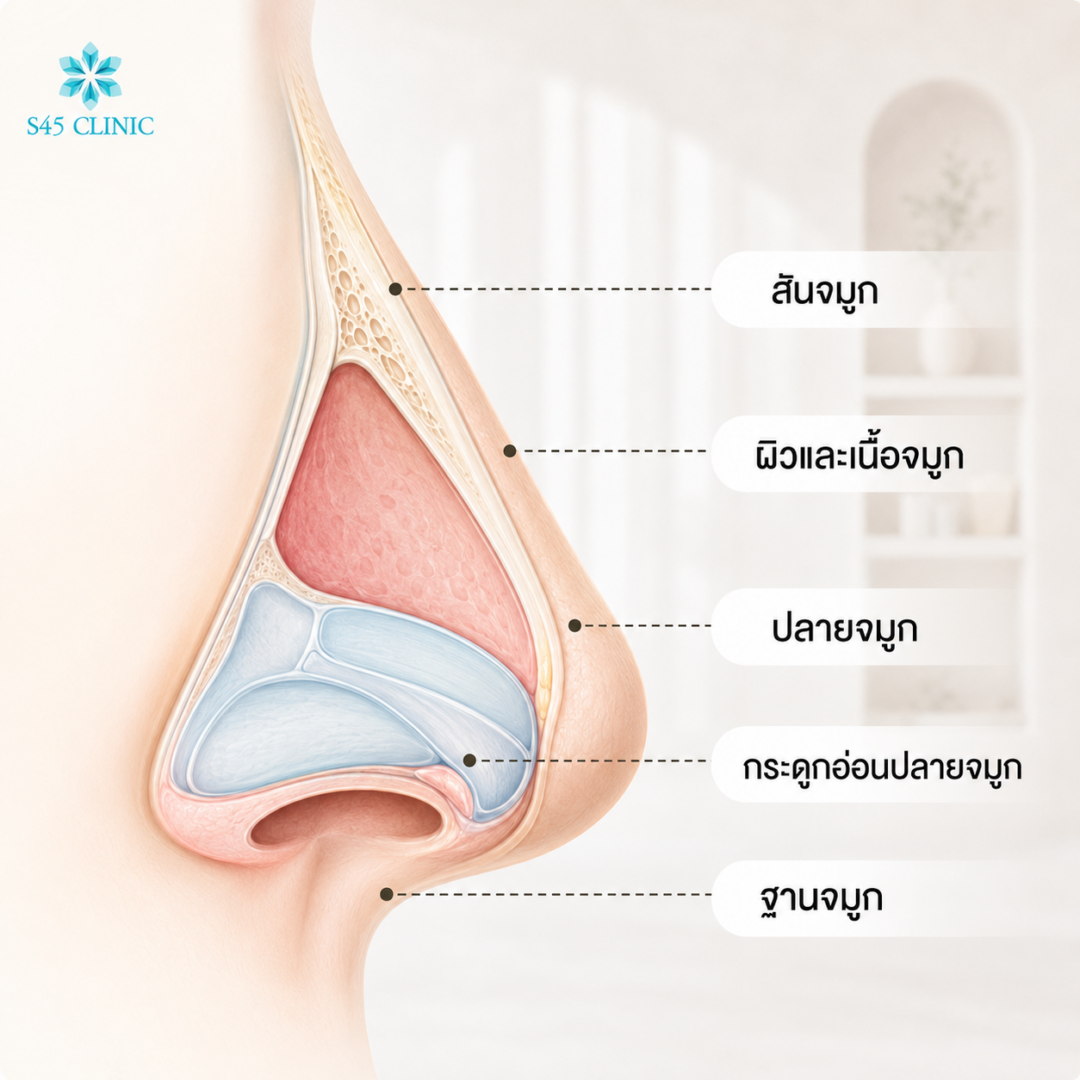
The parts you can see from outside include the dorsum (the long line down the middle of the nose), the nasal bridge (the top of the dorsum), the tip (which sets how upturned and projected the nose is), the alae (the sides of the tip) and the base (the lower part that joins the face), as well as the skin of the nose, which varies in thickness and can affect planning and the choice of materials.
Internal nose structure
The internal parts affect both shape and breathing. They include the nasal septum, the cartilage of the nasal tip (lower lateral cartilage), the cartilage at the sides of the nose (upper lateral cartilage) and the lining of the nasal cavity.
Why nose structure differs from person to person
Genetics, ethnicity, age and any previous surgery make each person’s nose structure different, including skin thickness, cartilage strength, the width of the base and how upturned the tip is. This is why the same rhinoplasty plan cannot be used for everyone.
Why You Need to Understand Your Nose Structure Before Open Rhinoplasty
Open rhinoplasty is a technique that lets the surgeon see the internal structure of the nose more clearly, so it suits cases that need detailed planning or have individual limitations. But before choosing a technique, what matters is not only choosing a shape you like. Understanding your own existing nose structure helps the surgeon design a shape that suits your face and fits your individual limitations.
Helps you understand the limits of your own nose
If the skin of your nose is thin, or you have little soft tissue, a wide base or a short tip, you will have limits that mean you cannot choose a shape on preference alone. Understanding this from the start helps avoid expectations that do not match reality.
Helps the surgeon choose suitable techniques and materials
Cases that need planning in several areas, such as reshaping the nasal base or supporting the tip, or cases that have had rhinoplasty before, often suit the open technique more than the closed technique, because the surgeon can see the structure clearly and place the cartilage precisely.
Helps avoid pushing the shape beyond its limits
Forcing the nose to be higher or more projected than the soft tissue allows can create too much tension, so the long-term result may not turn out as expected. Planning around your existing structure therefore helps the shape look balanced and stay stable.
5 Key Areas the Surgeon Assesses Before Open Rhinoplasty
Before planning open rhinoplasty, the surgeon looks at your nose structure in 5 key areas:
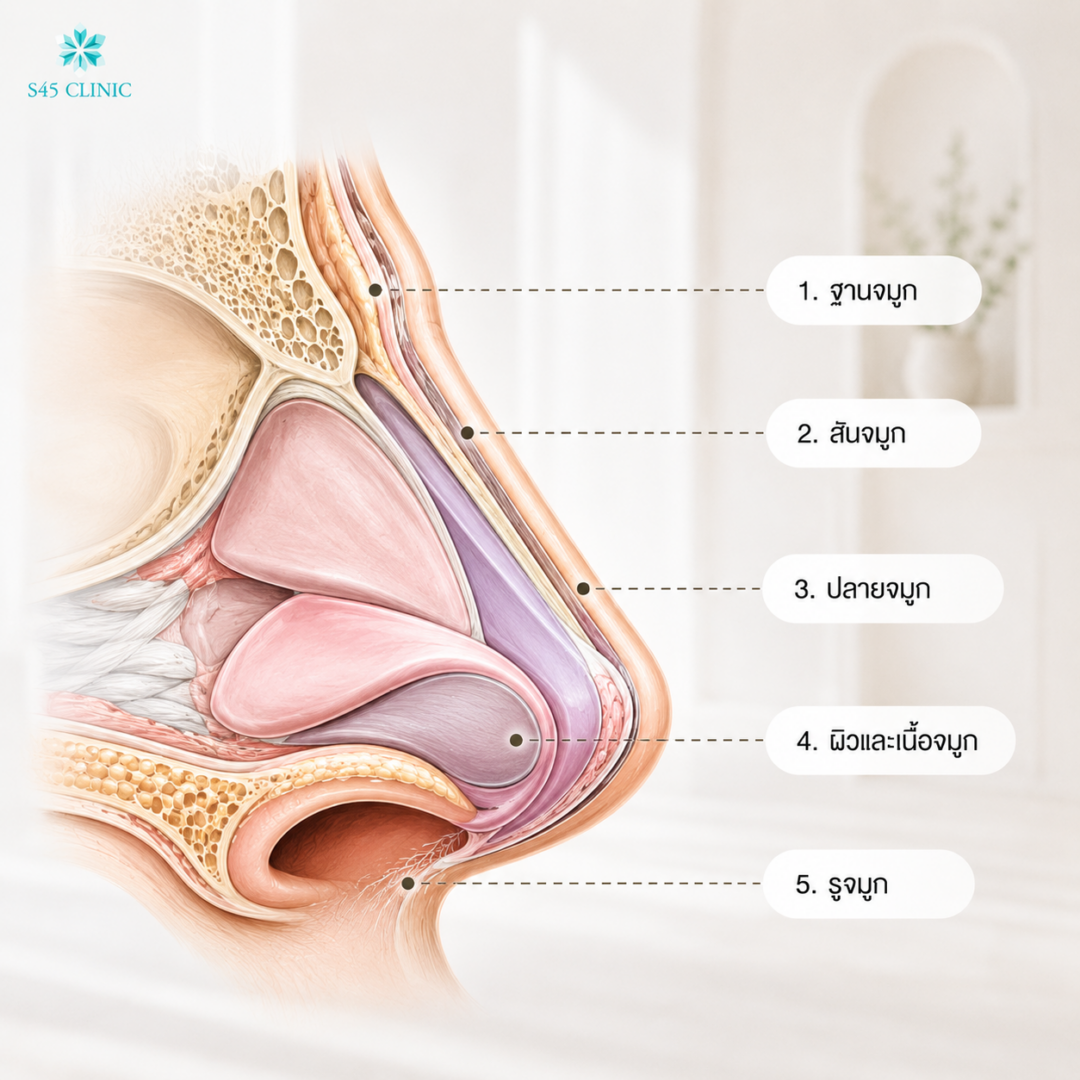
1. Nasal base
The surgeon looks at the width, tilt and balance of the nasal base, because it affects the front view and the softness of the face. A very wide base may need to be reshaped as part of the plan.
2. Nasal bridge
The surgeon assesses the line of the bridge, its existing height and whether it is suitable to add definition. Raising the bridge has to match the thickness of the skin and soft tissue, without pushing too far.
3. Nasal tip
The surgeon looks at the length, upturn, tension and strength of the tip cartilage, to plan the right amount of tip support so that, in the long term, the tip does not droop or turn red and the skin does not become thinner.
4. Skin and soft tissue
Thin skin or little soft tissue limits how high and projected the tip can be. The surgeon may consider using tissue or cartilage as a covering layer to lower the chance of problems.
5. Balance with the face as a whole
A nose that suits your face does not need to be the highest nose. It is a nose that fits the overall proportions of your face, including the forehead, cheekbones, lips and chin. Surgeons at S45 Clinic therefore design the shape by looking at the balance of the whole face, not the nose alone.
Why Looking Only at ‘The Nose Shape You Want’ May Not Be Enough
Many people start by choosing a nose shape they like or saving example photos as a reference, but the result after rhinoplasty does not depend on the example photo alone, because each person’s nose structure and facial proportions are different. The shape should therefore be designed with your individual limitations in mind.

Review photos can be used as a reference, but they are not the final answer
Photos of celebrities or review photos can help you explain what you like and the direction of the nose shape to your surgeon, but the actual result still depends on your own existing nose structure, not the structure of the person in the photo.
The same shape may not suit every face
The same nose shape on faces with different bases and proportions gives a very different overall look, so it needs to be designed to fit each person.
Choose a shape for how well it suits you rather than how high it is
A suitable nose shape should fit your face, look balanced and not push the limits of the tissue. Choosing a shape that is too high may give the opposite of what you hoped for.
Even so, having a nose shape you like is still a good starting point for explaining what you want to your surgeon, but a suitable shape should be designed together with your nose structure and facial proportions, so the result looks balanced and suits you.
How Does the Surgeon Plan Your Nose Structure in Open Rhinoplasty?
Since everyone’s nose structure is different, what information does the surgeon use to design and plan open rhinoplasty? One key point is assessing the details of the internal structure, so the plan can be more precise.
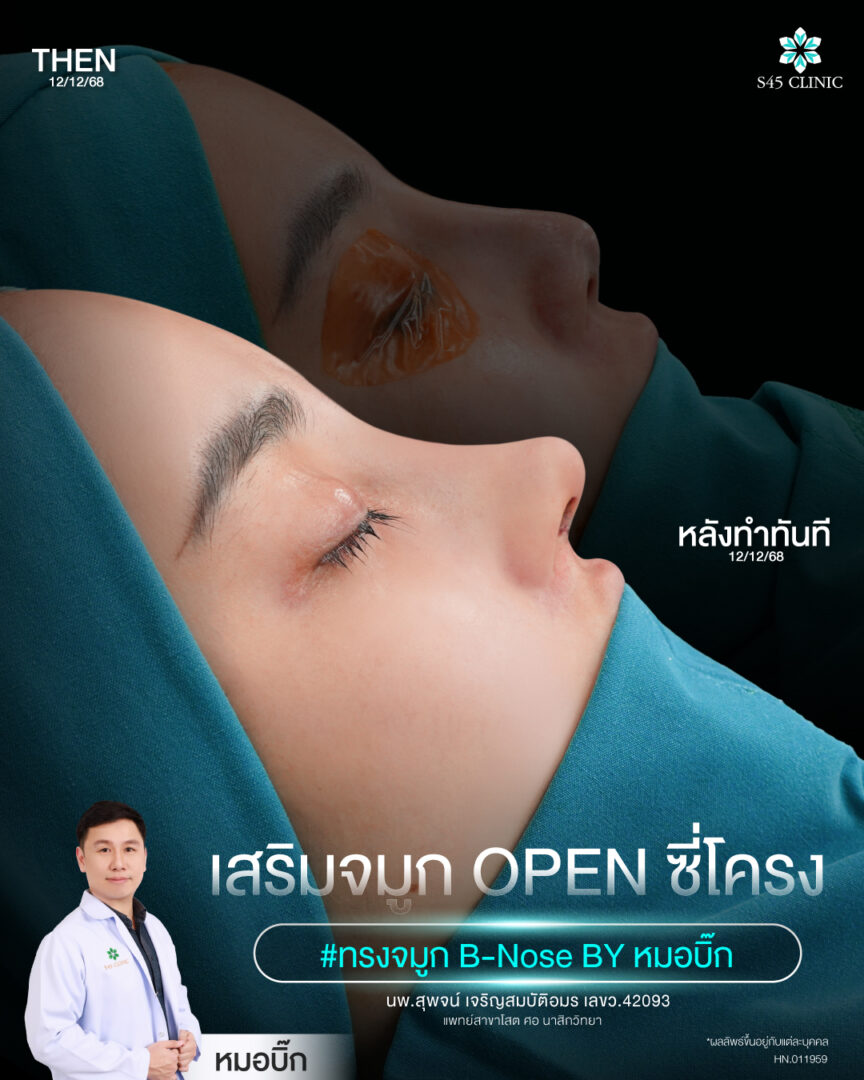
Helps the surgeon see the internal structure more clearly
The open technique lets the surgeon see the cartilage and septum clearly, so it suits cases that need precise placement.
Helps plan support for the nasal tip
For a short tip, a soft tip or limited soft tissue, the open technique lets the surgeon consider ways to support the tip in more detail.
Helps choose materials that suit each case
There are several materials used in rhinoplasty (silicone implants, Gore-Tex, ear cartilage and rib cartilage), and not every case needs the same one. The surgeon assesses based on your structure and goals.
Checklist Before Your Open Rhinoplasty Consultation
Before your open rhinoplasty consultation, preparing some basic information helps the surgeon assess your nose structure more fully, including your history, the shape you want, any health limitations and the recovery time you have planned.
Information to prepare before your consultation includes:
- photos of your nose from 4 angles, front, left and right sides, 45° and looking up
- reference photos of shapes you like (2 to 3 photos)
- how much time you can take to recover
- any previous rhinoplasty or nose reshaping, such as the year, the technique or the materials used
- any medical conditions, medicines, supplements and drug allergies
- questions for the surgeon or problems that worry you, such as a short tip, a wide base, little soft tissue or difficulty breathing
- your approximate budget
- how long you are able to recover for
How S45 Clinic Plans Open Rhinoplasty From Your Individual Structure
Assessment steps at S45 Clinic
Send photos for an initial assessment by chat → book a consultation with a surgeon to examine your nose structure → the surgeon designs a shape based on your structure and face → the surgeon explains the technique, materials, benefits and limitations in detail → book your surgery date and prepare → follow-up of your symptoms at intervals after surgery
Why choose open rhinoplasty at S45 Clinic
Surgeons who focus on rhinoplasty, with experience of many open rhinoplasty cases, including revision cases. A healthcare facility that meets accredited standards, honest consultations without pressure, and follow-up after surgery.
Frequently Asked Questions (FAQ)
Note: Repeat nose surgery, which many people know as ‘nose reshaping’, is surgery for people who have had nose surgery before and need a further assessment by a surgeon. The approach to care depends on the original problem, the nose structure and the surgeon’s judgement in each case.