Droopy Nose Tip or a Dropped Tip After Rhinoplasty, Is a Weak Tip Structure Really the Cause?

A dropped tip or a droopy nasal tip after nose surgery can have several causes, such as an existing tip structure that does not give enough support, limited nasal soft tissue, an existing implant that does not suit the structure, or changes in the internal tissue after surgery.
A dropped nasal tip should therefore not always be seen as having a single cause. Before revision rhinoplasty or planning open rhinoplasty, the bridge, nasal tip, nasal base and nasal soft tissue should be assessed together, so that the plan suits each person’s structure.
What Can Cause a Dropped or Droopy Nasal Tip After Rhinoplasty?
A dropped tip or a droopy nasal tip after rhinoplasty does not always have a single cause. It may be related to the tip structure, the nasal soft tissue, existing materials and scar tissue after surgery, so a detailed assessment is needed before deciding, to choose an approach that matches the cause and the nasal structure in that case.
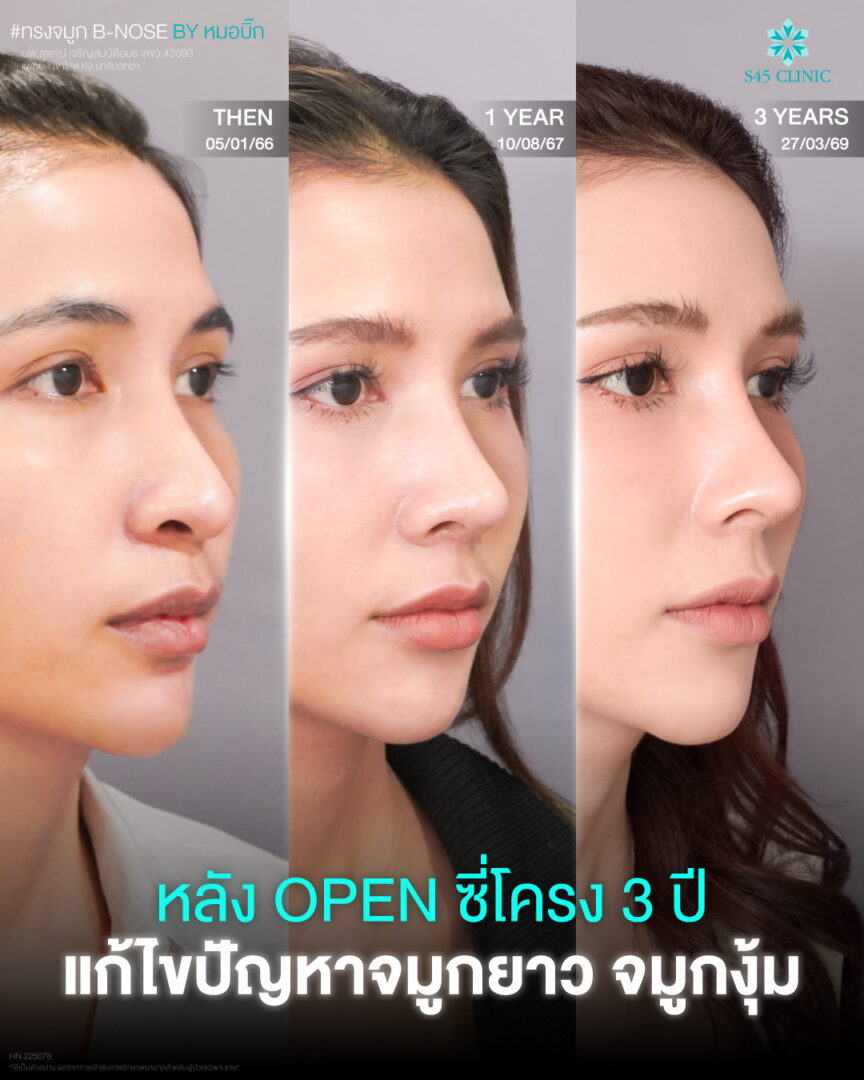
The Existing Tip Structure Does Not Give Enough Support
If the tip structure cannot support the planned shape, the tip may drop or change angle over time, especially in cases where the tip cartilage is thin or soft.
The Tip Was Designed to Project Beyond the Limits of the Soft Tissue
In some cases, forcing the tip to project further or be longer than the skin and nasal soft tissue can support may make the shape look out of balance in the long term, and may cause a droopy nasal tip as the tissue pulls it down.
The Existing Material or Its Position Does Not Suit the Structure
The material used, where it is placed and how the tip is supported affect the overall nose shape. If the material does not match the structure, the shape may change later on.
Changes in the Internal Tissue After Surgery
Cases that have had surgery before may have scar tissue or changes in the internal tissue, which can cause a droopy nasal tip or a change in shape, even if the nose looked good in the early period after surgery.
Why Does a Strong Nasal Tip Structure Matter?
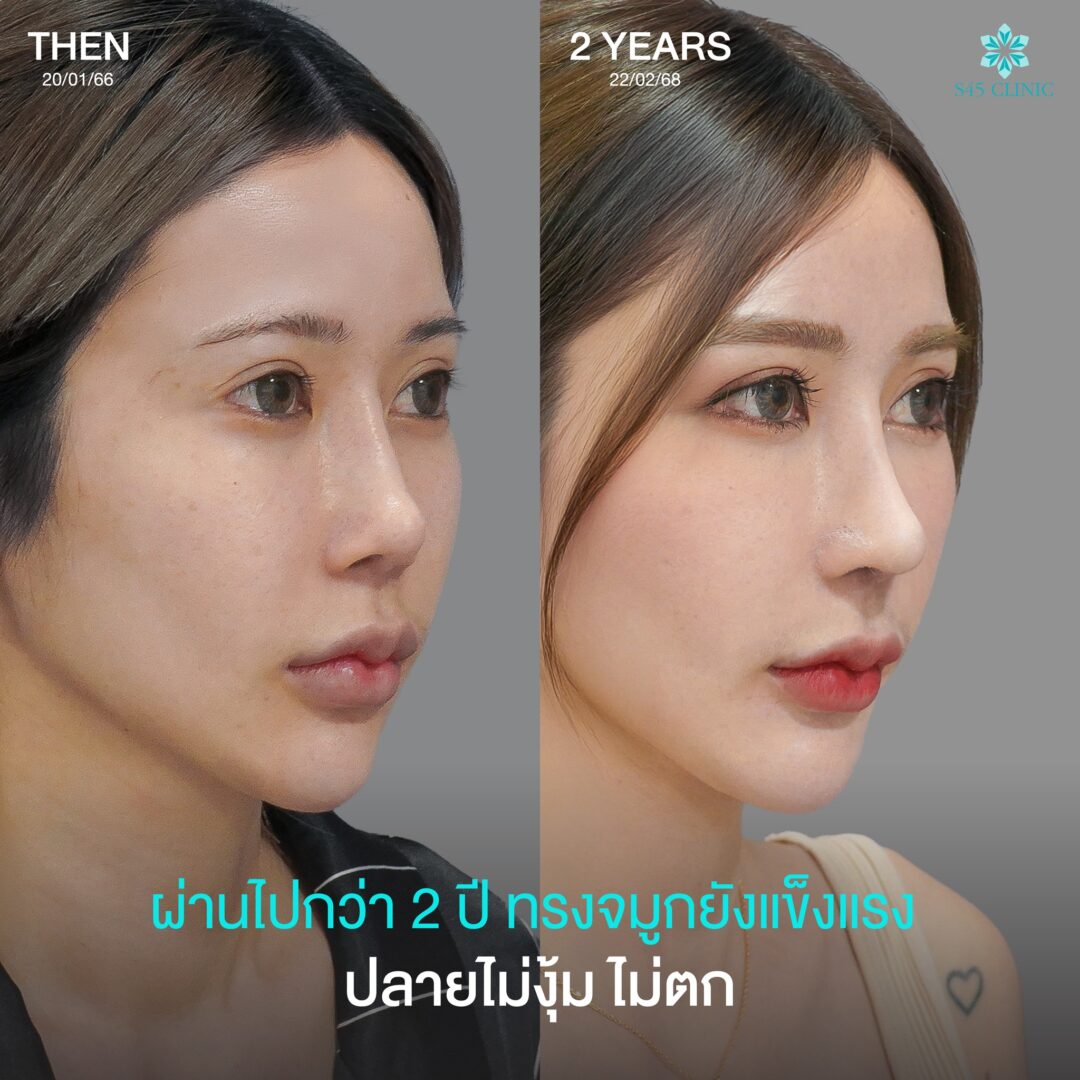
The nasal tip structure is a key part that helps set the length, angle and overall look of the nose shape, so it should be assessed to suit each person’s nasal soft tissue and existing structure before planning rhinoplasty.
It Helps Support the Nasal Tip in Line With the Bridge
The nasal tip is not separate from the bridge. They need to be planned together so that the nose shape looks balanced and the overall shape is consistent, without looking mismatched or out of proportion.
It Helps Set the Length and Angle of the Nasal Tip
The nasal tip structure affects the side profile and how projected, upturned or downturned the tip is. When the tip structure gives suitable support, it may help the surgeon plan the length, angle and shape of the tip to match the existing structure more closely.
It Helps the Surgeon Assess the Limits Before Choosing a Shape
Some people have thin nasal soft tissue, thin skin or a short nasal tip, so planning needs care. Do not choose a sweet-looking or subtle nose shape from reviews alone without an assessment by an experienced surgeon.
Open Rhinoplasty Helps Plan the Nasal Tip Structure
Open rhinoplasty may help the surgeon assess the nasal tip structure in more detail, especially for a dropped tip, a droopy nasal tip or a nose that has had rhinoplasty before, to plan the bridge, tip and nasal base and choose a technique that matches the cause in each case. The surgeon at S45 Clinic assesses the following.
A More Detailed Assessment of the Tip Cartilage
Open rhinoplasty may help the surgeon see the nasal tip structure, nasal base and internal tissue more clearly, which is useful for planning around the actual condition of each person’s nose.
Planning the Bridge, Nasal Tip and Nasal Base Together
A dropped or droopy nasal tip may not come from the tip alone, but may also involve the bridge, the nasal base and existing materials. Assessing the nasal structure as a whole is therefore an important step before planning a correction.
Choosing Materials and Techniques to Suit Each Case
Some cases may need material to support the nasal tip, but not everyone needs the same material. This needs to be assessed for each person, based on the condition of the nasal soft tissue, the cartilage and the history of nose surgery.
What Should You Know Before Nose Surgery If You Are Worried About a Dropped Tip?
Before deciding on rhinoplasty or revision rhinoplasty, especially if you are worried about a dropped or droopy nasal tip, understand that a suitable nose shape does not depend on reviews alone. It needs to be assessed from the nasal structure, the nasal soft tissue and the cause of the original problem together, so that the plan better suits each person.
Can a Droopy Nasal Tip After Rhinoplasty Be Corrected?
If you have a droopy nasal tip after rhinoplasty, have a surgeon first assess what causes the droopy nasal tip, such as the tip structure, existing materials, scar tissue, nasal soft tissue or the nasal base, to plan a correction that matches the problem in that case.
Do Not Choose a Shape That Forces the Nasal Soft Tissue Too Much
Do not choose a nose shape from reviews alone, because a shape that looks good on one person may not always suit another. Nose design should consider the skin, nasal soft tissue and existing structure, and how much they can support that shape.
Look at Reviews Over Time, Not Only Just After Surgery
Soon after nose surgery, the shape may not yet be clear because of swelling. Look at reviews from different points in time, such as just after surgery and at 3 to 6 months, to help you make a more careful decision.
Have a Surgeon Assess What Is Causing the Dropped Tip First
Before deciding on revision rhinoplasty or new rhinoplasty, have a surgeon first assess what is causing the dropped or droopy nasal tip, such as an existing tip structure that does not give enough support, limited nasal soft tissue, an unsuitable existing implant or scar tissue after surgery.
Knowing the actual cause helps the surgeon plan a correction that suits each case and lowers the chance of choosing a technique that does not match the main problem of the existing nose.
If you are worried about a dropped or droopy nasal tip, or your nose shape has changed after previous rhinoplasty, you can book a consultation with a surgeon at S45 Clinic here to assess your nasal tip structure and plan open rhinoplasty or open revision rhinoplasty.
Note: Repeat nose surgery, which many people know as ‘nose reshaping’, is surgery for people who have had nose surgery before and want a further assessment by a surgeon. The approach to care depends on the original problem, the nasal structure and the surgeon’s judgement in each case.