What Causes Uneven Nostrils, and Can the Nasal Structure Be Reshaped?

Uneven nostrils are something many people notice clearly from below, from the front or in close-up photos. Some people have had them since birth because of their existing nasal structure, for example the two sides of the nasal base are uneven, the tip cartilages sit differently, or the nasal axis is tilted, so the nostrils differ in size, shape and position.
In some cases, even after previous nose surgery, people may still feel their nostrils are different sizes or their nose shape does not suit their face. This may be because the cause is not only in the bridge, but may involve the nasal base, the tip, the nasal axis and the overall facial proportions. An assessment by the surgeon is therefore an important step before planning nasal structure reshaping for each person.
What Are Uneven Nostrils, and What Causes Them?
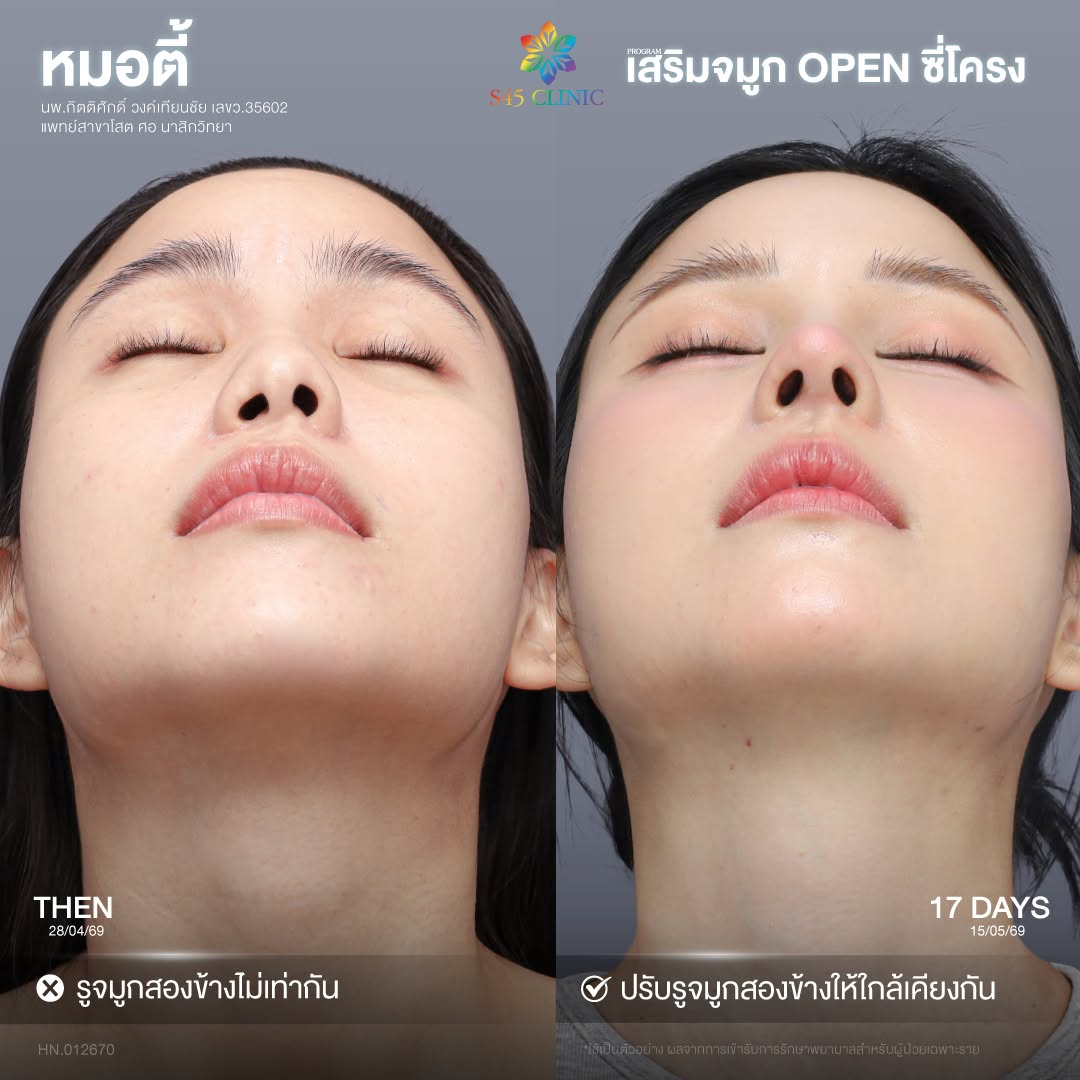
Uneven nostrils are when the left and right nostrils look different in size, width, shape or position. This may be clear from below, from the front or in close-up photos, and may come from each person’s existing nasal structure, along with other factors:
- An uneven existing nasal structure
Uneven nostrils may come from the nasal base, tip or nasal axis sitting differently, so the left and right nostrils do not look alike. - Uneven tip cartilage or nasal base
In some cases the tip cartilages on each side sit differently, or the left and right sides of the nasal base are uneven, so the nostrils differ in size, shape and position. This is often clearest from below or from the front. - A tilted nasal axis or septum
If the nasal axis or septum is tilted, the midline of the nose may not be in a suitable position, so the tip, nasal base and nostrils may also look crooked or different. - Previous nose surgery where the structure still does not suit the face
In people who have had nose surgery before, uneven nostrils may be related to the existing nasal structure, an implant placement that does not suit the nasal base, or changes in the skin layers and scar tissue after surgery, so the tip or nostrils do not look alike. - An accident or impact to the nose
An impact to the nose may affect the bone line, the nasal axis or the tip, changing the nose shape and making the two nostrils look more different.
Do Uneven Nostrils Always Need Alar Base Reduction?
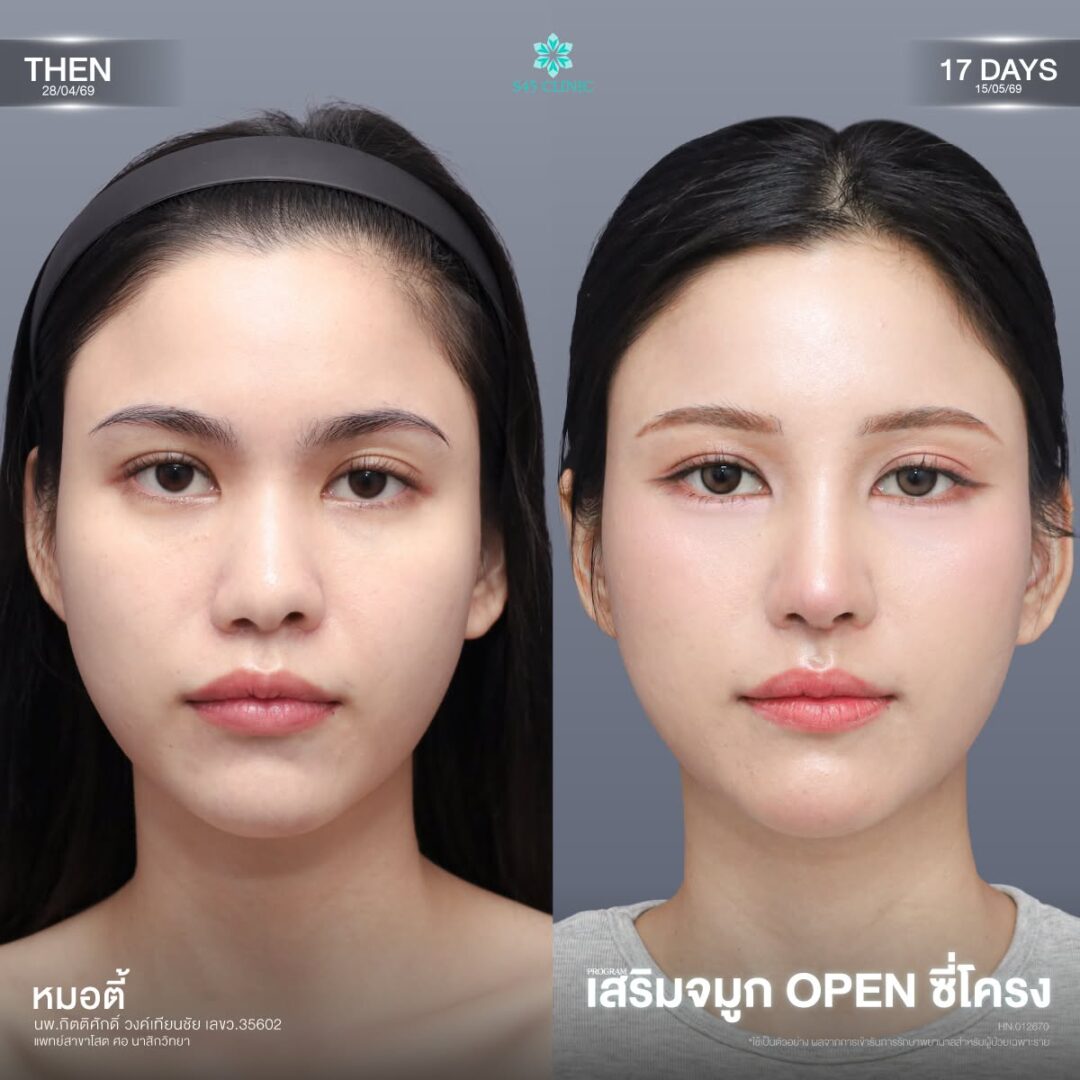
Not Every Case Needs Alar Base Reduction
If the cause of nostrils of different sizes is the tip cartilage, the nasal axis or the nasal base, alar base reduction alone may not solve the problem, because it does not correct all the structural causes.
First Assess Whether the Cause Is the Alae or the Internal Structure
Before choosing a method, the surgeon should assess which part causes the uneven nostrils, for example the alae (the sides of the nostrils), the nasal base, the tip cartilage or the nasal axis, to plan a procedure that fits the real problem.
How Does Open Rhinoplasty With Rib Cartilage Help Plan Nasal Structure Reshaping?
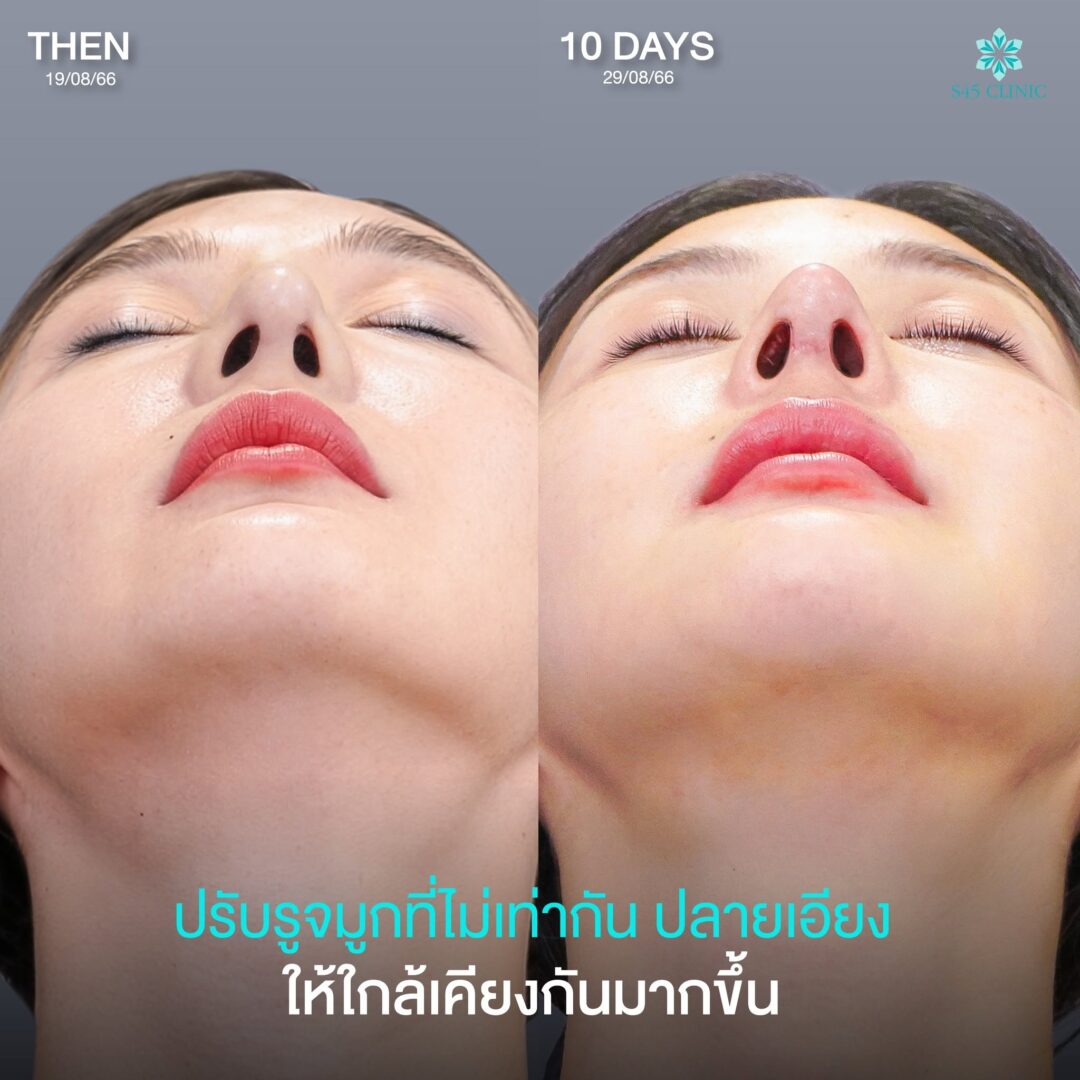
It Helps the Surgeon See the Nasal Structure More Clearly
Open rhinoplasty gives a direct view of the nasal structure, so it suits cases where several areas need assessing, such as the nasal axis, bridge, nasal base and tip, especially in people whose existing structure is unbalanced.
Using Rib Cartilage for Extra Support
In some cases, the surgeon may consider using rib cartilage to help rebuild the structure, especially for people who need more support material, or whose existing structure is limited after previous nose surgery.
Planning so the Nostrils Look More Alike
The aim of nasal structure reshaping is to help the nasal base, tip and nostrils look more balanced with your face. Results depend on each person’s nasal structure.
Which Cases Should Have the Nasal Structure Assessed First?
Uneven Nostrils Since Birth
If you notice your two nostrils have always been different, have the structure of your nasal base and tip assessed before choosing how to reshape it.
Previous Nose Surgery, but the Proportions Still Feel Unbalanced
If you have had nose surgery before but still feel the bridge, tip or nostrils are unbalanced, ask the surgeon to check which part of the structure is the cause.
A Flat Bridge or a Nose That Lacks Depth
In some cases the bridge looks flat or lacks depth, making the face look unbalanced. Reshaping the bridge to suit the tip and nasal base may help the whole face look softer.
A Tilted Nasal Axis or Tilted Nasal Tip
If the nasal axis is tilted, the nostrils and tip may look uneven, so assessing the nasal axis is an important step before planning the procedure.
What to Know Before Nasal Structure Reshaping

Results Depend on Each Person’s Existing Structure
Everyone’s nasal structure is different, so do not expect the nostrils to be exactly equal from every angle, but they can be planned to look more balanced and alike, as suits each person.
Do Not Look Only at the Nostrils
The assessment should cover the bridge, tip, nasal base, nostrils and the whole face, because every part affects the balance of the nose.
Book a Consultation for an Individual Assessment
People with an uneven nasal structure should be assessed by a surgeon, to plan a procedure that suits their existing structure and what they want.
In Summary, Dealing With Uneven Nostrils Should Start With a Structural Assessment
Uneven nostrils can have several causes, including the existing structure since birth, an unbalanced nasal base, the tip cartilage, a tilted nasal axis, or previous nose surgery where the structure is still unbalanced. Planning should therefore not look only at the nostrils, but assess the whole nasal structure.
At S45 Clinic, the surgeon assesses each person’s nasal structure to plan nasal structure reshaping that suits your face, taking into account the balance of the bridge, tip, nasal base and nostrils.
Frequently asked questions