What Causes a Thin Nose Tip, and What to Know Before Planning Rhinoplasty

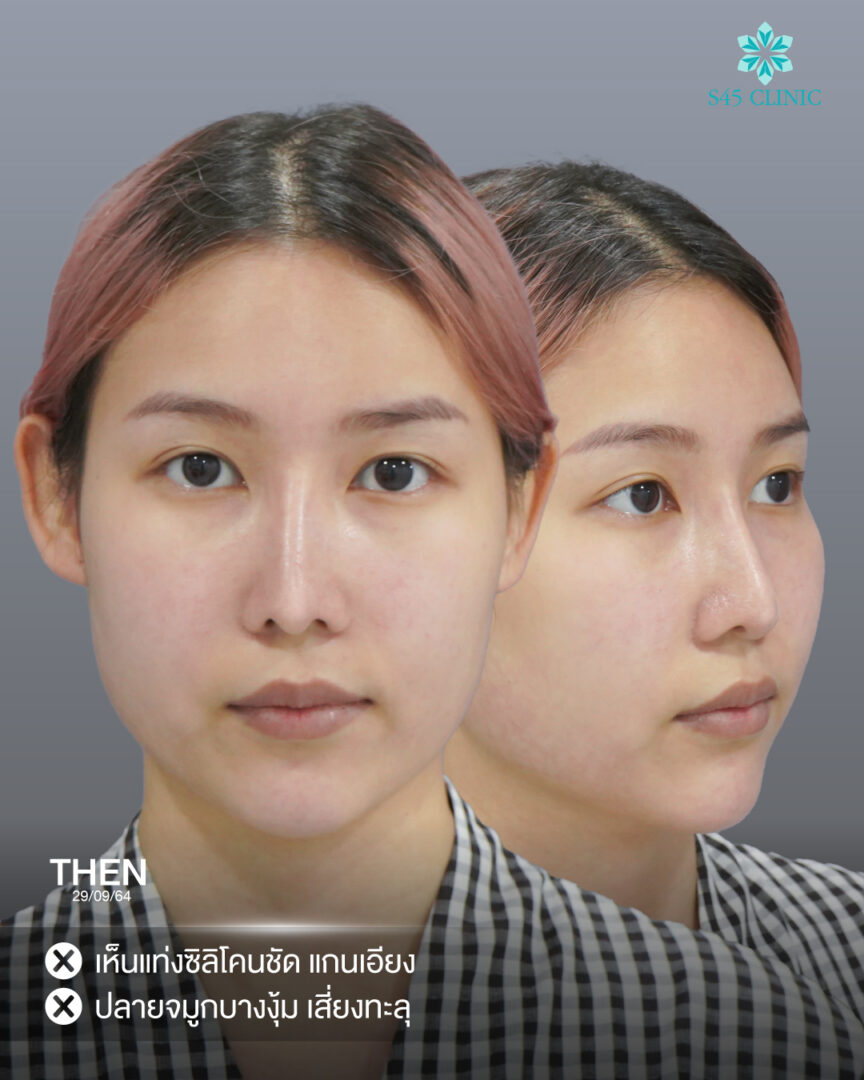
A thin nose tip is one of the problems many people start to notice after previous rhinoplasty. For example, the tip looks tighter, the edge of the old implant shows clearly, or the tip does not flow on from the bridge. This can make the overall nose shape look out of balance with the face from some angles.
However, a thin nose tip is not caused only by the skin at the tip. It may also involve the existing nasal structure, the material used before, skin thickness, the nasal base and the support at the tip. Before planning rhinoplasty or reshaping, ask the surgeon for an individual assessment to choose an approach that suits your existing structure and facial proportions.
What Is a Thin Nose Tip, and How Can You Spot It?
A thin nose tip is when the skin at the tip looks thin or tight, or the edge of an implant starts to show more clearly. You can look for these signs:

Common Features of a Thin Nose Tip
Common features are thinner-looking skin at the tip, a tight-looking tip, a more visible outline of the old implant, or a tip that does not flow on from the bridge. Some people may notice it more in close-up photos of the face.
How Is a Thin Nose Tip Different From a Visible Implant Edge?
A thin nose tip means the skin at the tip gives less support. A visible implant edge may happen when the old implant does not sit well with the nasal structure, or when the skin at the tip does not cover it well. The skin, the implant and the internal structure should therefore be assessed together.
Which Angles Show a Thin Nose Tip Most Clearly?
It is often most noticeable from the side, from below or in close-up photos, because these show more clearly how the bridge, tip and nasal base flow into each other.
What Can Cause a Thin Nose Tip?
A thin nose tip can have several causes. It is not only about the skin at the tip, and may also involve the old implant, the support from the nasal structure and changes after previous rhinoplasty. Common causes include:

Weak Support in the Existing Tip Structure
Some people have an existing nasal structure with little support at the tip, for example small tip cartilage, a weak tip base or thin skin at the tip, so the procedure needs to be planned for each person.
An Old Implant That Does Not Suit the Tip
In people who have had rhinoplasty before, the old implant may not sit well at the tip, or may press on the tip too much. In some cases this makes the tip look tight or thin, or makes the implant edge more visible.
People Who Have Had Nose Surgery Before
After previous nose surgery, the skin layers and scar tissue may change, so the assessment needs more detail, especially at the tip, the bridge and the nasal base.
How Thin Is the Skin at Your Tip, and How Does It Affect the Nose Shape You Can Choose?

The thickness of the skin and tissue at the tip is an important factor the surgeon assesses before choosing a nose shape and planning rhinoplasty.
Very Thin Skin Limits the Shapes You Can Choose
If the skin at the tip is very thin, there may be limits on choosing a shape with a very projecting or high tip, because the tip may not support it well. Always ask the surgeon to assess this before planning.
Moderately Thin Skin, Shapes That Can Be Planned
In some cases where the skin at the tip can still give support, the surgeon may plan a nose shape to suit the face, focusing mainly on the bridge, the nasal base and how the tip flows on.
Which Cases Suit a Sloped Upturned Tip?
A sloped upturned tip may suit some cases where you want more depth in the nose, but it first needs to be assessed whether the thin nose tip and the skin at the tip can support the shape.
What to Assess Before Planning Rhinoplasty
Before planning rhinoplasty, assess the skin at the tip, the old implant and where it sits, and the overall nasal structure, to choose an approach that suits each person.
Assessing the Skin and Tip Structure
The surgeon assesses the skin thickness at the tip, the tip support and the existing nasal structure to see whether there are any limits to watch for before planning the procedure.
Assessing the Old Implant and Where It Sits
In people who have had rhinoplasty before, the surgeon assesses whether the old implant is in a suitable position, whether it presses on the tip, and how it affects the overall shape.
Which Cases the Surgeon May Consider the Open Technique For
In some cases with limits in several areas, for example previous rhinoplasty, scar tissue, an old implant that does not suit the structure, or a need to assess several internal areas, the surgeon may consider open rhinoplasty, depending on each person.
Frequently Asked Questions
Book a Consultation With the S45 Clinic Surgeons
If you have a thin nose tip, a visible edge from an old implant, or have had rhinoplasty before and feel your nose shape still does not suit your face, you can book a consultation with the S45 Clinic surgeons to assess your nasal structure and plan rhinoplasty that suits your face and you as an individual.