Different Nose Shapes for a Subtle Look, 10 Options and How to Choose One for Your Face
Subtle nose shapes have attracted interest in Thai plastic surgery for a long time. At a time when many people do not want others to ‘see that they have had surgery’, a subtle nose shape suits this goal more than a prominent shape that shows within seconds that surgery has been done. This style of nose shape has become a common reference photo that people hand to the surgeon, along with the classic request “I want to look better, but I do not want anyone to know”.
Key points
- A subtle nose shape is a rhinoplasty shape that focuses on blending in with your face. It does not look dramatic and suits people who want to look better without it being ‘obvious that they have had surgery’.
- The 10 subtle nose shapes people ask about are the sloping shape with a projected tip, the soft sloping shape, the teardrop tip, the upturned tip, the strongly upturned shape, the soft, sweet shape, the ‘princess’ shape, the high, defined shape, the sloping shape with a projected teardrop tip and the slim shape with alar base reduction, each in a subtle version.
- Key features are a sloping bridge of balanced height and a rounded or slim tip that is not pointed, not strongly projected and not too upturned.
- It can suit every Thai face shape, including round, long, square and oval faces, but the version needs adjusting to suit your facial structure.
- It can be done with limited nasal tissue, but your own cartilage is needed to add tissue at the tip.
- Techniques used are closed rhinoplasty for straightforward cases and open rhinoplasty for cases that need structural changes.
A subtle nose shape is not a single shape. It includes 10 different nose shapes that people ask about, from a subtle version of the sloping shape with a projected tip, a subtle soft sloping shape, the teardrop tip nose shape, an upturned tip and a softer version of the strongly upturned nose shape, to the soft, sweet nose shape and a high, defined nose shape that is not too sharp. Each version suits a different face and personality, so choosing a nose shape to suit your face is important.
This article brings together information about subtle nose shapes, from what they are and their key features, the 10 versions people ask about, how to choose by face shape, cases with limited nasal tissue, techniques and cost, to how to use reference photos to get a result that suits your own face.
In This Article

What Is a Subtle Nose Shape
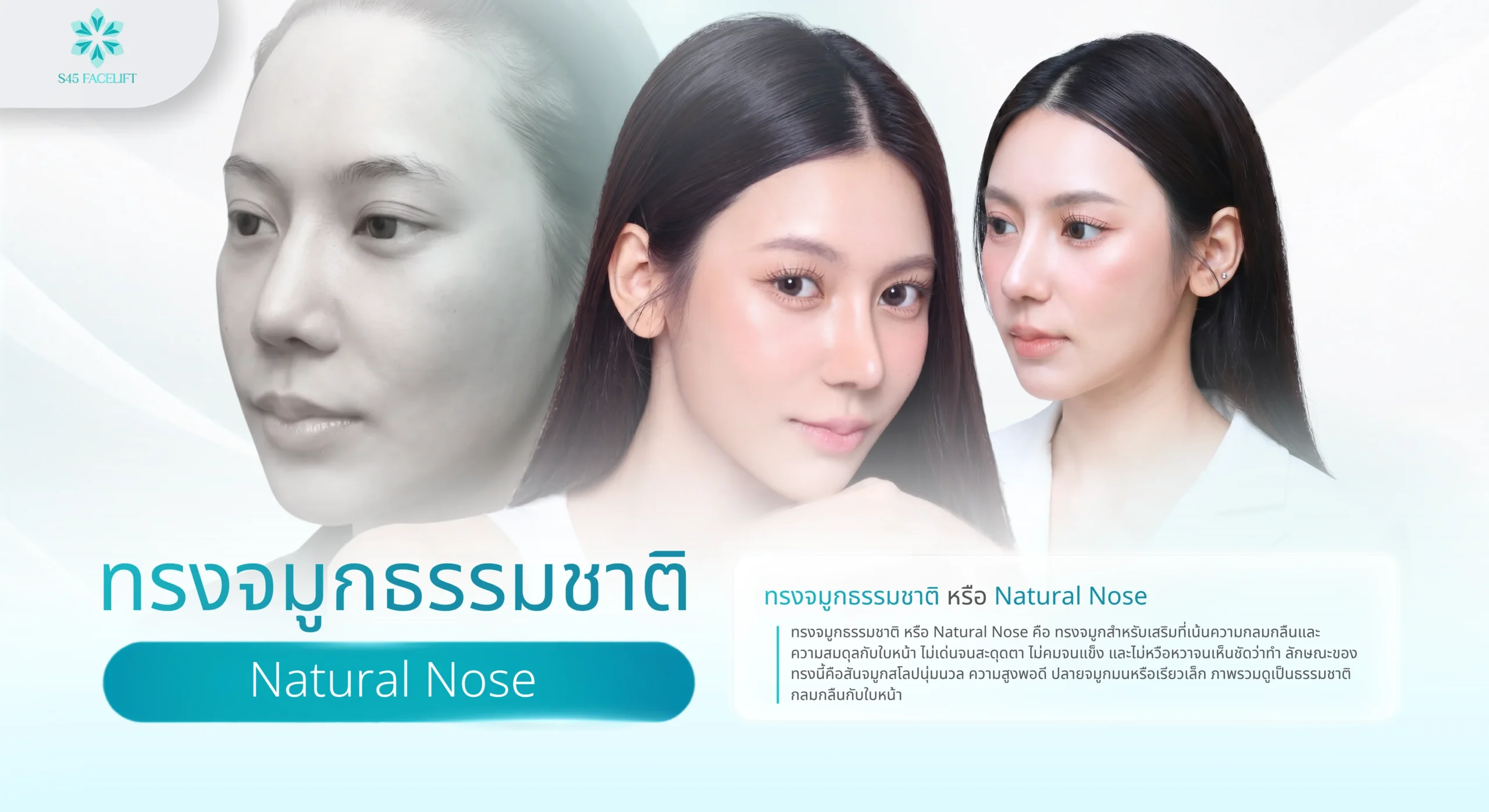
A subtle nose shape is a rhinoplasty shape that focuses on harmony and balance with your face. It is not so prominent that it catches the eye, not so sharp that it looks stiff and not so dramatic that it is obvious you have had surgery. Its features are a soft sloping bridge, a balanced height and a rounded or slim tip, with an overall look that blends in with your face.
At a time when the beauty trends ‘Quiet Luxury’ and ‘Less is More’ are attracting interest, subtle rhinoplasty has become an option for people who want to look better without looking like a different person, especially people of working age, business people and people who want a subtle change to their appearance.
A common misconception is that a ‘subtle shape’ means only a small augmentation. In fact, this shape relies on the skill of an experienced surgeon to design every part of the nose so that it is balanced and the overall look blends in with your face, which is harder than a prominent shape in several ways.
Where the Term ‘Subtle Nose Shape’ Comes From
The Thai name for this shape comes from an English phrase for a nose that does not look obviously augmented. In Thai rhinoplasty, subtle rhinoplasty has become a term that people search for, alongside the soft sloping and strongly upturned shapes.
Why Many People in Thailand Ask About Subtle Nose Shapes
This shape appeals to many people in Thailand because many Thai people prefer a look that does not seem deliberate and do not want the people around them to notice they have had surgery. It also suits Asian facial structures, which are softer than Western facial structures, so a prominent shape may look out of place on a Thai face.
4 Key Features of a Subtle Nose Shape
Before you decide on a subtle nose shape, understand the nose features that belong to this shape, because if any one of them is missing, the result may not blend in as you expect.
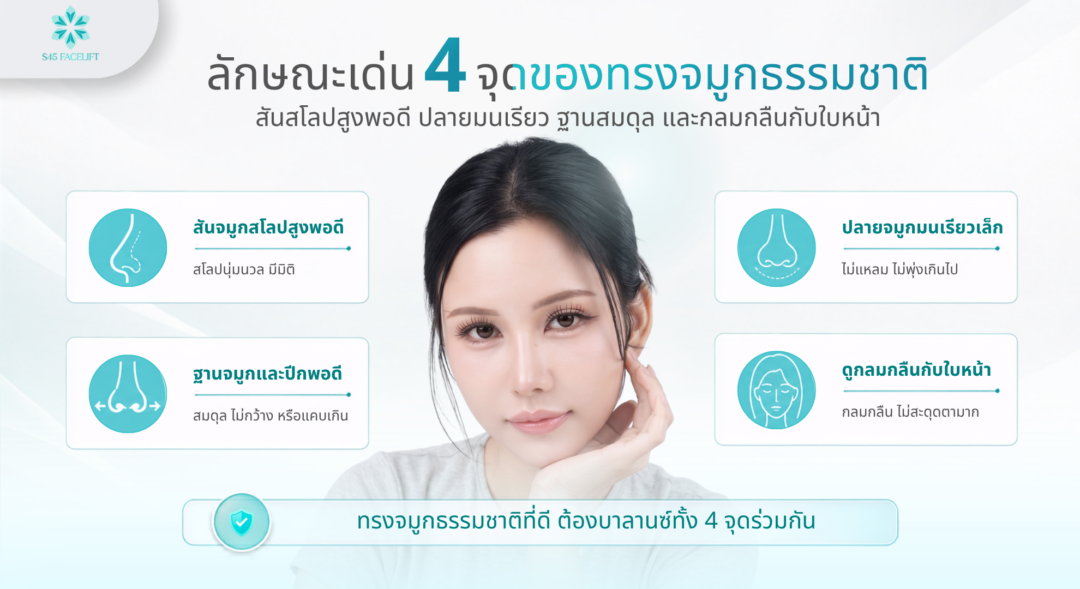
The surgeon uses these 4 points as design criteria. Every point needs to be balanced, because if one point is emphasised too much, the shape will no longer look ‘subtle’.
The 4 key features that give this shape its character are as follows.
1. A Sloping Bridge of Balanced Height
The bridge of a subtle shape slopes softly, and its height suits your face. It is not so low that it is flat and has no depth, and not so high that the nose looks out of proportion with the face. For most Thai faces, a suitable height is about 3mm to 5mm above the original bridge.
2. A Rounded or Slim Tip
The tip of a subtle shape is rounded or slim. It is not so pointed that it looks sharp, it does not project as a prominent triangle and it is not so upturned that it looks unusual. It sits at an angle of about 95 to 100 degrees to the upper lip line, which is an angle at which the face looks balanced.
3. A Balanced Nasal Base and Alae
The nasal base and alae (the sides of the nostrils) of a subtle shape are in proportion to the face, not so wide that the nose looks flat and not so narrow that it looks pointed. If the base is very wide, alar base reduction may be needed to balance it.
4. Blends in With the Whole Face
The overall aim of a subtle shape is to blend in with your face, so that nobody stops to ask “Have you had your nose done?”. This is what an experienced surgeon needs to plan, beginning with an assessment of the 3 parts of the face, the forehead, nose and chin, so that their proportions are balanced.
10 Subtle Nose Shapes People Ask About
A subtle nose shape does not come in one form. It includes different nose shapes according to the bridge and tip, and each shape suits a different face and personality.
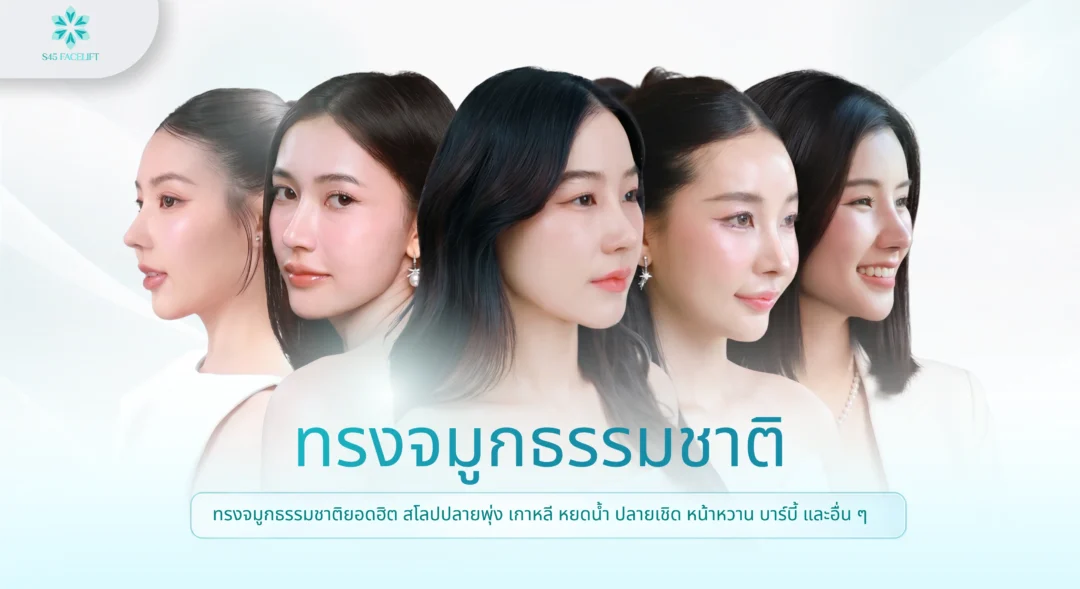
In Thai rhinoplasty today, there are 10 main subtle nose shapes that people ask about and bring as reference photos, each with its own features and the people it suits.
Before you choose, understand that the final shape is adjusted to your own facial structure rather than copied exactly from a reference photo. The 10 shapes are as follows.
1. Subtle Sloping Shape With a Projected Tip
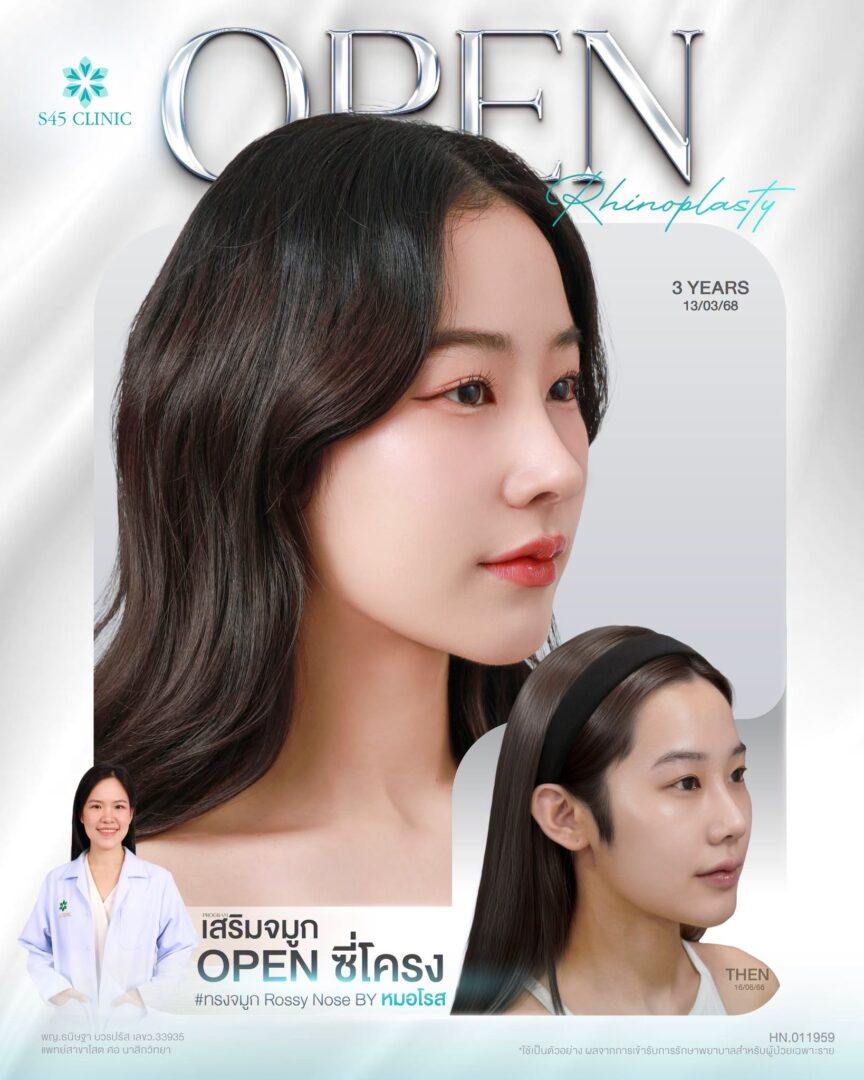
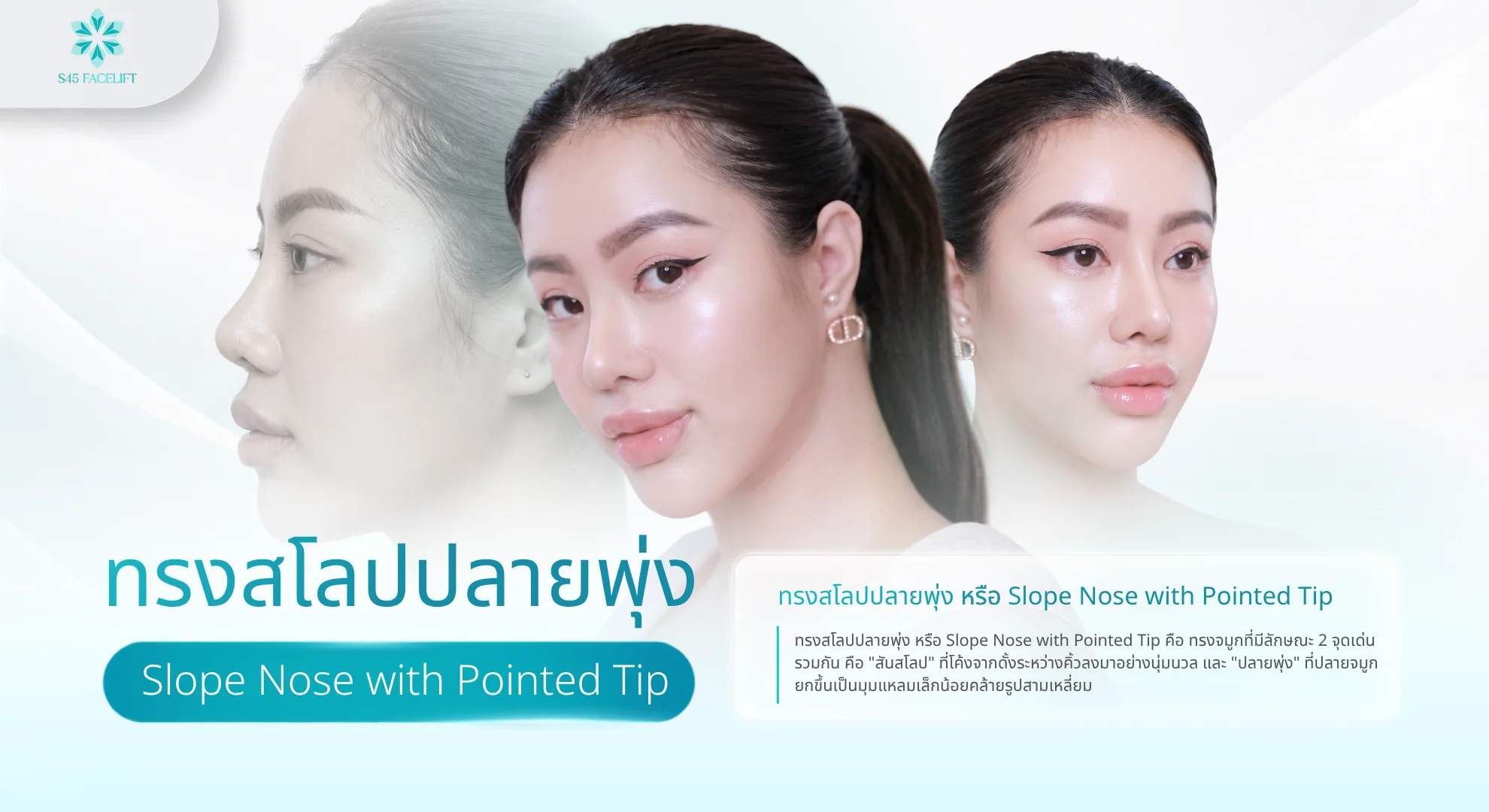
The sloping shape with a projected tip, in its subtle version, is a common choice among subtle shapes. The bridge slopes gradually and softly, and the tip projects slightly but is adjusted so that it is not prominent enough to show that surgery has been done. It suits people who want depth in the face with a subtle look.
2. Subtle Soft Sloping Shape
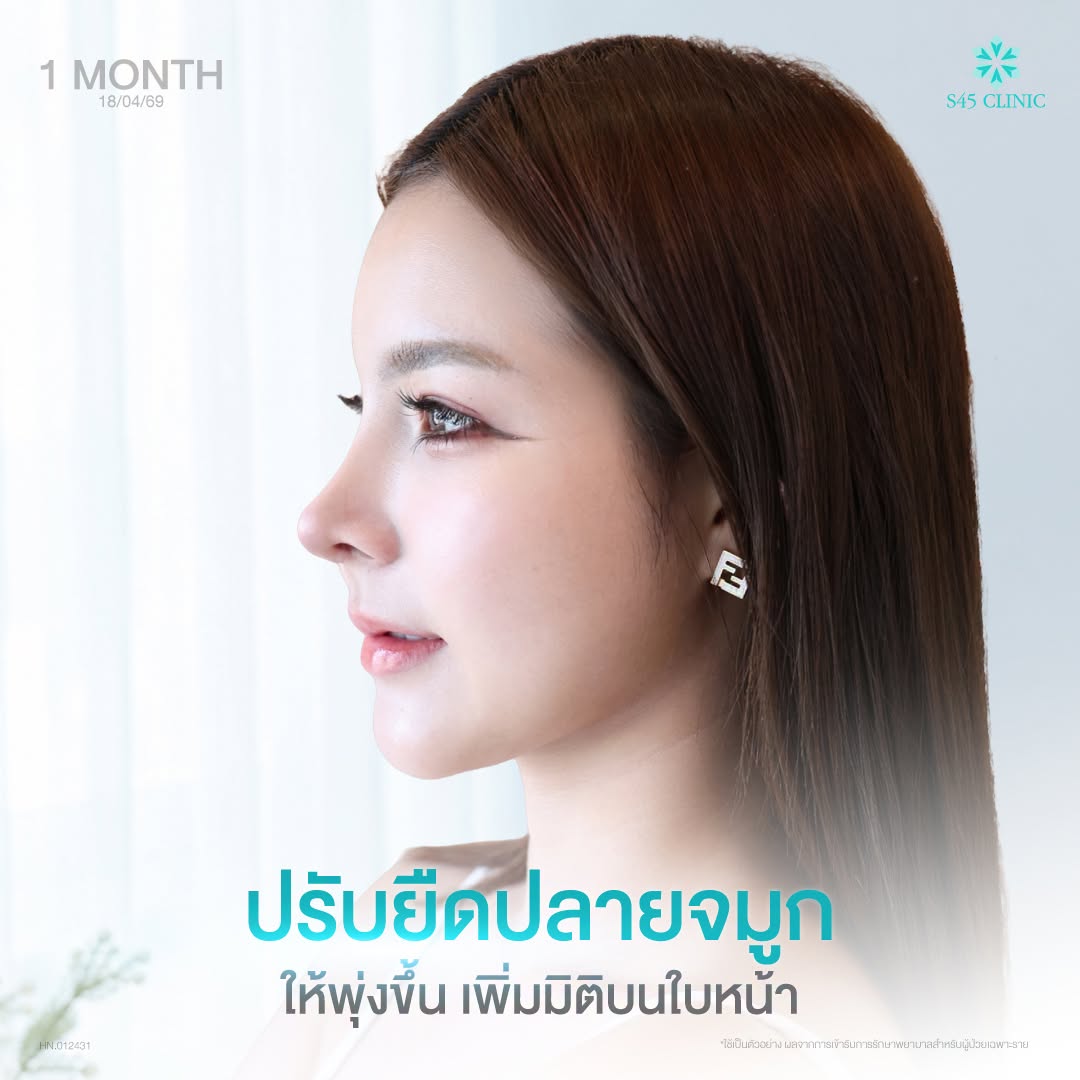
The soft sloping nose shape, in its subtle version, has a classic soft sloping bridge, a slightly upturned tip and a medium height, with an overall look that stays understated. See more about the soft sloping nose shape
3. Subtle Teardrop Tip
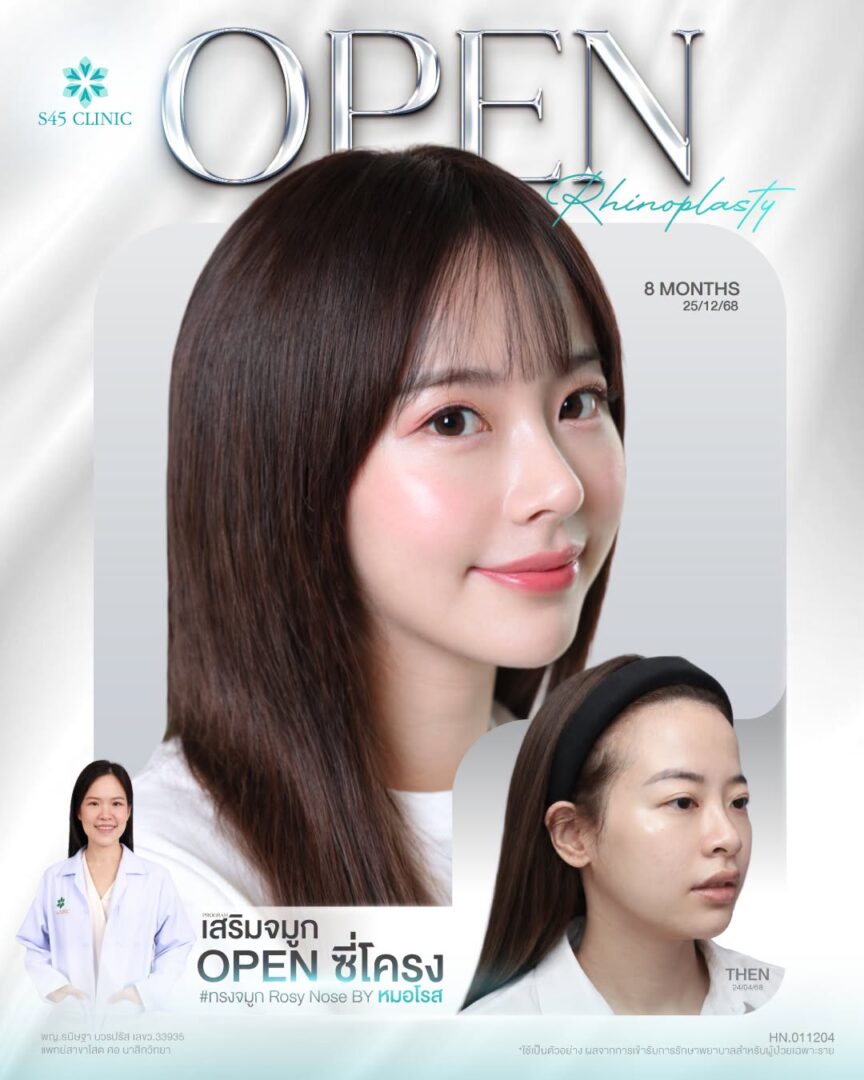
The teardrop tip nose shape, in its subtle version, has a tip as rounded as a teardrop and a soft sloping bridge, with a sweet, gentle overall look. It is a common choice for women who want a face with dainty features, ‘a small mouth and a small nose’.
4. Subtle Upturned Tip
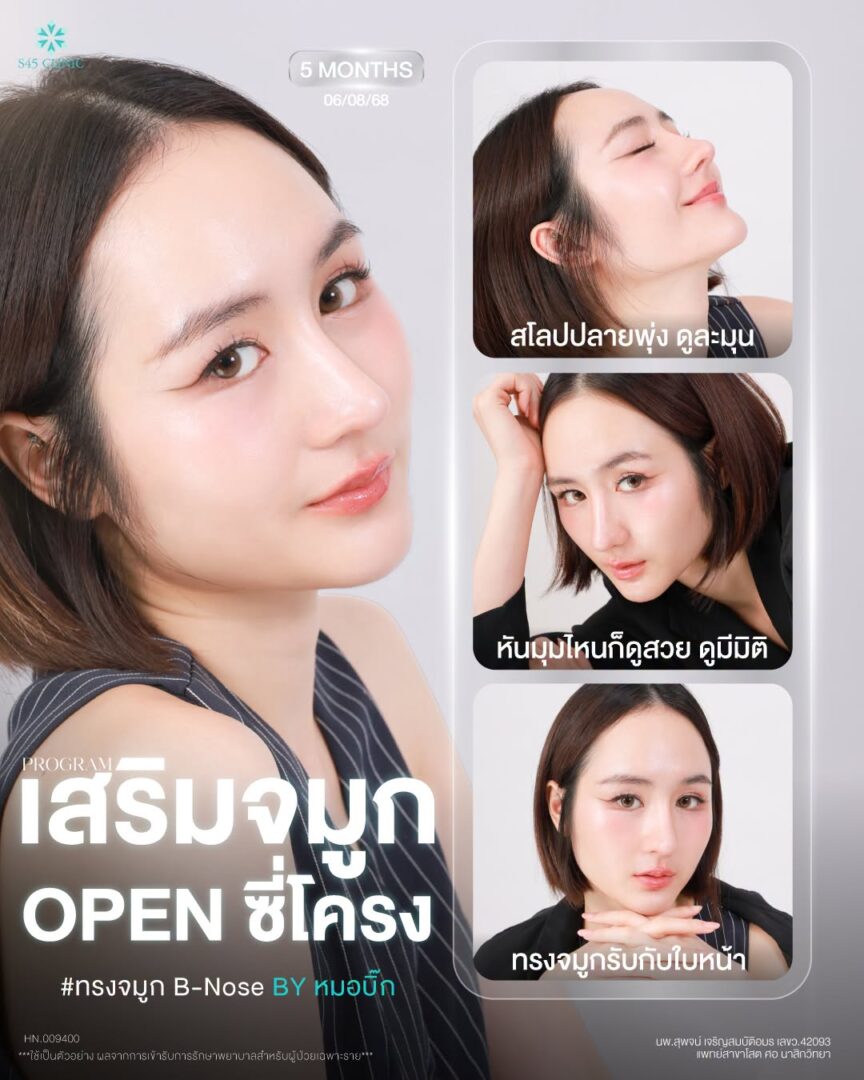
The tip turns up slightly, but not as prominently as the strongly upturned shape, which gives the face a bright look. The bridge slopes softly. It suits women who want a cute look that does not seem deliberate.
5. Soft, Sweet Nose Shape
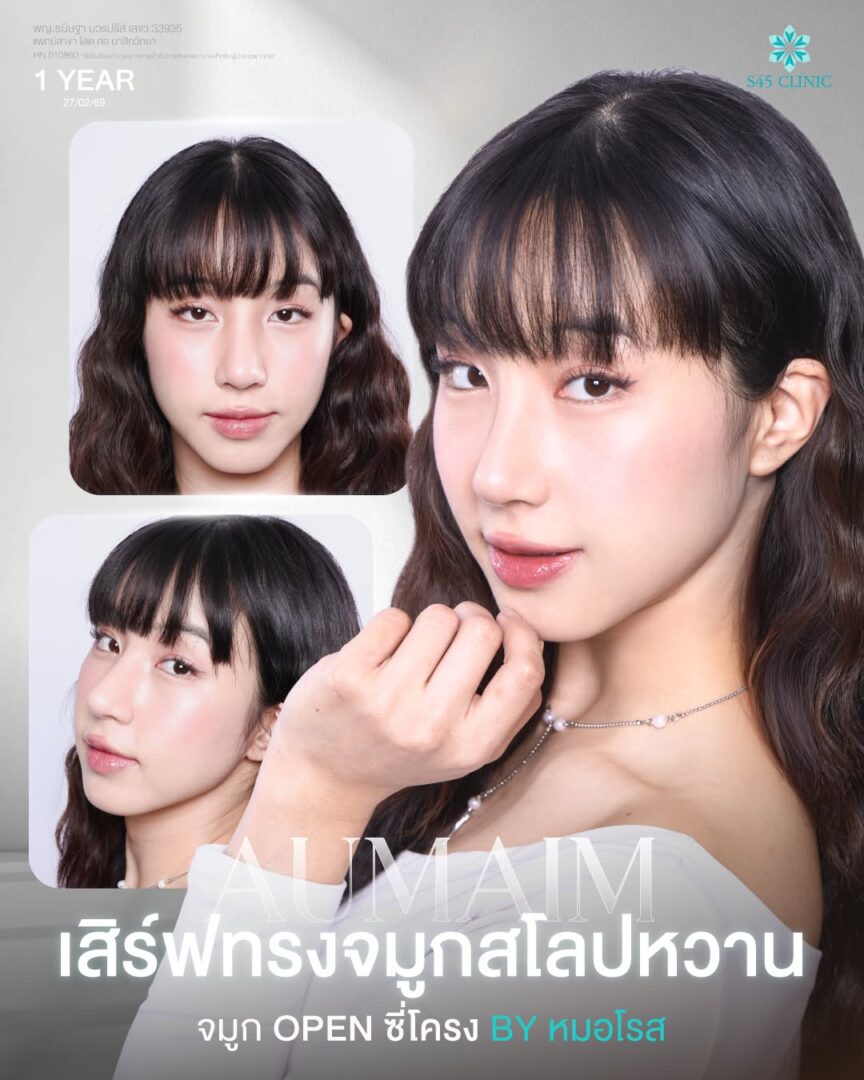
The soft, sweet nose shape, in its subtle version, has a soft sloping bridge and a rounded tip, with a sweet, gentle ‘girl next door’ look. It suits round and heart-shaped faces. See more about which nose shapes give a sweeter look
6. Subtle Strongly Upturned Shape
The strongly upturned nose shape, in a softer version, has a bridge slightly higher than a typical subtle shape and a tip that is upturned and projected but adjusted so that it is not too sharp. It suits people who like a prominent shape but do not want it to show that surgery has been done. See more about the strongly upturned nose shape
7. Subtle ‘Princess’ Nose Shape

The ‘princess’ nose shape, in its subtle version, is a softened mix of the soft sloping shape and the strongly upturned shape. The tip projects slightly and the sloping bridge has a balanced height, with an elegant overall look that is not obvious.
8. Subtle High, Defined Shape
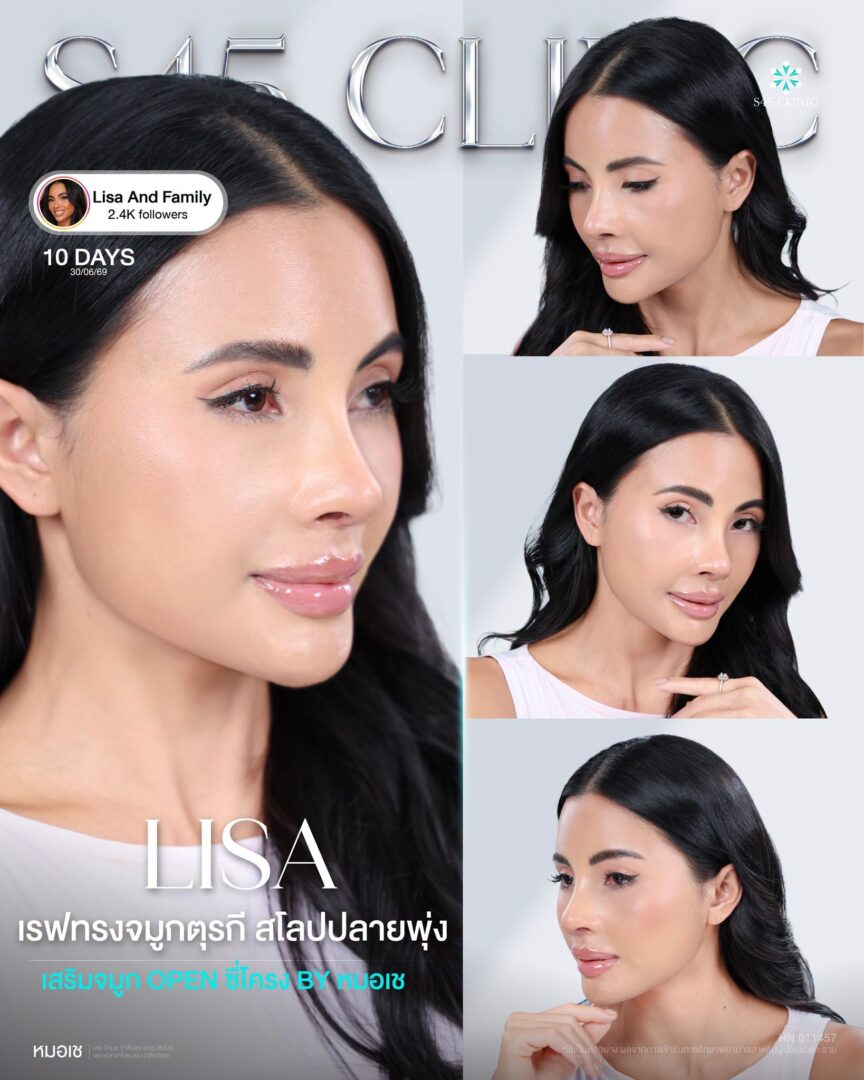
The high, defined nose shape, in a version that is not too sharp, has a straight bridge of medium height and a slim, projected tip that is less pointed than the full high, defined nose shape. The overall look is more defined but still soft.
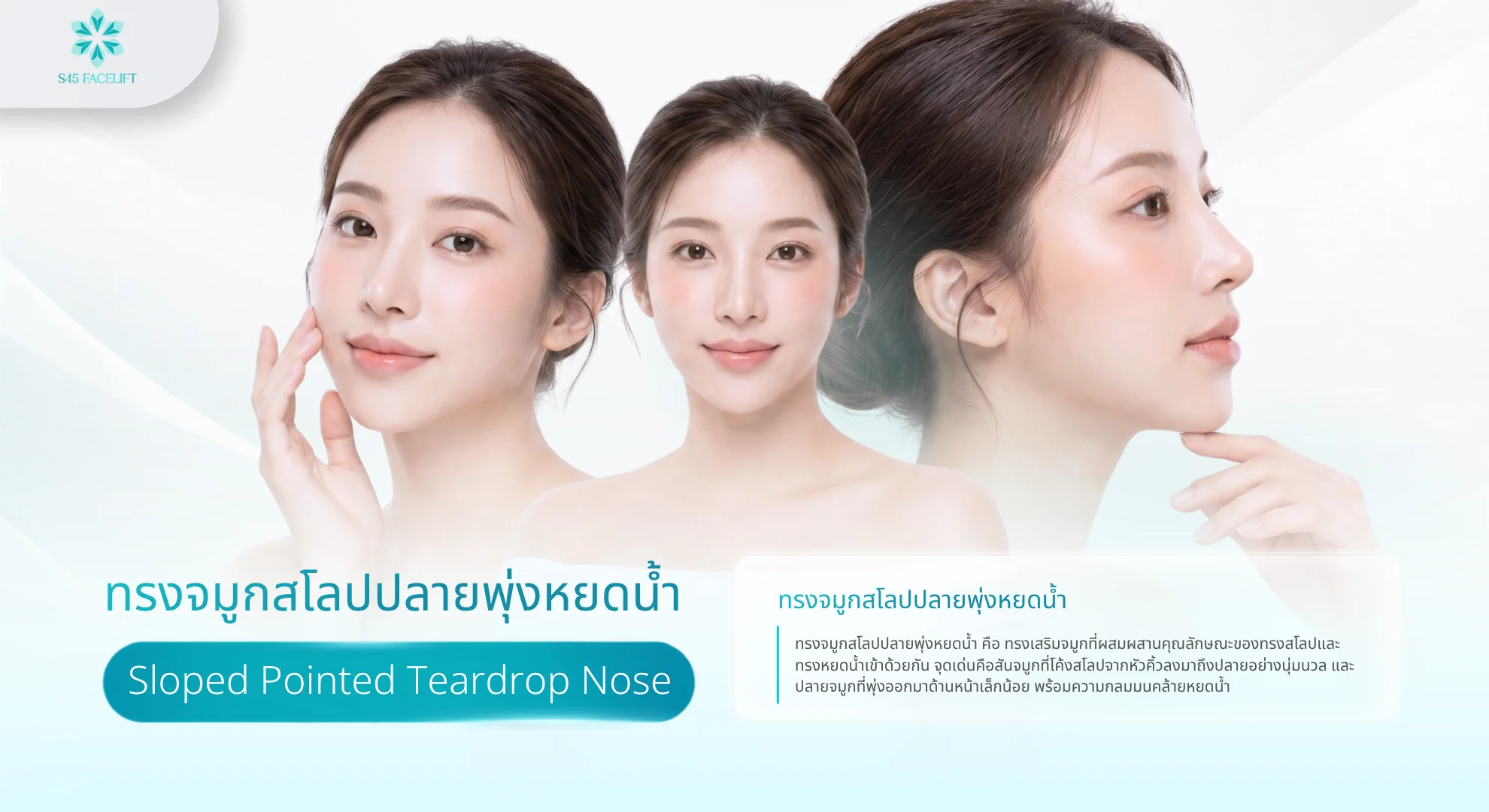
9. Sloping Shape With a Projected Teardrop Tip
A subtle mix of the sloping shape with a projected tip and the teardrop tip. The tip projects slightly but has the roundness of a teardrop at the very end, with an overall look that is sweet and has depth at the same time.
10. Subtle Slim Shape With Alar Base Reduction
In cases with a wide nasal base, alar base reduction is combined with augmentation so that the overall shape is slim and subtle. It narrows a wide nasal base, which can otherwise make the face look flat. It suits people who have wide alae to begin with.
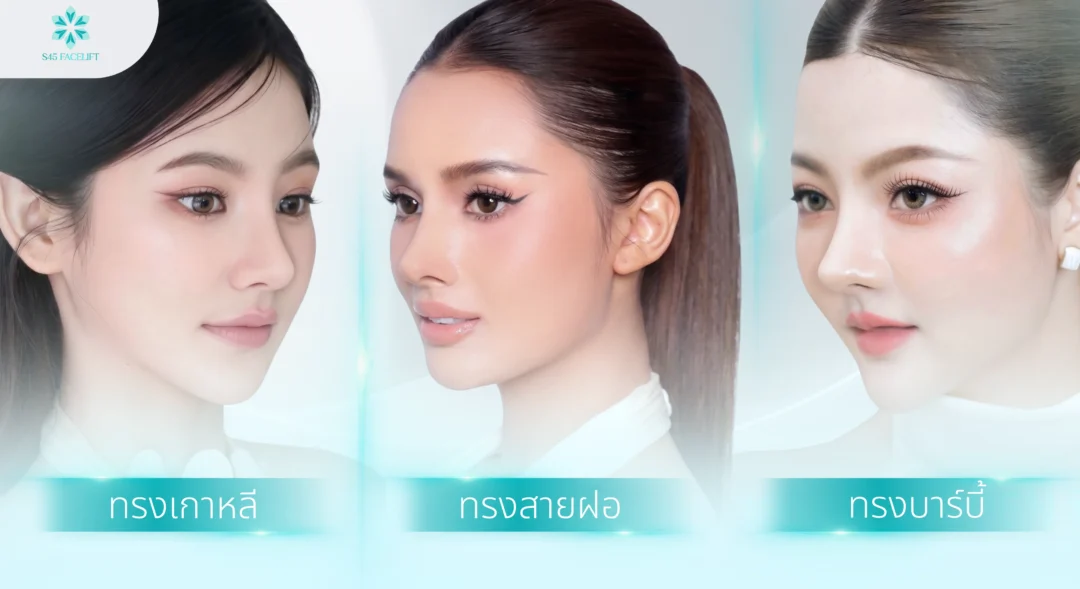
Subtle vs Soft Sloping vs High, Defined vs Strongly Upturned Shapes
Many people confuse a subtle nose shape with the soft sloping nose shape, the high, defined nose shape and the strongly upturned nose shape, because they can look similar at a glance. This can make it hard to explain what you want to the surgeon.
The main difference is the ‘level of definition’. The subtle shape is the least prominent, followed by the soft sloping, high, defined and strongly upturned shapes, which are more prominent.
Understanding this difference matters because it affects both the look you get and how well the shape suits your facial structure.
Subtle Shape vs Soft Sloping Shape
The soft sloping shape has a sloping bridge and an upturned tip that are more prominent than a subtle shape, with an overall look that is more modern and has more character. The subtle shape focuses on harmony and has no single standout feature, so it blends in more.
Subtle Shape vs High, Defined Shape
The high, defined shape has a high, sharp bridge and a prominent projected tip, with an overall look that is sharp and striking. The subtle shape has a bridge that is not prominently high and a tip that is not too sharp, with a softer look that blends in more.
Subtle Shape vs Strongly Upturned Shape
The strongly upturned shape has a high, prominent bridge and a clearly upturned, projected tip, with a sweet but prominent look. The subtle shape focuses on balance with no particular standout feature, so it blends in with the face much more.
Comparison Table
| Feature | Subtle shape | Soft sloping shape | High, defined shape | Strongly upturned shape |
| Bridge height | Balanced | Moderate | High | High and prominent |
| Tip | Rounded or slim | Upturned or projected | Sharply projected | Upturned and projected |
| Level of definition | Low | Moderate | High | Highest |
| Overall look | Blends in | Soft | Sharp, striking | Sweet but prominent |
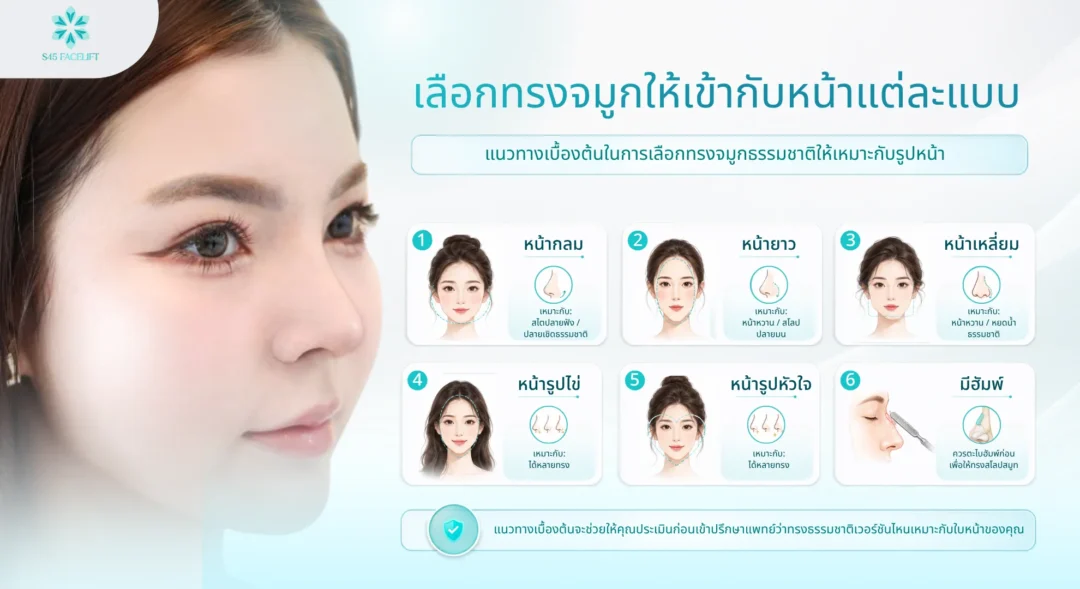
Choosing a Nose Shape to Suit Each Face Shape
The same version of a subtle nose shape does not suit every face. The surgeon adjusts the proportions of the shape to suit your facial structure. Knowing how to choose a nose shape to suit your face helps you explain clearly what you want to the surgeon.
The surgeon considers the length of your face, the width of your forehead, cheeks and chin, your existing nasal structure, nasal bridge and dorsum, and the distances between key points, to adjust the shape so that it suits you.
These basic guidelines for each face shape can help you assess, before your consultation, which subtle version may suit your face.
Nose Shapes for a Round Face
For a round face, suitable nose shapes are the subtle sloping shape with a projected tip or the subtle upturned tip, because the height and projection of the tip add depth and make the face look slimmer. Avoid a rounded tip or a soft, sweet shape that is too soft.
Long Face
A long face suits the soft, sweet shape or a sloping shape with a rounded tip where the bridge is not too high or too long, because a very long nose makes the face look even longer. A subtle upturned tip can make the face look slightly shorter.
Square Face
A square face suits the soft, sweet shape or a subtle teardrop tip, because the softness of the shape helps reduce the hardness of the jaw and creates balance. Sharp shapes emphasise the squareness even more.
Oval and Heart-Shaped Faces
Oval and heart-shaped faces are already well balanced, so they suit almost every subtle version. For a sweet look choose the soft, sweet shape or the teardrop tip, for a defined look choose the sloping shape with a projected tip, and for a bright look choose the upturned tip.
If You Already Have a Dorsal Hump
If you have a dorsal hump (a bony bump in the middle of the nasal bridge), the surgeon needs to rasp the hump down first before creating a smooth, sloping subtle shape. See more about what a dorsal hump is
Can You Have a Subtle Shape With Limited Nasal Tissue
A common question is “If I have limited nasal tissue, can I have a subtle shape?”. The answer is yes, and a subtle shape can be a good option for people with limited nasal tissue, because less augmentation is needed, which lowers the chance of complications.
However, for subtle rhinoplasty to look good and last, the technique and materials need to suit your existing tissue. The wrong choice can make the tip tight and raise the chance of long-term implant extrusion (the silicone implant pushing through the skin).
The options fall into 3 cases according to the condition of your nasal tissue.
Case 1, Enough Nasal Tissue
Closed rhinoplasty with a standard silicone implant is used to create the designed subtle shape. The recovery period is usually short, though it varies from person to person, and it suits people who want a straightforward rhinoplasty.
Case 2, Limited Nasal Tissue
Open rhinoplasty is combined with your own cartilage, taken from the ear or the septum, to add tissue at the tip so there is enough to create a well-shaped subtle nose. See more about a projected tip with limited nasal tissue
Case 3, a Flat Nasal Base and Very Little Tissue
In cases with a very flat nose and very little tissue, rib cartilage may be needed to rebuild the whole nasal structure so that the subtle shape lasts over the long term. These are complex cases.
Important: A detailed assessment of your nasal tissue needs a direct examination by the surgeon. It cannot be judged from photos alone, because the actual amount of tissue has to be checked by hand.
Techniques Used for Subtle Rhinoplasty
The choice of technique affects the result, the recovery period and your overall care. Subtle rhinoplasty, which needs careful work to balance every part of the nose, requires a technique that lets the surgeon design the shape in detail.
Each technique has its own advantages and limits. Straightforward cases may use the closed technique, which usually has a short recovery period, while cases that need structural changes or added tissue from cartilage need the open technique, which allows detailed adjustment.
The surgeon recommends a technique after assessing your face and talking with you about your goals. There are 4 main techniques used to create a subtle shape.
1. Closed Rhinoplasty (Closed Technique)
The surgery is done through incisions inside the nostrils only, so there is no external incision. The incisions are small and the recovery period is usually short. It suits subtle versions with a sloping bridge and a rounded tip that do not need much tip reshaping, and it is a common technique for straightforward subtle cases.
2. Mini Open Rhinoplasty
A small incision is made at the base of the columella, so the surgeon can see part of the structure. It suits cases that need careful work to create a slightly upturned, subtle tip but do not need major structural changes.
3. Open Rhinoplasty (Open Technique)
Incisions are made inside the nostrils and at the base of the columella, so the surgeon can see the whole structure and make detailed adjustments. It is an option for cases that need added tissue at the tip using cartilage, or cases with existing structural problems. See more about open vs closed rhinoplasty
4. Open Septo Rhinoplasty
The open technique combined with septal reshaping is used when the goal is a subtle shape that lasts over the long term, and in cases where a deviated septum makes the bridge crooked. See more about open septorhinoplasty
| Technique | Suits these subtle shapes | Complexity |
| Closed | Sloping with a rounded tip / soft, sweet shape | Low |
| Mini Open | Upturned tip / sloping with a projected tip | Moderate |
| Open | Limited nasal tissue / teardrop tip | High |
| Open Septo | Complex cases / long-lasting shape | Highest |
Can You Change to a Subtle Shape After Previous Rhinoplasty
Many people who previously had rhinoplasty with a prominent shape, such as a strongly upturned shape or a high, defined shape that is too sharp, now want to change to a subtle shape in line with the current trend for a subtle look. The question is whether this is possible.
The answer depends on the current condition of your nose, how long ago you had rhinoplasty, and the technique and materials used the first time. If your nose is in good condition, reducing it to a subtle shape is usually not difficult.
Before you decide, have a consultation with an experienced surgeon to examine your nose and assess what needs to be reduced.
If Your Nose Is Too High
If your existing silicone implant is so high and prominent that it looks stiff, it can be removed and replaced with a lower silicone implant with a subtle slope, using open rhinoplasty, for a smooth sloping line.
If Your Nasal Tip Is Too Upturned
If your tip is strongly upturned, the upturn can be reduced and the tip reshaped to be rounded or slim in a subtle style. This requires open rhinoplasty to reshape the tip structure directly.
If You Have Other Existing Problems
If there are problems from previous rhinoplasty, such as a silicone implant that has shifted or is tilted, scar tissue or a shape you are unhappy with, the existing problems need to be corrected first before a new subtle shape is created. These are highly complex revision rhinoplasty cases. See more about revision rhinoplasty
Reference Photos, How to Use Them for a Subtle Nose
Many people come for a consultation with a reference photo of an idol’s or celebrity’s nose. Some are satisfied with the result, while others are disappointed because they expected it to look ‘exactly the same’. A reference photo is a guide for the design, not a result that will match in every detail.
For a subtle shape, reference photos need to be used differently from a prominent shape, because the goal is for the shape to look like part of your face, not a copy of someone else’s.
There are 4 key principles for using reference photos to get the right subtle shape.
1. Choose Reference Photos of Faces Similar to Yours
If you have a round face but bring a reference photo of a long face, the same shape will give a different result. Choose reference photos with a facial structure, mouth size, eyes and face length close to yours, so the shape blends in with your face.
2. Bring More Than One Reference Photo
Bring 3 to 5 nose photos with similar features, where every photo has about the same slope, height and tip shape. This helps the surgeon understand the pattern you like.
3. Describe the Features You Like, Not the Result You Want
Instead of saying “I want to look like this person”, point out the features you like, such as “I like this sloping bridge” or “I like this rounded tip”. This helps the surgeon keep the features you like and adapt them to your face.
4. Be Open to the Surgeon’s Advice
An experienced surgeon will assess which reference photos do or do not suit your face. Sometimes the surgeon may suggest adjusting some features of the reference slightly so the shape blends in with your face more.
Importantly, the final shape the surgeon designs for you is your own version of a subtle shape, not a copy of anyone else’s. This is the principle that helps the result look like a real part of your face.
Cost of Subtle Rhinoplasty
The cost of subtle rhinoplasty varies between clinics and techniques and depends on several factors. Understand the factors that affect the price before comparing clinics. You can ask a clinic directly for a price for your case.
An unusually low price may reflect the quality of the silicone implant, the surgeon’s experience or clinic standards that are below the market. In surgery with long-term effects on your face, saving too much may affect your satisfaction in the long term.
However, a price above the market does not always mean better quality. Compare mainly on the basis of the service and the surgeon’s qualifications.
Factors That Affect the Price
- technique used: closed < mini open < open < open septo / open rib rhinoplasty
- materials: silicone implant only vs silicone implant with cartilage vs rib cartilage
- type of silicone implant: hand-carved silicone vs ready-made silicone
- the surgeon: experience and field of training
- clinic standards: licence, operating room and anaesthetist team
What to Check in a Quote
Ask for a quote that states clearly whether it includes the anaesthetist fee, medicines after surgery, stitch removal, nasal splint removal, wound care and follow-up. Some clinics quote a low price but add miscellaneous costs later.
Why Subtle Rhinoplasty Costs More Than a Prominent Shape at Some Clinics
Many people may wonder why a subtle shape costs more than a prominent shape at some clinics. The answer is that a subtle shape relies on the surgeon’s skill to design every part of the nose so it is balanced, which is harder than a prominent shape with a clear focal point.
Be Careful With Unusually Low Prices
If a clinic quotes a price far below the market, consider it carefully. It may mean a low-quality silicone implant, a surgeon with little experience or no complete aftercare system.
Where to Have Subtle Rhinoplasty
Choosing a clinic for a subtle shape is different from choosing a clinic for rhinoplasty in general, because this is a shape where ‘the surgeon’s skill shows’. A nose that blends in with the face is the work of a surgeon who understands the ‘Less is More’ approach and assesses the face with a careful eye.
A clinic that is good at prominent shapes (such as a sharp, strongly upturned shape) is not necessarily good at subtle shapes, because the design approaches are opposites. A prominent shape emphasises one standout feature, while a subtle shape balances every point.
In addition to general standards (a licence from the Department of Health Service Support, operating room standards and an anaesthetist team), there are specific points to consider for a subtle shape.
Look at Review Cases That Genuinely Blend In
A clinic that is genuinely good at subtle shapes should have a range of review cases, and most importantly those cases should blend in with the face. If every review case looks the same and it is clearly obvious that surgery has been done, it may not be the right place for this shape.
The Surgeon’s Design Approach
At your consultation, ask the surgeon what they focus on when designing a subtle shape. A good answer should mention the proportions of the 3 parts of the face, balance, and ‘taking away’ rather than ‘adding’.
The Ability to ‘Adjust to Fit’ Without Over-Engineering
A surgeon who is skilled at subtle shapes can assess how much augmentation is needed, rather than adding a lot to make it feel worth the money. Choosing the height of the silicone implant case by case is a sign of a surgeon who understands this shape.
A Detailed Design Consultation
A clinic that pays attention to detail has a thorough consultation process and takes time to assess your face and discuss your goals, rather than just taking a reference photo and copying it. For a subtle shape, a detailed consultation stage directly affects the result.
Aftercare to Assess a Subtle Result
A subtle shape needs careful follow-up, because the details of the sloping bridge and tip gradually become clear over 3 to 6 months after surgery. A clinic with a complete follow-up system and a dedicated aftercare team can help you feel confident that the result matches the design.
See more research-level information about Asian rhinoplasty techniques in PMC/NIH – Asian Rhinoplasty Techniques, a peer-reviewed article that discusses rhinoplasty techniques for Asian faces.
Why Choose Subtle Rhinoplasty at S45 Clinic
A subtle shape needs careful design so that every part of the nose fits each person’s facial structure. S45 Clinic is a medical clinic that provides rhinoplasty, with a shape designed for each person rather than a ready-made template, under our promise “Because all beauty comes from care”.
Our Surgeons’ Fields of Training
Our surgeons are certified in otolaryngology with subspecialty training in facial plastic and reconstructive surgery. They assess your face and design a shape for you that suits your facial structure. See more about rhinoplasty (Nose Surgery)
The ‘Less Is More’ Approach
S45 Clinic follows the ‘Less is More’ approach when designing a subtle shape. We do not add more than needed and adjust the shape to suit your face and goals, so that the result looks like a real part of your face, not an ‘add-on’.
Operating Room Standards and Aftercare
Our operating room meets the required standards, and an anaesthetist team provides one-to-one care in cases under general anaesthetic. Our aftercare system follows up with you for 3 to 6 months after surgery, to check that the result is as designed and to spot any problems early.
FAQs About Subtle Nose Shapes
Who Is a Subtle Nose Shape Suitable For?
It suits people who want to look better without the people around them noticing they have had surgery, people of working age, business people and people who want a subtle look. This shape can suit every face shape, but you need to choose a version that suits your facial structure.
What Kind of Nose Looks Attractive?
Which nose looks attractive depends on each person’s facial structure. The principles used to assess this are the Golden Ratio and the balance of the 3 parts of the face (forehead, nose and chin). An attractive nose is one with proportions that suit the face and that does not stand out so much that it overshadows the other proportions. An attractive nose today is therefore one that blends in with the face.
Which Nose Shape Suits My Face?
It depends on your face shape. A round face suits a sloping shape with a projected tip or an upturned tip to add depth. A long face suits the soft, sweet shape or a sloping shape with a rounded tip so the face does not look longer. A square face suits the soft, sweet shape or a teardrop tip to reduce hardness. An oval face suits almost every shape.
What Nose Shapes Do Thai Celebrities Have?
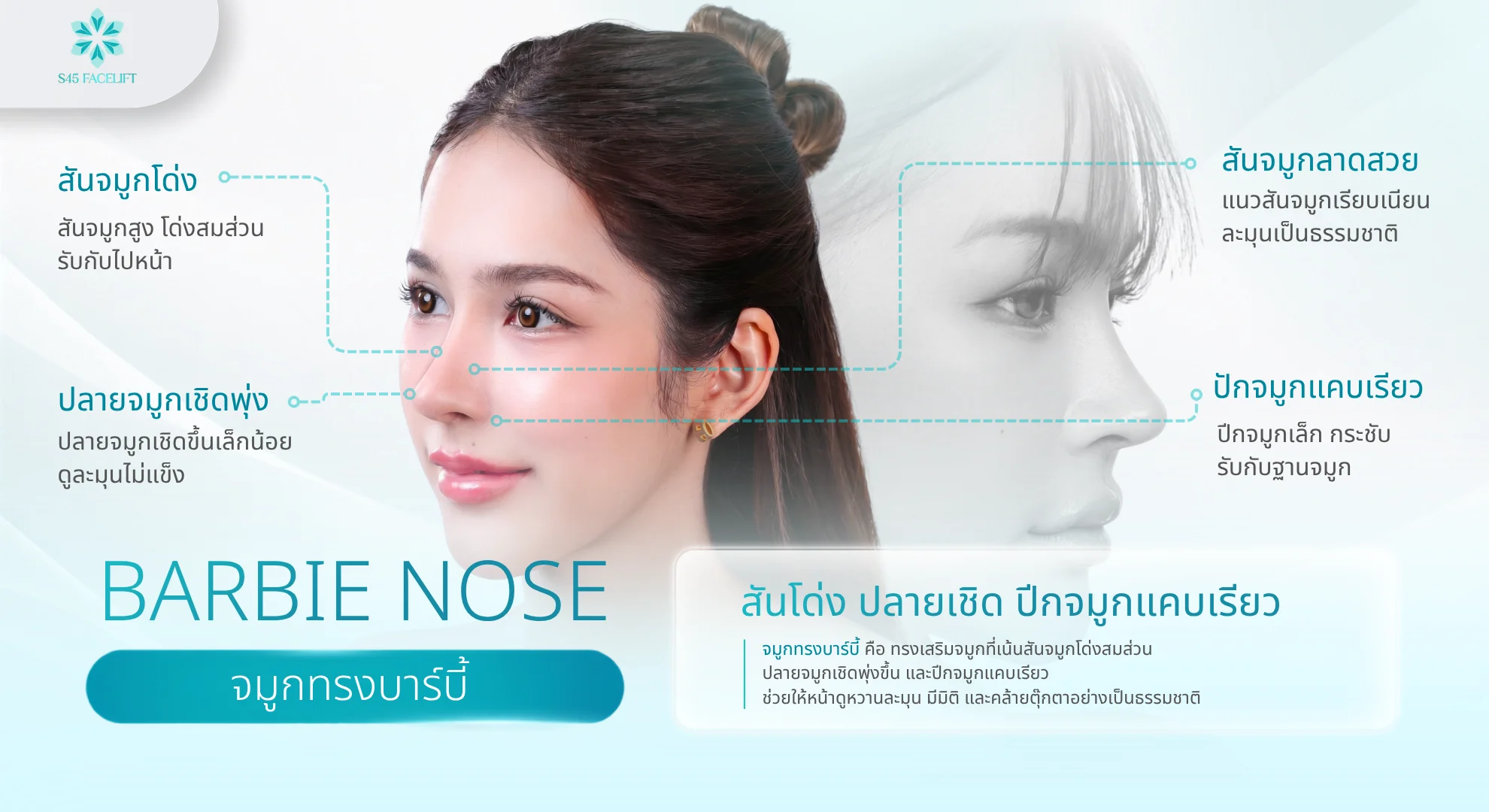
The nose shapes of Thai celebrities that attract interest often fall into the subtle sloping shape with a projected tip, with a bridge of balanced height and a slim, slightly projected tip that looks subtle but has depth. It is a shape people often bring as a reference photo. However, it is not possible to ‘make it look exactly like’ any one celebrity, because everyone’s facial structure is different.
What Is the Difference Between a Subtle Nose Shape and the Soft Sloping Nose Shape?
The soft sloping shape has a sloping bridge and an upturned tip that are more prominent than a subtle shape, with an overall look that is modern and has character. The subtle shape focuses on harmony with no particular standout feature, so it blends in more. The subtle version of the soft sloping shape is a mix that has a little of both.
How Long Does Subtle Rhinoplasty Last?
It depends on the materials used. A good-quality silicone implant can last 10 to 20 years, and your own cartilage can last a long time. In general, a subtle shape may hold its result longer than a prominent shape, because there is less pressure on the tissue at the tip.
Does Subtle Rhinoplasty Hurt?
You will not feel anything during surgery because you have a general anaesthetic or sedation. After surgery, you may get tightness and mild to moderate pain for the first 2 to 3 days, which can be relieved with painkillers prescribed by the surgeon. It gradually improves during the first week.
How Many Months Does It Take for a Subtle Shape to Settle After Rhinoplasty?
Generally, most of the swelling goes down in the first 7 to 14 days and you can return to work. In months 1 to 3, the swelling has almost gone and the shape is close to the final result. In months 3 to 6, the scar tissue settles fully and the final subtle shape becomes clear. Results depend on each person.
Summary
A subtle nose shape is one of the nose shapes that has attracted interest in Thai plastic surgery for a long time. It suits people who want to look better in a subtle way, and there are 10 versions to choose from according to your face and personality, from the subtle sloping shape with a projected tip, the subtle soft sloping shape, the subtle teardrop tip, the upturned tip, the soft, sweet nose shape, the ‘princess’ nose shape and the subtle high, defined shape, to the slim shape with alar base reduction.
This shape differs from the more prominent soft sloping, high, defined and strongly upturned shapes because it focuses on the harmony and balance of the face. It can suit every Thai face shape, and it can be done with limited nasal tissue, but cartilage is needed to add support.
What matters is a subtle shape that suits you. It is not a shape copied exactly from a celebrity’s reference photo, but a shape the surgeon designs to suit your face in particular. Choosing an experienced surgeon who follows the ‘Less is More’ approach and a clinic that truly understands how to design a subtle shape can help you get a result that blends in and is closer to what you expect, with the surgeon looking after you carefully throughout the process.
Because every nose structure…
is different
An otolaryngologist with subspecialty training in facial plastic and reconstructive surgery assesses every case before treatment and gives advice based on your actual concerns.
“Reveal the beauty within you”
Message us online
Surgery and medical procedures carry risks. Find out about them and consult a doctor before you decide. Results depend on each person.