Nose Splint Removal 7 Days After Rhinoplasty, How Will Your Nose Look?
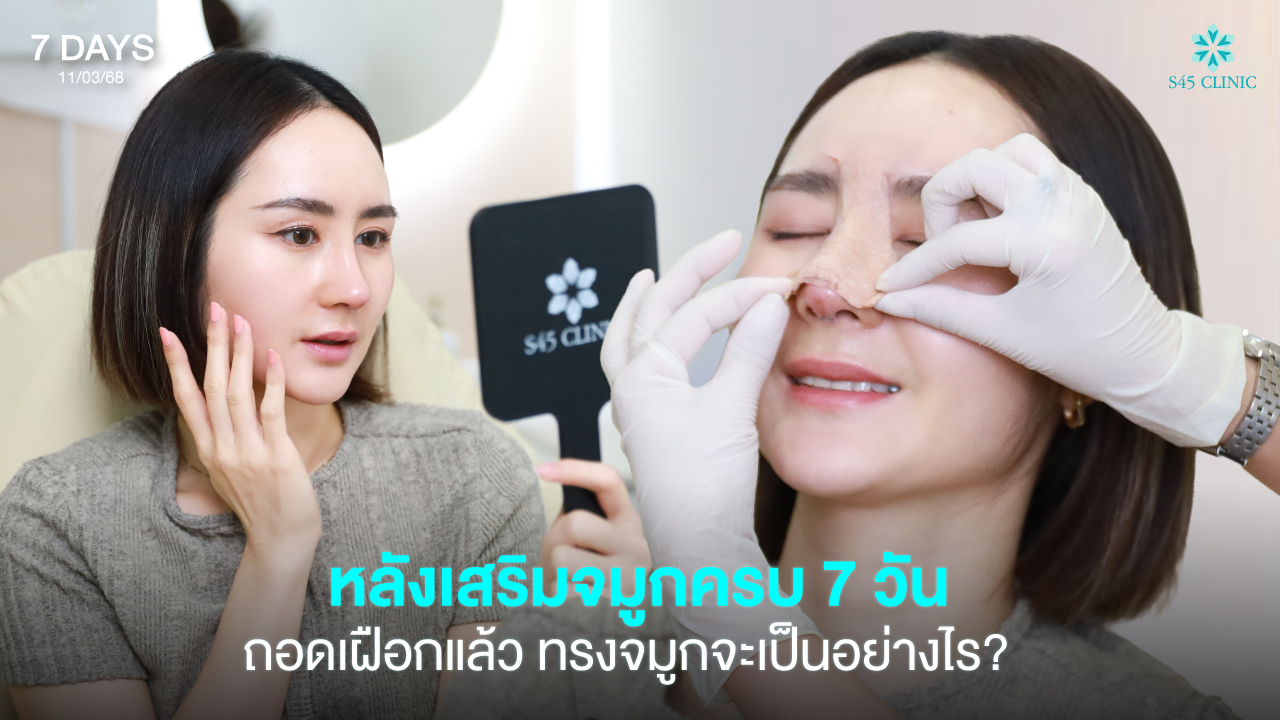
On the night before the nasal splint comes off, many people find it hard to sleep. This is not because of pain, but because they are wondering how their nose will look once the splint is removed the next day, how swollen it will be, and whether the shape they discussed with the surgeon will start to show.
Many people feel this way after rhinoplasty, because day 7 is usually the first time you see your nose after the splint is removed. This is why questions often follow about swelling, the shape and how to care for yourself afterwards.
This article looks at which parts of the nose shape start to show clearly 7 days after rhinoplasty once the splint is removed, which parts still need time for the swelling to go down, and how to care for yourself after splint removal. It is especially relevant if you are planning open rhinoplasty together with an assessment of your nasal structure.
When the Splint Comes off After 7 Days, Is This Your Final Nose Shape?
The short answer is that it is close, but it is not the final shape yet. Here is why.
The Bridge Usually Starts to Look Clearer After the Splint Is Removed
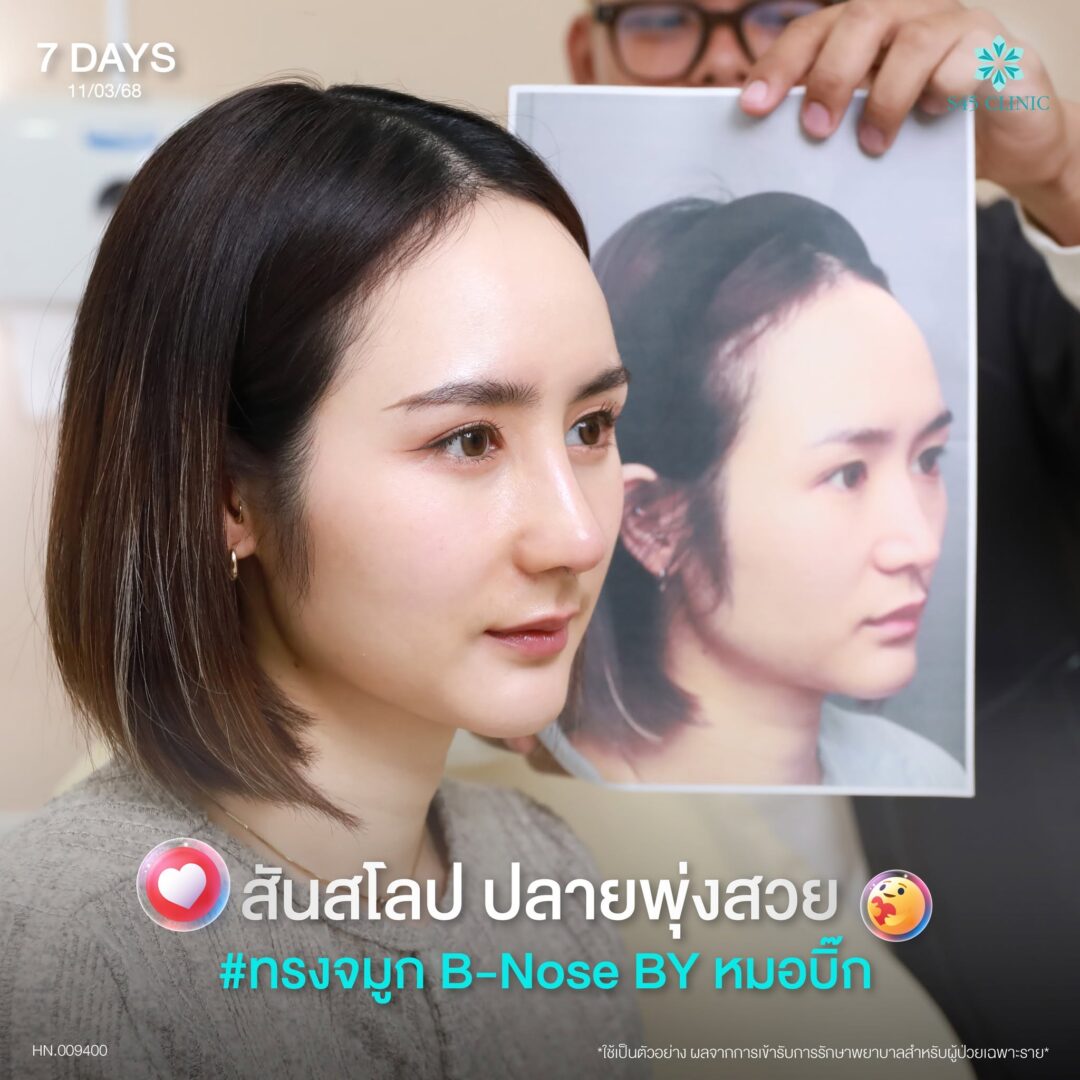
Many people find that the line of the bridge is already clear as soon as the nasal splint comes off. This is because the material used in this area usually holds its shape well, unlike the soft tissue, which needs more time for the swelling to go down before the actual shape shows.
The Nasal Tip Can Still Change
The part that needs more patience is the nasal tip. The tissue and skin here are thicker than on the bridge, so the swelling takes longer to go down. On day 7 the tip may still feel tight or look slightly larger than its actual shape, which is a normal part of recovery.
Why Not to Judge Your Nose Shape on the Day the Splint Comes Off
Because some swelling remains, your nose shape on day 7 is not yet the whole final picture. Some people may feel their nose is still swollen, the nasal tip still feels tight, or the shape is not yet as soft as they expected. This can happen during recovery.
In general, follow the changes step by step, because the swelling, the skin and the tissue around the nose still need time to settle before the line of your nose shape gradually becomes clearer, depending on how each person recovers.
What Role Does Open Rhinoplasty With Rib Cartilage Play in Assessing and Planning the Nasal Structure?

In some cases, open rhinoplasty helps the surgeon see the details of the nasal structure more clearly, especially when the bridge, the nasal tip, the nasal base and the support from the existing structure need to be assessed together before the nose shape is planned.
The Open Technique Helps the Surgeon Assess the Bridge, Tip and Nasal Base Together
Open rhinoplasty is a technique that lets the surgeon see more of the details of the nasal structure. This helps the surgeon assess the bridge, the nasal tip, the nasal base and the support of the existing tissue together in more detail.
Planning is therefore not only about the height of the bridge. It also looks at how well the shape you want fits with your nasal tip, nasal base, skin and overall facial proportions.
Rib Cartilage Can Add Support in Some Cases
If your existing nasal structure has limitations, or the surgeon assesses that material is needed to help support the nasal tip, rib cartilage may be considered as part of the plan.
However, not every case needs rib cartilage. The choice of material depends on your existing structure, skin condition and tissue, and on the surgeon’s assessment of each person.
How Does Open Rhinoplasty Help Assess a Sloping Bridge With a Projected Tip?
A sloping bridge with a projected tip is a shape many people are interested in, because it gives a soft feel and helps the face look more defined. Planning this shape means assessing several points together, including the bridge, the nasal tip, the nasal base, skin thickness and the support from your existing nasal structure.
Can the Nose Shape Still Change After the Splint Comes off on Day 7?
After the splint is removed, many people start to see the line of their nose shape more clearly. But the period after day 7 is still a time when the nose is settling. The swelling, the skin and the tissue around the nose can keep changing, so do not rush to judge the shape from this period alone.
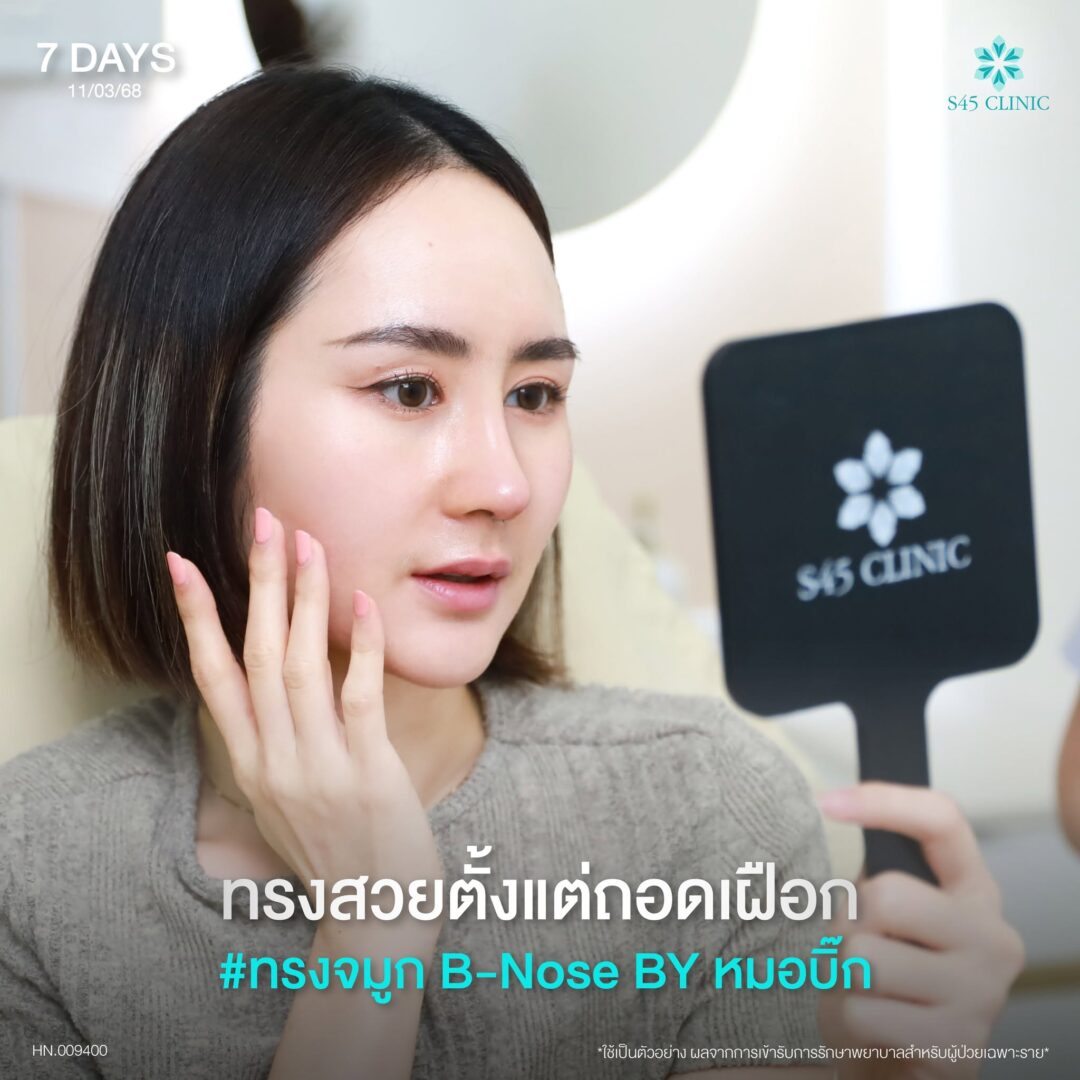
Swelling Goes Down Gradually
After day 7, swelling usually goes down gradually. The bridge may be the first area where the line of the shape starts to look clearer, while the nasal tip usually takes longer for the swelling to go down, so it may still look tight or larger than expected in the early period.
The Skin and Tissue Are Still Settling
After rhinoplasty, the skin and tissue around the nose still need time to settle. Some people may feel their nose is still tight, firm or not yet soft during the first month. During this time, follow the surgeon’s advice and avoid pressing, massaging or touching your nose often.
How Clearly the Shape Shows Depends on How Each Person Recovers
How long it takes for the nose shape to become clearer differs from person to person. It depends on your existing nasal structure, skin thickness, tissue condition, the technique used and how you care for yourself afterwards, so do not rush to judge the shape from the first 7 days alone.
How to Care for Yourself After Nasal Splint Removal
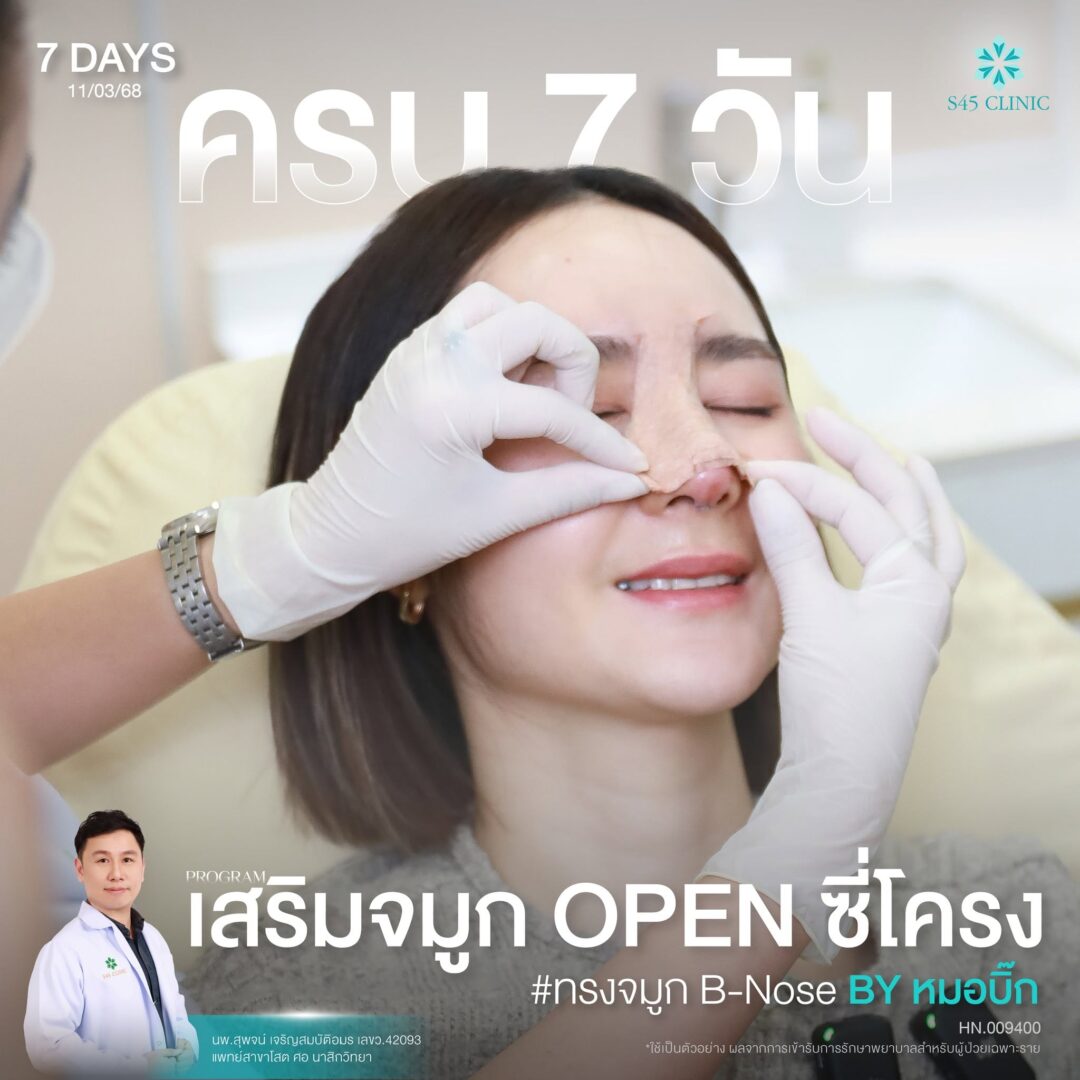
After the splint comes off, many people may feel that the important stage is over. In fact, the nose is still recovering. The skin and tissue around the nose are still sensitive to touch, so care for them gently. For example, clean your face gently, avoid touching, pressing or massaging your nose yourself, and go to your follow-up appointments with the surgeon.
Clean Your Face Gently
After the splint is removed, the skin on your nose may still be delicate and sensitive to touch. Wash your face gently and avoid scrubbing, rubbing or pressing hard on the bridge and the nasal tip, so you do not disturb the areas that are still recovering.
Watch for Swelling, Redness or Tightness of the Nose
During this time, check whether the swelling is gradually going down, and whether any redness, tightness or unusual symptoms are getting worse. If you have symptoms that worry you, do not try to treat them yourself. Contact the clinic or see the surgeon for an assessment straight away.
Go to Your Follow-Up Appointments
After splint removal, the surgeon usually books follow-up appointments at intervals to check how the wound is healing, the swelling and how the line of your nose shape is gradually changing. Go to each appointment so the surgeon can care for you and give advice that suits you.
Things Not to Rush Into After Nasal Splint Removal
Even though the splint has come off, your nose is still recovering. The skin, the tissue and the inner structure still need time to settle, so avoid the following:
Do Not Touch, Press or Massage Your Nose
After the splint is removed, you may want to touch your nose to see how the nose shape feels. During this time, do not press, massage or move your nose yourself, because this may disturb the areas that are still recovering. If your nose feels tight or swollen, or you are worried about the shape, ask the surgeon to assess it instead of adjusting it yourself.
Avoid Heavy Make-Up on the Nose in the Early Period
Avoid foundation or bronzer that needs firm blending on the bridge for now, because the friction may affect skin that is still thin and sensitive to touch. If you really need to wear make-up, always ask the surgeon who is caring for you first.
Take Care With Glasses and Sleeping Positions That Press on the Nose
Glasses that rest their weight on the bridge, and sleeping on your front or side with your face pressed into the pillow, may affect the nose while it is still recovering. Take care to avoid pressure on the nose and follow the surgeon’s advice closely.
What Symptoms Are Common 7 Days After Rhinoplasty?
7 days after rhinoplasty, your nose is still recovering. Any swelling, tightness or bruising that remains may differ from person to person, depending on the technique used, your existing nasal structure, skin condition and how you care for yourself afterwards. Symptoms you may commonly have during this time include:
1. Swelling on the Bridge
You may still have some swelling on the bridge after the splint is removed. In most people it gradually goes down over the following weeks, although how much swelling you have may differ from other people.
2. Can the Nasal Tip Still Feel Tight?
A nasal tip that still feels tight around day 7 happens in some cases, because the tissue at the tip usually takes longer to settle than the bridge. So do not rush to judge your nose shape from this period alone.
3. Bruising Around the Eyes May Remain
Some people may still have faint bruising around or under the eyes after the splint is removed. It usually fades gradually as you recover. But if the bruising gets worse, there is unusual swelling or redness, or you have symptoms that worry you, contact the clinic or see the surgeon for an assessment.
Frequently Asked Questions About 7 Days After Rhinoplasty
Note: This article is for general information only. It is not medical advice and cannot replace a consultation with a qualified surgeon. Aftercare at each stage after rhinoplasty depends on the technique used, the condition of the wound, your existing nasal structure and how each person recovers. Follow the advice of the surgeon caring for you, and contact a surgeon straight away if you notice anything unusual.