Nasal Tip Ptosis After Rhinoplasty, What Causes a Droopy Nasal Tip and What Should Be Assessed?

Some people start to notice that their nasal tip looks lower or more drooping than in the early period after surgery, and worry about what is causing it, whether it is normal, or whether they should go back to the surgeon for an assessment.
In fact, a droopy nasal tip after rhinoplasty can be caused by several factors, including the existing nose structure, the support of the nasal tip, old material, scar tissue, skin condition or habits after rhinoplasty. Planning before surgery should therefore not look only at the height of the nasal bridge, but should assess the nasal tip and the overall structure in detail, to help lower the factors that could make the nose shape change or the tip droop later.
What Causes a Droopy Nasal Tip After Rhinoplasty?
A droopy nasal tip after rhinoplasty can be caused by several factors, not always a single cause. The surgeon needs to assess the existing nose structure, the technique used before, the materials used and changes in the tissue together.
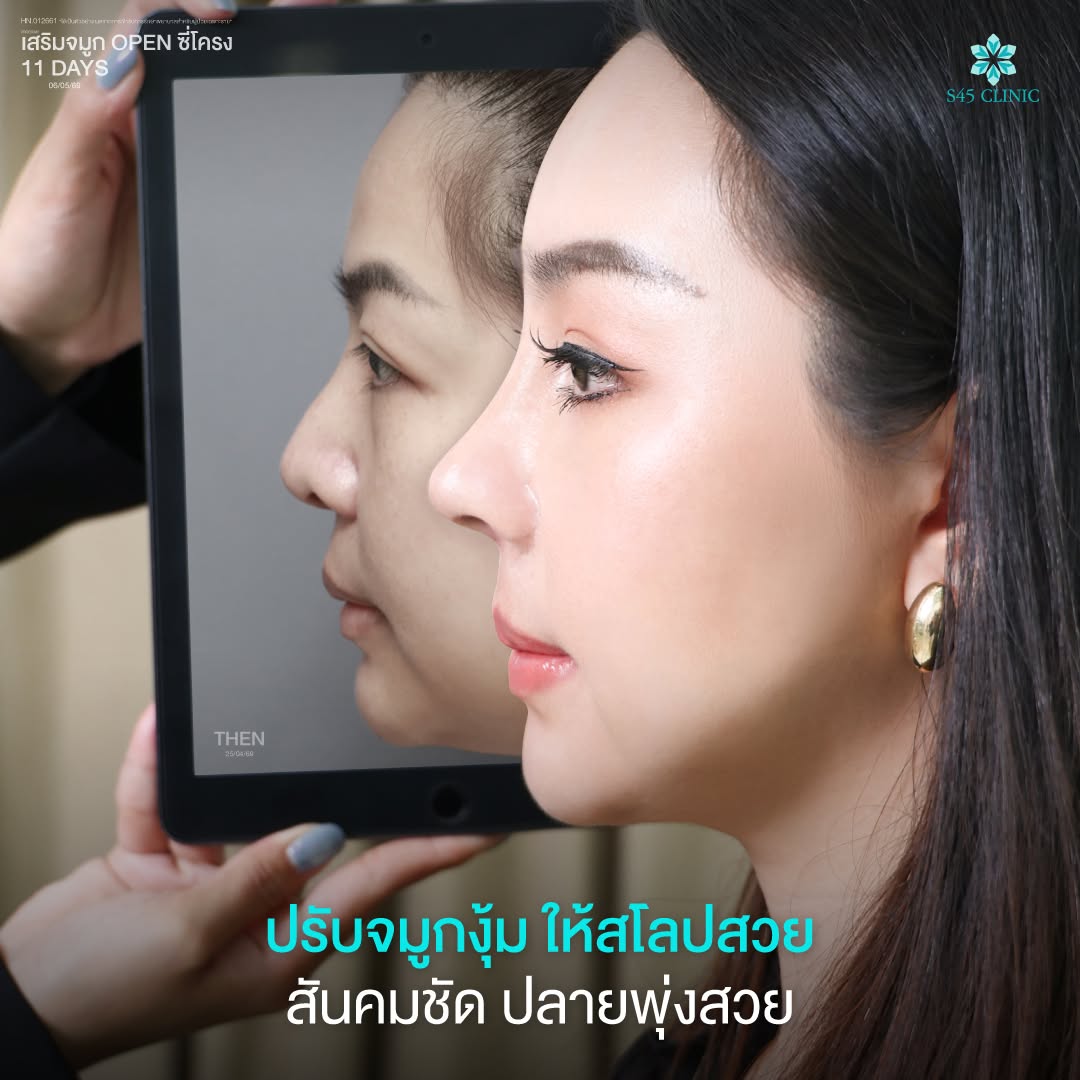
The Existing Nose Structure and Support of the Nasal Tip
In some people, the existing nose structure may have limitations, such as tip cartilage that gives little support, thin nasal soft tissue, a short nose or a nasal tip with little supporting strength. If the augmentation is planned beyond the limits of the tissue, the nasal tip may look lower or droop over time in some cases.
So before rhinoplasty, the assessment should not look only at the height of the nasal bridge, but also at how much the existing structure can support the tip, and how the nasal tip should be planned to suit each person.
Support of the Nasal Tip Can Change After Surgery
Surgery that affects the mechanisms supporting the nasal tip, or changes in the cartilage and tissue during recovery, can change the position, projection or angle of the nasal tip in some people. Reference works on nasal tip surgery state that disturbing some of the supporting structures can reduce tip projection, so the cartilage, the septum and the related tissue all need to be assessed together.
Tissue and Skin That Change Over Time
As time passes, the skin and tissue of the nose can change on their own. Some people may feel that the nose shape is not the same as in the early period after surgery, or that the nasal tip looks longer, droops or has a different angle from before.
This change can be related to several factors, such as skin condition, tissue elasticity, skin tension, contraction of scar tissue or the original structure of the nose, so let the surgeon assess it before concluding what the cause is.
Old Material or Scar Tissue After Rhinoplasty
In people who have had rhinoplasty before, old material, scar tissue or changes in the tissue around the material can affect the shape of the nose in the long term, especially at the nasal tip.
In people who have had nose surgery before, there may be scar tissue or changes in the tissue around the existing structure, which can affect the shape, symmetry or tension of the nasal tip in different ways. Let the surgeon examine the position and type of change before concluding what the cause is.
Knocks or Habits After Surgery
Some habits after rhinoplasty can affect recovery or the shape in some cases, such as sleeping with pressure on the nose, knocks to the face, moving the nose forcefully or not following the aftercare advice.
If you have had a hard knock, feel that the shape has changed or that the nasal tip looks different from before, do not massage, push or try to reshape it yourself. Consult the surgeon who looks after you so the cause can be assessed properly.
How to Choose Rhinoplasty to Lower the Risk Factors for a Droopy Nasal Tip
Planning before surgery is very important, because the nasal tip is linked to each person’s structure, skin, tissue and existing support.

Assess the Limits of the Nose Structure Before Choosing a Shape
Before deciding on rhinoplasty, let the surgeon assess your existing nose structure, such as skin elasticity, the amount of nasal soft tissue, the length of the nose, the nasal base and the support of the nasal tip.
Do not choose a nose shape from review photos alone, because an attractive nose shape for each person should be one that suits their body, nose structure and facial features.
Planning the Length and Projection of the Nasal Tip Must Stay Within the Limits of the Tissue
Lengthening the nose or increasing tip projection should be considered together with the thickness and elasticity of the skin, the strength of the existing structure and suitable materials. If the plan goes beyond the limits of the tissue, it can cause tension or changes in shape later on in some people.
Consider Open Rhinoplasty in Cases Where Several Areas Need Assessment
Open rhinoplasty may be considered in cases where several parts of the nose structure need to be planned, such as the nasal bridge, the nasal base, the septum and the nasal tip.
This technique helps the surgeon assess the internal structure in more detail, but it is not necessary for everyone. Whether it is suitable depends on an individual assessment.
Using Your Own Tissue in Some Cases Where Suitable
In some cases, the surgeon may consider using your own ear cartilage or rib cartilage to help plan the nasal tip or the nose structure.
Using material from your own body does not always suit every case. It needs to be assessed from the existing structure, the amount of material needed, the skin condition and your goals for the nose shape.
What Cases Suit Structural Changes With Open Rhinoplasty?

Open rhinoplasty is a technique that may help the surgeon plan the nose structure in more detail, especially in cases with limitations at the nasal tip or cases that have had rhinoplasty before.
At S45 Clinic, planning for open rhinoplasty starts with an assessment of your actual nose, such as the nasal bridge, nasal base, septum, nasal tip, skin condition, tissue and history of previous surgery, to choose an approach that suits each person.
In some cases, the surgeon may consider also using your own rib cartilage, ear cartilage or tissue to help plan the support of the nasal tip and the overall structure. This depends on the limitations of each case and should be assessed by an experienced surgeon before you decide.
What Should the Surgeon Assess Before Planning Rhinoplasty?
The assessment before rhinoplasty is very important, especially if you are worried about a droopy nasal tip after rhinoplasty, because the existing structure, skin condition, tissue and your goals for the nose shape all need to be looked at together.
Assess the Nose Structure Before Choosing a Technique
Our surgeons at S45 Clinic assess the nose structure, such as the nasal bridge, nasal base, septum, nasal tip, skin condition and history of previous rhinoplasty, to help plan a technique that suits each person.

Plan a Nose Shape That Suits Your Existing Limitations
Do not choose an attractive nose shape from reviews alone, because everyone has a different nose shape and different tissue limitations. The surgeon therefore needs to assess whether the nose shape you want is within a suitable range.
Follow-Up After Rhinoplasty as Needed
After surgery, attend follow-up as the surgeon advises, especially while the nose is still recovering. If you feel the shape has changed, the nasal tip is drooping or you have unusual symptoms, come back for an assessment. Do not massage or push the nose yourself.
Which Symptoms Mean It Is Time to See the Surgeon?
After rhinoplasty, if you notice the shape of your nose has changed, it does not mean that every case needs more surgery, but some symptoms can be a sign that you need an assessment by the surgeon, to find the cause and plan suitable care.
The Nasal Tip Looks Clearly Different From Before
If you feel that the nasal tip looks lower, droops, looks longer or has a clearly different angle from the early period after surgery, let the surgeon examine it, because these changes can be related to the existing nose structure, the support of the nasal tip, changes in the tissue or other factors that need to be checked together.
A Tilted Nose, an Asymmetric Shape or a Feeling That the Shape Has Changed
If you notice that the nasal bridge is tilted, the nose looks asymmetric, or the nose has changed from before for no known reason, especially after a knock, have an assessment by the surgeon. Do not massage, push or try to reshape it yourself.
Pain, Swelling, Redness or Unusual Changes in the Skin of the Nose
If you have pain, swelling, redness, warmth, thinning skin, the outline of the implant becoming more visible, or unusual symptoms you have not had before, go back to the surgeon for an examination, because these symptoms can have several causes and should not be judged by yourself.
Breathing Problems After Rhinoplasty
If breathing feels harder than usual, you have a long-lasting blocked nose, or you feel that the airflow through your nose has changed after surgery, tell the surgeon so it can be assessed together with the internal structure of the nose, because in some cases it may be related to the septum or internal structures that need further examination.
If you notice that your nasal tip looks lower or droops after rhinoplasty, or feel that the shape has changed from before, you can book an assessment with our surgeons at S45 Clinic to check your skin condition, tissue, old material, the support of the nasal tip and the overall nose structure, before considering the care that suits you.
FAQ, Frequently Asked Questions About a Droopy Nasal Tip After Rhinoplasty
Note: This article is for general information only. It is not personal medical advice and does not replace a consultation with a doctor. A droopy nasal tip after rhinoplasty can be caused by several factors, such as the existing nose structure, the technique used, old material, skin condition, tissue, scar tissue, aftercare and changes over time. Consult an experienced surgeon before you decide.