Forehead Augmentation Recovery and How to Look After Yourself

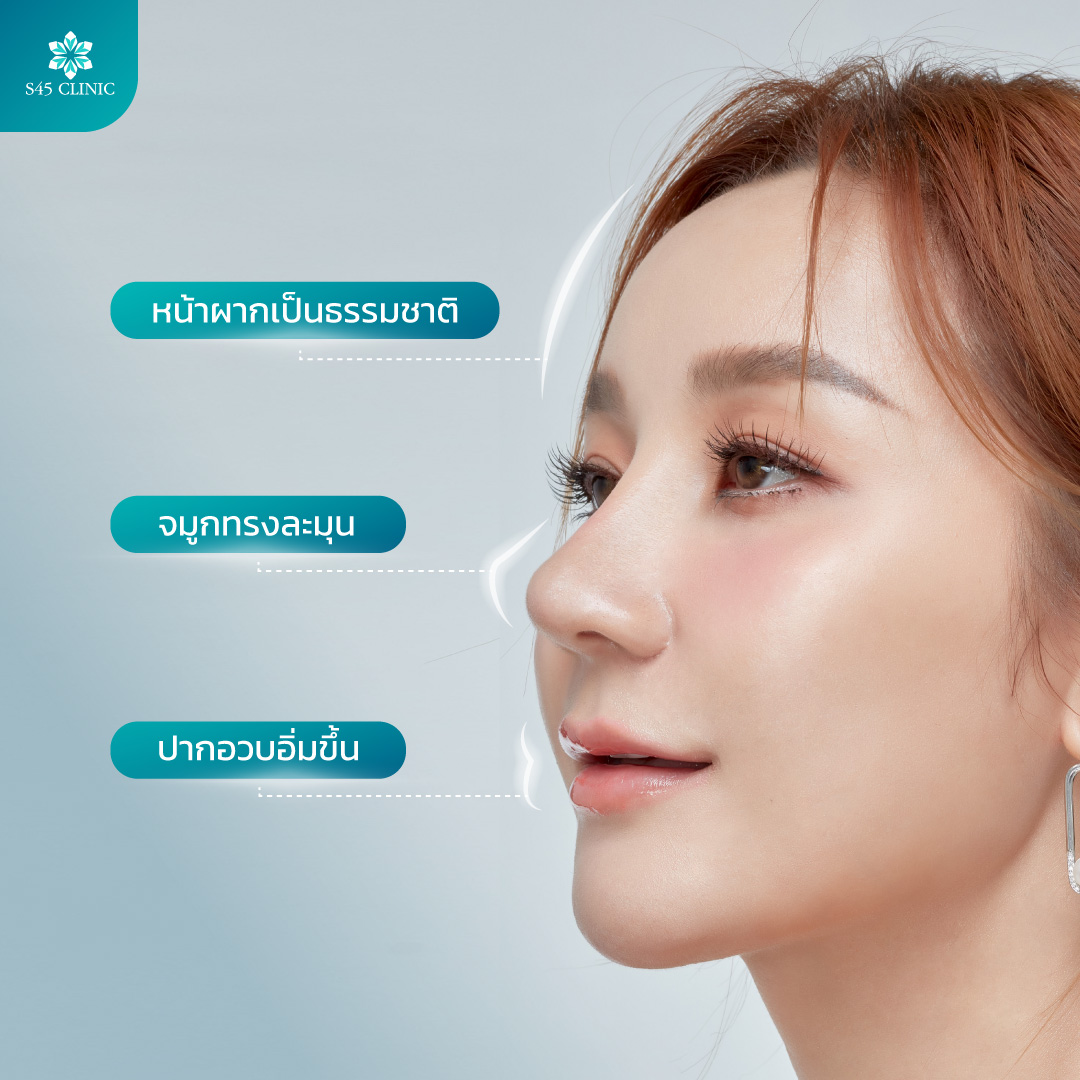
Forehead augmentation can help add definition to the face, give the forehead a softer shape with a smooth curve, and make the bridge of the nose look higher.
Medical techniques have developed a lot, and there are now 3 types of forehead augmentation: filler injections, fat grafting using your own fat, and forehead augmentation with a silicone implant. Each of the 3 types gives different results.
Planning forehead augmentation and wondering whether aftercare is difficult? Here are the answers
How to Look After Yourself After Forehead Augmentation
- Use cold compresses as often as you can, especially in the first 2 days after forehead augmentation, to reduce swelling.
- Get enough rest. Sleep on your back with high pillows, and avoid sleeping on your front or side for at least 7 to 10 days.
- Avoid getting the wound wet, and avoid washing your hair for at least 10 days.
- Avoid touching, holding or moving the forehead area for 1 month.
- Keep the bandage on for 3 days in a row. On day 4, come to the clinic to have the bandage changed, then keep it on for another 7 days.
- Have your stitches removed 10 days after forehead augmentation.
- Avoid exercise for at least 1 month.
- Avoid undercooked food, pickled and fermented food, seafood, salty food and all foods traditionally avoided after surgery in Thailand for about 1 month.
- Avoid alcohol and smoking for 1 to 3 months.
- Go to every appointment with your doctor so your progress can be closely followed.
Preparing for Surgery
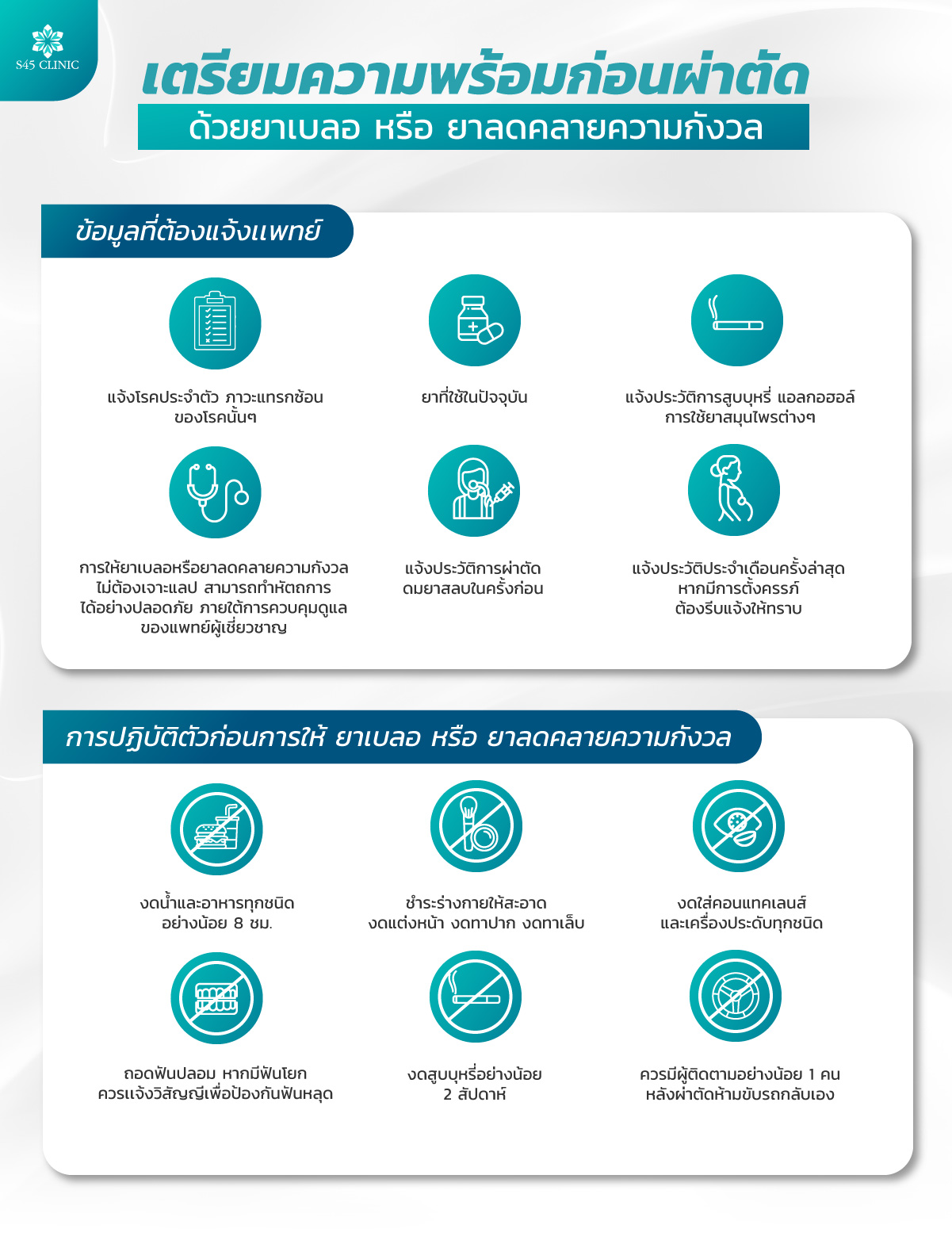
Preparing for Surgery With a ‘General Anaesthetic’

Preparing for Surgery With ‘Sedation’
If you are planning or preparing for rhinoplasty, you can have it at the same time as forehead augmentation, which helps the surgeon plan the design of your face in more detail. If you plan to have rhinoplasty after forehead augmentation, tell the surgeon, so the forehead can be designed to suit your new nose in the future, which can help avoid having to reshape or redo the forehead later.
For forehead augmentation, the doctor assesses the implant size and how prominent the forehead should be for each person, depending on the technique used, either a ready-made or a custom silicone implant, and plans where the implant will sit and where the incision will be under the hairline, so you understand the plan too