How Old Do You Have to Be to Get a Nose Job? A First Rhinoplasty Guide for Gen Z at S45 Clinic
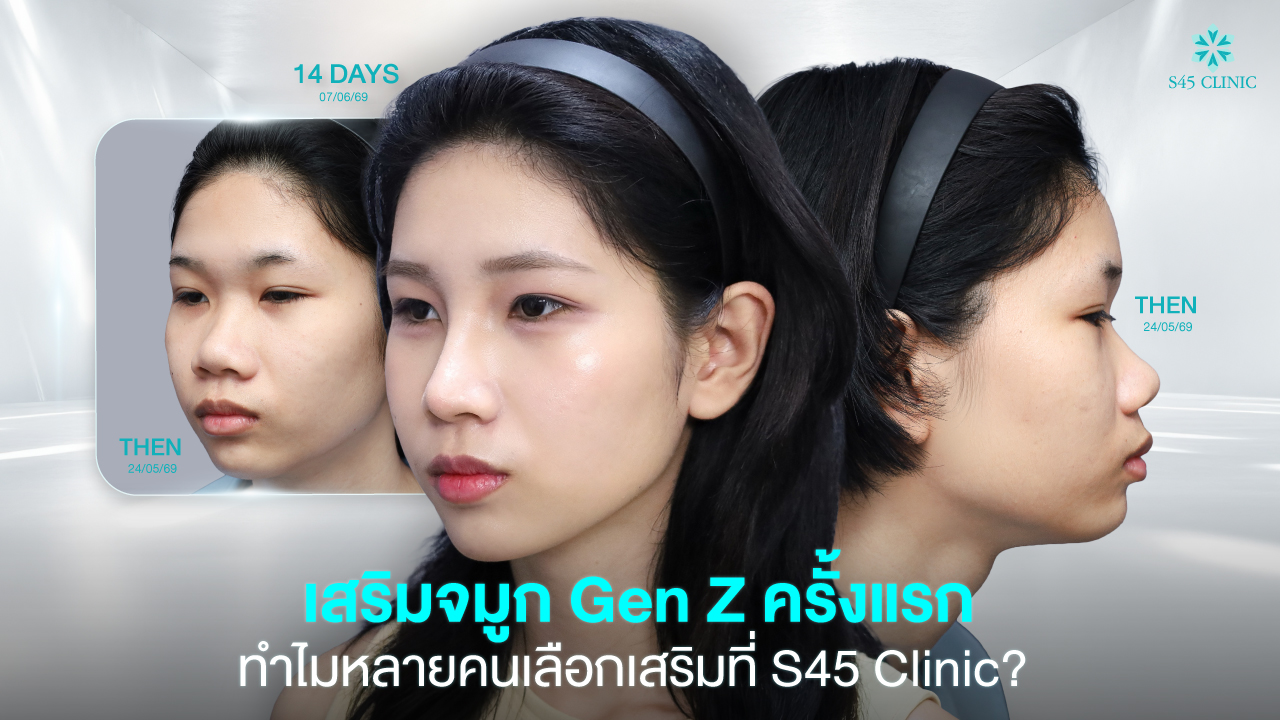
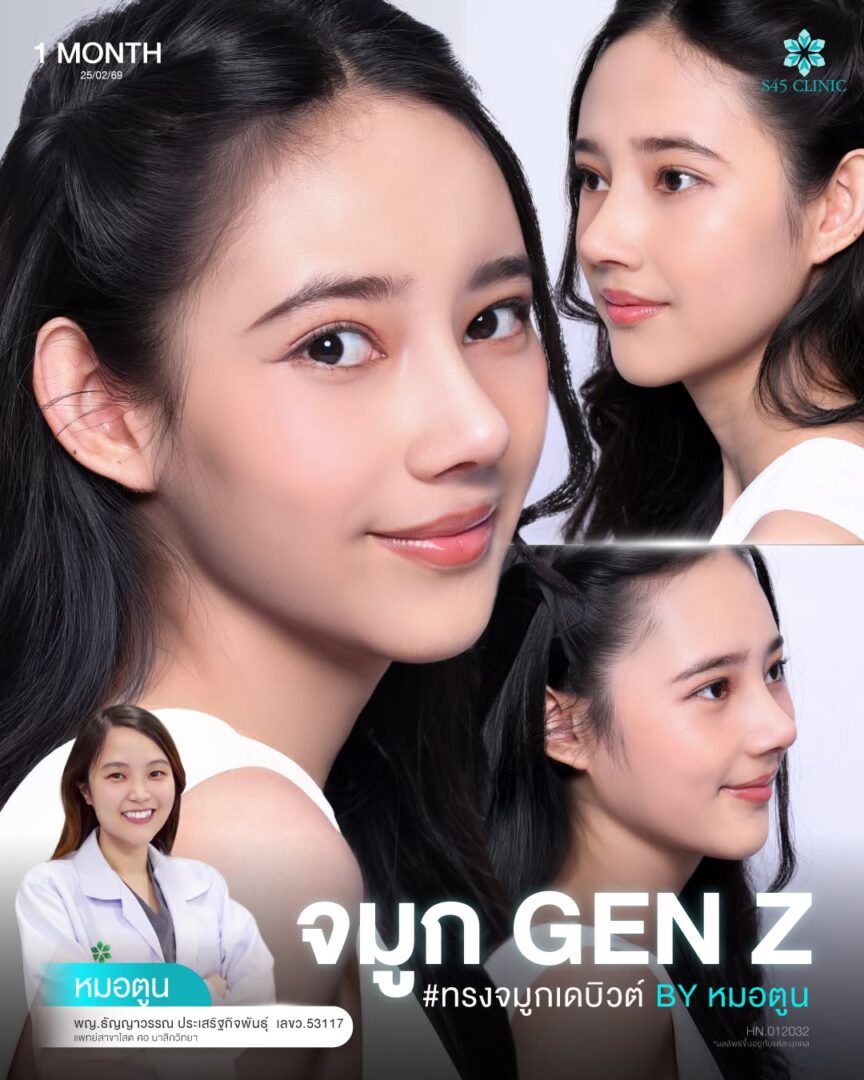
For Gen Z, a first rhinoplasty does not mean changing your face so you look like a different person. It means designing a nose shape that suits you better, both in person and in photos. This may mean adding definition to your face, adjusting the proportions so they look more balanced, or helping your overall look feel more confident, while you still look like yourself.
But a nose shape that looks good in reviews may not suit every face, because each person has a different nasal structure, nasal tip, skin condition, thickness of nasal tissue and facial proportions. Planning your first rhinoplasty should not start only with choosing a shape that is on trend. It should start with an assessment of your actual structure, so the technique and shape can be chosen to suit you as an individual.
This article looks at where to start if you want a first rhinoplasty as part of Gen Z, how to choose a shape that suits your face, who the semi-open technique may suit, and what to know before you decide on your first rhinoplasty.
What Is a ‘Fresh-Faced Nose’ and Why Does Gen Z Want a Nose Shape That Still Looks Like Them?
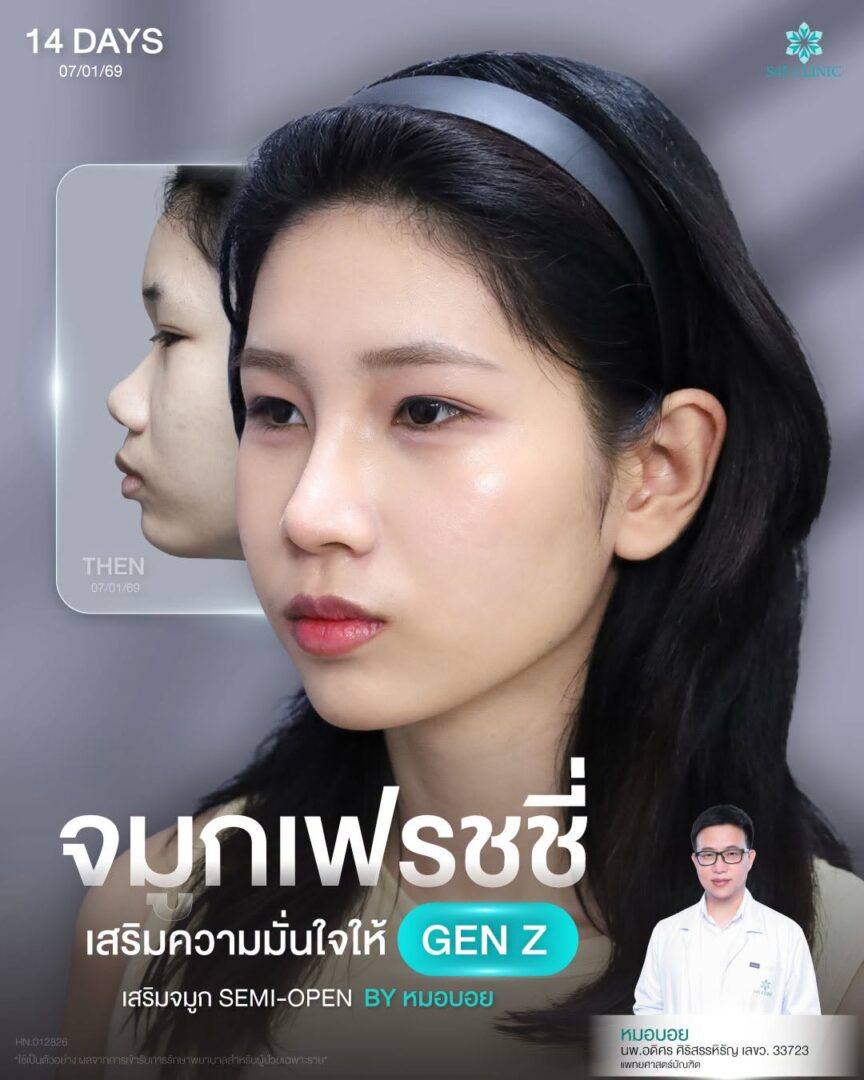
A ‘fresh-faced nose’ is not a medical term, but it describes what many younger people want: a nose that looks like their own and suits their existing personality.
A Fresh-Faced Nose Is Not Just a Higher Nose, It Has to Suit Your Face
Many people start by saying “I want a higher nose”. But when they talk through the details, what they want may not only be a higher bridge. Some people want their face to look more defined, some want a softer nasal tip, and others want their nose to suit their face better in photos.
A nose shape that suits your face depends on several points at the same time, including the bridge, the nasal tip, the nasal base, the nostrils and your overall facial proportions. If you focus only on the height of the bridge, the shape you get may stand out too much compared with the other features of your face.
Why Gen Z Often Likes a Sloping Bridge and a Soft Nasal Tip
A sloping bridge with a soft nasal tip is a shape many people are interested in, because it looks soft and not too harsh. The line of the bridge slopes down gradually before it joins the nasal tip smoothly, which helps the nose not to contrast too much with the rest of the face.
However, this shape does not suit everyone in the same way. The surgeon needs to check how much your existing nasal structure can support, how thick or thin the skin at the nasal tip is, and how the length of your nose relates to your face. The surgeon therefore needs to assess each person before planning the operation.
A First Rhinoplasty Should Start With Looking at Your Existing Nasal Structure
Before you choose a shape from review photos, start by understanding your own nose. For example, is your bridge low, is there a dorsal hump (a bump on the bridge), is your nasal tip round, upturned or drooping, how wide is your nasal base, and does the skin on your nose have any limitations?
This information affects both the nose shape you choose and the technique that suits you. In some cases only the bridge is adjusted, in others the nasal tip also needs attention, and some cases may need several parts of the structure assessed before a decision is made.
Is Semi-Open Rhinoplasty Suitable for a First Rhinoplasty?
Semi-open rhinoplasty is one of the techniques people talk about more among those interested in a first rhinoplasty, because it helps the surgeon plan both the bridge and the nasal tip in more detail. But this does not mean it suits everyone.
How Does Semi-Open Rhinoplasty Help Plan the Bridge and the Nasal Tip?
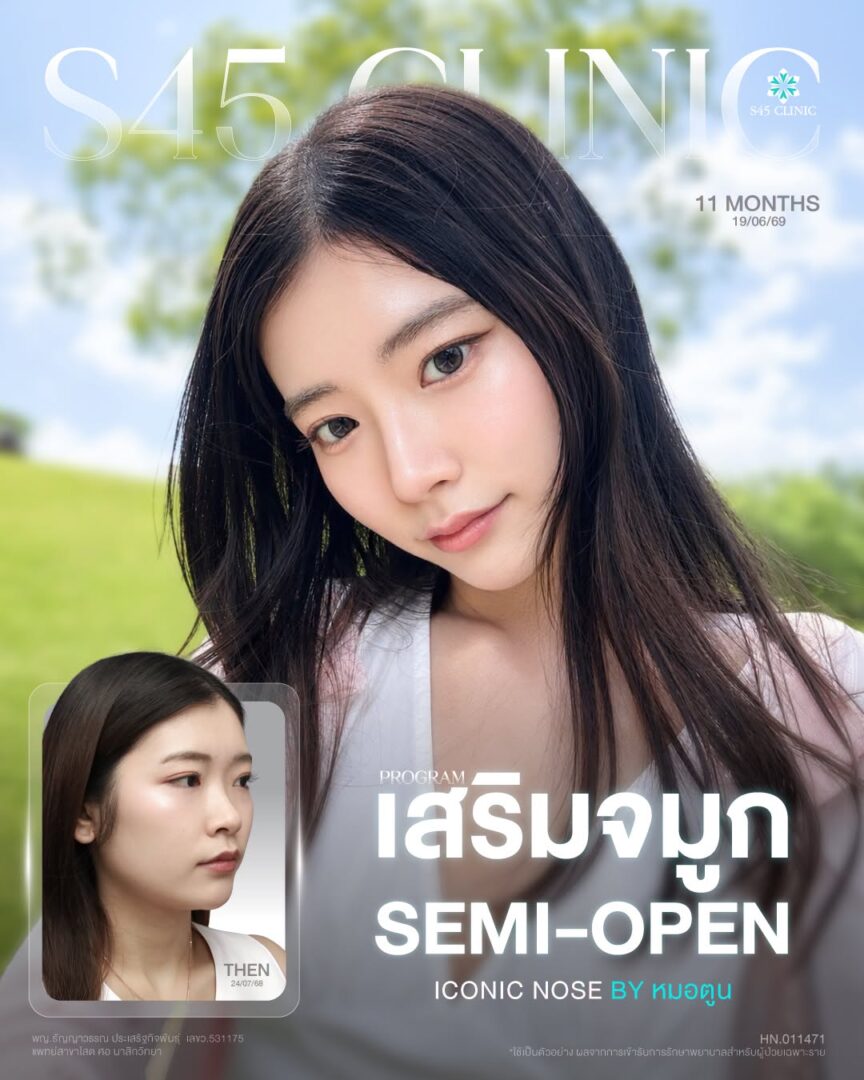
Semi-open rhinoplasty is an approach that lets the surgeon assess and plan the bridge and the nasal tip together in more detail, compared with looking at the bridge alone. This makes it suitable for cases where the bridge and tip need to look more in proportion with each other.
If you want a soft nose shape that is not harsh, or a sloping bridge with a soft nasal tip, assessing the nasal tip is very important, because the tip affects how your whole face looks from many angles.
Which Cases May Suit Semi-Open Rhinoplasty?
Semi-open rhinoplasty may be considered in some cases, such as when you:
- want the bridge and the nasal tip planned together
- want a shape that looks soft and suits your face
- are having a first rhinoplasty and your existing structure is not very complex
- want the surgeon to assess the details of the nasal tip more closely before designing the shape
However, do not choose a technique from its name alone, because the right technique has to come from an assessment of each person’s nose and face.
Why Not to Choose a Technique Only From Reviews or Trends
Review photos help you picture the nose shape you want, but they should not be the main reason for choosing a technique, because every nose is different, including the nasal structure, the bridge, skin thickness, nasal tissue and the nasal tip.
Review photos should therefore be a way to show what you like, not the final answer when choosing a shape or technique. What matters more is that the surgeon assesses whether your nasal structure can support that shape properly.
How to Prepare Before Planning Your First Rhinoplasty
Preparing before your consultation with the surgeon helps make the conversation clearer, because many people only know that they want rhinoplasty but are not yet sure which part they want to change or what they are particularly worried about.
Bring Photos of Nose Shapes You Like and Do Not Like
It is useful to bring photos of shapes you like, but photos of shapes you do not like are just as important. Sometimes saying “I do not want a harsh shape” or “I do not want the tip to project too much” helps the surgeon understand the limits of what you want more clearly.
Look at the Features of Your Own Nose Before Your Consultation
Before your consultation, look at your nose in the mirror and note which parts you are not happy with. For example, is your bridge too low, is your nasal tip too round or too upturned, is your nasal base wide, or from which angle does your nose not suit your face in photos?
Knowing your own concerns first helps you talk to the surgeon more directly, and helps the surgeon plan a nose shape that better suits your wishes and your individual limitations.
Tell the Surgeon Your Full Health History and Concerns Before Planning
Before planning rhinoplasty, give full information about your health, such as any medical conditions, medicines you take, drug allergies, previous operations or procedures, and your personal concerns, such as worries about swelling, a harsh shape or the wound.
This information helps the surgeon assess which technique, materials and aftercare suit you in more detail. Do not hold back important information, because it may affect the plan and your care after the procedure.
How Old Do You Have to Be to Have a Consultation About Rhinoplasty?
Age is a question many people ask, especially those who are still at school or about to start university, because many people become interested in rhinoplasty from a young age. The decision is not based on age alone. It also depends on how ready your body is, your nasal structure, your facial proportions and the surgeon’s assessment of you as an individual.
Wait Until Your Nasal Structure Has Developed Enough
In general, the surgeon considers whether your nasal structure and facial proportions are ready, because if your face is still changing, the result after rhinoplasty may change as your face continues to grow.
If you are young, do not decide based only on wanting it. Have a consultation together with your parent or guardian, so the surgeon can assess whether it suits you, the limitations and the care plan for you as an individual first.
If You Are Under the Legal Age of Adulthood, a Parent or Guardian Needs to Be Informed
If you are under the legal age of adulthood, a parent or guardian should come to hear the information with you, so you both fully understand the details of the assessment, the limitations, the possible risks and the care after rhinoplasty before you decide.
The documents needed may differ depending on each healthcare facility’s process. For example, the patient’s national ID card, a consent form from a parent or guardian, or attending the consultation with the surgeon together, so the decision is made carefully and suits the individual.
Does Rhinoplasty Hurt, How Long Does Swelling Last and When Can I Get Back to Normal Life?
If you are planning a first rhinoplasty, your worries are often not only about the nose shape. Many other questions follow, such as “Will it hurt a lot?”, “How long will my face be swollen?” or “How many days do I need off school or work?”, because many people want to plan ahead for their study timetable, work schedule, travel and self-care afterwards.
In general, recovery after rhinoplasty differs from person to person. It depends on many factors, such as the technique used, your existing nasal structure, skin condition, tissue and how you care for yourself afterwards. Treat the timeframes in reviews or from people around you as general information only, and let the advice of the surgeon who is caring for you come first.
When Will the Nose Shape Show Clearly?
In general, the nose starts to soften and the shape settles around 3 to 6 months after the procedure. The result you see in the first month is therefore not the final picture yet. Wait until at least 6 months have passed.
Want to Know Which Nose Shape Suits Your Face?
At S45 Clinic, our surgeons look at your actual nasal structure before recommending a shape. There is no ready-made shape that is given to everyone, only a plan designed for your face.
At S45 Clinic, our surgeons start by assessing your nasal structure, skin condition, nasal tip and actual facial proportions before recommending a shape, because rhinoplasty that suits your face should be planned around each person’s limitations and wishes.