Thin Alae and Alar Rim Grafts, Can the Alae Be Made Thicker?

Whether the alae are thick or thin is a physical trait that varies from person to person. It comes from many factors, including genetics, cartilage structure, tissue and fat, and muscle, which make the thickness of the alae different in each person.

Thin alae can be corrected with medical techniques
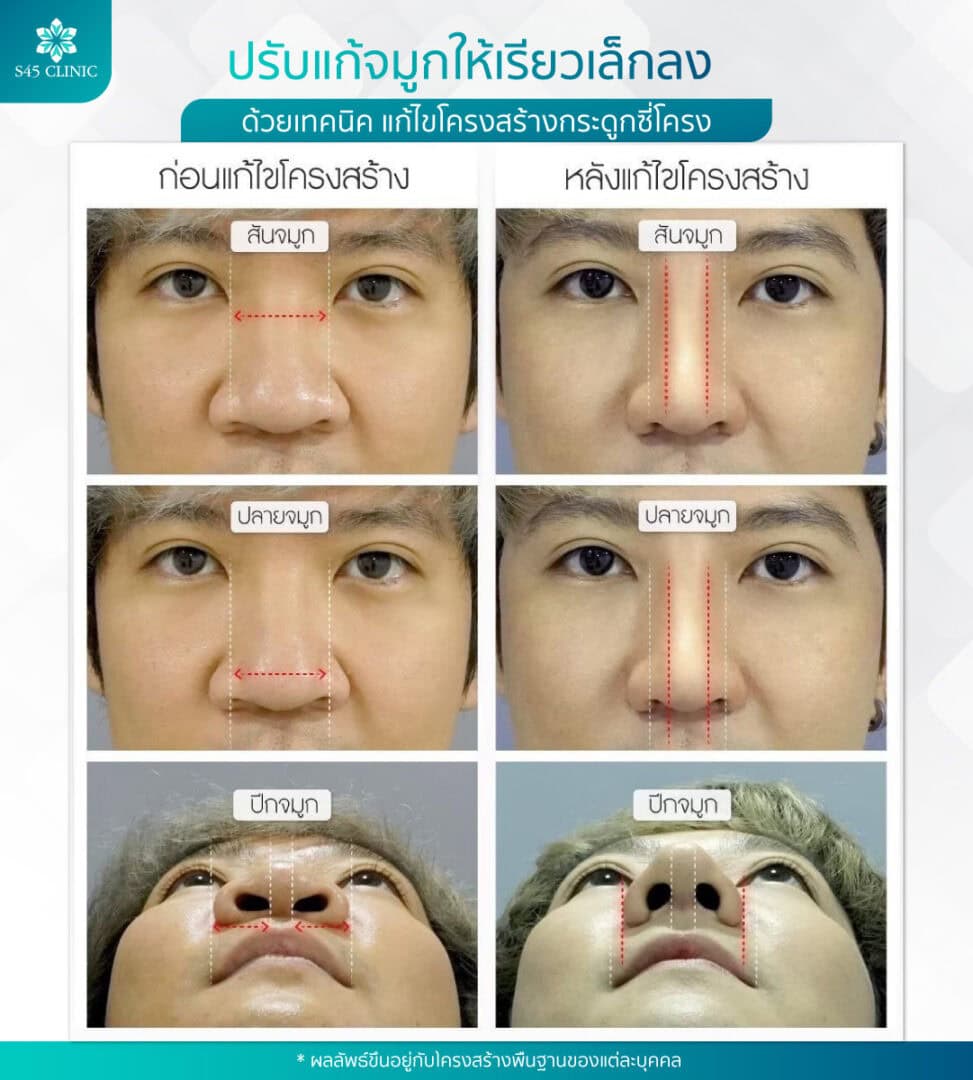
Uneven alae can be caused by an uneven or deviated lower septum, which makes the alar cartilages attach unevenly and leaves the nostrils crooked.
If you have had rhinoplasty before and your alae were made thinner with alar base reduction, the surgeon needs to make a detailed diagnosis to reshape the nose and plan your care, choose a suitable way to add tissue to the alae, and consider whether adding more nasal tissue is possible.

The alae can be rebuilt using tissue from another part of the body, ear cartilage or a medical material placed in the thin alae to make them thicker again. Each technique relies on the surgeon’s experience, with safety as the priority.
Rhinoplasty and alar base reduction (alarplasty) should be done by an experienced surgeon, to lower the chance of the alae becoming too thin or misshapen, or other effects that lead to more complex revision surgery and higher costs. Before deciding on rhinoplasty, take time to understand it in detail.
Flared alae, a flat nasal bridge or a bulbous nose can be reshaped by a surgeon at S45 Clinic, who may be able to make the alae smaller and the bridge higher, giving the face more definition, depending on each person.