Before Plastic Surgery, What to Know About Rhinoplasty to Lower Health Risks

With plastic surgery, rhinoplasty, facial contouring and other procedures, one common worry is whether the result will be what you want. Most people decide to have surgery for personal reasons, such as illness, imbalance, wanting to change or reduce a problem with their body shape, or wanting to feel more confident and more satisfied with their appearance. Whatever the reason, plastic surgery can play a part in making a change and helping you enjoy life more.
Rhinoplasty, forehead augmentation, facelifts and reducing some areas of the body are no longer limited by gender. People of any gender can have plastic surgery if they wish, without holding back or feeling embarrassed. Society today is more open and accepting of plastic surgery, as it is seen as one way of looking after yourself so you can live with confidence and happiness.
“We usually feel more confident when we are healthy in mind and body, which improves how we present ourselves. This confidence often helps us feel happier and be more successful”
However, plastic surgery also carries a risk of anxiety, both physical and emotional, as some people may feel unhappy or unsure during recovery, for example:
Some people who have rhinoplasty may worry too much about the shape and fear the result will not be what they wanted or will not suit their face, especially when others say it does not look good or point out problems here and there. Before rhinoplasty, the surgeon will explain that it takes at least 4 to 12 months for the nose to settle into the shape you want (depending on the technique). During that time, you will gradually see changes. In some people, the nose may look too projected or still swollen (the tissue has not yet tightened around the framework), because the tissues have not yet healed together. In the early stage, the surgeon builds the structure to allow for it to settle, and it improves as the wound heals.

- 60% at 4 to 6 months: the swelling inside and outside the structure goes down
- 80% at 8 months: the shape of the nose starts to show more clearly
- 100% at 1 year: the nose usually settles into its shape, the swelling in the structure has gone and the shape no longer changes
If you worry about those comments, it can cause stress and affect your mental health.
This is especially true for people having surgery on several areas or reshaping the whole face at once, who may feel particularly anxious. Read up carefully before deciding, or ask the surgeon for advice first.

Plastic surgery carries a risk of infection, injury to nearby areas, facial swelling and bruising, slow recovery and other problems, all of which depend on each person’s health. Some people may get no side effects or only a little swelling and bruising, and may not need a long recovery.
For this reason, surgeons usually ask for a detailed health check before surgery, especially for procedures that need a general anaesthetic.
Common Symptoms After Open Rhinoplasty
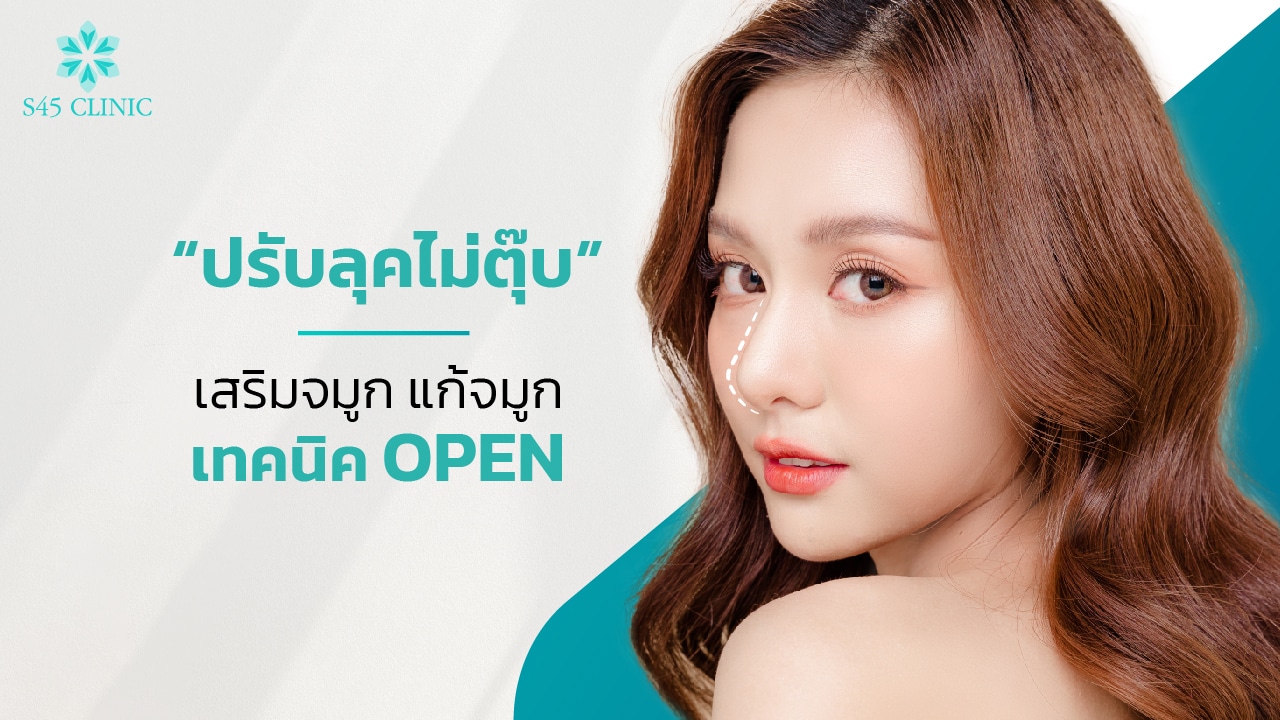
Rhinoplasty today uses several techniques, including closed rhinoplasty and open rhinoplasty, depending on the surgeon’s experience. Both types involve different steps. In open rhinoplasty, an incision lets the surgeon see the nasal structure clearly, including the framework, the septum, the nasal cartilages and the tip. This method can address problems directly and help shape the nose, especially for people with a crooked nose, a dorsal hump or other problems with their original structure.

Who Is Open Rhinoplasty Suitable For?

- People who want more tip projection and have thin nasal tissue
- People who want a slim nasal bridge or a dorsal hump reduced (especially men)
- People who want to reshape the nose, for example when the tip is too thick for the face
- People who want a softer nose shape, such as a teardrop tip
- People with uneven, tilted or crooked nostrils, or difficulty breathing
Advantages of Open Rhinoplasty

- Lower chance of implant extrusion (the implant pushing through the skin)
- Addresses problems directly
- The shape can be adjusted to what you want, such as a teardrop tip (depending on the surgeon’s diagnosis together with your wishes)
- Problems with the nasal structure can be corrected effectively, including reconstruction for people with health problems or injuries that cause a twisted or crooked nose, or nasal valve narrowing
Open rhinoplasty needs a general anaesthetic and takes a fair amount of operating time (depending on each person’s problem). After open rhinoplasty, there may be a risk of complications such as wound infection, inflammation from accidental knocks to the nose, bleeding or itching at the wound, and pain, swelling or tightness around the nose. You also need time to rest while the nose settles, so follow the surgeon’s advice on self-care closely to help get a good result.

How to Look After Yourself After Open Rhinoplasty to Help the Shape Settle
Touching or knocking the nose can cause infection or inflammation. Mistakes in daily life, such as with food, drinks or sex, can lead to inflammation, a poor shape, infection and other problems. So look after yourself well after open rhinoplasty.
- If you have a headache or pain in the nose within 24 hours, take painkillers together with all the medicine the surgeon prescribed, as directed.
- Use cold compresses for the first 1 to 2 days after rhinoplasty to reduce swelling, and start warm compresses from around day 4 or 5 to reduce bruising.
- Sleep on your back with your head raised on pillows. You may also use a neck pillow to avoid knocking your nose by accident while you sleep.
- Avoid exercise or any activity that jolts the body up to the nose for at least 1 week, such as running, jumping, swimming and sex (internal link to article 2).
- Avoid places with dust or smoke, or anywhere that may make you sneeze or cough.
- Avoid foods traditionally avoided after surgery in Thailand, pickled and fermented foods, hot pot, Thai barbecue, grilled food, spicy food, alcohol and smoking.
- Do not wear glasses (if you need glasses, ask the surgeon when you can wear them again).
- Take care if you have a runny nose (if you have a health condition such as allergies, tell the surgeon so they can advise you).
S45 Clinic takes care with every case. The surgeon advises on and designs a nose shape that suits each person, every instrument and piece of equipment is carefully chosen, and our surgeons are experienced in aftercare and nose reshaping