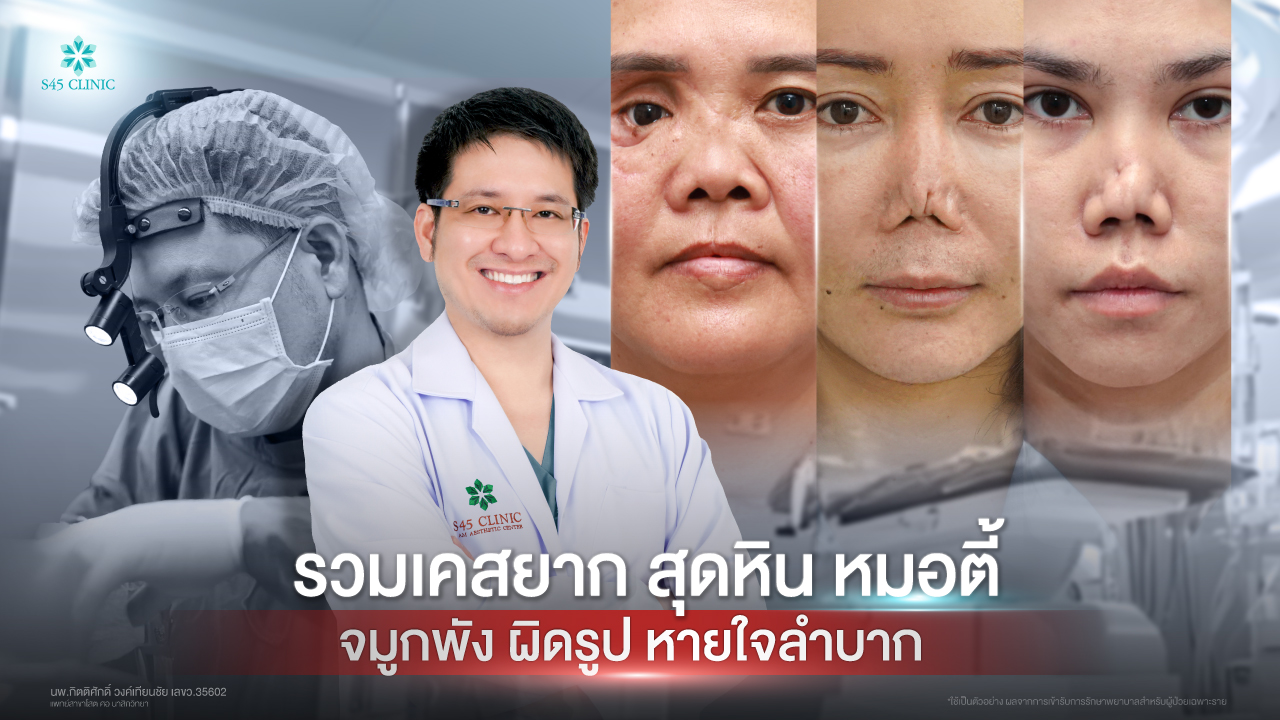
Botched Nose Job, How to Prevent a Collapsed Nose After Surgery

A collapsed nose after surgery is a complication that can happen after nose surgery, where the nose looks misshapen and not as you wanted, or you may have problems breathing. If you are considering nose surgery, it helps to be prepared and to know how to prevent it.
Main Causes of a Collapsed Nose After Surgery
1. Choosing an Unsuitable Surgeon
- lack of experience in nose surgery
- no licence from the Medical Council
- use of an unsuitable technique
- no training in the specific field
2. Using Unsuitable Materials
- Silicone that does not meet quality standards may cause infection or rejection.
- The body rejects the implant, causing inflammation.
- The implant is placed in the wrong position, which distorts the shape.
3. Incorrect Care After Surgery
- not following the surgeon’s advice
- doing activities that could knock or jolt the nose
- infection from not keeping the area clean
4. Behaviours and Health Factors That Can Affect Surgery
- Smoking slows healing and raises the chance of infection.
- Long-term health conditions, such as diabetes and immune deficiency.
- Allergies to medicines may cause unwanted reactions.
Signs of a Collapsed Nose to Look Out For
- a high temperature that does not go away
- unusual swelling and redness
- pus coming out
- unusually strong pain or stinging
- a bad smell from the nose
- a nose that is tilted or curved in an unusual way
- a bridge that is not straight
- a nasal tip that points unusually up or down
- difficulty breathing
- an uneven shape

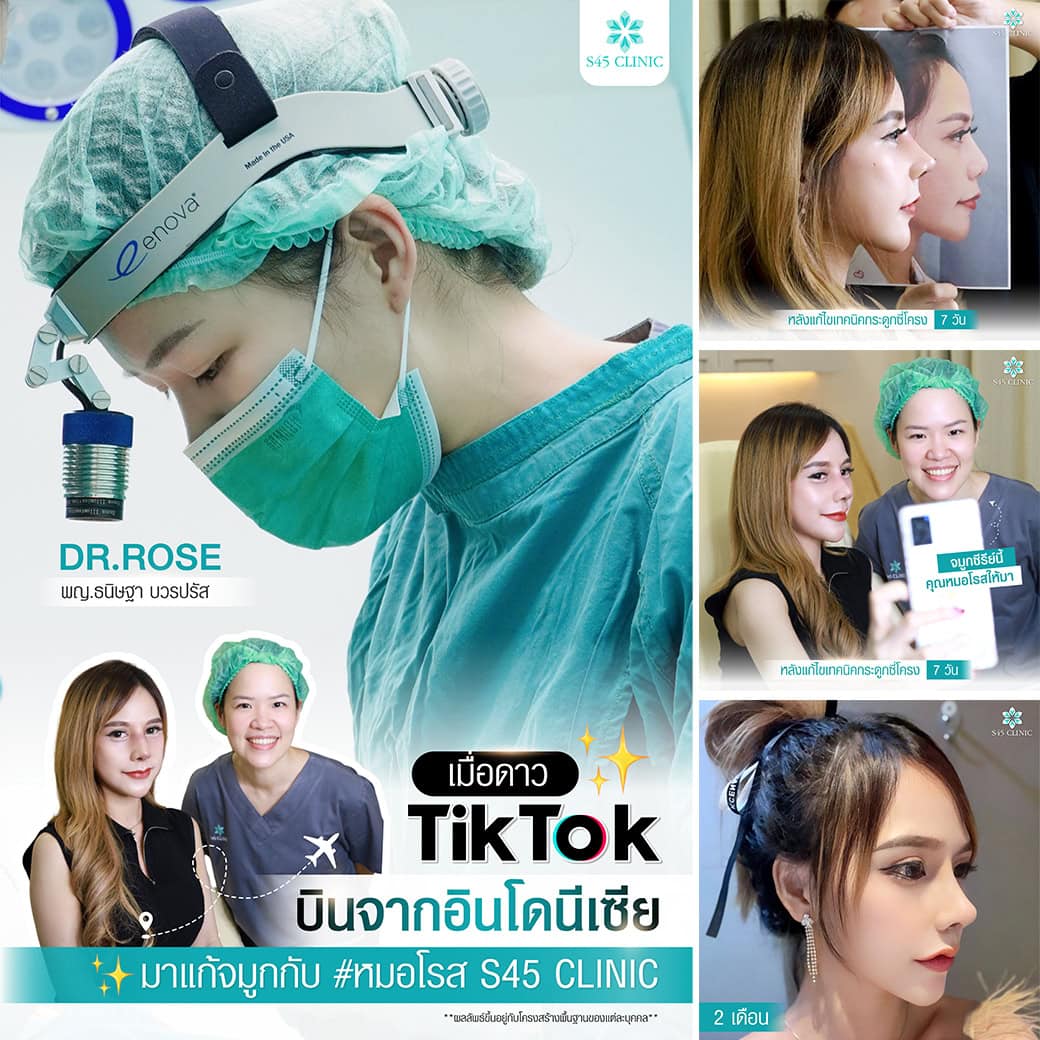

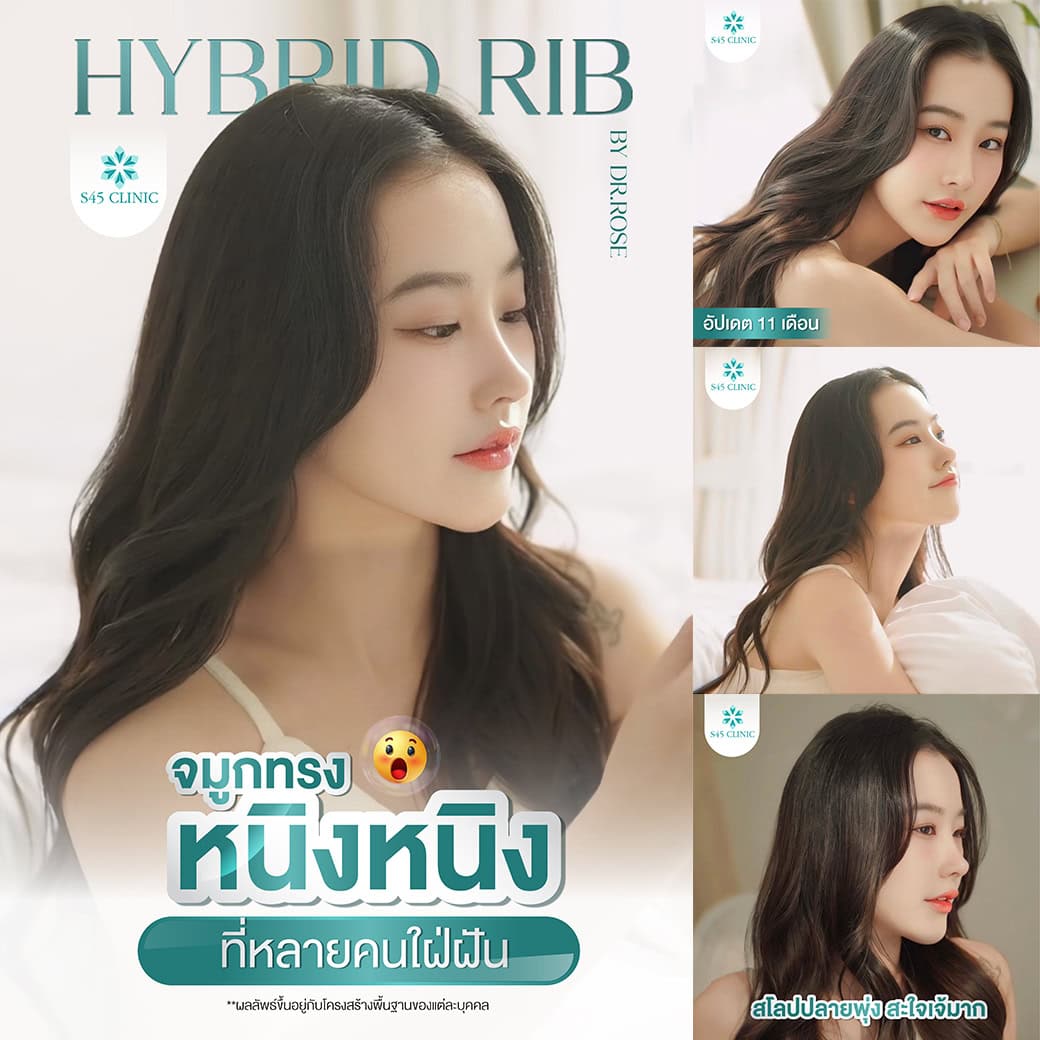
How to Avoid Needing Revision for a Collapsed Nose After Surgery

- check the surgeon’s medical licence
- look into the surgeon’s education and training
- choose a surgeon with experience in plastic surgery and in rhinoplasty
- choose a surgeon who has performed nose surgery for at least 5 years
Questions to Ask the Surgeon
- How many years of experience do you have in nose surgery?
- Can I see examples of your previous work and the nose shapes you usually do?
- Which technique will you use for rhinoplasty or revision rhinoplasty in my case?
- What risks and complications could happen?
- What happens if there is a problem after rhinoplasty?
What Can I Eat After Rhinoplasty?
- protein, such as chicken, fish and eggs, which helps build new tissue
- vitamin C, such as oranges, limes and guava, which helps the body make collagen
- vitamin A, such as carrots and broccoli, which helps repair the skin
- omega 3, such as short mackerel and salmon, which helps reduce inflammation

Foods to Avoid
- very salty food, which increases swelling
- very spicy food, which may irritate the wound
- alcoholic drinks, which affect blood clotting
Frequently Asked Questions (FAQ)
How Much Does Revision Rhinoplasty Cost?
The cost of revision rhinoplasty depends on each person’s problem, which the surgeon considers in detail, so the price may differ from case to case.
Can a Collapsed Nose Be Corrected?
It can often be corrected. The surgeon assesses you and chooses a technique that suits each person.
How Can I Avoid a Collapsed Nose?
Choose an experienced surgeon, look after yourself well after surgery and follow the surgeon’s advice closely.
Will Insurance Pay to Correct a Collapsed Nose?
It depends on the insurance and the cause. If it is a complication of surgery, it may be covered. However, check the terms with the insurance company that holds your policy.
How Long Does It Take to See the Results of Revision Rhinoplasty?
It may take 6 to 12 months.
Preventing a Collapsed Nose After Surgery Is Very Important, so Choose an Experienced Surgeon and Look After Yourself Properly After Surgery, and If You Notice Anything Unusual, See a Doctor Straight Away
Note: Repeat nose surgery, which many people know as ‘revision rhinoplasty’, is surgery for people who have had nose surgery before and need a further assessment by a surgeon. The approach to care depends on the original problem, the nasal structure and the surgeon’s judgement in each case.