Nasal Reconstruction for Difficult Cases by Dr. Ty at S45 Clinic
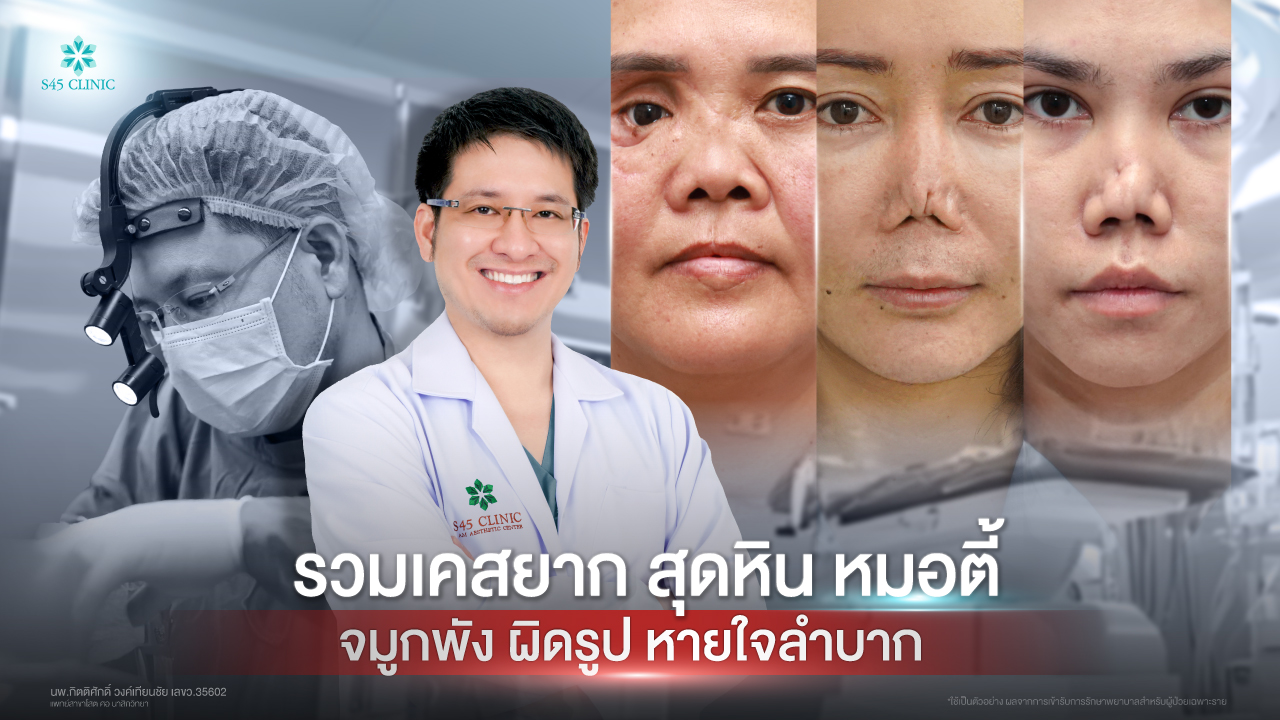
Deciding to have rhinoplasty or reshape the structure of your nose is a sensitive matter that needs careful thought, especially if your existing structure has been damaged, or you are looking for information about rhinoplasty or want to reshape the structure of your nose to fix a long-standing problem.
The surgeons at S45 Clinic are ready to care for complex cases, because we believe that “caring for difficult cases” is one reflection of a surgeon’s experience.
Why Do Complex Nose Cases Need an Experienced Surgeon?
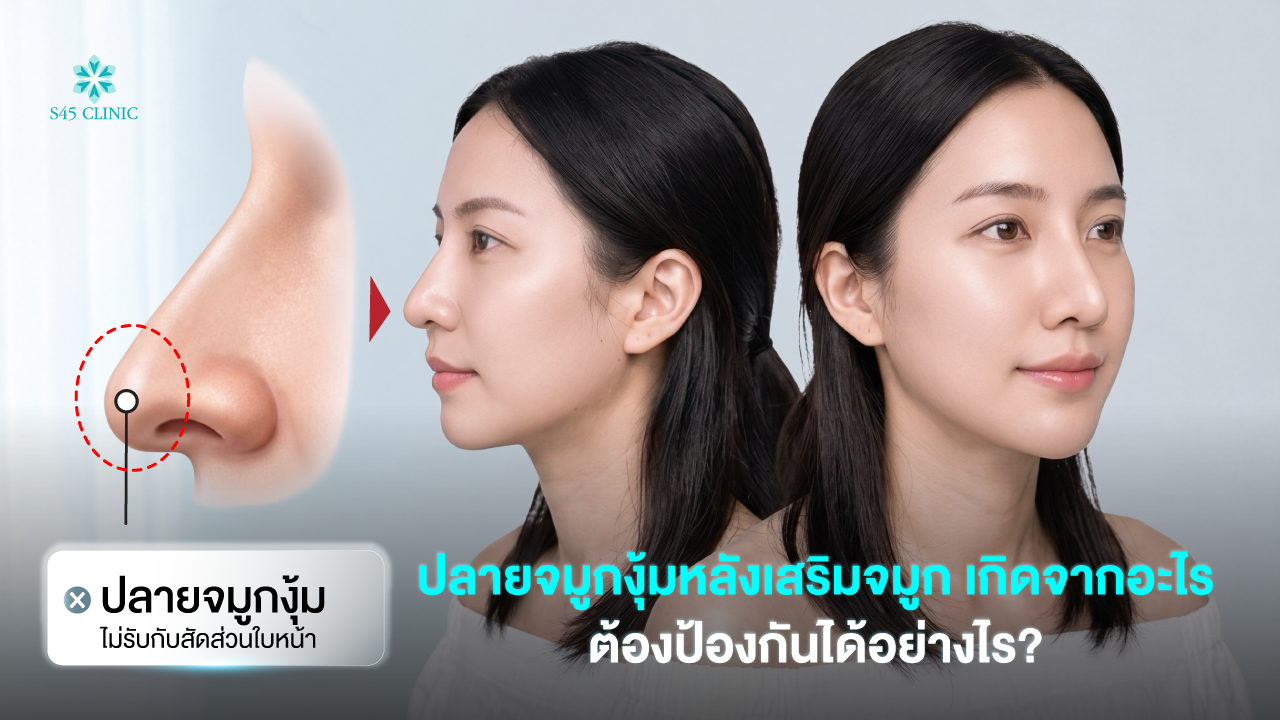
Cases where the existing structure is damaged and has been reshaped several times often come with built-up scar tissue and an internal structure that has become more complex. Correcting these problems needs an experienced surgeon. Dr. Ty (นายแพทย์กิตติศักดิ์ วงค์เทียนชัย, ว.35602) at S45 Clinic focuses on assessing, planning treatment and caring for complex cases in a systematic way, and on analysing the existing structure from every angle, so the treatment approach matches the problems of each case. These problems include:
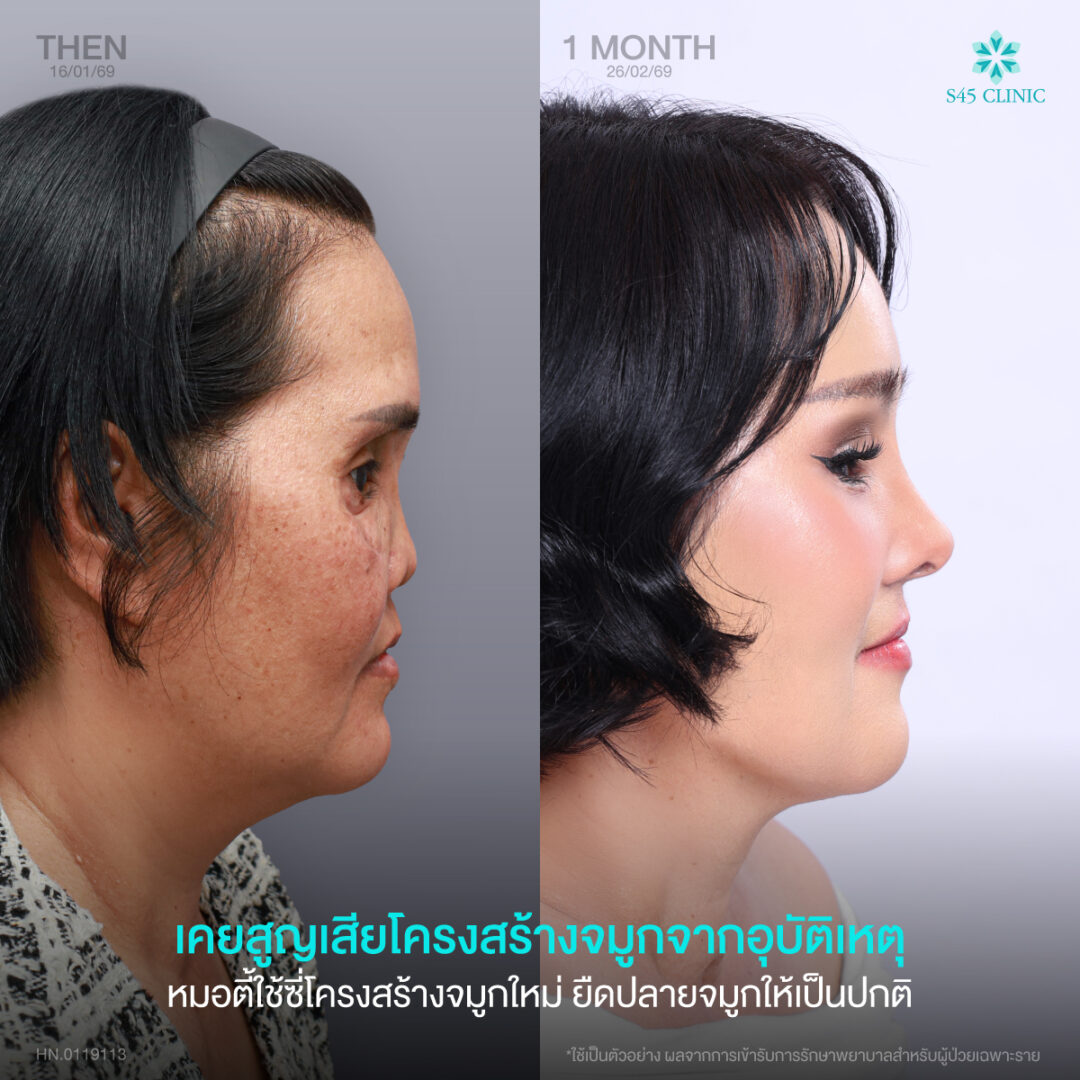
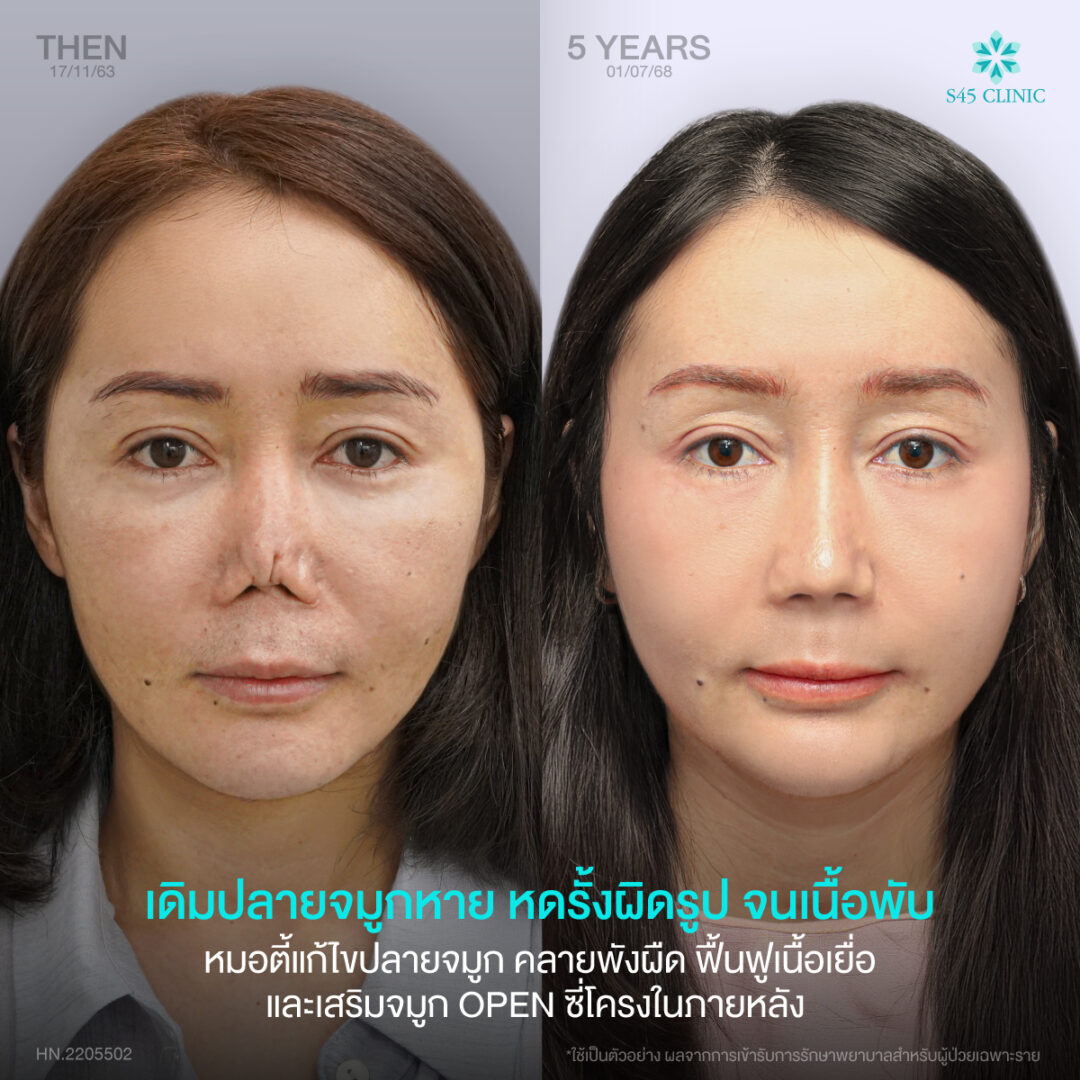
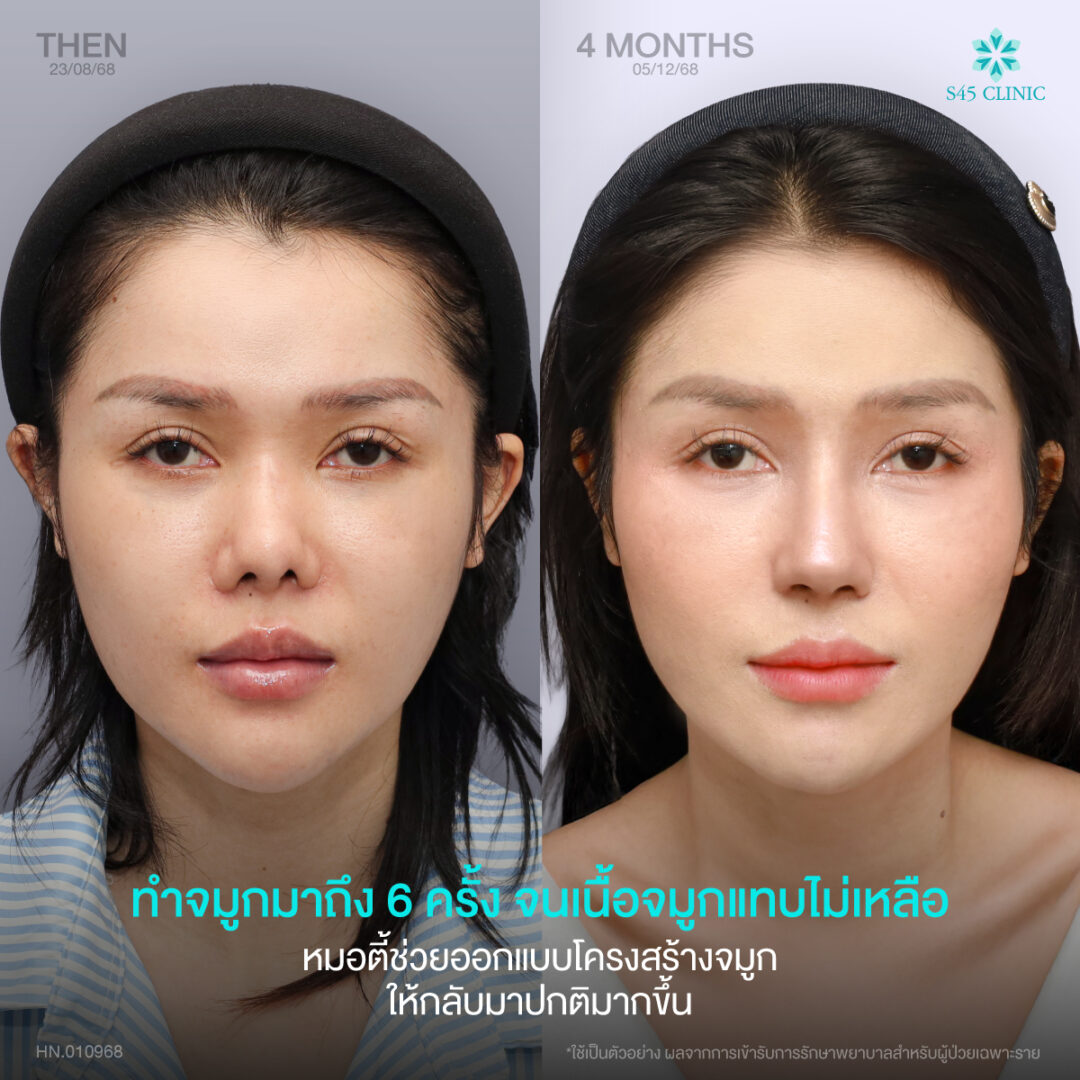
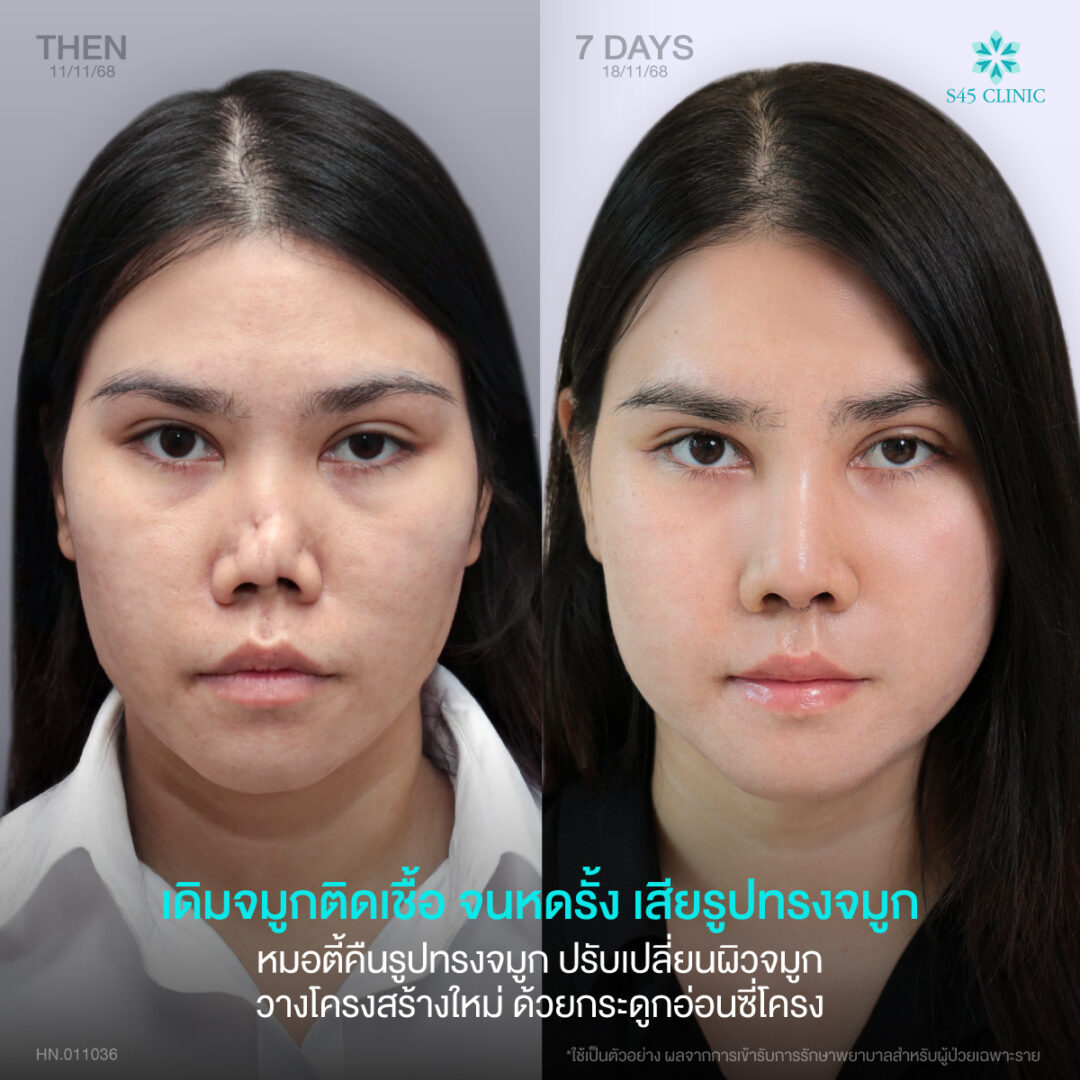
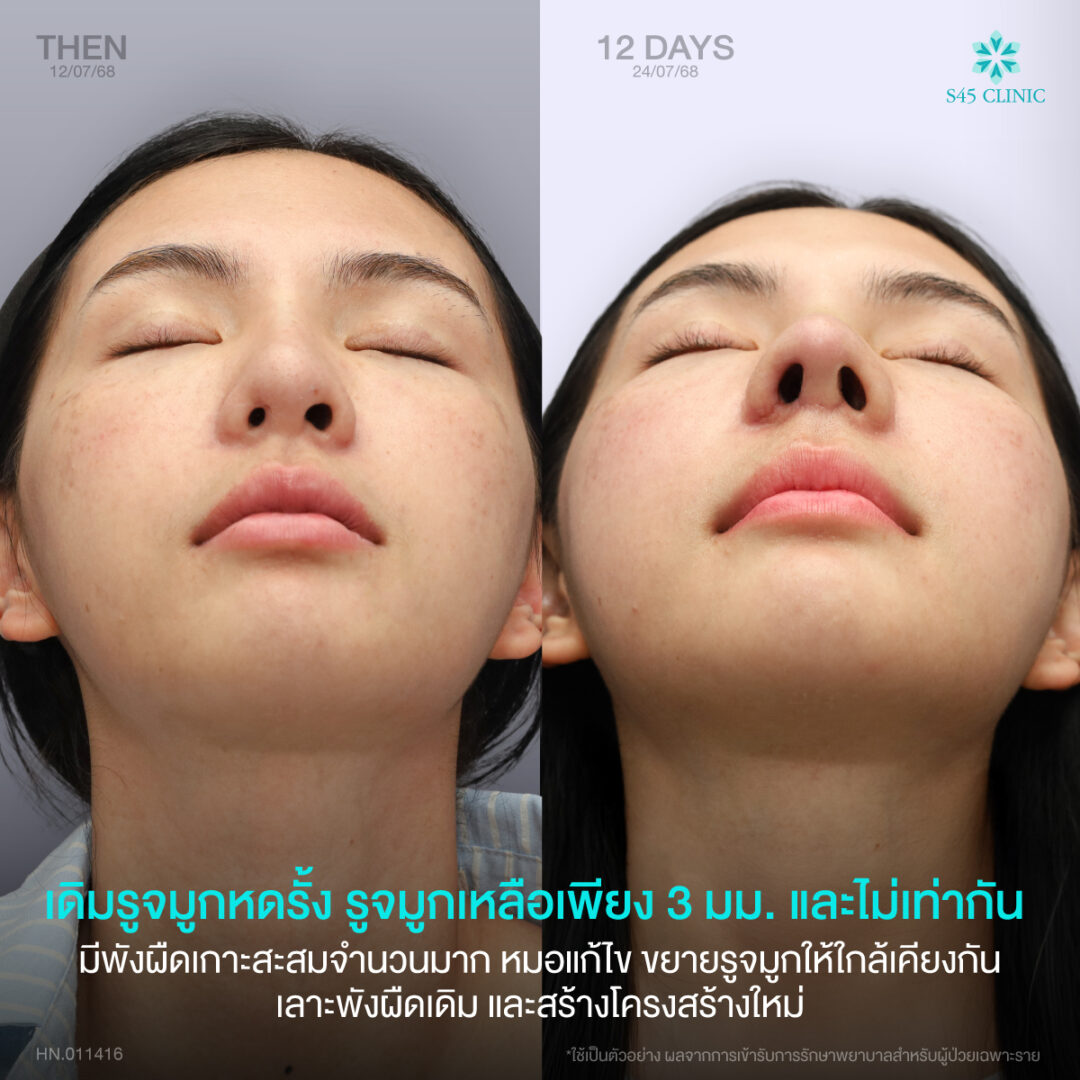
- a misshapen, short or contracted nose with built-up scar tissue
- several previous structural revisions that have damaged the nasal structure
- thin nasal soft tissue
- a deviated septum
- a hole in the septum (septal perforation)
Why Difficult Rhinoplasty Cases May Need Open Rhinoplasty With Rib Cartilage at S45 Clinic
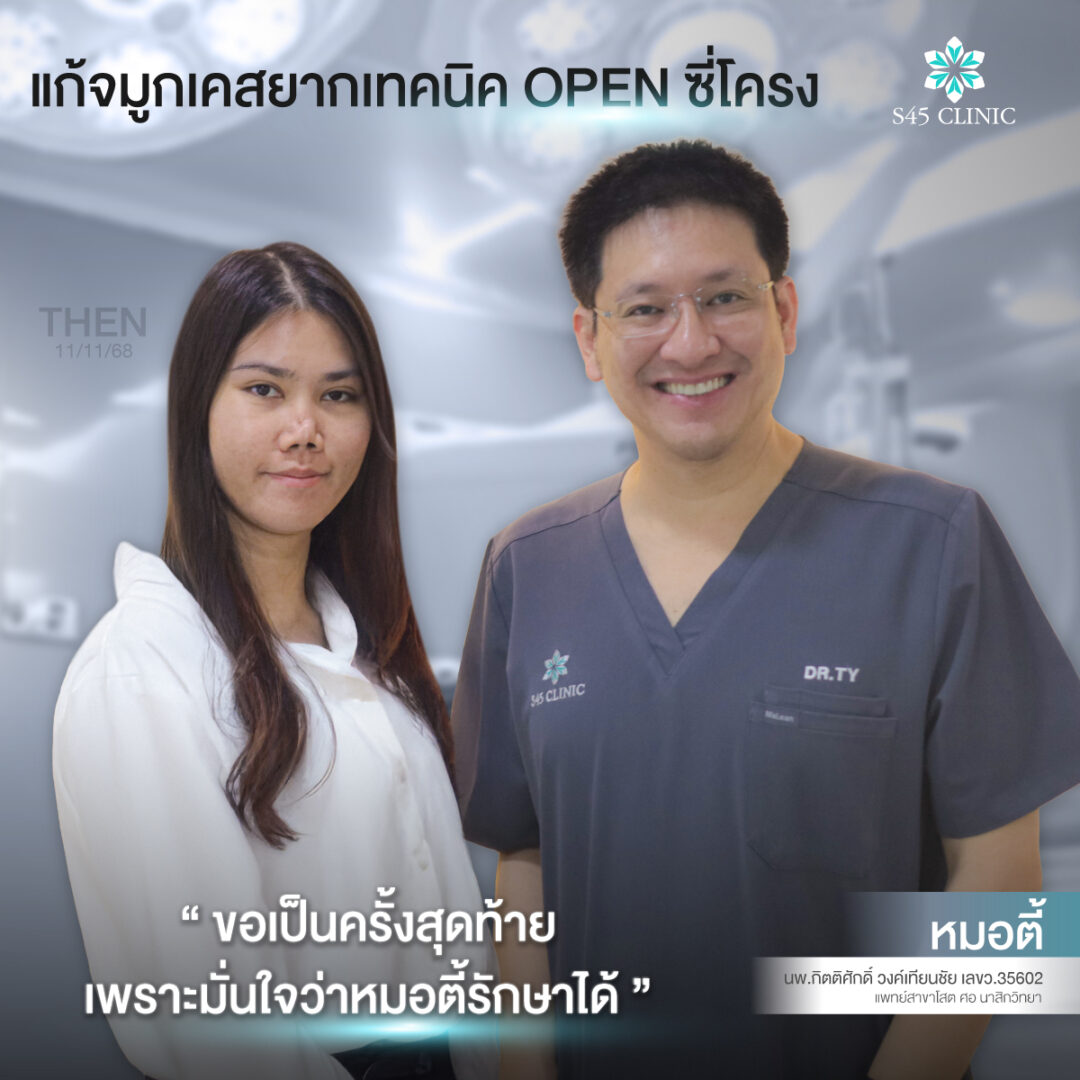
For people who have had rhinoplasty before and now have a damaged existing structure, a silicone implant alone often cannot be used to reshape the nose as in a typical case. Care therefore needs to be planned by looking at the current structure from every angle, to choose an approach that suits each person. Rib cartilage can offer:
- A strong nose and a stable structure: there is plenty of rib cartilage and it is strong, so it can lengthen the nasal structure and give more height and projection than ear cartilage or a silicone implant can, especially in cases with little nasal soft tissue or a very short nose.
- Correcting implant extrusion: because the material is your own tissue, the projection of the nasal tip can be designed without the risk of silicone implant extrusion.
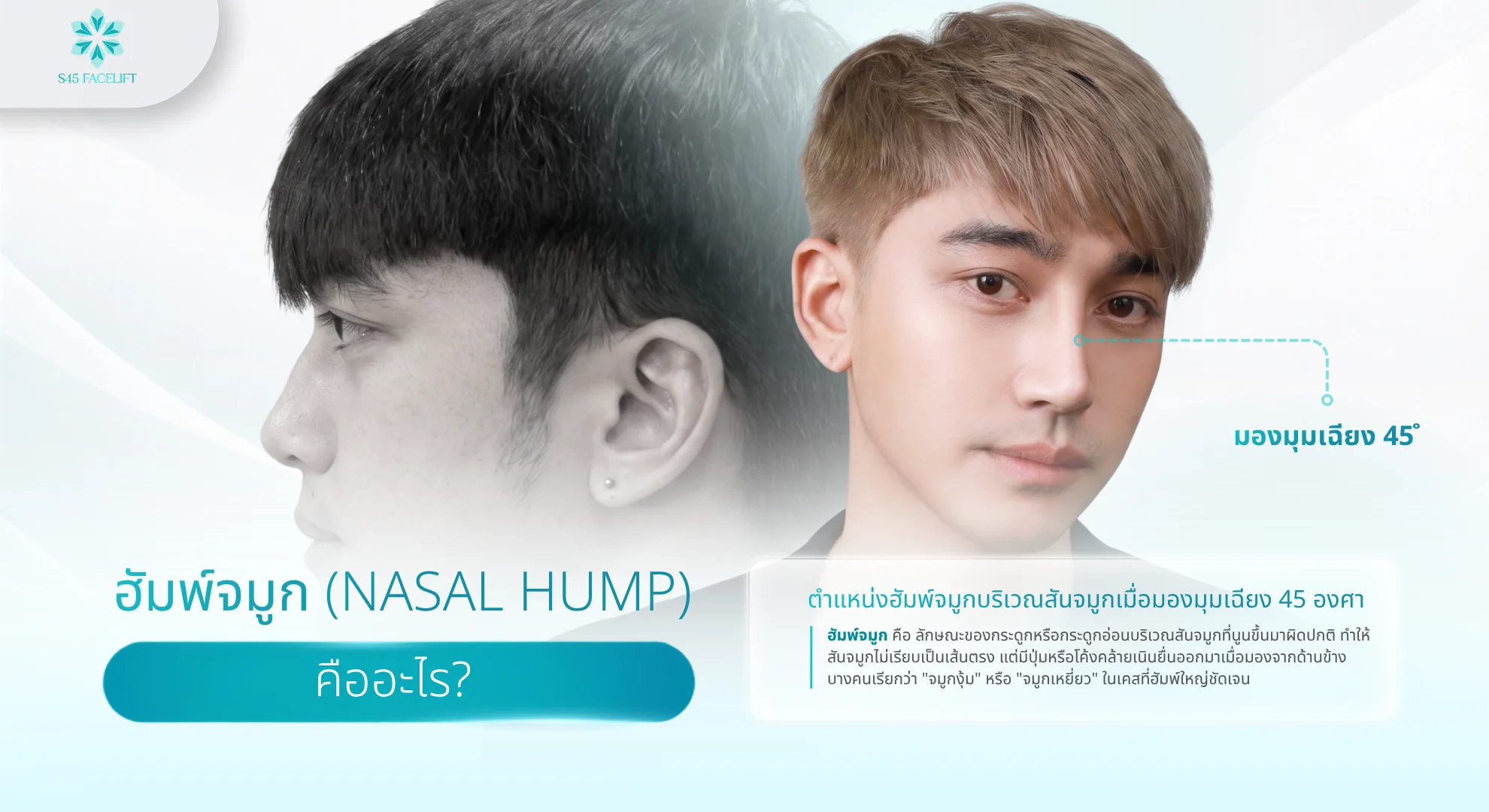
- Detailed structural correction: open rhinoplasty lets the surgeon see the internal structure clearly and correct a tilted nasal base, a crooked structure or a high dorsal hump directly.
However, open rhinoplasty with rib cartilage is a complex technique that needs an experienced surgeon, and recovery takes longer than standard rhinoplasty.
Open Rhinoplasty With Rib Cartilage for a Balanced Result
Today, open rhinoplasty is one of the options that lets the surgeon adjust the structure inside the nose in detail, especially in complex cases or cases that have had surgery before.
In addition, in cases where the existing structure is quite badly damaged, structural surgery with open rhinoplasty using rib cartilage is another approach that helps lower the chance of problems coming back in the future, because it corrects the internal structure rather than only reshaping the outside.
Suitable treatment planning from the start by an experienced surgeon is therefore an important factor in helping the result stay balanced and last over the long term.
The S45 Original Nose Shape by Dr. Ty
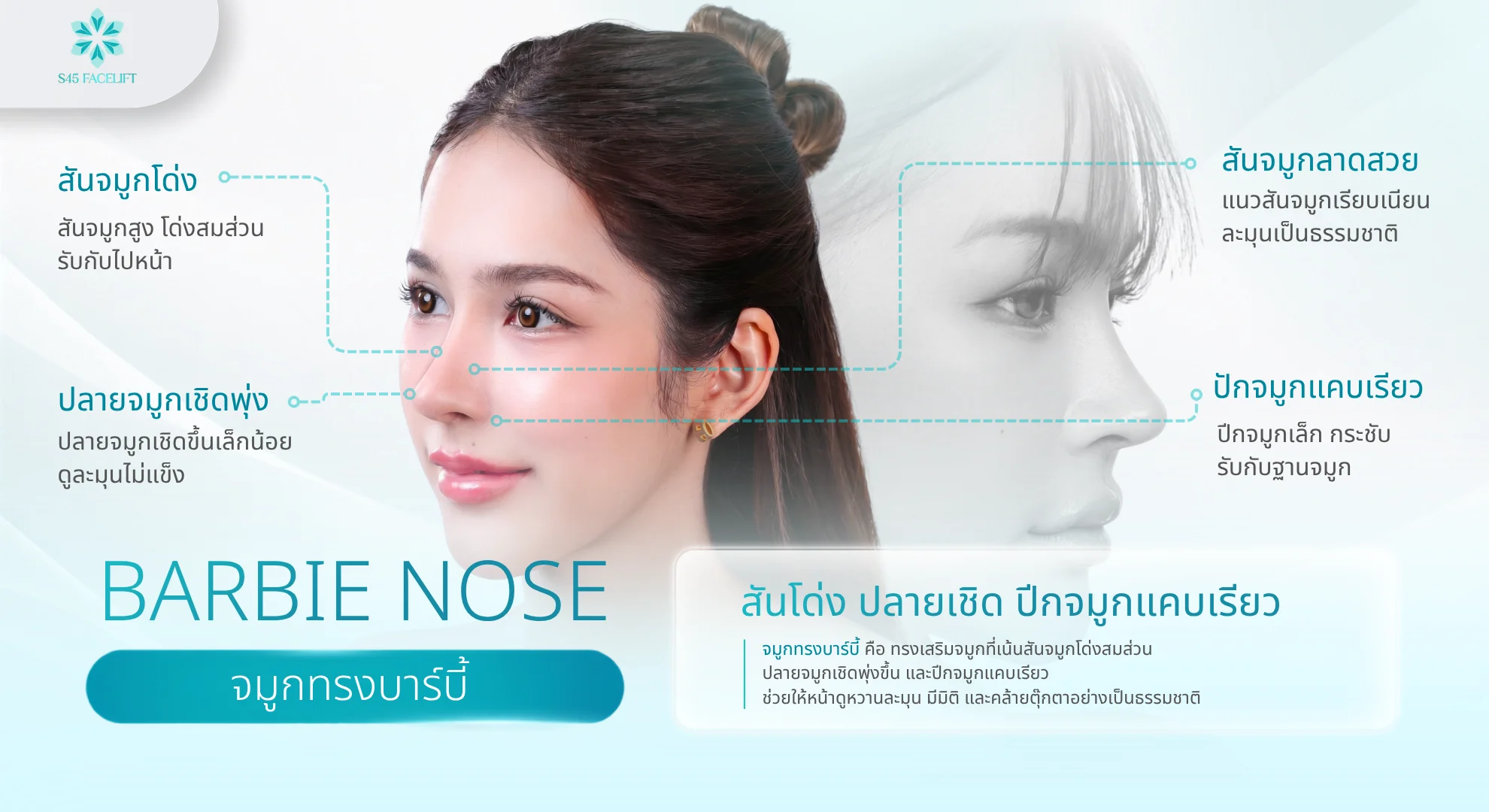
Suitable beauty is beauty that suits the proportions of each person’s face. Nose surgery is not just following trends. The S45 Original nose shape by Dr. Ty is therefore designed with your overall facial structure in mind, including your forehead, cheekbones and chin, for a result that is balanced for each person.
Frequently Asked Questions Before Deciding on Revision Rhinoplasty
“Reveal the beauty within you” Reveal your hidden beauty
If you are concerned about the shape of your nose or would like a consultation about reshaping your face,
contact us through the channels below to ask about a facial assessment or book an appointment.
Note: Revision rhinoplasty, which many people know as “nose reshaping”, is surgery for people who have had nose surgery before and need a further assessment by a surgeon. The approach to care depends on the original concern, the nasal structure and the surgeon’s judgement in each case.