Chronic Sinusitis and Whether You Can Have Revision Rhinoplasty

With chronic sinusitis, symptoms clear with medicine but keep coming back, causing headaches, a tight feeling in the forehead, a blocked nose, difficulty breathing and constant thick mucus, so you may look for a way to treat it. Can surgery for it be done together with ‘revision rhinoplasty’? Treatment needs the nose structure to be checked and diagnosed by an experienced surgeon, especially in complex revision rhinoplasty cases with complicated sinus problems.
What Is Chronic Sinusitis?
The sinuses are air-filled spaces in the facial bones. There are 4 pairs (8 sinuses):
- maxillary sinuses, under the cheeks beside the nose (the largest)
- frontal sinuses, above the eyebrows
- ethmoid sinuses, between the eyes beside the nasal bridge
- sphenoid sinuses, deep at the back near the base of the skull
What the Sinuses Do
- reduce the weight of the skull (solid bone would be very heavy)
- help adjust the temperature and moisture of the air you breathe in
- help the voice resonate
- protect the brain from impact (acting as a cushion)
The Difference Between Sinusitis and Chronic Sinusitis
Acute sinusitis is caused by a viral infection (a cold) or bacteria and lasts less than 4 weeks. Medicine and enough rest can help the symptoms improve, and it can clear up on its own.
Chronic sinusitis keeps coming back after it clears, with symptoms lasting more than 12 weeks, or 3 months in a row. Medicine may not work, so the cause needs to be found and treated appropriately, such as with surgery (if medicine does not clear it).
Symptoms of Chronic Sinusitis
- a blocked nose and difficulty breathing
- thick yellow to green mucus running down the throat (post-nasal drip)
- a bad smell (noticed by you and by others)
- headaches and pain in the forehead or cheeks (only in the inflamed area)
- loss of smell (anosmia) or a distorted sense of smell
- tiring easily and feeling weak (because of poor breathing)
- snoring and poor sleep (because of a blocked nose)
Causes of Chronic Sinusitis
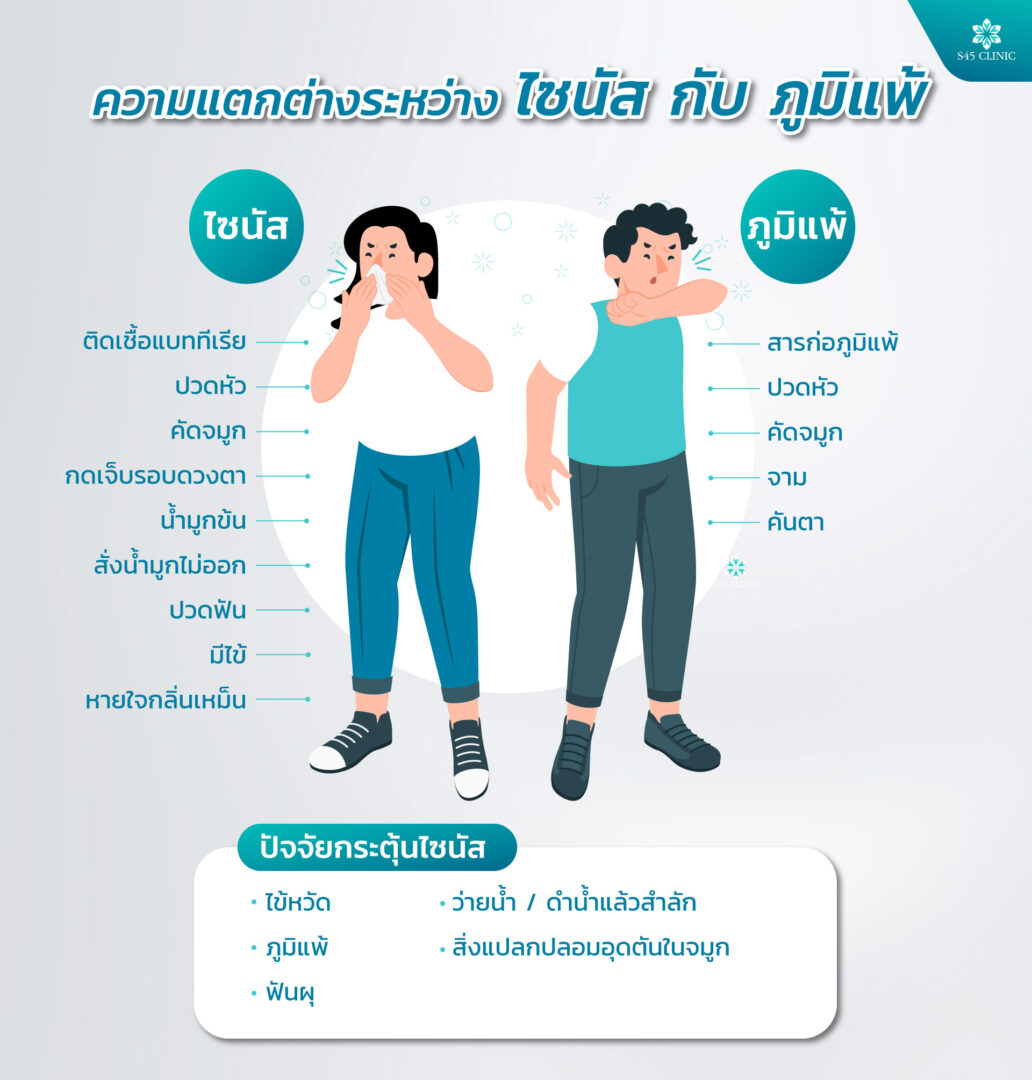
- An abnormal nose structure (70% of patients), such as a deviated septum, which causes chronic sinusitis because:
- one air passage is narrow, so air does not flow well
- the channels that drain mucus from the sinuses are blocked, so mucus collects in the sinuses
- germs breed easily, causing repeated inflammation
- Enlarged turbinates (turbinate hypertrophy) that block the air passages, often caused by allergies or overusing nasal sprays
- Nasal polyps, chronically inflamed growths in the nose or sinuses that block sinus drainage so mucus collects
- Allergies and immune conditions
- allergic rhinitis, where the nasal lining swells and produces a lot of mucus
- allergic fungal sinusitis, an allergy to fungi that causes a reaction in the sinuses
- immune disorders, where the immune system does not work normally
- Repeated infections from bacteria that form a protective film around themselves, so medicine does not help, and fungi in the sinuses
- Unavoidable exposure to a toxic environment, such as smoking, which makes mucus collect, air pollution, dust, smoke and chemicals
- Exercise or some activities, such as swimming often, which lets chlorine and water into the sinuses
How Revision Rhinoplasty Can Help Sinusitis
Open revision rhinoplasty can help with sinus problems if they are caused by an ‘abnormal nose structure’. This can include:
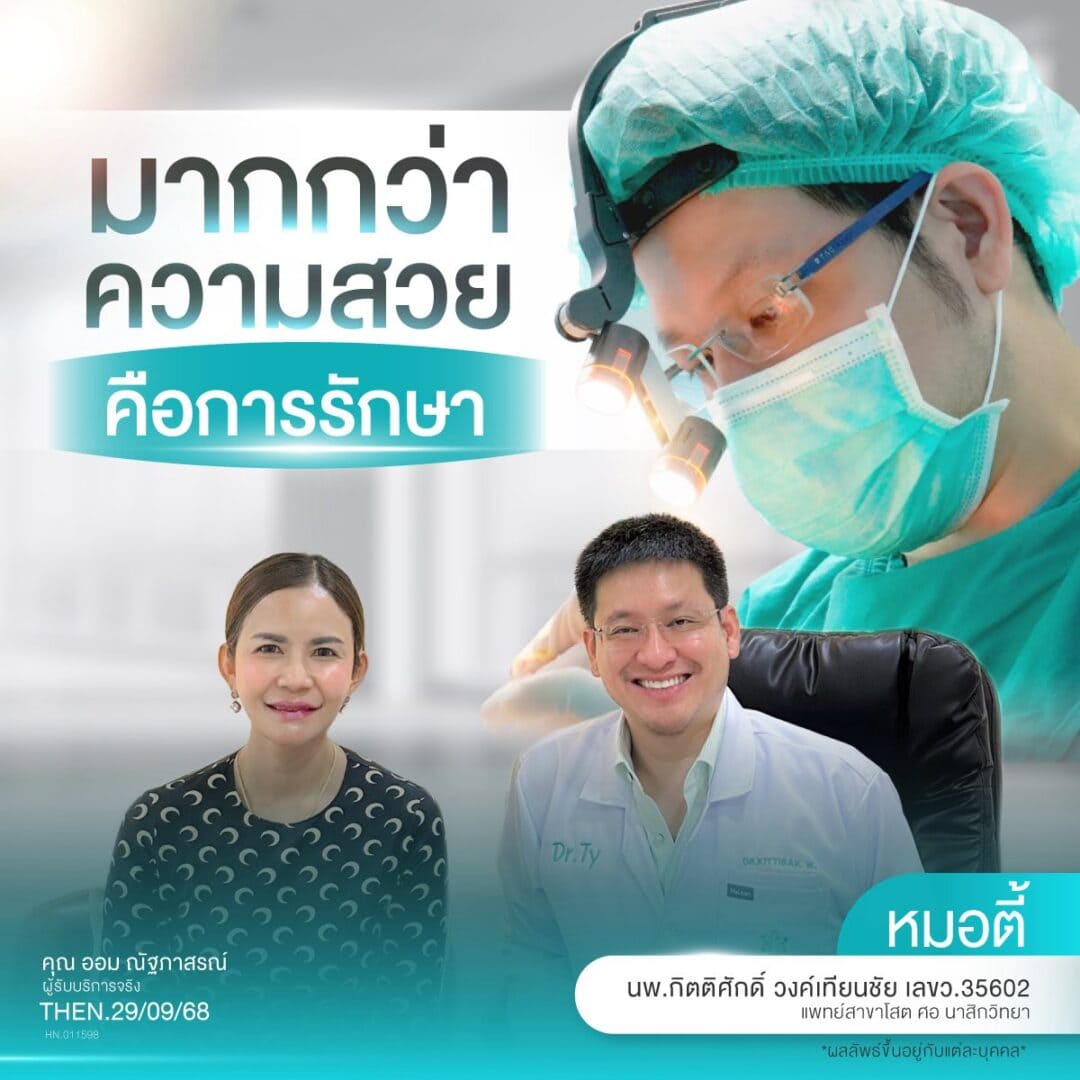
- surgery to ‘clean the sinuses’ and ‘widen the drainage openings’ without cutting the outside of the nose, using an endoscope 2mm to 4mm across inserted into the nose, so the surgery is done inside the nose with no external wound, removing inflamed tissue and growths, then widening the mucus drainage opening (ostium) and cleaning the sinuses
- septoplasty to correct a deviated septum, as if chronic sinusitis is caused by a deviated septum, rhinoplasty or revision rhinoplasty can be done together with cleaning the sinuses and widening the openings, which involves:
- straightening the septum so air flows well
- widening the openings so mucus can drain
- lowering the chance of sinusitis coming back in future

When to Consider Revision Rhinoplasty and Surgery for Chronic Sinusitis
- medicine has not cleared it for more than 3 months (12 weeks)
- it keeps coming back, 4 to 5 times a year or more
- you have nasal polyps
- a CT scan shows the sinuses are badly blocked
- a deviated septum is blocking the air passage
- you have complications, such as sinusitis spreading to the brain or eyes
- it affects daily life, such as not being able to sleep or work
- there is a strong bad smell
Where to Have Revision Rhinoplasty and Chronic Sinusitis Treatment in One Operation
‘Where to have revision rhinoplasty‘ and ‘sinusitis treatment‘ involve complex treatment close to the brain and eyes. With a less experienced surgeon, the risk of mistakes is also high, so revision rhinoplasty should only be done by an experienced surgeon.

Frequently Asked Questions
Will Surgery Clear It for Good?
80% to 90% of people recover if the surgery is done correctly along with good self-care, such as nasal rinsing and avoiding allergens. Without this care, or if allergies become severe, it may come back in 10% to 20% of people. Results depend on each person.
Does Surgery Hurt, and How Long Is the Recovery?
- days 1 to 3: swelling and slight bleeding (this is normal)
- days 4 to 7: the gauze packing is removed and breathing starts to improve
- weeks 2 to 4: nasal rinsing, and you can return to work
- months 2 to 3: fully healed and you can exercise
What Happens If I Do Not Have Surgery?
If symptoms are mild, there may be no problem, but if they are severe and not treated, there is a risk of:
- sinusitis spreading to the brain, which can be life-threatening
- infection around the eyes, which can cause loss of sight
- large growths blocking the sinuses
Can Rhinoplasty Be Done Together With Sinus Treatment?
S45 Clinic can perform rhinoplasty together with surgery for chronic sinusitis. The surgeon makes a diagnosis when you have a deviated septum and also want to improve the look of your nose.
Rhinoplasty and Treatment in One Operation Can Lower Costs and Means Only One Recovery
How long do I need to rinse my nose after surgery? Rinse your nose every day for at least the first 3 to 6 months.
Note: Repeat nose surgery, which many people know as ‘nose reshaping’, is surgery for people who have had nose surgery before and need a further assessment by a surgeon. The approach to care depends on the original problem, the nose structure and the surgeon’s judgement in each case.