Braces Before or After Rhinoplasty, Which Should Come First?
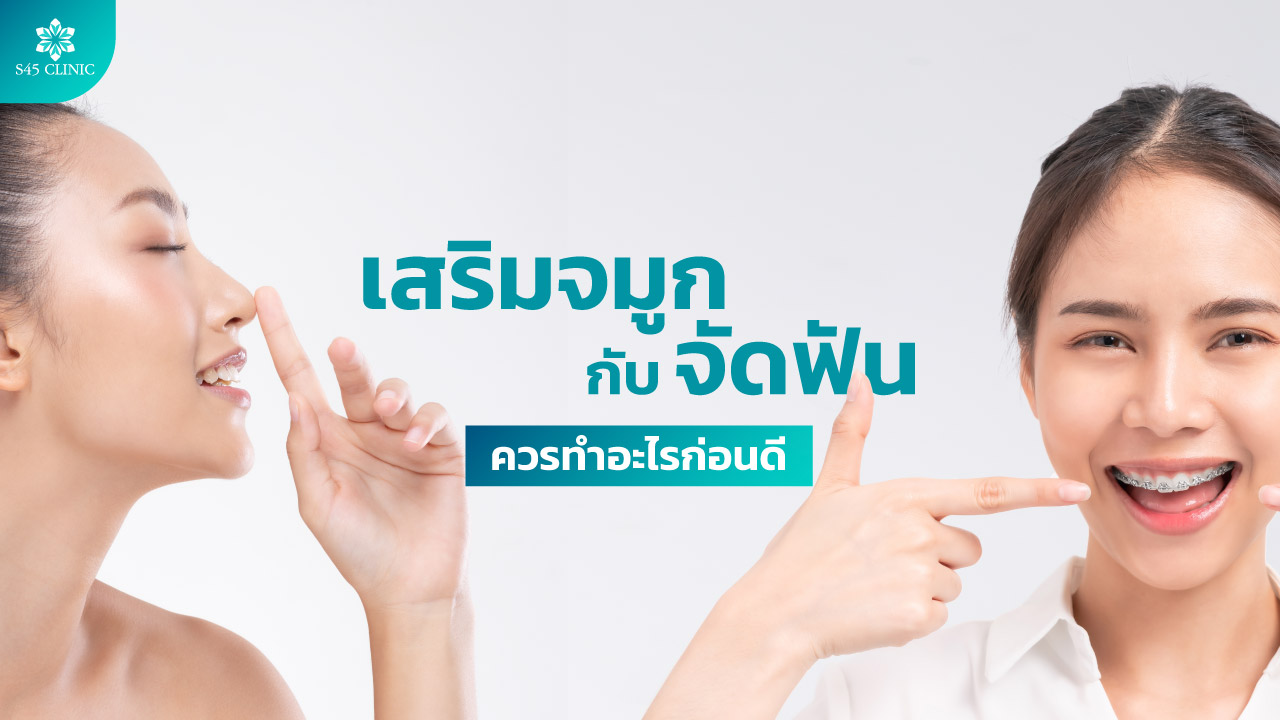
Should you have braces before rhinoplasty, or rhinoplasty before braces? Here is some useful information. In fact, you can choose to have either one first. What matters is that if you have rhinoplasty first, your nose needs to settle and the tissue needs to firm up around the implant first. If you have braces first, your teeth need to settle into place according to your dentist’s treatment plan. This helps prevent your facial structure or teeth from shifting.
Braces move the teeth into place and reduce problems such as crowded teeth or an overbite, so the teeth line up neatly. However, when teeth are removed and pulled into line, a mouth that looked full because of protruding teeth may become less full, which changes the proportions of the face.
Braces and rhinoplasty are both treatments that can help give the face more definition, which can help boost your confidence and how you feel about your appearance.
Some people finish braces and may still not be happy with the shape of their face, because the teeth are in place but the facial structure may still lack definition. They may then want surgery for a softer, more refined look. This raises the question of whether rhinoplasty and braces can be done at the same time, or whether it is better to finish braces first and then have rhinoplasty, to get the look you want without problems later.

Rhinoplasty is another option that can help you feel more confident. It can also help correct nose concerns, such as a deviated, crooked or tilted nose, a thin tip, a large nose, a thick tip, a dorsal hump, a short nasal tip, uneven nostrils, or wide alae that can be reduced with alar base reduction.
Rhinoplasty can also help with breathing problems, which may be caused by an abnormal nasal structure.
Rhinoplasty and Braces, Which Should You Have First?
If you have to choose, we recommend having braces before rhinoplasty. Braces help move your facial structure and teeth into a suitable position, which may benefit the result of rhinoplasty, for example by helping your nose look more in proportion with your face.
However, rhinoplasty before braces is also possible, but consult your dentist and doctor first so they can assess the risks and plan suitable treatment.
Benefits of Having Braces Before Rhinoplasty
- Your facial structure and teeth are in a suitable position, which benefits the result of rhinoplasty.
- It lowers the chance that rhinoplasty and braces treatment affect each other, which could leave the nose crooked, tilted or misshapen.
- It lowers the chance of complications after rhinoplasty.
How Long to Wait After Braces Before Rhinoplasty
When your braces treatment is finished, allow your teeth and jawbone to settle for at least 3 to 6 months. This helps an experienced doctor assess your facial structure and plan surgery accurately.
However, how long you need to wait may vary from person to person, depending on how complex your braces treatment was.
Further Advice
- Before deciding on treatment, consult a dentist and an experienced doctor so they can assess your teeth and face in detail, plan suitable treatment and lower the chance of complications.
- Follow your doctor’s advice carefully.
Rhinoplasty and braces can be done in either order, depending on what suits each person, and you can consult a dentist or an experienced doctor for advice that suits you

How Many Types of Rhinoplasty Are There?
Rhinoplasty is divided into 2 main types:
- Closed rhinoplasty is a technique where the doctor places silicone or another synthetic material under the skin of the nose. An L-shaped silicone implant is used, with tip graft material such as acellular dermal matrix (a processed tissue graft), ear cartilage or a dermofat graft from the tailbone area, without a general anaesthetic.
- Structural rhinoplasty (open rhinoplasty) is a technique where an experienced doctor makes an incision at the front of the nose to reshape the inner structure. This technique uses cartilage from other parts of the body, such as ear cartilage or rib cartilage, to reshape the nasal structure. This lowers the chance of implant extrusion (the implant pushing through the skin), and the shape, with a soft look and a projected tip, is planned to suit Asian facial features.


Recovery Time
After rhinoplasty, recovery takes about 1 to 2 weeks. You may have swelling, bruising or pain around the nose, which gradually goes away over time.


Looking After Yourself After Rhinoplasty
Recovery after rhinoplasty takes 7 to 14 days, depending on each person. After surgery you may have symptoms such as swelling, bruising or redness at the tip of the nose, which gradually improve. To look after yourself:
- Use cold compresses for the first 7 to 10 days to reduce swelling and bruising.
- Get enough rest. Sleep on a high pillow and use pillows for support to stop you turning onto your side for the first month. Avoid sleeping on your front, and sleep with your head raised at 45 degrees to reduce swelling.
- Avoid touching or rubbing your nose.
- Avoid lifting heavy objects and exercising for at least 4 weeks.
- Avoid swimming, facial steam saunas, ozone saunas and hot baths in the early period.
- Keep the surgical wound dry for 7 days. If it gets wet by accident, pat it dry with a clean cloth. If your surgery used your own rib cartilage, wipe your body with a damp cloth instead of showering for the first 3 days. After that, you can shower as normal, but put a waterproof plaster on before showering, then remove it afterwards and pat the area dry.
- In the early period, clean your face with saline, and take care not to let the wound get wet at all.
- See your doctor at your follow-up appointments to check your progress.
- Avoid pickled and fermented foods, seafood, vitamins, supplements, alcohol and smoking for at least 1 month.
- If more blood or fluid than usual comes out, tell our staff first. This may happen in the first 7 days because the inner structure is quite swollen. You can gently wipe it away with a cotton bud.
- Avoid wearing glasses for the first 4 weeks. If you have eyesight problems, consult your doctor for advice.
- Avoid clothes that you pull on over your head, to lower the chance of touching your nose.
S45 Clinic has Dr. Ty and experienced doctors who perform rhinoplasty, and you can discuss the nose shape you want, such as a teardrop tip or a soft, subtle shape, so contact us to find out more