Scabs After Rhinoplasty, How to Lower the Chance of Scars and Keloids
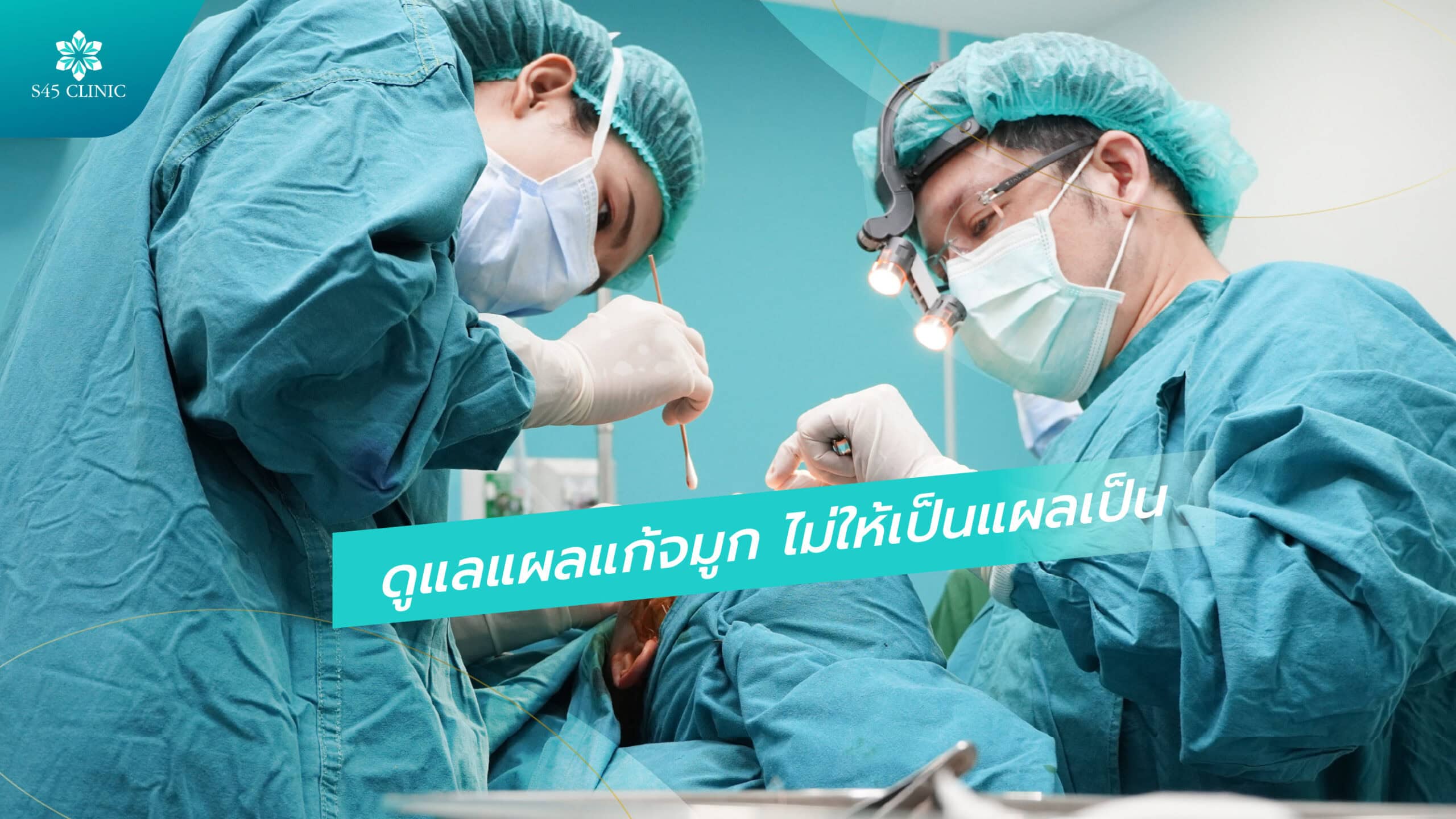
Whenever the body is injured and a wound forms, the body makes new tissue. It protects itself by making the blood clot into a lump, which forms a scab. When a scab forms on a wound, it is a sign that the wound is healing and will soon become healthy skin again.
Blood Clots and Forms a Dry, Hard Crust, Which Is a Scab
A scab acts as a shield that stops dirt and germs getting into the body. Under the scab, new skin cells form to replace the damaged tissue. When the tissue has fully recovered, the scab dries and gradually falls off on its own.
Scabs Are Nothing to Be Afraid of, but Look After Them to Lower the Chance of a Scar
Keeping the wound clean and avoiding picking, scratching or peeling off the scab yourself helps reduce damage and lowers the chance of a scar.
Scars form when the skin is injured, either in an accident or during surgery. In some people who do not look after the wound well, it can become infected or badly inflamed, which can leave a scar. Worse still, some people may get a raised scar, a deep scar or a keloid.
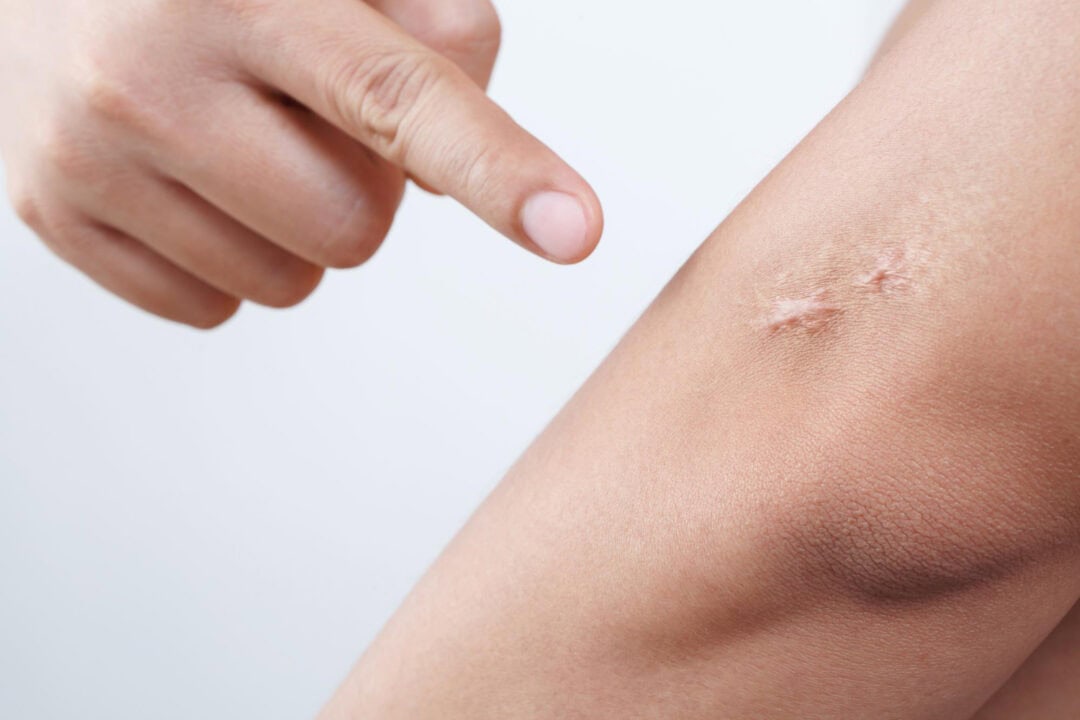
There Are Several Types of Scar
- raised (hypertrophic) scars, caused by collagen building up and pushing the tissue above the surrounding skin
- keloid scars, raised scars that grow larger than the original wound
- pitted (atrophic) scars, caused by acne or some diseases, where the tissue sinks into the skin
- contracture scars, caused by the skin pulling tight so it looks twisted or crooked. Surgery can also cause scar tissue that pulls and changes the shape in the same way.
How to Look After Yourself to Lower the Chance of a Scar
- Clean the wound regularly and correctly.
- Eat foods that help wound healing, such as milk, eggs and avocado.
- Avoid picking, peeling or scratching the wound.
- Moisturise the skin or apply a scar-reducing gel.
How to Treat a Scar or Keloid
You can look after the scar yourself by using skincare products regularly, or have treatment from a doctor, such as laser scar reduction, filler injections, surgery and other treatments your doctor recommends.
Is There a Chance of a Scar or Keloid After Revision Rhinoplasty
If you have rhinoplasty or revision rhinoplasty and are cared for by an experienced surgeon, the chance of a scar or keloid is low. The surgeons at S45 Clinic will assess you, talk through your questions and send you for a health check before surgery, and give you advice on how to look after yourself.
Read more: Will a keloid scar (keloid) from rhinoplasty go away
For people having rhinoplasty or revision rhinoplasty who have a higher chance of keloids because of a health problem or delicate skin, the surgeon will assess you and give you medicine to help prevent keloids, as well as advice on looking after yourself after rhinoplasty or revision rhinoplasty, to help prevent infection and inflammation and lower the chance of scars and keloids.