Semi Open Rhinoplasty Nose Shape, Which Parts Can Be Adjusted? What to Know Before Choosing a Technique for Your Nose Structure

Semi-open rhinoplasty is not only about raising the nasal bridge to add definition. It reshapes the nose to suit each person’s nose structure, especially for people with a large nasal tip or wide alae (the sides of the nostrils), or who want a nose shape that still looks like their own and suits their face.
The semi-open technique can help adjust several parts of the nose, such as the nasal bridge and nasal tip, including a tip graft with a suitable material, as well as assessing the alar cartilages, which have a strong effect on the shape of the nasal tip in some cases. This article explains which parts of the nose semi-open rhinoplasty can adjust and how each part relates to designing the nose shape, to help you choose a technique that suits you.
Which Parts of the Nose Can Semi-Open Rhinoplasty Adjust?
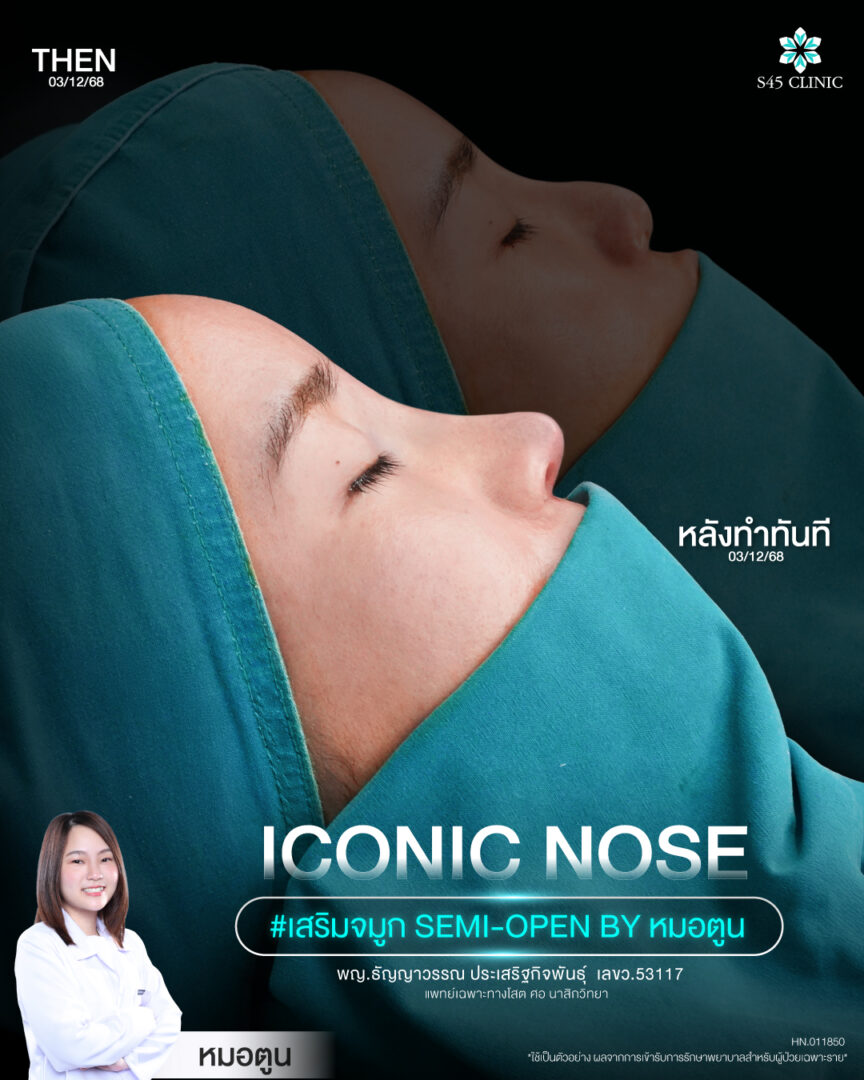
Semi-open rhinoplasty is a technique that lets the surgeon plan to reshape several parts of the nose, based on each person’s existing nose structure, including the nasal bridge, nasal tip, nasal base and alae, as well as the thickness of the skin and soft tissue of the nose.
Choosing this technique is therefore not only about wanting a higher nose. It also means looking at how much each part of the nose can be adjusted and whether that fits your own limitations, as follows:
1. Nasal Bridge
The nasal bridge adds definition to the face. The surgeon assesses its existing height, the line of the bone, the width of the nasal base and the thickness of the skin, to design a bridge line that suits your overall proportions, including the forehead, cheekbones and chin.
2. Nasal Tip
A large nasal tip can have several causes, such as a wide nasal base or thick skin and soft tissue at the tip, which can make the tip look large, round and undefined.
The semi-open technique helps the surgeon assess and plan how to adjust the structure of the nasal tip appropriately, to help the tip look more defined and in proportion. The tip should therefore be assessed on several factors together, not judged from a front view alone.
3. Alae and Nasal Base
If you have wide alae or a nasal base that looks wide, the surgeon first assesses whether this comes from the alae themselves, or because the tip and base lack definition. In some cases, bringing the bridge and tip into proportion may improve the overall look without needing alar reshaping or alar base reduction as well.
What Are the Alar Cartilages and How Do They Affect the Nasal Tip?
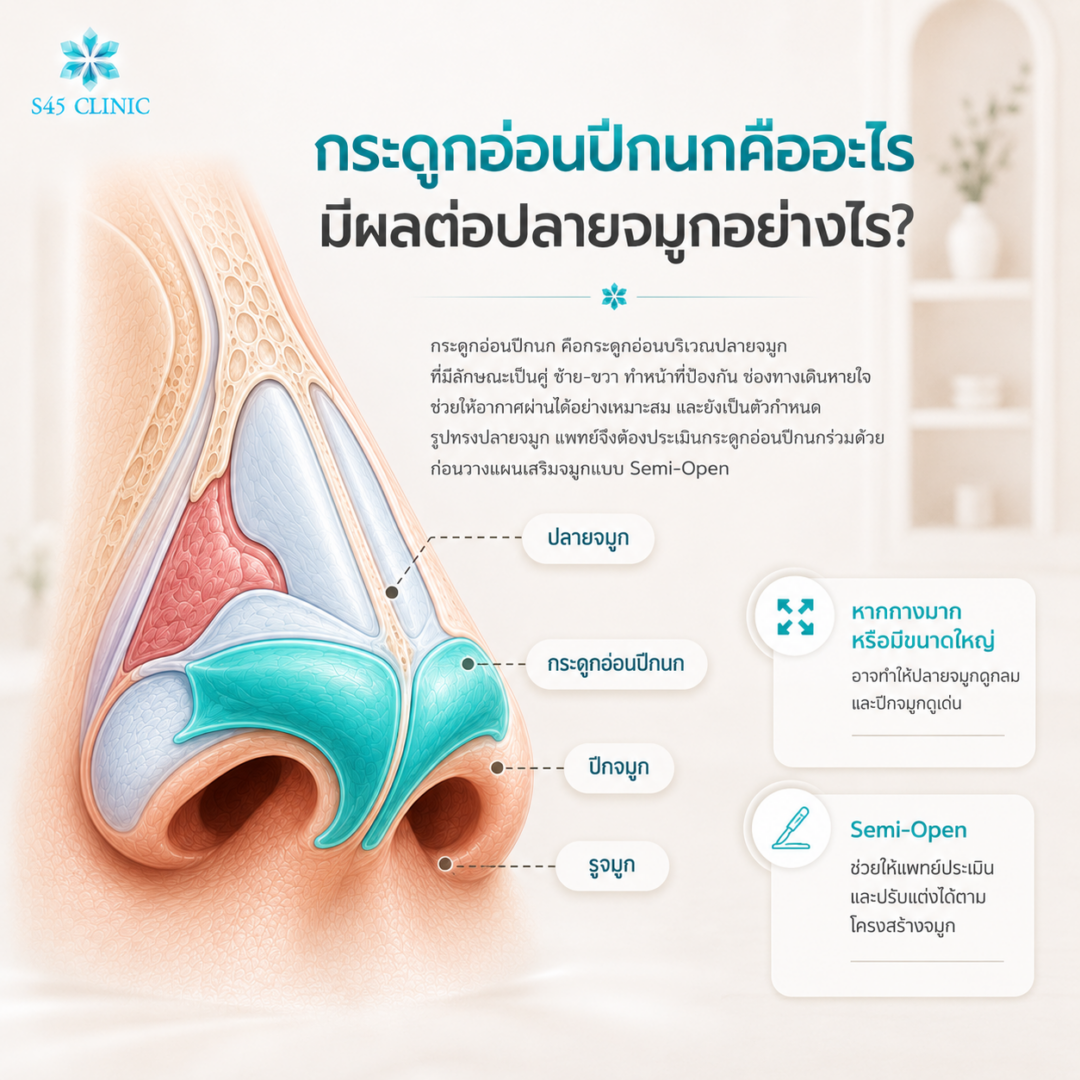
The alar cartilages are a pair of cartilages, left and right, at the tip of the nose. They help protect the airway so that air can pass through properly, and they also shape the nasal tip. The surgeon therefore needs to assess the alar cartilages as well before planning semi-open rhinoplasty.
Where Are the Alar Cartilages?
The alar cartilages sit in the lower part of the nose, at the nasal tip, and relate to the shape of the nostrils, the alae and the nasal tip.
How Do Large or Widely Spread Alar Cartilages Affect Nose Shape?
If the alar cartilages are wide, spread apart or flare out to the sides too much, the tip and alae may look larger from some angles, for example a round-looking tip or large-looking alae.
Are the Alar Cartilages Linked to a Large Nasal Tip?
The alar cartilages may be one of the causes of a large or rounded nasal tip in some people, but a large tip can also come from thick skin, a lot of soft tissue or fat at the tip, or a wide nasal base as well.
How Much Can Semi-Open Rhinoplasty Adjust the Alar Cartilages?
The semi-open technique may help the surgeon assess and correct the nasal tip, including the alar cartilages, in some cases. How much can be adjusted depends on your existing structure, skin thickness, the amount of soft tissue at the tip and how complex each case is.
What Materials Are Used With Semi-Open Rhinoplasty?
Choosing materials for semi-open rhinoplasty is an important factor that helps the surgeon plan a suitable nose shape. The materials used depend on your existing nose structure, skin thickness and the surgeon’s assessment.
A Silicone Implant Augments the Bridge and Sets the Line of the Nose
A silicone implant is often used to augment the nasal bridge, adding definition and giving the bridge a clearer line. It should be designed to suit your facial structure and the limitations of your nose.
Acellular Dermal Matrix Adds a Tissue Layer in Some Areas
Acellular dermal matrix (a processed tissue graft) is a material that may be used with rhinoplasty in some cases. It is usually used to add a tissue layer between the implant and the skin of the nose, or to help the nose feel softer in some areas.
Ear Cartilage and Tissue From the Tailbone Area Support the Nasal Tip
Ear cartilage and tissue from the tailbone area (a dermofat graft) are your own tissue, which the surgeon may consider using with rhinoplasty in some cases, especially when extra support is needed at the nasal tip or when there are limitations with the skin and soft tissue of the nose.
In general, ear cartilage may be used to support or strengthen the nasal tip, while tissue from the tailbone area may be used to add a tissue layer in some areas, to reduce pressure between the implant and the skin of the nose. Which material is chosen depends on your existing nose structure, skin thickness, the amount of soft tissue and the surgical plan the surgeon makes for you individually.
Who Is Semi-Open Rhinoplasty Suitable For?
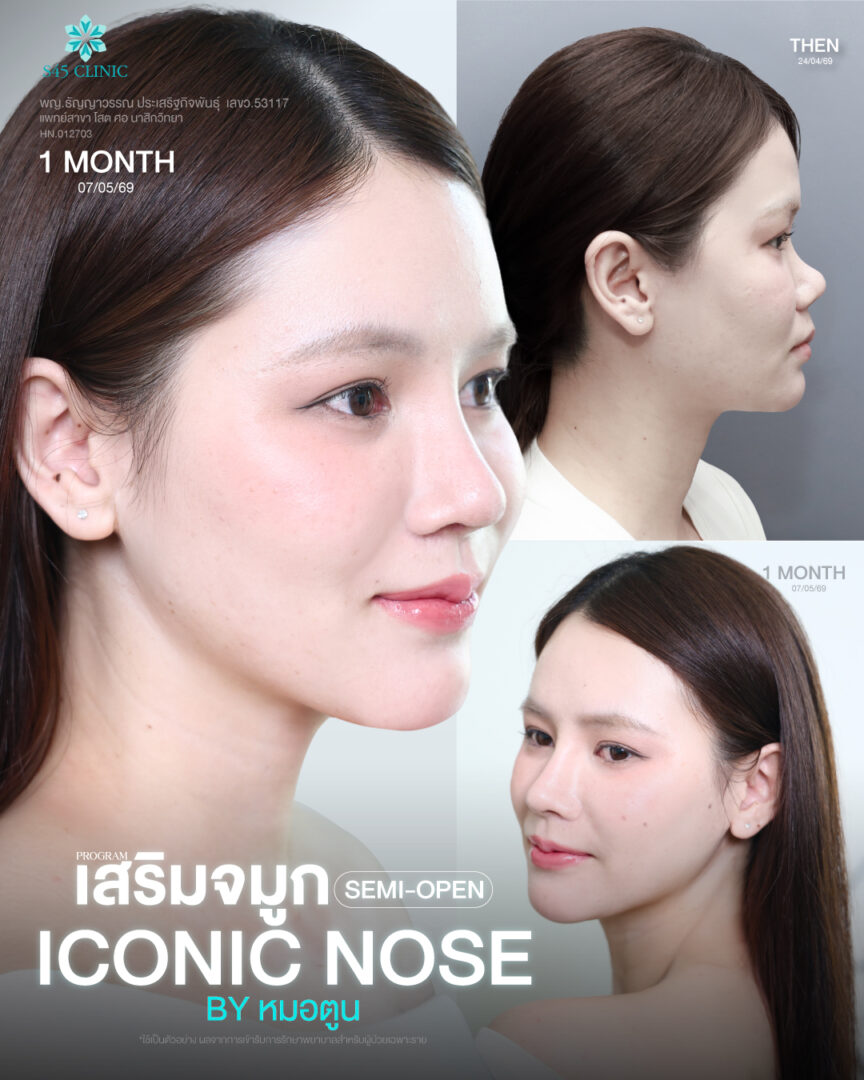
The semi-open technique suits people having rhinoplasty for the first time, or people whose nose structure problems are not very complex, who want to reshape the nose to suit their face and want a shape that stays in keeping with their own features, within the limits of their existing structure.
People Having Rhinoplasty for the First Time Whose Problems Are Not Very Complex
People having rhinoplasty for the first time who do not have structural problems may be a group for whom the surgeon considers the semi-open technique.
People With a Mildly to Moderately Large Nasal Tip
People with a mildly to moderately large nasal tip may be suited to assessment for the semi-open technique. The surgeon looks at whether the large tip comes from soft tissue, skin, cartilage or the nasal base.
People Who Want a Subtle Nose Shape That Suits Their Face
For people who want a subtle nose shape that is not too rigid or too high, rhinoplasty should focus on the balance of the face.
What Does S45 Clinic Assess Before Choosing the Semi-Open Technique?
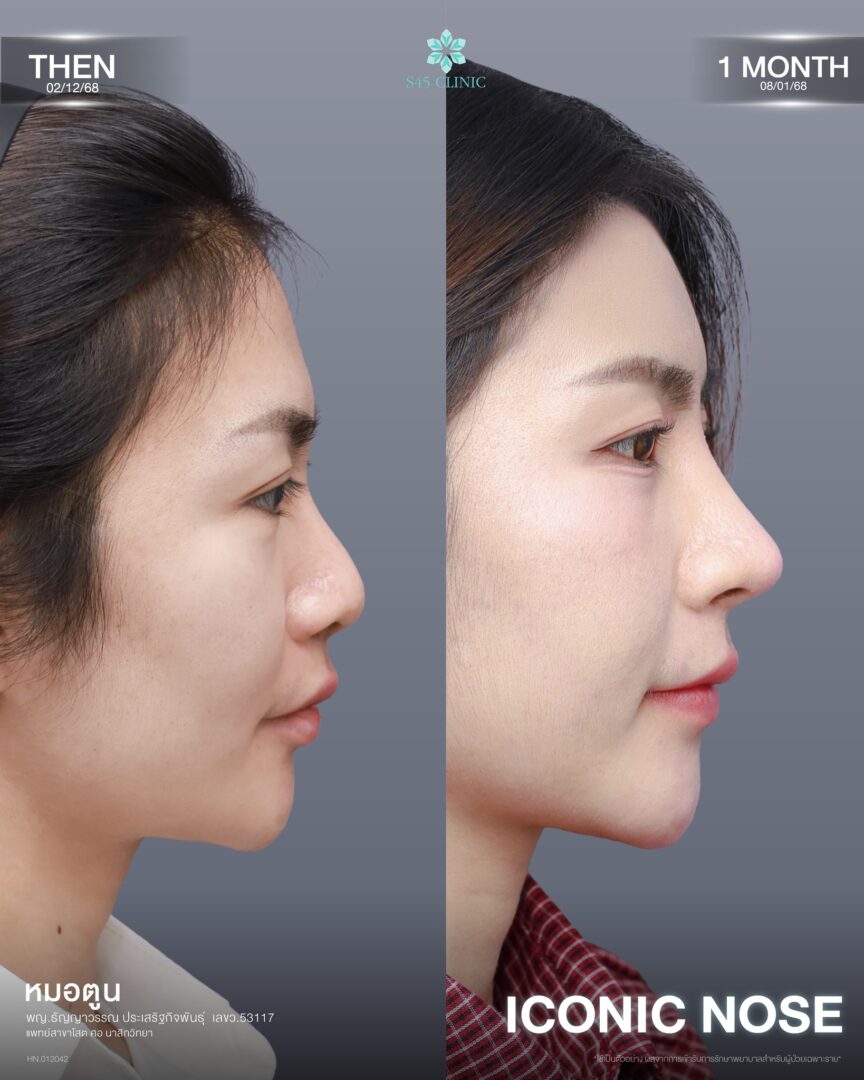
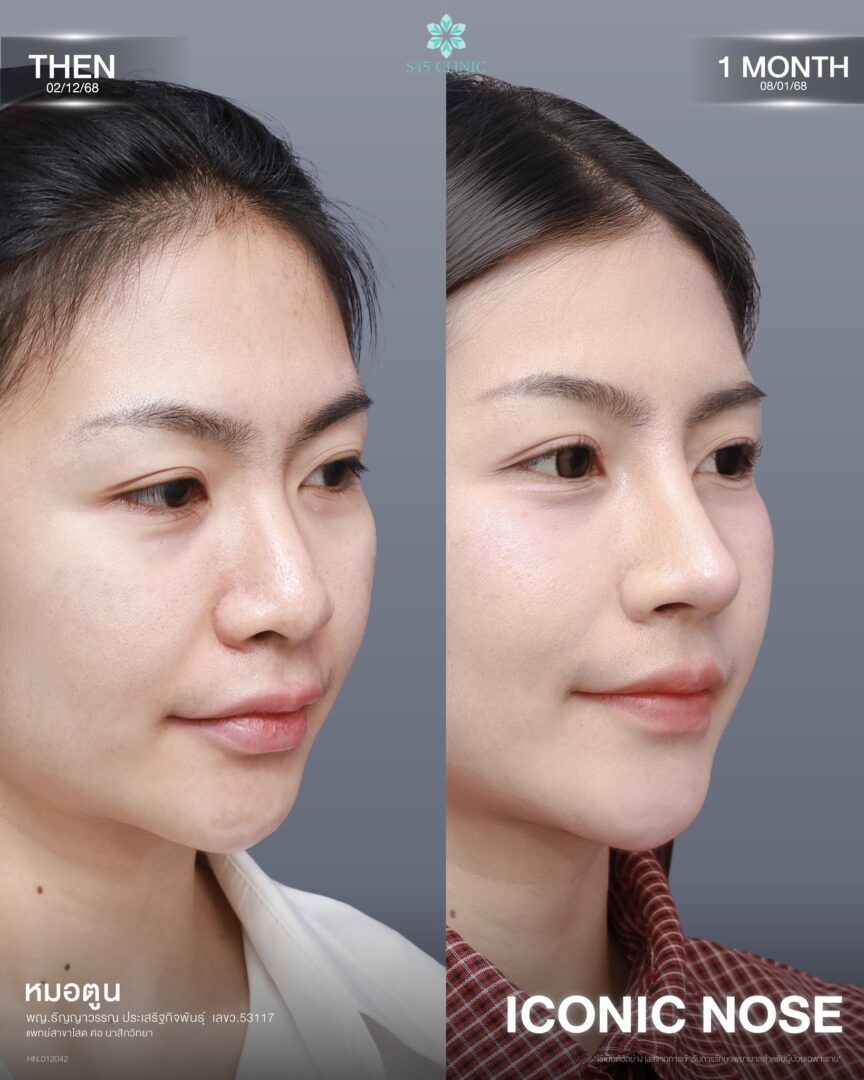
Before choosing semi-open rhinoplasty, S45 Clinic focuses on assessing your nose structure and facial proportions, to plan a technique that suits your problems and limitations.
Assessing the Existing Nasal Bridge
The surgeon looks at the height, width and line of your existing nasal bridge, and assesses whether augmenting the bridge will suit your face as a whole.
Assessing the Nasal Tip, Alae and Nasal Base
The nasal tip, alae and nasal base are linked. If you have a large nasal tip or wide alae, the surgeon assesses which part is the main cause and designs a surgical plan that suits you.
Assessing Skin Thickness and Soft Tissue
Skin thickness and the amount of soft tissue are important limits when designing the nose shape. If your skin is thin or you have little soft tissue, making the nose too high or too projected may not suit your existing structure. The surgeon assesses what is possible from your nose structure and designs the surgery to suit your face.
Assessing Which Materials Suit Your Rhinoplasty
Each material has a different role. For example, a silicone implant augments the bridge line, while acellular dermal matrix, ear cartilage or tissue from the tailbone area may be used in some cases to support the tip or add a tissue layer. The surgeon decides based on your existing nose structure, skin thickness and individual limitations.