Surgeon Refused Revision Rhinoplasty? Why It Happens After Nose Surgery
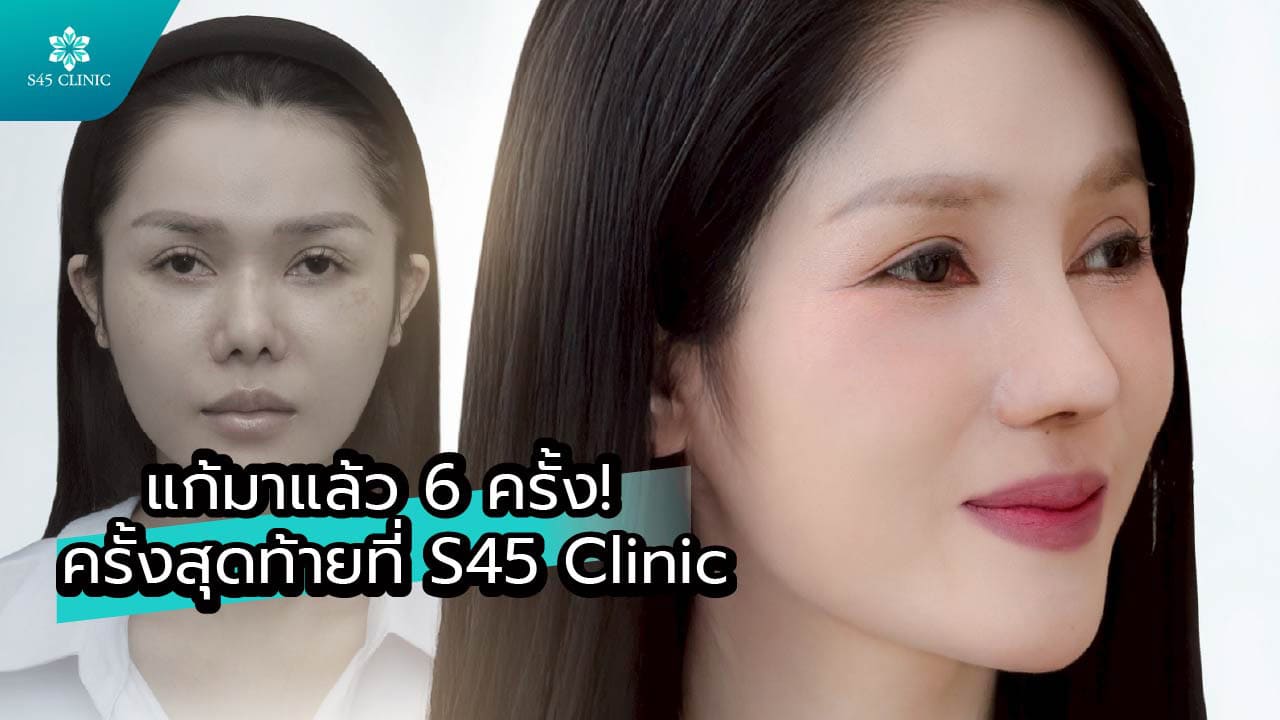
After rhinoplasty, some people find there is a problem or get complications, such as bleeding or a wound that does not fully heal even after a long recovery, and the problem does not improve after first-line treatment. When they go for a consultation, the surgeon refuses to correct it, including changes to the nose shape, such as a tilted nasal axis that makes the face look crooked. This can cause worry about long-term problems and a loss of confidence in daily life. Some people develop depression and feel discouraged because they do not know how to solve the problem.
@s45clinic.official A patient who flew in from Germany and chose Dr. Ty shares their rhinoplasty result 1 year after surgery. Results depend on each person. This video is in Thai. #s45clinic #S45clinicRhinoplasty #Rhinoplasty #NoseReview #RevisionRhinoplasty ♬ Gifts For Me – Meghan Trainor
@s45clinic.official Common questions about rhinoplasty answered by Dr. Ty at S45 Clinic. This video is in Thai. #S45clinicRhinoplasty #s45clinic #NewRhinoplasty #Rhinoplasty ♬ original sound – S45 Clinic
Why Surgeons Refuse Revision Rhinoplasty
- The surgeon may refuse revision but treat the symptoms when the nose has not fully healed. It usually takes 12 to 18 months for the nose to settle, especially after open rhinoplasty, which is more complex surgery than closed rhinoplasty. Surgery causes swelling and changes in the shape of the nose, and the swelling goes down gradually as the tissue heals. Once the swelling has gone, the shape of the nose becomes clear.
- Revision rhinoplasty is more complex than a first rhinoplasty, including for people who have had several revisions before. Revision needs a longer recovery because the tissue structure has changed, and cartilage may be used to support the nose, which makes recovery take longer.
- People with thin skin need more time to recover than others.
However, a surgeon with experience in rhinoplasty and revision rhinoplasty can assess the real problem in more detail, which helps lower the chance of unexpected outcomes. Revision rhinoplasty at S45 Clinic by experienced surgeons aims to make revision and rhinoplasty go smoothly. In cases with risks, the surgeon gives advice at your consultation and explains the problems that may happen, so you know before you decide.
So if your rhinoplasty has gone wrong, knowing the real cause, whether it is an unbalanced nose shape, a shape that is not what you expected, difficulty breathing or complications, helps the problem be corrected at the right point when you go for follow-up or see a surgeon for a consultation.
S45 Clinic offers consultations for people who have had rhinoplasty before and are concerned about the shape or structure of their nose. The surgeon assesses each person individually to plan suitable care.

Frequently Asked Questions
How Long Is Recovery After Revision Rhinoplasty?
In general, allow 12 to 18 months for healing, so the wound heals fully and the tissue settles. If you have complications, such as infection or a shifting silicone implant, see a surgeon as soon as possible to have it corrected.
How Risky Is Revision Rhinoplasty?
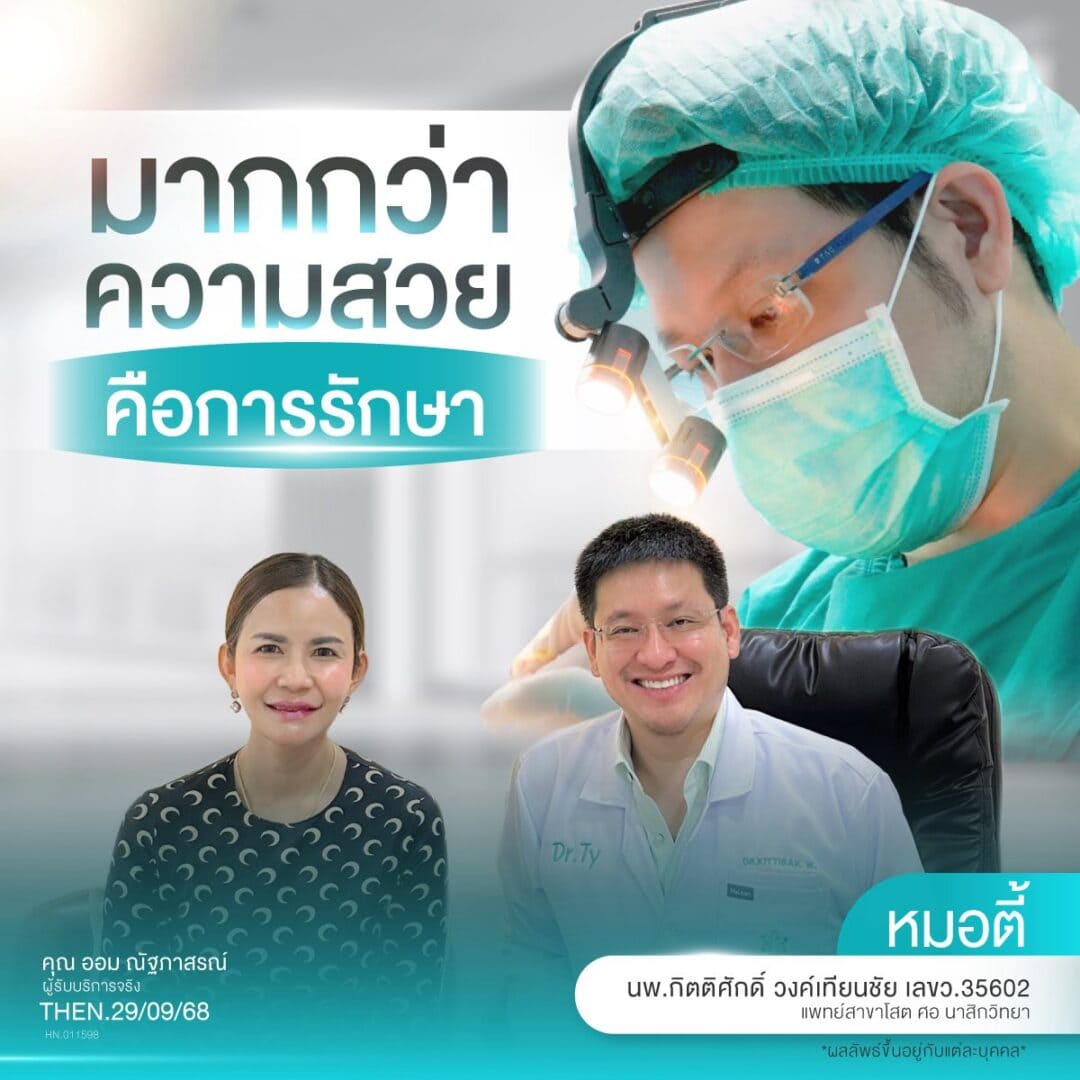
Revision rhinoplasty has a higher risk than a first rhinoplasty, so before having it, consider the experience of the surgeon. At S45 Clinic, Dr. Ty (นายแพทย์กิตติศักดิ์ วงค์เทียนชัย, ว.35602) assesses each case before deciding whether revision is suitable.
How Much Does Revision Rhinoplasty Cost?
Revision rhinoplasty costs more than a first rhinoplasty, and more again if you have had a revision before. The surgeon mainly assesses damage to the nasal structure, and if any part needs further correction, the surgeon corrects it to get the nose shape you hope for. So the cost of revision rhinoplasty varies with each person’s problems and nasal structure.
Note: Revision rhinoplasty, which many people know as ‘nose reshaping’, is surgery for people who have had nose surgery before and want a further assessment from a surgeon. The care plan depends on the original problem, the nasal structure and the surgeon’s judgement in each case.