Can Rhinoplasty Reduce Nasolabial Folds and Cheek Grooves?

Rhinoplasty is surgery that reshapes the nose to give the face more definition and can help with breathing difficulties, among other things. However, people often ask whether rhinoplasty can reduce cheek grooves or nasolabial folds.

When the nose is raised with rhinoplasty, you may feel that the flesh around the cheeks is also pulled up. If you look in the mirror and push the tip of your nose upwards, you will see the cheek grooves are pulled up too. This is why people having rhinoplasty wonder whether rhinoplasty can reduce cheek grooves.
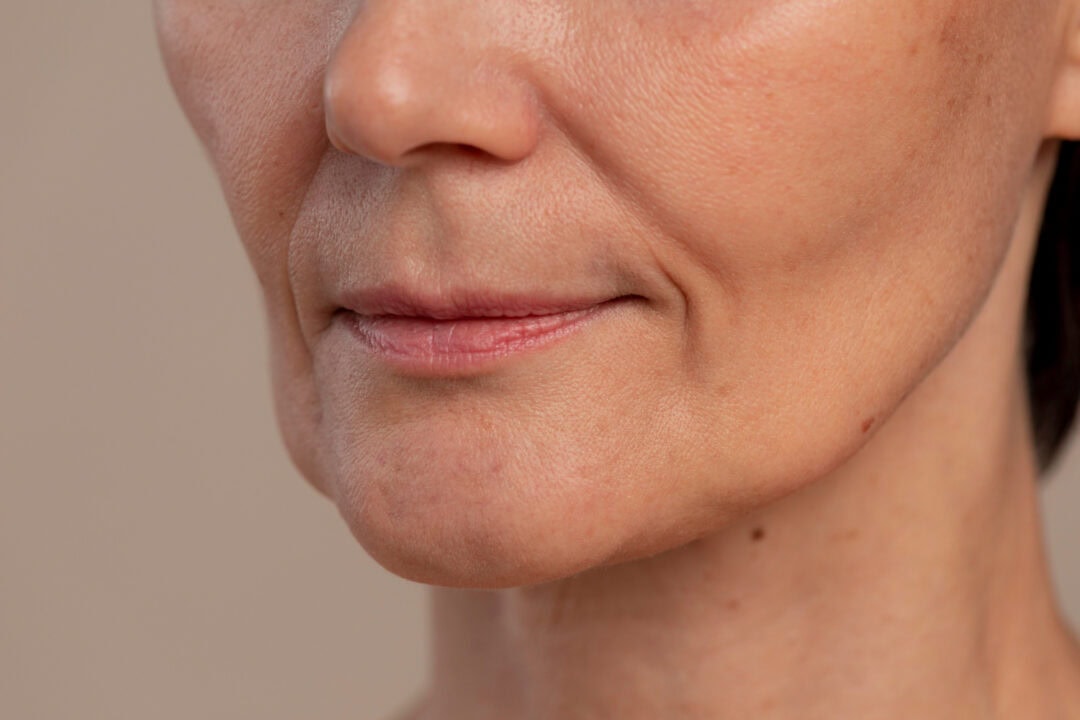
First, it helps to understand what causes cheek grooves and deep nasolabial folds. They are caused by the underlying bone sinking and the jawbone receding, by the skin’s inner structure breaking down, such as a drop in cells, collagen and elastin, and by frequent facial expressions, which make the skin in that area sag and form deep lines and grooves.
Frequent sun exposure and dry skin that lacks moisture can also lead to nasolabial folds and cheek grooves.
Rhinoplasty will not make existing cheek grooves or nasolabial folds go away
If you have cheek grooves or deep nasolabial folds that make your face look older than your age, other procedures can help reduce these concerns, such as:
- hyaluronic acid filler injections to fill the area
- the Ulthera® programme, which works down to the SMAS layer to help with nasolabial folds
- facelift surgery