Can I Eat Durian After Rhinoplasty? What to Eat After Surgery
Durian, known as the ‘King of Fruit’, is a favourite fruit, especially in the hot season, and many people love it, especially in Asia, for its rich taste and smell. But this tempting fruit can affect the body when you are being treated, having surgery or have what Thai tradition calls ‘internal heat’, such as mouth ulcers. So while you have a wound or are unwell, avoid eating it until the wound has fully healed.
Durian contains healthy fats, sugar, esters, sulfur, alcohols, antioxidants and polyphenols. Some sources say that eaten in suitable amounts, it may help lower fat or cholesterol levels and may help protect against heart disease, diabetes and cancer.
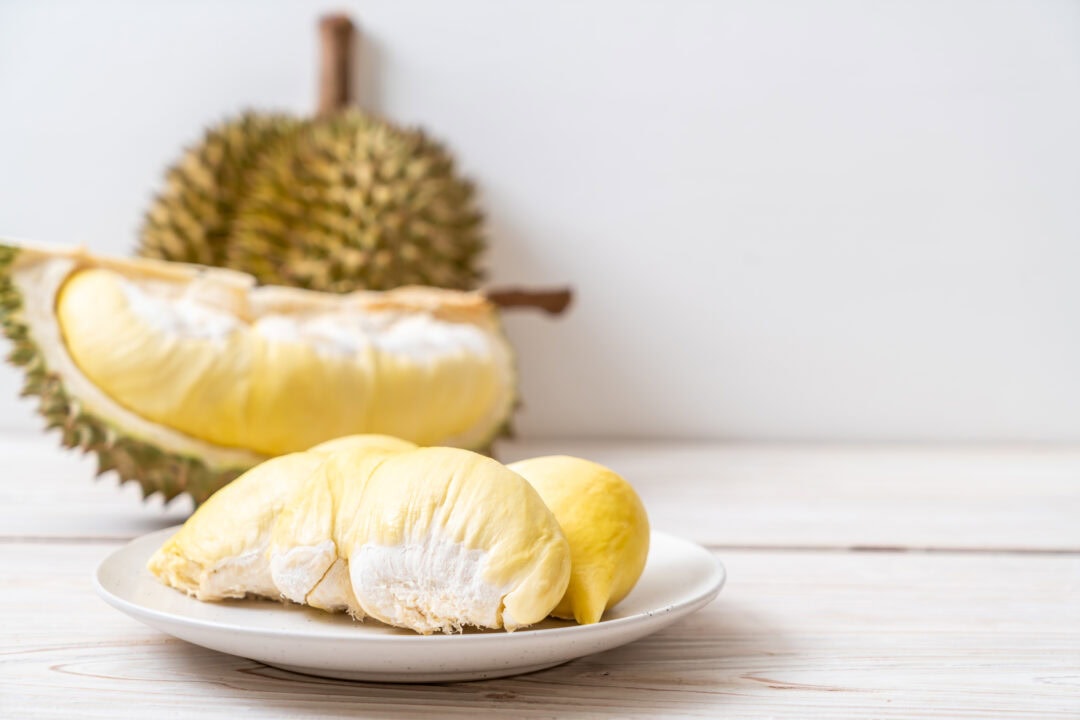
Durian is rich in sulfur and, in Thai tradition, is considered a ‘heating’ food that builds up heat in the body and triggers inflammation. It is said to cause ‘internal heat’ and slow wound healing, and it can affect blood sugar and blood pressure. It can interact with some medicines, and avoid eating durian with coffee or any kind of alcoholic drink.
Who Should Avoid Durian
- people who have had plastic surgery, rhinoplasty or revision rhinoplasty
- people who have had an operation and are still recovering
- people with diabetes
- people with high blood pressure
- people with heart disease
- pregnant women
With a Surgical Wound, a Fresh Wound or After Plastic Surgery,
avoid Durian to Lower the Chance of Slow Healing and Possible Infection
Why to Avoid Durian When You Have a Wound
You Can Eat Durian After Rhinoplasty, but Only in Small amounts
Avoiding It If You Can Lowers the Chance of Slow Wound Healing and Infection
Eating too much durian makes the body build up heat from sulfur, which affects wounds, especially wounds in the mouth, causing irritation and slowing healing. The high fat and fibre content of durian can also cause phlegm, which may trigger inflammation in the mouth.
After rhinoplasty or revision rhinoplasty, look after yourself carefully, especially during recovery, so the wound can heal well and the nose can settle into shape. Choosing what you eat is part of this self-care. Food gives your body the nutrients it needs to recover, especially high-protein food (such as fish, chicken, eggs, beans and green leafy vegetables), which can help reduce swelling and repair tissue.
Foods That Suit the Recovery Period
After plastic surgery, rhinoplasty, revision rhinoplasty or any operation, eat soft food that the body can digest easily, such as rice porridge, pumpkin soup, rice bran oil, coconut water and Asiatic pennywort juice, and drink plenty of water to help your body recover.
Avoid strongly flavoured food, salty food, pickled or fermented food, alcohol and caffeine. These affect the body and can raise the chance of inflammation and complications.
Look after yourself well during recovery so the nose can settle into shape and the swelling can go down. But if something goes wrong and the nose becomes inflamed or misshapen, or something unexpected happens that lowers your confidence and the shape is not what you wanted, you may want revision rhinoplasty to feel confident again. If your nose is inflamed or infected after rhinoplasty elsewhere, it is worth thinking carefully about where to have revision rhinoplasty that can address a damaged nose and lower the chance of another revision.

S45 Original revision rhinoplasty by Dr. Ty at S45 Clinic for damaged noses, with advice on each problem, analysing and diagnosing the cause before designing a new nose shape